The delicate dance between zooplankton and larval fish, a cornerstone of marine ecosystems, is facing disruption with potentially severe consequences. This ecological mismatch, where the timing of peak zooplankton abundance no longer aligns with the critical feeding needs of young fish, represents a significant challenge to the survival and future health of fish populations. Understanding this phenomenon is crucial for comprehending the intricate web of life in our oceans and for guiding conservation efforts.
Zooplankton, often invisible to the naked eye, are the unsung heroes of marine food webs. These tiny drifting organisms, ranging from microscopic eggs and larvae of larger animals to crustaceans and single-celled plankton, form the primary food source for a vast array of marine life, particularly during their most vulnerable life stages.
Defining Zooplankton: A Diverse Assemblage
Zooplankton are not a single taxonomic group but rather a collection of organisms united by their planktonic lifestyle. This means they drift in the water column, their movement largely dictated by currents. Their diversity is staggering, encompassing:
- Zooplanktonic Crustaceans: This group includes copepods, cladocerans, and krill, which are often the most abundant and ecologically significant zooplankton. Copepods, in particular, are frequently considered the “bread and butter” of many larval fish diets due to their high lipid content and availability.
- Larval Fish and Invertebrates: Many marine species spend their early lives as plankton before metamorphosing into their adult forms. These larval stages themselves are a crucial component of the zooplankton community.
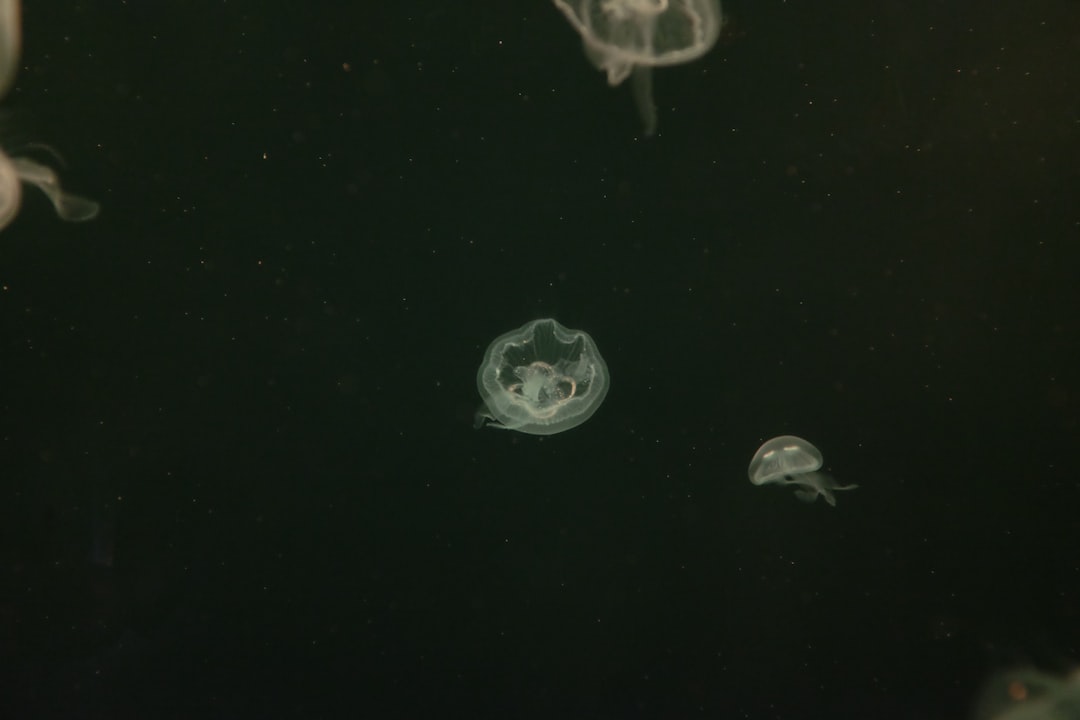
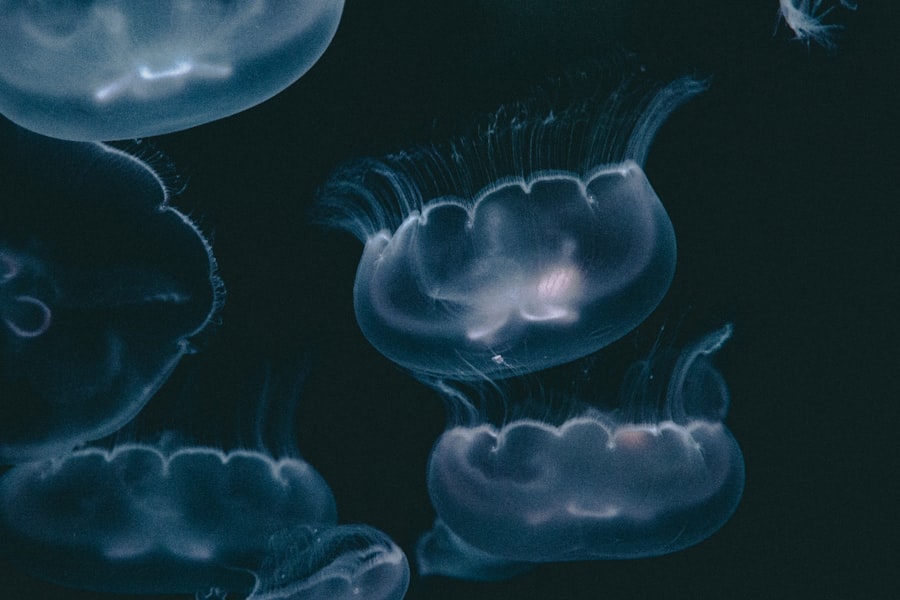
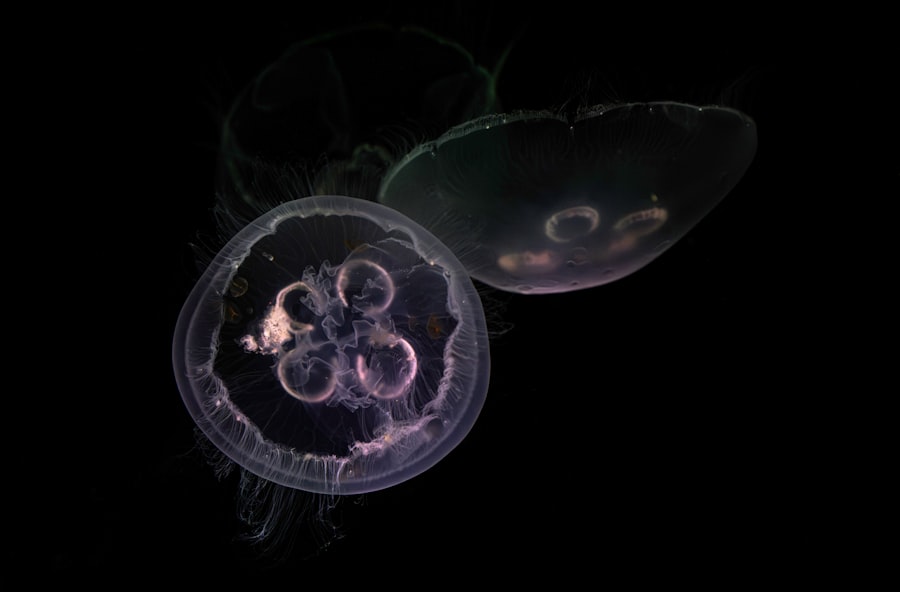
- Gelatinous Zooplankton: This encompasses jellyfish, comb jellies, and salps, which can, in certain conditions, form massive blooms and impact the food web by competing with larval fish for resources or even preying upon them.
- Meroplankton: Organisms that only spend a portion of their lives in the plankton, such as the larval stages of benthic invertebrates like crabs and sea stars.
The Nutritional Imperative: Why Larval Fish Depend on Zooplankton
For larval fish, the emergence from their eggs marks the beginning of a perilous journey. They are born with limited energy reserves and must immediately begin feeding to grow and survive. Zooplankton represent their first, and often only, food source during this critical period. The quality and quantity of zooplankton directly influence:
- Survival Rates: Without sufficient and nutritious food, larval fish starve and perish. This is a major bottleneck in population dynamics; only a tiny fraction of hatched eggs will survive to adulthood.
- Growth Rates: Adequate nutrition from zooplankton allows larvae to grow quickly, developing the size and strength necessary to avoid predators and find suitable habitats.
- Developmental Success: The precise nutrient composition of zooplankton, including fatty acids and specific vitamins, is essential for the proper development of larval fish organs and systems. For instance, omega-3 fatty acids are critical for brain development and eye function.
- Conditioning for Later Life Stages: The nutritional status of larvae can have long-lasting effects, influencing their performance and reproductive success as adults. A well-nourished larva is more likely to become a healthy, productive adult.
Recent studies have highlighted the critical relationship between zooplankton availability and the survival rates of larval fish, emphasizing the concept of “mismatch” in their life cycles. A related article that delves deeper into this topic can be found at Freaky Science, where researchers discuss how changes in environmental conditions can disrupt the timing of zooplankton blooms, ultimately affecting the food supply for young fish. Understanding this dynamic is essential for predicting the impacts of climate change on marine ecosystems.
The Emergence of Mismatch: A Temporal Imbalance
The concept of ecological mismatch highlights a breakdown in the synchrony between interacting species. In the context of zooplankton and larval fish, this refers to a situation where the peak availability of zooplankton does not coincide with the peak demand from the larval fish population. This temporal disconnect can arise from a variety of environmental drivers.
What is Temporal Mismatch?
Think of it like a perfectly orchestrated play where the actors are only present at the wrong times. The hungry larval fish are ready to perform their crucial role of feeding, but the vital “food props” of zooplankton are either already gone or have not yet appeared on stage. This creates a period of scarcity, where the energy required for growth and survival is simply not available.
Drivers of Zooplankton Mismatch
Several factors can contribute to this temporal misalignment, often acting in concert:
Climate Change and Warming Oceans
The most significant driver of current zooplankton mismatches is undoubtedly climate change. Rising ocean temperatures are altering the fundamental rhythms of marine life.
Accelerated Zooplankton Development
Warmer waters can accelerate the metabolic rates of zooplankton, leading to faster development and earlier reproduction. This means that the peak abundance of their offspring, the food source for fish larvae, may occur earlier in the year than historically observed.
Altered Phenological Cycles
The timing of biological events, known as phenology, is sensitive to temperature. For zooplankton, this can mean shifts in their spawning times and the emergence of their feeding stages. If these shifts are not mirrored by similar shifts in larval fish development, a mismatch occurs.
Changes in Ocean Stratification
Warming surface waters can lead to increased ocean stratification, where warmer, less dense water sits atop cooler, denser water. This stratification can affect nutrient availability and the mixing of deeper waters, impacting the conditions that trigger zooplankton blooms.
Changes in Ocean Currents and Circulation
Ocean currents act as highways for plankton, transporting them across vast distances. Alterations in these currents, driven by climate change or other factors, can affect the distribution and timing of zooplankton availability.
Shifting Bloom Locations
Changes in current patterns can lead to zooplankton blooms occurring in areas where larval fish are not present in sufficient numbers, or vice versa, exacerbating the mismatch.
Reduced Nutrient Upwelling
Upwelling, the process by which nutrient-rich deep water rises to the surface, is a critical driver of phytoplankton blooms, which in turn fuel zooplankton growth. Changes in wind patterns and ocean circulation can reduce the frequency and intensity of upwelling events, leading to delayed or reduced zooplankton production.
Anthropogenic Nutrient Input
Human activities, such as agricultural runoff and sewage discharge, can introduce excess nutrients into coastal waters. While nutrients are essential for plankton growth, their oversupply can lead to altered plankton communities and bloom dynamics.
Eutrophication and Bloom Composition
Excess nutrients can favor the growth of certain types of phytoplankton and zooplankton over others. This can result in blooms that are composed of less palatable or less nutritious zooplankton species, which may not be suitable for larval fish diets even if they are abundant.
Harmful Algal Blooms (HABs)
In extreme cases, nutrient enrichment can lead to harmful algal blooms, which can be toxic to fish and other marine organisms, further complicating the food supply for larval fish.
Consequences for Larval Fish Populations: The Ripple Effect
The direct impact of zooplankton mismatch on larval fish is a grim testament to the fragility of marine food webs. When the food supply is unreliable, the consequences cascade through the population.
Reduced Larval Survival and Recruitment Failure
The most immediate and devastating consequence of a zooplankton mismatch is a drastic reduction in larval fish survival rates.
Starvation and Increased Mortality
When zooplankton are scarce during the critical feeding window, larval fish literally starve. Their tiny bodies cannot sustain themselves, and mortality rates soar. This can lead to widespread die-offs in nursery grounds.
Impaired Growth and Development
Even if larvae survive periods of scarcity, they will experience stunted growth and developmental abnormalities. This makes them more susceptible to predation and disease, and less likely to survive to adulthood.
Recruitment Failure and Population Decline
A sustained period of poor larval survival due to zooplankton mismatch can lead to recruitment failure, meaning that not enough young fish survive to replace the adult population. This can result in significant declines in fish stocks, impacting fisheries and the entire marine ecosystem. Imagine a leaky bucket; if too many holes appear (high mortality), the water level (population size) will inevitably drop.
Compromised Adult Fish Health and Reproduction
The effects of early-life nutritional stress do not disappear when larvae transition to juvenile and adult stages.
Reduced Adult Size and Fitness
Larval fish that experience significant food shortages may never attain their full growth potential. This can result in smaller, less robust adult fish with reduced swimming ability and foraging success.
Impaired Reproductive Capacity
Nutritional deficiencies during early development can also impact the reproductive capabilities of adult fish. They may produce fewer eggs, or their eggs may have lower viability, perpetuating the cycle of declining populations.
Increased Susceptibility to Disease and Environmental Stress
Weakened by early nutritional challenges, adult fish may be more vulnerable to diseases, parasites, and other environmental stressors, further contributing to population instability.
Ecosystem-Wide Ramifications: Beyond Fish Stocks
The impacts of zooplankton mismatch extend far beyond the fate of individual fish species. They send ripples throughout the entire marine ecosystem.
Shifts in Food Web Structure and Dynamics
When a crucial trophic link like zooplankton-to-larval fish is disrupted, the entire food web can be rearranged.
Cascading Trophic Effects
A decline in larval fish populations can impact their predators, such as larger fish, marine mammals, and seabirds, which rely on them as a food source. Conversely, if certain zooplankton species become overabundant due to a lack of predation by larval fish, they may compete with other organisms for resources or alter primary productivity.
Alterations in Biodiversity
The decline of key fish species can lead to a loss of biodiversity within the marine ecosystem, reducing its resilience to other environmental changes. A less diverse ecosystem is like a house of cards; the removal of a few key cards can lead to catastrophic collapse.
Economic and Societal Impacts
The health of marine fish populations has direct economic and societal consequences for human communities.
Impacts on Fisheries and Livelihoods
Fisheries, a vital source of food and employment for millions worldwide, are directly threatened by declining fish stocks. Zooplankton mismatch can lead to reduced catches, economic hardship for fishing communities, and food insecurity.
Loss of Recreational Opportunities
The decline of popular sportfish species can also lead to a loss of recreational fishing opportunities, impacting tourism and associated industries.
Disruption of Coastal Economies
Many coastal economies are built around the health of their marine resources. Changes in fish populations due to ecological mismatches can have profound and lasting negative impacts on these economies.
Recent studies have highlighted the critical relationship between zooplankton availability and the survival rates of larval fish, emphasizing the phenomenon known as zooplankton mismatch. This mismatch occurs when the timing of zooplankton blooms does not align with the hatching of fish larvae, leading to significant implications for fish populations. For further insights into this topic, you can explore a related article that discusses the impact of environmental changes on marine ecosystems by visiting Freaky Science. Understanding these dynamics is essential for effective fisheries management and conservation efforts.
Mitigation and Adaptation: Navigating the Challenges
| Metric | Description | Typical Range/Value | Relevance to Zooplankton Mismatch and Larval Fish |
|---|---|---|---|
| Timing of Zooplankton Peak Abundance | The date or period when zooplankton populations reach their highest density | Day 120-150 of the year (varies by region) | Critical for matching larval fish feeding periods; mismatch can reduce larval survival |
| Larval Fish Hatch Date | The date when larval fish emerge from eggs | Day 110-140 of the year (species dependent) | Needs to coincide with zooplankton peak for optimal feeding and growth |
| Mismatch Index | Difference in days between larval fish hatch and zooplankton peak | 0-30 days | Positive values indicate larval fish hatch before zooplankton peak, leading to food scarcity |
| Zooplankton Biomass (mg/m³) | Concentration of zooplankton in the water column | 10-500 mg/m³ | Higher biomass supports better larval fish growth and survival |
| Larval Fish Growth Rate (mm/day) | Average daily increase in larval fish length | 0.1-0.5 mm/day | Growth rate is influenced by food availability, affected by zooplankton timing |
| Larval Fish Survival Rate (%) | Percentage of larvae surviving through critical early stages | 5-50% | Survival decreases with greater mismatch and lower zooplankton availability |
| Water Temperature (°C) | Temperature of the water during larval development | 5-20°C | Influences timing of zooplankton bloom and larval fish development rates |
Addressing the issue of zooplankton mismatch requires a multifaceted approach, combining scientific understanding with proactive conservation strategies.
Enhancing Monitoring and Research
A deeper understanding of the complex interactions within marine ecosystems is paramount.
Long-Term Ecological Monitoring Programs
Establishing and maintaining robust, long-term monitoring programs for zooplankton abundance, distribution, and phenology, as well as larval fish populations and their health, is essential. This provides the data needed to detect and understand mismatches as they occur.
Understanding Planktology and Ichthyology Interactions
Continued research into the specific dietary requirements of various larval fish species, their developmental timings, and their preferred zooplankton prey is crucial. This includes understanding the nutritional quality of different zooplankton species.
Nutritional Analysis of Zooplankton
Detailed studies on the fatty acid profiles, protein content, and other nutritional aspects of key zooplankton species are needed to determine their suitability for supporting larval fish growth and development.
Behavioral Ecology of Larval Fish Feeding
Investigating how larval fish locate and consume zooplankton, and how their foraging behavior is influenced by prey availability and environmental conditions, can provide valuable insights.
Climate Change Mitigation and Adaptation Strategies
The root cause of many current mismatches – climate change – requires global action.
Reducing Greenhouse Gas Emissions
The most effective long-term strategy for mitigating zooplankton mismatch is to address the underlying drivers of climate change by drastically reducing greenhouse gas emissions.
Promoting Climate-Resilient Fisheries Management
Fisheries management practices need to adapt to the realities of a changing climate. This includes:
Dynamic Management Approaches
Implementing adaptive management strategies that can adjust fishing quotas and regulations in response to changing environmental conditions and stock assessments.
Establishing Marine Protected Areas (MPAs)
Creating and effectively managing MPAs can provide crucial refuge for fish populations, allowing them to recover and reproduce, potentially buffering them against the impacts of mismatches.
Restoring and Protecting Coastal Habitats
Coastal habitats like seagrass beds, kelp forests, and mangrove forests serve as vital nursery grounds for many fish species. Protecting and restoring these areas can enhance larval fish survival by providing shelter and supplementary food sources.
International Cooperation and Policy Development
Addressing a global challenge like climate change and its ecological consequences requires international collaboration.
Global Climate Agreements
Strengthening and adhering to international agreements aimed at reducing greenhouse gas emissions is essential for slowing the rate of ocean warming and its associated impacts.
Collaborative Marine Research Initiatives
Fostering international partnerships for marine research and data sharing can accelerate our understanding of complex ecological processes and inform global conservation efforts.
Policy Integration
Ensuring that ecological considerations, including zooplankton mismatch, are integrated into broader policy decisions related to climate change, fisheries, and ocean management is vital for effective action.
The delicate balance of marine ecosystems is under increasing pressure. The phenomenon of zooplankton mismatch serves as a stark reminder of how temporal synchrony in nature is not a given, but a finely tuned mechanism that can be easily disrupted. By acknowledging the critical link between these microscopic organisms and the future of our oceans’ fish populations, and by taking decisive action to mitigate climate change and enhance conservation efforts, we can strive to restore this vital ecological rhythm and safeguard the health of our planet’s blue heart.

WARNING: The Ocean Conveyor Belt Is Already Collapsing
FAQs
What is zooplankton mismatch?
Zooplankton mismatch refers to a timing discrepancy between the peak abundance of zooplankton and the hatching or larval stages of fish that rely on them for food. This mismatch can affect the survival and growth of larval fish.
Why is zooplankton important for larval fish?
Zooplankton serve as a primary food source for many larval fish species. Adequate availability of zooplankton during the early life stages of fish is crucial for their nutrition, growth, and survival.
What causes zooplankton mismatch?
Zooplankton mismatch is often caused by changes in environmental factors such as temperature, climate change, and seasonal shifts. These changes can alter the timing of zooplankton blooms, leading to a mismatch with fish spawning or hatching times.
How does zooplankton mismatch affect fish populations?
When larval fish hatch at times when zooplankton are scarce, they may experience higher mortality rates due to starvation or poor growth. This can lead to reduced recruitment and impact overall fish population dynamics.
Can zooplankton mismatch be mitigated or managed?
Mitigation is challenging because it involves complex ecological interactions and climate factors. However, monitoring environmental conditions and understanding species-specific life cycles can help in managing fisheries and conserving fish populations affected by zooplankton mismatch.