Your world has changed. You wake to a new reality, one where the familiar has become terrifying, and the dead walk. This isn’t the stuff of B-movies or hushed whispers around a campfire; this is your life now. The phenomenon you’re experiencing is being colloquially – and disturbingly – referred to as “Zombie DNA Awakening,” a catchy, if somewhat sensationalist, label for an unprecedented biological event that has reanimated the deceased. You are one of the few who remain untouched, at least outwardly. You’ve witnessed the impossible, the chilling resurrection of those you once knew, and you’re now navigating a landscape teetering on the brink of collapse.
The immediate aftermath was chaos. News reports, initially dismissed as hoaxes or mass hysteria, quickly escalated into a grim, undeniable truth. The dead weren’t staying dead. Your first instinct was disbelief, followed by a surge of primal fear. What was happening? Scientists, governments, and ordinary people like yourself were scrambling for answers, their pronouncements a mixture of educated guesses and outright speculation. The term “Zombie DNA Awakening” emerged from this desperate search for a unifying explanation, a way to categorize the inexplicable. It implies a genetic component, a dormant aspect of our biological makeup that has, for reasons unknown, suddenly activated.
Theories of Activation: Scenarios and Speculations
The prevailing theories, as fragmented and incomplete as they are, offer a glimpse into the potential causes. None are definitive, offering little comfort beyond the intellectual exercise of hypothesizing.
Environmental Factors: A Silent Agent?
One prominent line of inquiry focuses on environmental triggers. Has something in the air we breathe, the water we drink, or the very soil beneath our feet become a catalyst? You recall whispers of unusual atmospheric phenomena, of strange electromagnetic fluctuations pre-dating the widespread awakenings. Could a previously unknown pollutant, a viral strain of unprecedented virulence, or even a mutated microorganism have interacted with latent genetic sequences in deceased individuals? The idea of an environmental agent is unsettling because it suggests a pervasive, uncontrollable force, something that might have affected everyone, living and dead, to varying degrees. The possibility that something in your own environment is responsible for the current state of the world is a constant, gnawing anxiety.
Genetic Predisposition: A Hidden Blueprint?
Another theory centers on a hidden genetic predisposition. The “Zombie DNA” moniker itself suggests this. Is it possible that a specific gene or set of genes, present in varying levels in the human population, became active under certain conditions? This could explain why not everyone who dies rises, and why some reanimated individuals might exhibit slightly different behaviors or capabilities. You wonder if there are subtle genetic markers you possess, or fail to possess, that currently distinguish you from the shambling horrors outside your reinforced doors. The idea that a silent blueprint within your own cells could hold the key to such a drastic transformation is both fascinating and terrifying.
The Unraveling of Scientific Understanding
The scientific community, once a bastion of predictable progress, is now in disarray. Established biological principles are being challenged, rewritten, or discarded entirely. The traditional understanding of death, of cellular decay and the cessation of biological function, has been rendered obsolete, at least for a growing segment of the population. Your own attempts to rationalize the situation through logic and established science are proving futile. The world you understood is no longer the world you inhabit.
The Breakdown of Traditional Biology
The very definition of life and death is being re-examined. How can a body that shows no brain activity, no pulse, no signs of metabolic function, suddenly reanimate? What are the energy sources? What drives their relentless, unthinking pursuit? These are questions that haunt your waking hours and color your nightmares. The established scientific framework, which had explained so much about the natural world, has proven inadequate to address this new, grotesque reality.
The Search for a Protocol: From Containment to Cure?
The initial response was, predictably, one of containment and eradication. However, as the scale of the awakenings became apparent, the focus shifted. Is there a way to reverse this process? Can the reanimated be neutralized permanently? The search for a protocol, whether for containment or a potential cure, is the desperate, flickering hope in a world plunged into darkness. You, too, are engaged in this search, albeit from a far more immediate and personal perspective, simply trying to survive.
In a fascinating exploration of the implications of dormant DNA, a related article discusses the potential consequences of what happens when zombie DNA wakes up. This phenomenon could lead to unexpected genetic expressions and evolutionary changes, raising questions about the stability of our genetic makeup. For more insights into this intriguing topic, you can read the full article at Freaky Science.
The Anatomy of the Undead: A Disturbing New Physiology
You’ve seen them. The vacant stares, the jerky movements, the guttural moans. They are no longer the people you knew, and yet, disturbingly, they retain a semblance of their former forms. Understanding what you’re up against is crucial to your survival. The “Zombie DNA Awakening” isn’t just about reanimation; it’s about a fundamental change in the biological organism.
Reanimation Without Regeneration: The Peculiar Mechanics
The initial shock often gives way to a morbid curiosity. How are they functioning? It’s clear that regeneration, as we understand it, isn’t occurring. Damaged limbs remain damaged, gaping wounds fester, yet they persist. This suggests a different kind of biological process at play, one that bypasses the usual mechanisms of repair and decay. You might have observed cases where severe injuries seem to have no impact on their ability to move and pursue. The lack of pain response is also a chilling characteristic.
The Persistence of Motion: Energy Sources and Mechanisms
Where do they draw their energy from? This is a central question that remains largely unanswered. If they aren’t metabolizing food in the traditional sense, what fuels their tireless locomotion? Theories range from residual bio-electrical energy to something far more alien and disturbing. You observe their relentless pursuit, their unyielding drive, and wonder if there’s a primal, instinctual energy that doesn’t require the usual biological inputs.
The Absence of Vital Signs: A Redefinition of “Alive”
The most fundamental characteristic is the absence of what we traditionally define as vital signs. No heartbeat, no respiration, no measurable brain activity in the conventional sense. Yet, they interact with their environment, they react to stimuli, and they exhibit a disturbing form of purpose. This forces you to confront the unsettling possibility that life, or at least a form of it, can exist outside of our established biological parameters.
Sensory Input and Cognitive Function: A Grim Simulation
Their senses are rudimentary, their cognitive functions almost non-existent, yet they are effective hunters. You’ve learned to exploit their limitations, but also to respect their persistence.
The Drive to Feed: Instinct Over Intellect
The most immediate and dangerous manifestation of their “awakening” is their insatiable hunger. This drive appears to be purely instinctual, overriding any remnants of their former personalities or intellect. You understand that they perceive the living as prey, a resource to be consumed. This primal urge is the primary threat.
The Lack of Higher Reasoning: Patterns of Behavior
Despite their single-mindedness, there are discernible patterns to their movement and behavior. They are drawn to sound, light, and the scent of the living. They are not strategic thinkers, but rather creatures of instinct and reaction. Recognizing these patterns is key to your survival. You learn to predict their movements, to anticipate their responses, and to use these predictable behaviors to your advantage.
Societal Collapse: The Fragility of Civilization Under the Undead Tide
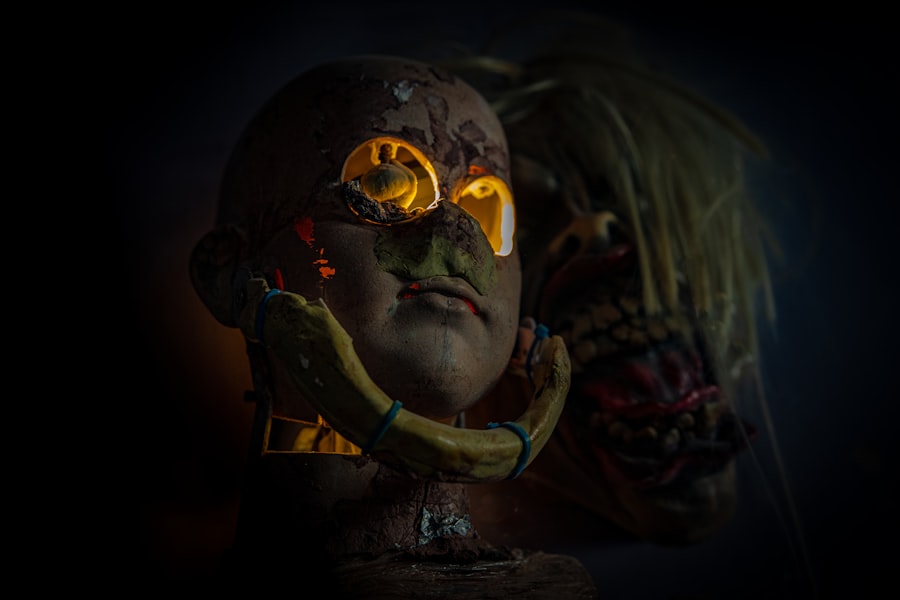
The “Zombie DNA Awakening” didn’t just create a biological threat; it shattered the very foundations of society. The systems that once provided order, safety, and comfort have crumbled, leaving you to navigate a world of anarchy and fear. Witnessing the rapid disintegration of established order is a stark reminder of how precarious civilization truly is.
The Breakdown of Law and Order: From Governance to Anarchy
The initial response from authorities was slow and, ultimately, futile. As the scale of the problem became apparent, governments dissolved, and law enforcement agencies were overwhelmed. You’ve seen the power vacuums, the rise of opportunistic individuals, and the descent into widespread lawlessness. The absence of a functioning legal system means relying on your own defenses and your own moral compass.
The Flight of the Elite: Abandonment and Desperation
When faced with an insurmountable threat, the instinct for self-preservation often prevails, regardless of one’s position. You likely witnessed the hurried evacuations, the desperate attempts by those with resources to escape, leaving the majority to fend for themselves. This abandonment left many communities vulnerable and without leadership.
The Rise of Warlords and Scavengers: A New Hierarchy of Fear
In the absence of legitimate authority, new power structures emerge, often based on brute force and intimidation. You’ve likely encountered individuals and groups who prey on the weak, hoarding resources and enforcing their own brutal laws. Survival often means avoiding not only the reanimated but also the desperate and opportunistic living.
Resource Scarcity and the Struggle for Survival: The Essentials Become Luxuries
The familiar conveniences you once took for granted are now luxuries, if they exist at all. Food, water, medicine – these basic necessities have become the currency of survival, leading to desperate measures and inherent conflict. You understand the value of every canned good, every drop of clean water, every functioning piece of equipment.
The Collapse of Supply Chains: Empty Shelves and Barricaded Stores
The interconnected global economy has been severed. Factories are silent, transportation networks are inoperable, and the well-stocked shelves of supermarkets are now either empty or perilous hunting grounds. You’ve likely witnessed the desperation that leads people to risk their lives for basic provisions.
The Emergence of Localized Economies: Barter and Trust
In the absence of widespread currency and institutions, localized economies have emerged, often based on barter and the fragile foundation of trust. You might find yourself trading skills, possessions, or scavenged goods for essential survival items. This often involves fraught negotiations and careful assessment of the other party’s intentions.
Adaptation and Resilience: Your Fight for the Future

The “Zombie DNA Awakening” has forced you to adapt, to become something more than you were. It has exposed your vulnerabilities but also, perhaps, your latent strengths. The fight for survival is not just about immediate safety; it’s about finding a way to persevere in this changed world.
Building Defenses: Fortifying Your Sanctuary
Your immediate priority has likely been securing a safe haven. This involves fortifying your living space, establishing rudimentary defenses, and learning to be constantly vigilant. You’ve become acutely aware of the importance of security and the constant need for preparedness.
Reinforcing Structures: From Doors to Walls
You’ve likely spent countless hours reinforcing doors and windows, perhaps even constructing makeshift barricades. The fragility of your surroundings has become undeniably clear, and every weak point represents a potential breach.
Establishing Early Warning Systems: Listening for Danger
You’ve learned to rely on your senses, to listen for the telltale sounds of approaching reanimated or hostile survivors. This might involve setting up simple tripwires, using makeshift alarms, or simply developing an acute awareness of your surroundings.
Scavenging and Resourcefulness: Making Do with What You Have
The ability to find and utilize resources has become paramount. You’ve honed your scavenging skills, learning to identify potential sources of food, water, medicine, and useful equipment. Resourcefulness is no longer a virtue; it’s a prerequisite for survival.
Identifying High-Value Locations: Grocery Stores to Pharmacies
You’ve likely developed a mental map of potential scavenging locations, weighing the risks against the potential rewards. While once mundane, grocery stores and pharmacies are now high-stakes environments.
The Art of Improvised Tools and Weapons: Necessity as the Mother of Invention
You’ve likely discovered the necessity of improvisation. Simple materials can be fashioned into useful tools and weapons. Duct tape and ingenuity have become your allies. You’ve learned that even seemingly useless items can have a critical application in a survival scenario.
Recent studies have sparked interest in the potential implications of what happens when zombie DNA wakes up, raising questions about the boundaries of genetic science and the mysteries of ancient pathogens. For a deeper understanding of this intriguing topic, you can explore a related article that delves into the science behind dormant DNA and its possible effects on modern biology. This article provides insights into the mechanisms that could lead to the reactivation of such genetic material and the consequences it may have for ecosystems and human health. To read more about this fascinating subject, visit this article.
The Lingering Questions: Hope or Despair in the Undead Dawn?
| Effect | Outcome |
|---|---|
| Increased aggression | Heightened hostility and violent behavior |
| Loss of cognitive function | Decreased mental capacity and reasoning abilities |
| Physical decay | Deterioration of bodily tissues and organs |
| Heightened sense of smell | Increased olfactory perception |
| Enhanced physical strength | Increased muscular power and endurance |
Despite your efforts to survive, the “Zombie DNA Awakening” leaves you with a constant undercurrent of uncertainty. What does the future hold? Is there a glimmer of hope, or are you merely delaying the inevitable? You are left with the profound and terrifying unknown.
The Future of Humanity: A Grim Outlook or a New Beginning?
The long-term survival of your species is a question that weighs heavily. Will humanity be able to adapt, to rebuild, or are you simply a dying ember in a world consumed by the undead? The path forward is shrouded in uncertainty, with no clear indication of whether a new beginning awaits.
The Potential for a Cure or a Vaccine: A Faint Hope?
The scientific community, however fractured, continues to search for a solution. The possibility of a cure or a vaccine, however remote, represents the only tangible hope for a return to some semblance of normalcy. You cling to this faint possibility, even as the grim reality of your daily existence threatens to extinguish it.
The Evolution of the Undead: A Constant Threat?
You also face the unsettling possibility that the reanimated themselves might evolve, becoming more dangerous, more adaptive. The current understanding of their capabilities is fluid, and the idea of further mutation or adaptation is a chilling prospect you cannot ignore.
The Psychological Toll: The Erosion of the Human Spirit
Beyond the physical threats, the constant fear, loss, and exposure to the grotesque have a profound psychological impact. You witness the erosion of the human spirit, the descent into despair or hardened cynicism. Maintaining your own mental fortitude is as critical as securing your physical safety. You’ve seen the vacant stares in the eyes of fellow survivors, mirroring the hollow gaze of the reanimated.
The Struggle for Morality: When Survival Becomes Paramount
In a world where survival is the ultimate goal, traditional moral boundaries can become blurred. You are forced to make difficult choices, to confront situations that challenge your very humanity. The question of what you are willing to do to survive is a constant, internal conflict.
The Search for Meaning: Finding Purpose in a Dying World
Amidst the devastation, you search for meaning, for a reason to continue fighting. This might come from protecting loved ones, contributing to a small community of survivors, or simply holding onto the memory of the world that was lost. Your resilience is tested not only by external threats but by the internal void that this new reality creates. You are a survivor, a witness to the unimaginable, and the future, whatever it may hold, rests on your ability to endure.
FAQs
What is zombie DNA?
Zombie DNA refers to the hypothetical genetic material that would be present in a reanimated corpse or undead creature. It is often associated with the concept of zombies in popular culture, where a virus or other agent reanimates the dead.
Can zombie DNA actually “wake up”?
No, zombie DNA is purely a fictional concept and does not exist in reality. The idea of zombie DNA “waking up” is purely speculative and not based on scientific evidence.
What would happen if zombie DNA were to “wake up”?
Since zombie DNA is not real, there is no scientific basis for predicting what would happen if it were to “wake up.” Any speculation about the potential consequences would be purely fictional and not grounded in scientific fact.
Is there any scientific basis for the concept of reanimated corpses or zombies?
No, the concept of reanimated corpses or zombies as depicted in popular culture is purely fictional and not supported by scientific evidence. While there are real-world phenomena such as decomposition and certain diseases that can affect behavior, they do not align with the fictional portrayal of zombies.
What are some real-world applications of DNA research?
DNA research has numerous real-world applications, including forensic science, medical diagnostics, genetic engineering, and evolutionary biology. It has also contributed to advancements in agriculture, conservation, and personalized medicine.