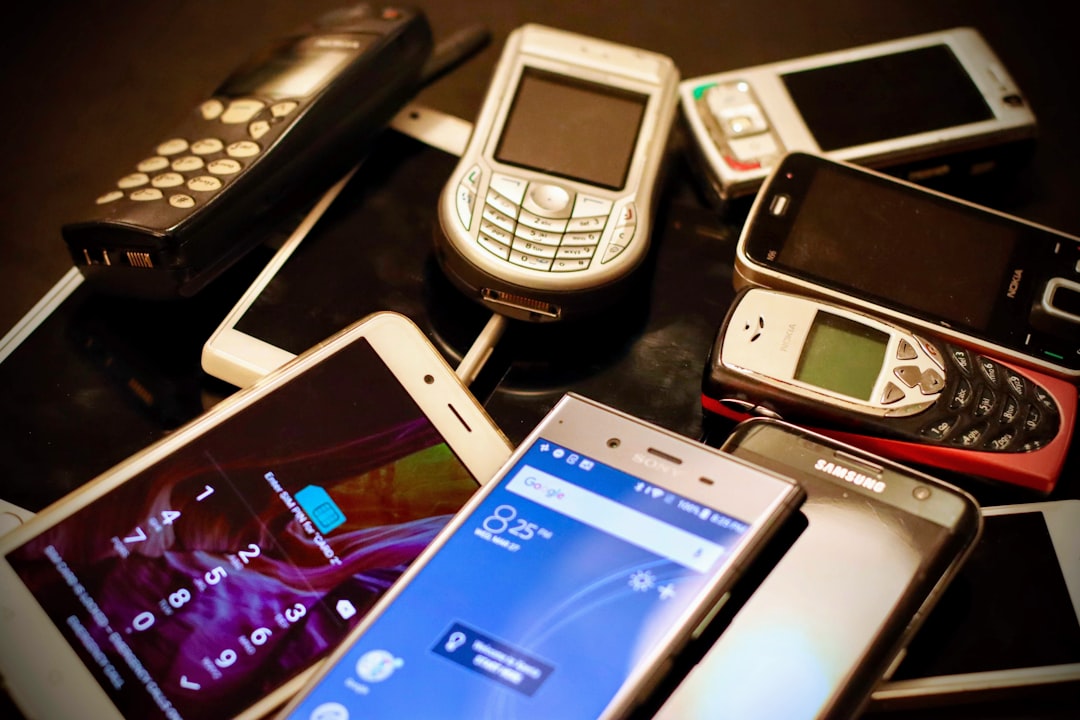
You hold a small, rectangular device in your hand. With a few taps and swipes, you can speak to someone across the country, send them a picture instantly, or even access a world of information. This seemingly magical feat is powered by wireless phone communication, a marvel of modern engineering that has fundamentally reshaped how you connect with the world. But have you ever stopped to wonder how it all works? It’s not magic; it’s a sophisticated interplay of radio waves, complex networks, and clever technology.
This article will guide you through the fascinating journey of your wireless phone call, from the moment you press “send” to the point where your voice reaches its intended destination. We’ll break down the core principles, explore the technology that makes it possible, and illuminate the invisible pathways your communication traverses. Prepare to demystify the miracle in your pocket.
At its heart, your wireless phone isn’t much different from a very advanced walkie-talkie. It’s designed to send and receive signals, but instead of simply broadcasting to a nearby device, it communicates with a vast, interconnected network.
The Role of Radio Waves
The Electromagnetic Spectrum
You’re probably familiar with the concept of radio waves from listening to music on your car radio. These are a form of electromagnetic radiation, just like visible light, X-rays, and microwaves. They travel at the speed of light and can carry information. Your phone utilizes specific frequencies within the electromagnetic spectrum allocated for mobile communication. These frequencies are a precious resource, carefully managed by governments and regulatory bodies to prevent interference and ensure efficient use.
Frequency Bands and Their Purpose
Different frequency bands are used for different purposes in wireless communication. Lower frequencies, for instance, can travel further and penetrate obstacles like buildings more effectively, making them ideal for wider coverage. Higher frequencies, on the other hand, can carry more data, which is crucial for faster internet speeds and richer multimedia experiences. Think of it like different lanes on a highway: some are for long-haul trucks (low frequencies, good range), while others are for sports cars (high frequencies, high speed). Your phone seamlessly switches between these bands depending on the available network and the type of communication you’re engaged in.
Converting Your Voice into Digital Signals
Analog-to-Digital Conversion (ADC)
Your voice, as it emerges from your vocal cords, is an analog signal – a continuous wave of varying pressure. However, digital devices, including your phone and the network infrastructure, operate on digital signals – discrete packets of information represented by ones and zeros. Therefore, the first crucial step inside your phone is to convert your analog voice into a digital format. This is achieved by an Analog-to-Digital Converter (ADC). The ADC samples your voice signal at a very high rate, essentially taking thousands of snapshots per second, and translates these snapshots into binary code.
Digital Signal Processing (DSP)
Once your voice is digitized, it undergoes further processing by a Digital Signal Processor (DSP). This powerful component within your phone is responsible for a multitude of tasks. It compresses the digital voice data to make it more efficient for transmission, encrypts it for security, and applies various algorithms to enhance audio quality, reduce background noise, and ensure clarity. Without DSP, your calls would be much noisier and less intelligible.
Modulating the Signal for Transmission
Amplitude Modulation (AM) and Frequency Modulation (FM)
To send these digital signals out into the air as radio waves, they need to be “modulated.” Modulation is the process of encoding information onto a carrier wave. While your car radio might use AM or FM for broadcasting, mobile phones employ more complex modulation schemes, such as Quadrature Amplitude Modulation (QAM) and Orthogonal Frequency-Division Multiplexing (OFDM). These advanced techniques allow for higher data rates and more robust signal transmission, especially in challenging environments with interference. The DSP manipulates the carrier wave’s amplitude and phase (or frequency, in some schemes) to represent the binary data of your voice.
Wireless communication has revolutionized the way phones connect and interact, enabling seamless data transfer and voice calls without the need for physical connections. For a deeper understanding of the technologies behind this phenomenon, you can explore the article on Freaky Science that delves into the principles of wireless communication and its impact on modern devices. To read more, visit Freaky Science.
The Network: Your Invisible Highway System
Your phone doesn’t directly communicate with another phone across the country. Instead, it connects to a sophisticated network of base stations, cell towers, and switching centers that act as an elaborate highway system for your wireless communication.
The Role of the Base Station (Cell Tower)
Connecting Your Phone to the Network
The most visible part of the wireless network to you is the cell tower. Each cell tower is equipped with antennas and a base station that acts as a local hub. When you make a call or access data, your phone searches for the strongest signal from the nearest available base station. This base station is your initial gateway into the wider network. It receives the modulated radio waves from your phone, demodulates them, and then forwards the digital information to the appropriate destination.
Cellular Technology and Hand-offs
The Concept of Cells
The term “cellular” in “cellular phone” refers to the division of geographic areas into smaller regions called “cells.” Each cell is served by a base station. As you move from one cell to another, your phone needs to seamlessly transfer its connection from the base station of the old cell to the base station of the new cell. This process is called a “handoff” or “handover.” It’s a complex procedure that happens in the background without you even noticing, ensuring that your call or data session remains uninterrupted.
Handoff Mechanisms
The handoff process involves your phone continuously monitoring the signal strength from neighboring base stations. When the signal from your current base station weakens and a neighboring one becomes stronger, the network initiates a handoff. This involves establishing a connection with the new base station before disconnecting from the old one, ensuring a smooth transition. The sophistication of these handoff mechanisms is a testament to the engineering that keeps your conversations flowing as you travel.
From Base Station to the Core Network: The Backbone of Communication

Once your signal leaves the local base station, it enters the core network, a vast infrastructure that routes your communication to its final destination, whether it’s another mobile phone, a landline, or the internet.
The Mobile Switching Center (MSC)
Routing Your Calls
The Mobile Switching Center (MSC) is the central hub of the cellular network. It acts like a sophisticated telephone exchange, directing your calls to the correct recipient. When your phone’s signal reaches the base station, it’s forwarded to an MSC. The MSC then consults databases to determine the location of the intended recipient and routes the call accordingly. If you’re calling another mobile phone on the same network, the MSC will connect you through the appropriate switching infrastructure. If you’re calling a landline, it will connect to the public switched telephone network (PSTN).
Signaling and Control Channels
Managing Network Traffic
Beyond the channels used for carrying your actual voice or data (known as traffic channels), the network also uses separate signaling and control channels. These channels are crucial for managing the network itself. They are used for tasks such as establishing calls, authenticating users, managing handoffs, and delivering network status updates. Think of them as the traffic controllers and administrators of the wireless highway, ensuring everything runs smoothly and efficiently.
Reaching Your Destination: The Final Leg of the Journey
The journey of your wireless communication doesn’t end at the core network. Depending on who you’re trying to reach, the signal might travel through various networks to reach its final destination.
Interconnection with Other Networks
The Public Switched Telephone Network (PSTN)
When you call a traditional landline phone, your digital signal, after being processed by the MSC, is converted back into an analog signal to travel over the Public Switched Telephone Network (PSTN). The PSTN is the global network of copper wires and switches that has been the backbone of telephone communication for decades. This interconnection allows your wireless phone to communicate with virtually any telephone on the planet.
The Internet Protocol (IP) Network
Data Transmission and VoIP
With the rise of smartphones and the increasing demand for data services, wireless communication has become increasingly integrated with the internet. Your phone now uses the Internet Protocol (IP) to transmit data. This means that voice calls themselves can be transmitted as data packets over the internet, a technology known as Voice over IP (VoIP). Services like WhatsApp calls, FaceTime audio, and even some traditional mobile carrier calls utilize IP for their communication, offering potentially higher quality and more features.
Wireless communication in phones relies on various technologies that enable seamless connectivity. For an in-depth exploration of how these devices transmit data without physical connections, you can read a related article that delves into the intricacies of wireless communication systems. Understanding these principles is essential for appreciating the advancements in mobile technology. To learn more about this fascinating topic, check out this article.
The Return Journey: Receiving Communication
“`html
| Communication Method | Frequency Range | Data Transfer Rate |
|---|---|---|
| Bluetooth | 2.4 – 2.485 GHz | 1 – 3 Mbps |
| Wi-Fi | 2.4 GHz, 5 GHz | up to 3.5 Gbps |
| Cellular (4G) | 700 MHz – 2.5 GHz | 100 Mbps – 1 Gbps |
| Cellular (5G) | 24 GHz – 100 GHz | up to 10 Gbps |
“`
The process of receiving a wireless communication is essentially the reverse of sending one.
Demodulation and Digital-to-Analog Conversion
Reconstructing Your Voice
When a call or message is destined for your phone, it travels through the network and is eventually routed to the base station nearest to you. The base station transmits the radio waves containing the digital information. Your phone receives these radio waves and uses its receiver to demodulate them, extracting the digital signal. This digital signal is then processed by the Digital Signal Processor (DSP) to decode the information. Finally, the Digital-to-Analog Converter (DAC) converts the digital audio signal back into an analog wave that your phone’s speaker can reproduce as sound, allowing you to hear the voice of the person you’re communicating with.
Network Synchronization and Timing
Ensuring Seamless Communication
Throughout this entire process, precise timing and synchronization are paramount. The base stations, core network elements, and your phone all need to be synchronized to ensure that data packets arrive in the correct order and at the right time. This is achieved through complex timing systems that rely on atomic clocks and sophisticated protocols, guaranteeing that your conversations are seamless and without gaps.
The Evolution of Wireless Technology
From 1G to 5G and Beyond
You’ve witnessed the incredible evolution of wireless phone communication firsthand. We started with analog signals and slow data speeds in the early days of 1G. Then came the digital revolution with 2G, bringing text messaging. 3G ushered in the era of mobile internet, and 4G (LTE) made mobile data speeds comparable to wired connections. Now, you’re experiencing the transformative power of 5G, offering even faster speeds, lower latency, and the ability to connect a massive number of devices simultaneously. This relentless innovation continues, with research into future generations promising even more capabilities, such as enhanced augmented reality experiences and truly ubiquitous connectivity.
In conclusion, the seemingly effortless way you communicate wirelessly is the result of a complex, interconnected system that has been meticulously designed and continuously improved. From the microscopic components within your phone to the vast infrastructure of base stations and core networks, every element plays a vital role in bringing your voice and data across the airwaves. The next time you pick up your phone, take a moment to appreciate the invisible symphony of technology that makes it all possible. You are holding a testament to human ingenuity, a device that has shrunk the world and empowered you to connect in ways that were once unimaginable.
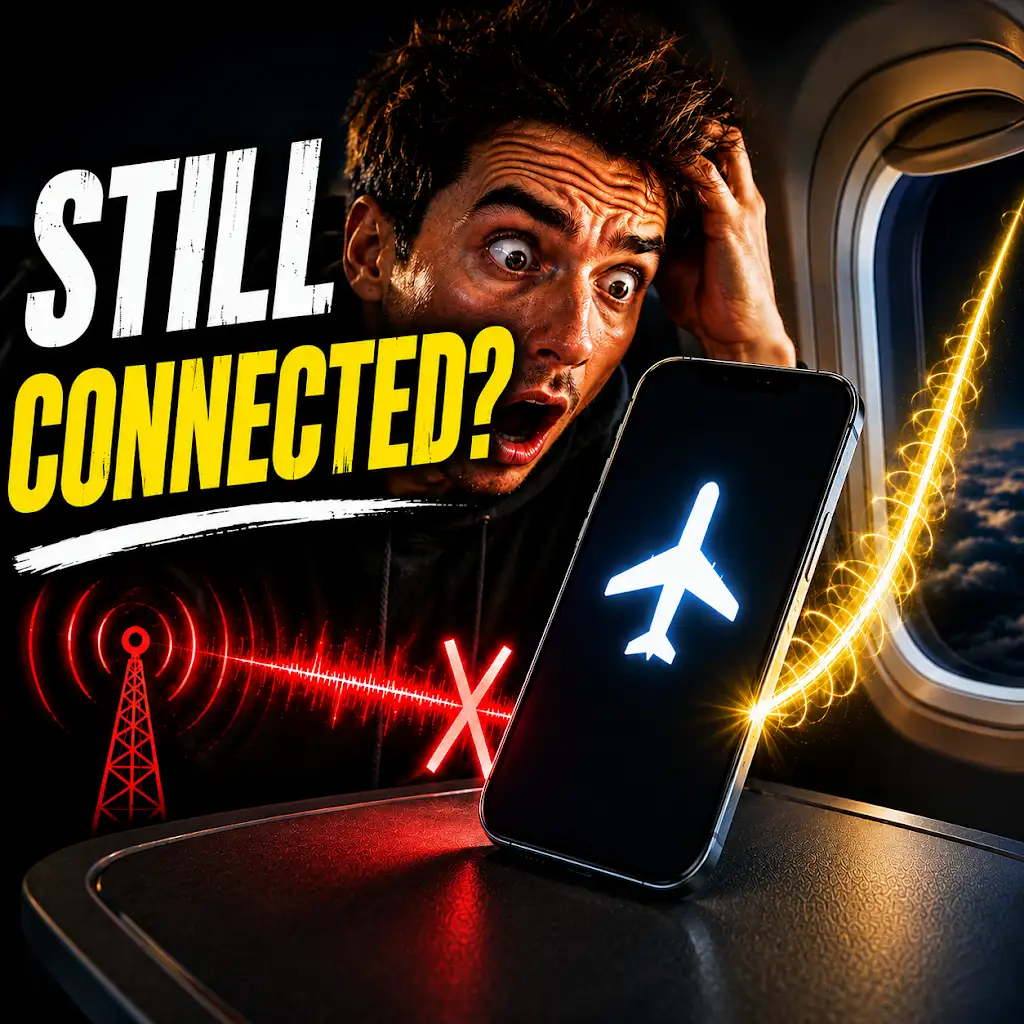
Your Phone Can Still Know Where You Are in Airplane Mode
FAQs
1. How do phones communicate wirelessly?
Phones communicate wirelessly through radio waves, which are transmitted and received by the phone’s antenna. These radio waves carry the information from the phone to the nearest cell tower, and then to the recipient’s phone.
2. What technology enables wireless communication between phones?
Wireless communication between phones is enabled by various technologies such as GSM, CDMA, LTE, and 5G. These technologies allow for the transmission of voice, data, and multimedia over wireless networks.
3. What is the role of cell towers in wireless phone communication?
Cell towers play a crucial role in wireless phone communication by acting as the intermediary between phones. They receive the radio waves from the transmitting phone, and then relay the information to the recipient’s phone or to the network infrastructure.
4. How does a phone switch between different cell towers during a call?
When a phone is in motion, it switches between different cell towers to maintain a continuous connection. This process, known as handover, is facilitated by the phone’s ability to detect the signal strength of nearby towers and seamlessly transition to the one with the strongest signal.
5. What are the security measures in place for wireless phone communication?
Wireless phone communication is secured through encryption techniques such as A5/1 and A5/3, which protect the confidentiality and integrity of the transmitted data. Additionally, network operators implement security protocols to prevent unauthorized access and eavesdropping on phone conversations.