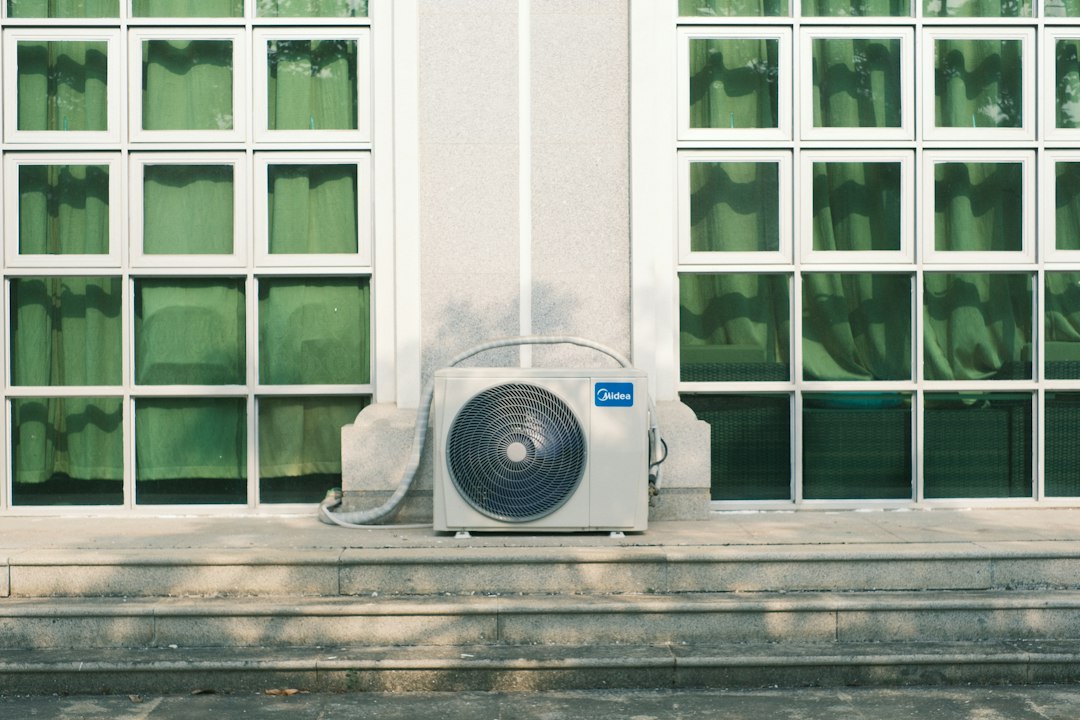
You step outside, anticipating the cool relief your air conditioning system usually provides on a sweltering day. Instead, you’re met with a blast of warm, stale air emanating from your outdoor AC unit. This is a frustrating, and often alarming, situation. Your entire home’s comfort hinges on this crucial piece of equipment, and when it malfunctions, your summer can quickly turn into a sticky, uncomfortable ordeal. Understanding the common reasons why your outdoor AC unit is blowing warm air is the first step toward getting your cool oasis back.
Your air conditioner is a complex system, involving both an indoor and an outdoor unit, working in tandem to transfer heat from your home to the outside. When that transfer process falters, the symptoms are unmistakable: warm air where there should be cool. Don’t panic; many of these issues are surprisingly common and often fixable with a little troubleshooting and, if necessary, professional attention. Let’s delve into the most frequent culprits behind this unwelcome phenomenon.
Electrical Glitches and Power Supply Issues
The heart of any mechanical system is its power source, and your air conditioner is no exception. When your outdoor unit fails to cool, a common starting point for diagnosis is to examine its electrical connections and power supply. Even seemingly minor electrical problems can lead to significant operational failures, including the baffling symptom of blowing warm air. It’s important to approach electrical checks with caution and, if you’re not comfortable working with electricity, always enlist the help of a qualified electrician or HVAC technician.
Tripped Circuit Breakers and Blown Fuses
The most straightforward electrical issue to check is the circuit breaker or fuse that powers your outdoor AC unit. Like any appliance, your AC can sometimes draw too much power, causing the breaker to trip or the fuse to blow as a safety mechanism. This prevents potential damage to the unit and your home’s electrical system.
When you notice your AC blowing warm air, your first action should be to locate your home’s electrical panel. You’ll be looking for a breaker that is in the “off” position or a fuse that appears burnt or discolored. If a breaker is tripped, you can attempt to reset it by flipping it firmly to the “off” position and then back to the “on” position. If the breaker trips again immediately or repeatedly, this indicates a more significant electrical problem that requires professional diagnosis. Similarly, if you find a blown fuse, it should be replaced with one of the exact same amperage rating. However, if the new fuse blows as well, this is another sign of an underlying electrical fault that demands expert intervention. Don’t repeatedly try to reset a tripped breaker or replace blown fuses, as this can cause further damage to the unit.
Issues with the Capacitor
A vital component of your outdoor AC unit is the capacitor. Capacitors are essential for starting the compressor and fan motors. Think of them as a temporary power boost that helps these components get going. If a capacitor is failing or has completely failed, the compressor or fan motor may not have enough power to start or run correctly, leading to the unit blowing warm air.
Diagnosing a faulty capacitor can be a bit more involved. You might notice that the fan on your outdoor unit isn’t spinning at all, or it might be spinning intermittently or with great difficulty. Sometimes, you might hear a humming sound from the unit, but it doesn’t kick into full operation. Capacitors store electrical energy, and even when the unit is turned off, they can hold a dangerous charge. Therefore, it’s crucial to discharge them safely before attempting any inspection or replacement. Many HVAC professionals recommend leaving capacitor checks and replacements to them due to the electrical risks involved. However, if you are experienced with electrical work and have taken the necessary safety precautions, you might visually inspect the capacitor for any signs of bulging, leaking, or physical damage. A multimeter can also be used to test a capacitor’s functionality, but this requires a good understanding of electrical testing procedures.
Wiring Problems and Loose Connections
Over time, the wiring within your outdoor AC unit can become loose, corroded, or damaged due to weather exposure or vibrations. These loose connections can interrupt the flow of electricity to critical components like the compressor or the fan, preventing them from operating effectively. This directly translates to your unit blowing warm air instead of cool.
Inspecting the wiring requires opening up the outdoor unit’s access panels. Again, safety is paramount. Ensure the power to the unit is completely shut off at the breaker box before proceeding. Look for any wires that appear frayed, burnt, or disconnected. Pay close attention to the terminals where wires connect to the various components. If you notice any signs of corrosion (a powdery, greenish-blue substance), it’s a good indicator that the connection is poor and needs to be cleaned and secured. If you find a loose wire, carefully reconnect it to its terminal. However, if the wiring appears significantly damaged or you are unsure about any of the connections, it’s best to call a professional. They have the expertise and tools to properly diagnose and repair electrical faults without risking further damage or personal injury.
If you’re experiencing issues with your outdoor AC unit blowing warm air, it’s essential to understand the potential causes and solutions. A related article that delves deeper into this topic can provide valuable insights and troubleshooting tips. You can read more about it in this informative piece: Why is the Outdoor AC Unit Blowing Warm Air?. This resource will help you identify common problems and guide you through the necessary steps to restore your cooling system’s efficiency.
Refrigerant Leaks and Low Levels

Refrigerant, often referred to as Freon (though that’s a brand name), is the lifeblood of your air conditioning system. It’s the substance that circulates through the coils, absorbing heat from your home and releasing it outside. If your system has a refrigerant leak, the amount of refrigerant can drop below the optimal level, significantly impacting its ability to cool. This is a very common reason for your outdoor AC unit blowing warm air.
The Role of Refrigerant in Cooling
To understand why low refrigerant causes warm air, you need a basic grasp of how an AC works. In the indoor coil (the evaporator), the refrigerant is a low-pressure liquid that absorbs heat from the air passing over it. As it absorbs heat, it evaporates into a low-pressure gas. This gas then travels to the outdoor unit (the condenser). In the outdoor unit, a compressor pressurizes this gas, turning it into a high-pressure, high-temperature gas. This hot gas then flows through the outdoor coils, where it releases heat to the outside air, condensing back into a high-pressure liquid. This liquid then travels back inside to repeat the cycle. If there isn’t enough refrigerant, this entire heat transfer process is compromised. The refrigerant can’t absorb enough heat indoors, and it can’t effectively release heat outdoors, resulting in warm air blowing from your vents.
Identifying Signs of a Refrigerant Leak
Refrigerant leaks aren’t always obvious. You won’t see a gushing stream of liquid. However, there are several indicators to look out for. One of the most common signs is ice buildup on the refrigerant lines leading to or from your outdoor unit, or on the indoor evaporator coil. This happens because the refrigerant is struggling to stay in its liquid state, causing condensation to freeze. Another sign is a hissing or bubbling sound coming from the outdoor unit or the refrigerant lines, which can indicate escaping refrigerant. You might also notice that your AC is running longer than usual but not cooling effectively, and your energy bills are climbing. Some refrigerants have a distinct, sweet, or chemical odor when leaking, though this isn’t always noticeable.
The Importance of Professional Leak Detection and Repair
Attempting to find and fix refrigerant leaks yourself is strongly discouraged for several reasons. Firstly, refrigerants are regulated substances and can be harmful to your health and the environment if not handled properly. Secondly, pinpointing the exact location of a small leak can be extremely difficult without specialized equipment. HVAC technicians use electronic leak detectors, UV dye, and soap solutions to locate even the smallest breaches in the system. Once a leak is found, it needs to be repaired by brazing or soldering the damaged area. After the repair, the system must be evacuated of all air and moisture, and then recharged with the correct type and amount of refrigerant according to the manufacturer’s specifications. This process requires specialized tools and knowledge, making it a job best left to the professionals. Simply adding more refrigerant without fixing the leak is a temporary and ultimately harmful solution, as the refrigerant will continue to escape, and it is also illegal to vent refrigerants into the atmosphere.
Blocked Airflow and Obstructions
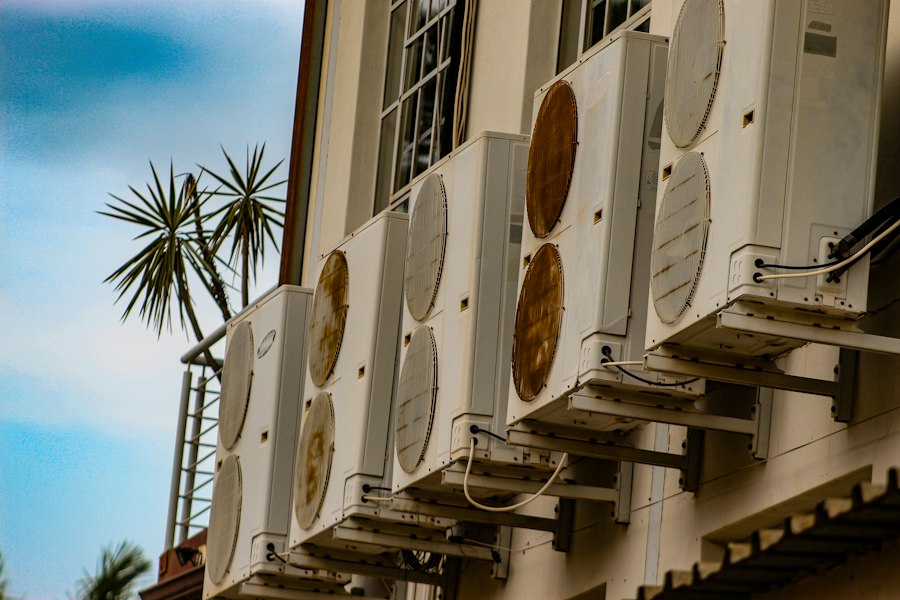
Your air conditioning system relies on unobstructed airflow to function efficiently. Both the indoor and outdoor units have components that need air to pass over them to facilitate heat exchange. When this airflow is restricted, the system’s ability to cool is severely hampered, often leading to the outdoor unit blowing warm air.
Dirty Air Filters: The Usual Suspect
The most common cause of restricted airflow is a dirty air filter in your indoor unit. The air filter’s job is to capture dust, dirt, pollen, and other airborne particles, preventing them from entering your AC system and circulating through your home. As the filter becomes clogged with debris, it significantly reduces the volume of air that can pass through it. This not only makes your AC work harder but also starves the system of the necessary air volume for proper heat exchange.
If you’re experiencing warm air, checking your air filter should be one of your very first troubleshooting steps. Locate your indoor air handler unit (often in a closet, attic, or basement) and find the filter slot. Most filters are easy to slide out. Hold it up to a light source. If you can’t see light through it, or if it’s visibly caked with dirt, it’s time for a replacement. It’s generally recommended to replace or clean your air filter every 1-3 months, depending on your home environment (pets, allergies, etc.). Using a clean filter is one of the simplest yet most effective ways to maintain your AC’s performance and prevent issues like blowing warm air.
Obstructions Around the Outdoor Unit
Your outdoor AC unit, also known as the condenser unit, needs a clear space around it to dissipate heat effectively. The fan inside the unit pulls air through the condenser coils to release the heat absorbed from your home. If this area is blocked, the unit can’t expel heat efficiently, causing it to overheat and blow warm air.
Walk around your outdoor unit and look for any debris, vegetation, or other obstructions that might be impeding airflow. This can include overgrown shrubs, weeds, leaves, branches, fences, or even stored items. The general recommendation is to maintain at least a 2-foot clearance around the entire unit. Trim back any plants that are encroaching on this space. Remove any leaves, dirt, or other debris that has accumulated on or around the unit. You can carefully use a broom or hose to clean the fins of the condenser coil. Be gentle when cleaning the fins, as they can be easily bent. If you notice significant damage to the fins, it might require professional attention. Ensuring the outdoor unit has ample space to breathe is crucial for its cooling capabilities.
Internal Airflow Blockages
Beyond the air filter and external obstructions, internal blockages within the AC system can also cause airflow problems. This could involve a dirty evaporator coil (the indoor coil that absorbs heat) or a blocked condensate drain line. A clogged evaporator coil has the same effect as a dirty air filter – it restricts the amount of air that can pass over it and absorb heat. A blocked condensate drain line can cause water to back up, which can trigger a safety switch that shuts down the system to prevent water damage.
If your indoor unit has accessible panels, you might be able to visually inspect the evaporator coil. If it looks grimy and dusty, it’s likely contributing to the problem. Cleaning the evaporator coil is a more involved process and often requires specialized cleaning solutions and tools. Similarly, the condensate drain line can become clogged with algae, mold, or debris. If you can locate the drain line (usually a PVC pipe exiting your indoor unit), you might be able to clear minor clogs using a wet/dry vacuum or by gently flushing it with a mixture of water and vinegar. However, for persistent clogs or if you are uncomfortable with this task, it’s best to call a professional to prevent potential water damage.
Component Failures and Mechanical Issues
Even with proper electrical supply and clear airflow, the individual components within your outdoor AC unit can fail due to wear and tear, age, or manufacturing defects. These mechanical failures can directly lead to the unit blowing warm air. Identifying these issues often requires a closer inspection of the unit’s internal workings.
The Compressor: The Heart of the System
The compressor is arguably the most critical component of your air conditioning system. It’s the “heart” that pumps the refrigerant through the system, enabling the entire cooling cycle. If the compressor fails or is malfunctioning, your AC will be unable to cool your home.
Signs of a failing compressor can include unusual noises coming from the outdoor unit, such as grinding, rattling, or loud banging sounds. You might also notice that the outdoor unit is running, but the fan is spinning and the compressor isn’t engaging, or it’s cycling on and off rapidly (short-cycling). A compressor failure can be caused by a variety of factors, including electrical issues, lack of lubrication, or refrigerant leaks that have caused it to overheat. Unfortunately, compressor replacement is one of the most expensive repairs for an air conditioning system. It’s a job that absolutely requires a qualified HVAC technician who can accurately diagnose the problem and safely replace the unit.
Fan Motor Problems
Your outdoor AC unit has a fan that plays a crucial role in dissipating heat. This fan pulls air through the condenser coils and expels it outside. If the fan motor is failing or has burned out, the unit will be unable to release heat effectively, leading to warm air being blown.
You can usually tell if the fan motor is the issue if you can see that the compressor is running (you might hear its distinct hum), but the fan on the outdoor unit is not spinning, or it’s spinning very slowly or erratically. Sometimes, the fan might try to start but then stop, often accompanied by a humming sound. If the fan motor has burned out, it will likely need to be replaced. This is a task that most homeowners can’t perform themselves, as it involves electrical connections and mechanical mounting. An HVAC technician will be able to diagnose a faulty fan motor and replace it, restoring proper airflow and cooling.
Other Internal Component Failures
Beyond the compressor and fan motor, other internal components can contribute to your AC blowing warm air. This can include issues with the start relay, run capacitor (though often categorized under electrical), or control boards. These parts are responsible for regulating the flow of electricity and signals to various parts of the unit.
If a start relay or control board fails, it can prevent the compressor or fan from receiving the necessary signals to operate correctly. For example, a faulty start relay might prevent the compressor from starting at all, even if it’s receiving power. A damaged control board could lead to erratic behavior of the entire unit. Diagnosing these intricate internal issues requires a deep understanding of the AC system’s electrical schematics and how the various components interact. Therefore, any suspected failure of these internal components should be addressed by a certified HVAC technician who can accurately pinpoint the faulty part and perform the necessary repairs.
If you’re puzzled by why your outdoor AC unit is blowing warm air, it might be helpful to explore related topics that delve into common HVAC issues. For instance, understanding the potential causes of this problem can lead to effective troubleshooting and maintenance strategies. You can find valuable insights in this article that discusses various factors affecting air conditioning performance. To learn more, check out this informative piece on HVAC systems that can help you diagnose and resolve your cooling concerns.
System Overload and Improper Sizing
| Possible Cause | Description | Common Symptoms | Suggested Action |
|---|---|---|---|
| Refrigerant Leak | Loss of refrigerant reduces cooling efficiency. | Warm air from outdoor unit, hissing sounds, ice buildup on coils. | Call a professional to locate and repair leak, then recharge refrigerant. |
| Dirty Condenser Coils | Debris and dirt reduce heat exchange efficiency. | Outdoor unit blowing warm air, unit overheating, higher energy bills. | Clean coils regularly to maintain airflow and cooling performance. |
| Faulty Compressor | Compressor failure prevents refrigerant circulation. | Warm air output, unusual noises, unit not starting properly. | Professional diagnosis and possible compressor replacement needed. |
| Electrical Issues | Wiring or capacitor problems affect unit operation. | Unit fails to start, intermittent operation, warm air blowing. | Inspect electrical components and replace faulty parts. |
| Thermostat Problems | Incorrect temperature readings cause improper cooling cycles. | Unit runs but does not cool effectively, warm air output. | Check and recalibrate or replace thermostat as needed. |
| Blocked Airflow | Obstructions around the unit reduce airflow and cooling. | Warm air blowing, unit working harder, increased energy use. | Clear debris, plants, or objects around the outdoor unit. |
Sometimes, the reason your outdoor AC unit is blowing warm air isn’t necessarily a component failure or a simple blockage, but rather an issue with the system itself being overwhelmed or not being the right fit for your home. This is particularly relevant if the problem has developed over time or if you’ve recently had system work done.
The System is Overworked
An air conditioner is designed to cool a specific-sized space. If your home’s cooling needs have increased, or if the system is simply not powerful enough, it can become overworked. Factors contributing to this can include inadequate insulation in your home, leaky windows and doors, or even changes in your home’s usage (e.g., adding a new room or a significant number of heat-generating appliances). When the system is constantly running at its maximum capacity and still can’t maintain the desired temperature, it can lead to components overheating or not functioning optimally, eventually resulting in the symptom of blowing warm air.
If you notice your AC running constantly without effectively cooling, and your energy bills are higher than usual, your system might be overworked. It might be a sign that your AC is undersized for your home, or that your home’s energy efficiency has decreased. Addressing this might involve improving your home’s insulation, sealing air leaks, or even considering a system upgrade if the unit is truly too small for the space it’s intended to cool.
Incorrect System Sizing
The “size” of an air conditioner refers to its cooling capacity, typically measured in British Thermal Units (BTUs) or tons. If your AC unit is too small for your home, it will struggle to keep up on hot days, running continuously without ever reaching the set temperature. Conversely, an AC unit that is too large can also cause problems. While it might cool the house down quickly, it won’t run long enough to properly dehumidify the air, leaving your home feeling cool but clammy. Furthermore, a system that is too large can short-cycle (turn on and off frequently), which puts excessive wear and tear on the components, potentially leading to premature failure.
The process of correctly sizing an air conditioner is complex and involves calculating factors like the square footage of your home, climate, insulation levels, window efficiency, and even the number of occupants. If you suspect your system is improperly sized, it’s crucial to consult with an HVAC professional. They can perform a load calculation to determine the appropriate size of AC unit for your home and advise on whether a repair or a replacement is the best course of action. An improperly sized unit is not only inefficient but can also lead to discomfort and costly repairs down the line.
Recent Work and Incorrect Installation
If your outdoor AC unit has started blowing warm air shortly after recent maintenance or installation work, it’s a strong indicator that something may have gone wrong during that process. This could include incorrect refrigerant charging, improper wiring, or even a mistake in reconnecting components.
If you’ve had recent work done, the first step should be to contact the company or technician who performed the service. Politely explain the problem you’re experiencing and inquire if any of the work performed could be related. They should be willing to come back and inspect their work to ensure everything was done correctly. Common installation errors can include leaving air or moisture in the refrigerant lines, not properly sealing connections, or miscalibrating the thermostat. These are often easily rectified by experienced technicians who can identify and correct the installation error.
By understanding these common causes, you are better equipped to diagnose why your outdoor AC unit is blowing warm air. Remember, while some basic troubleshooting is within your reach, many issues require the expertise of a qualified HVAC professional. Don’t hesitate to call for help when you need it, ensuring your home stays cool and comfortable all summer long.
Your AC Blows Hot Air Outside. Is That Heat From Your Room?
FAQs
1. Why is my outdoor AC unit blowing warm air?
Outdoor AC units may blow warm air due to various reasons such as low refrigerant levels, dirty air filters, a malfunctioning compressor, or a blocked condenser unit.
2. How can I troubleshoot my outdoor AC unit blowing warm air?
You can troubleshoot your outdoor AC unit by checking the air filters, ensuring the thermostat is set correctly, inspecting the outdoor unit for any debris or blockages, and checking the refrigerant levels.
3. What should I do if my outdoor AC unit is blowing warm air?
If your outdoor AC unit is blowing warm air, you should first check the air filters and clean or replace them if necessary. If the issue persists, it is recommended to contact a professional HVAC technician for further diagnosis and repair.
4. Can low refrigerant cause the outdoor AC unit to blow warm air?
Yes, low refrigerant levels can cause the outdoor AC unit to blow warm air. If there is a refrigerant leak or insufficient refrigerant in the system, the AC unit may not be able to cool the air effectively.
5. How often should I have my outdoor AC unit serviced to prevent it from blowing warm air?
It is recommended to have your outdoor AC unit serviced at least once a year to prevent issues such as blowing warm air. Regular maintenance can help ensure that the unit is functioning properly and efficiently.