
The allure of the Instant Pot is undeniable. This multi-cooker has revolutionized kitchens, promising faster cooking times and simpler meal preparation. Its versatility, allowing for pressure cooking, slow cooking, steaming, and more, has made it a staple for many. However, when it comes to preserving food through canning, the Instant Pot presents a significant departure from time-tested and scientifically validated methods, and crucially, it introduces serious safety risks. This article will delve into why attempting to can food using an Instant Pot is a dangerous proposition, exploring the fundamental differences in pressure and temperature control, the inadequacy for achieving a true hermetic seal, and the potential for botulism, a deadly foodborne illness.
The Critical Difference: Pressure Cooker vs. Canner
The Instant Pot operates as a pressure cooker, and while it shares the term “pressure” with modern canning, the operational parameters and safety mechanisms are fundamentally distinct. Understanding these differences is paramount to grasping the risks involved in using an Instant Pot for canning.
Inconsistent and Uncontrolled Pressure
The primary function of a pressure cooker is to increase cooking speed by raising the internal temperature of the food. It achieves this by trapping steam, which builds pressure. While the Instant Pot can reach a specific pressure level, its design and purpose are not geared towards the sustained, uniform pressure required for safe canning. Traditional canners, whether stovetop pressure canners or water bath canners, are designed with specific pressure gauges and vent systems calibrated to maintain precise pressure for extended periods.
An Instant Pot’s pressure regulation is designed for cooking, where slight variations in pressure might not have critical food safety implications. However, for canning, these variations can be disastrous. The National Center for Home Food Preservation (NCHFP) and the USDA have established strict guidelines for canning, specifying precise pressure levels and processing times at those pressures. These guidelines are based on ensuring that the internal temperature of the food reaches a level high enough to destroy harmful microorganisms, including the spores of Clostridium botulinum. The Instant Pot’s pressure cycling, while effective for tenderizing meat or cooking beans, does not guarantee the consistent, controlled pressure needed to achieve and maintain these critical temperatures throughout the entire jar of food. The pressure can fluctuate, leading to under-processing, a scenario where dangerous bacteria are not eliminated.
Inadequate Temperature Attainment and Maintenance
The core principle of safe canning is achieving a temperature high enough for long enough to eliminate spoilage microorganisms and pathogens. For low-acid foods (like vegetables, meats, and poultry), this requires reaching and maintaining temperatures of 240°F (115.6°C) or higher. This temperature is only achievable under pressure. Pressure canners are designed to reach and maintain specific pressures that correspond to these required temperatures. For example, at 10 pounds per square inch (psi) of pressure, a pressure canner reaches approximately 240°F. At 15 psi, it reaches approximately 250°F.
The Instant Pot, while it uses pressure, operates within a different range and with different thermal characteristics. While it might reach a certain pressure, the heat distribution within the sealed environment of the Instant Pot, especially when jars are placed inside, is not designed for the uniform heating required for effective canning. The way steam circulates, or fails to circulate effectively around sealed jars, can lead to uneven heating. Some parts of the food in the jar might reach the required temperature, while others, particularly the center of the jar, might remain significantly cooler. This uneven heating is a critical flaw for canning safety, as it allows for the survival of heat-resistant spores. Furthermore, the cyclical nature of pressure in some Instant Pot models, designed to maintain a cooking temperature, is not the same as the steady, high-temperature processing required for sterilization. The heat might not penetrate the food within the jars sufficiently to kill all harmful bacteria and their spores.
When considering the safety and effectiveness of home canning, it’s important to understand the limitations of using appliances like the Instant Pot. While it may seem convenient, the Instant Pot does not reach the necessary temperatures and pressure levels required for safe canning, which can lead to food spoilage and health risks. For more information on this topic, you can read a related article that delves deeper into the reasons why using an Instant Pot for canning is not recommended. Check it out here: Why You Can’t Use Instant Pot for Canning.
The Illusion of a Hermetic Seal

A properly sealed jar is fundamental to successful and safe canning. It prevents recontamination of the food after processing. While an Instant Pot can create a vacuum and a seal that might appear intact, it is not the same rigorous, tested seal achieved through traditional canning methods.
Unreliable Sealing Mechanisms
Traditional canning relies on the vacuum seal formed by the metal lid contracting as it cools after being heated by the processed food. This process is facilitated by the canning jars and lids being specifically designed for this purpose and by the precise thermal processing. The canning lids have a sealing compound that melts and reforms upon cooling, creating an airtight barrier. The jars themselves are made of tempered glass designed to withstand the thermal stress of processing and the vacuum created by the seal.
When attempting to can in an Instant Pot, the canning jars are placed inside the pressure cooker pot, often with water. The pressure and heat generated in the Instant Pot may cause the lids to appear sealed after cooling. However, this seal is not guaranteed to be the robust, food-safe hermetic seal that traditional canning provides. The uneven heating and potentially inconsistent pressure can lead to a seal that is compromised, allowing air and microorganisms to enter the jar over time. This can result in spoilage and, more concerningly, the growth of pathogens like Clostridium botulinum in an anaerobic environment. There is no reliable way to test the integrity of these seals in an Instant Pot, unlike the “ping” sound of traditional lids or the visual inspection of a tight seal in water bath canning.
The Difference in Jar and Lid Stress
Canning jars and lids are engineered to withstand specific thermal conditions and the vacuum pressure created during the canning process. The rapid temperature fluctuations and the specific pressures involved in traditional canning are accounted for in their design. An Instant Pot, while a pressure cooker, does not subject the canning jars and lids to the same controlled and predictable thermal and pressure environment. This can lead to stress on the jars and lids in ways that are not anticipated by their manufacturers, potentially compromising their structural integrity and the effectiveness of the seal. The jars might not be heated uniformly, leading to uneven stress. The lids, subjected to the Instant Pot’s pressure cycles, might not achieve the proper setting of their sealing compound. The result is an increased risk of seal failure, even if it’s not immediately apparent.
The Specter of Botulism: An Unforgiving Risk
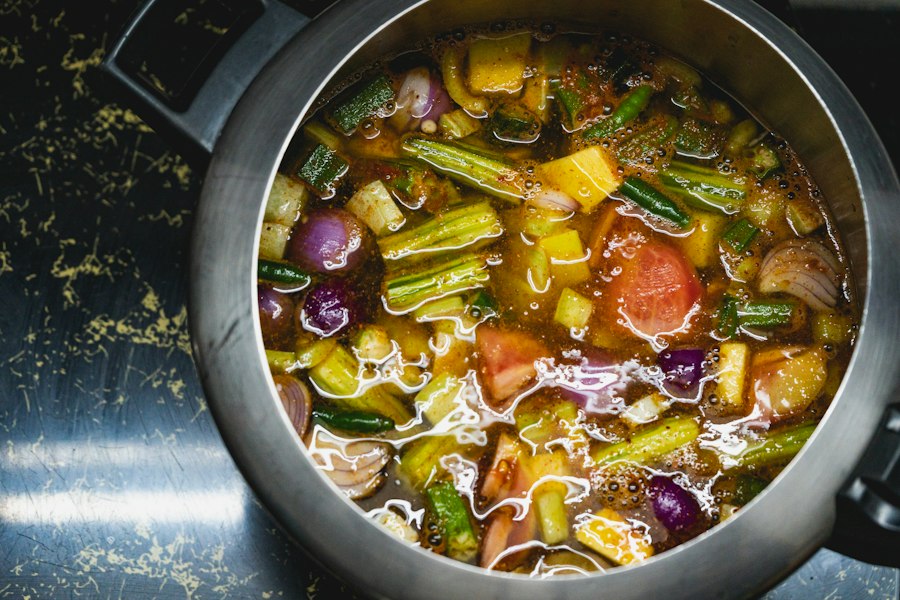
The most significant and life-threatening risk associated with improperly canning food, particularly low-acid foods, is the potential for botulism. This deadly foodborne illness is caused by toxins produced by the bacterium Clostridium botulinum.
Understanding Clostridium botulinum and Spore Survival
Clostridium botulinum is an anaerobic bacterium, meaning it thrives in environments without oxygen. Its spores are highly resistant to heat, and they can survive the temperatures achieved in standard cooking or even in an Instant Pot’s cooking cycles. For these spores to be destroyed, food must be processed at temperatures of 240°F (115.6°C) or higher for a sufficient duration. This is precisely what pressure canning achieves.
When low-acid foods are canned using methods that do not reach these critical temperatures and pressures, the spores of C. botulinum can survive. Once in the sealed jar, in an oxygen-free environment, these surviving spores can germinate, grow, and produce the potent botulinum toxin. This toxin is odorless, tasteless, and colorless, making it undetectable by sensory means. Ingestion of food contaminated with botulinum toxin can lead to paralysis and death if not treated promptly.
Why Instant Pots Fail to Eliminate Botulism Risk
The Instant Pot, as established, does not reliably achieve the sustained temperature and pressure necessary to destroy C. botulinum spores. The cooking cycles, while increasing internal temperature, do not guarantee the deep, consistent penetration of heat required to sterilize the entire contents of a canning jar. Moreover, the uneven heating and variable pressure inherent in its design mean that pockets of food within the jar can remain at temperatures too low to eliminate these hardy spores. The seemingly sealed jar then provides the perfect anaerobic environment for any surviving spores to multiply and produce toxin. Unlike traditional pressure canning, where the process is scientifically validated to eliminate this risk, the Instant Pot offers no such guarantee. Relying on an Instant Pot for canning is essentially gambling with a potentially deadly outcome.
Inadequate Processing and spoilage
Beyond the extreme risk of botulism, improper canning methods like using an Instant Pot will inevitably lead to spoilage. The lack of guaranteed sterilization means that a variety of spoilage microorganisms, yeasts, and molds can survive the processing.
Survival of Spoilage Microorganisms
While botulism is the most severe concern, the failure to adequately process food in an Instant Pot also means that common spoilage bacteria and yeasts can survive. These microorganisms, even if not immediately life-threatening, will cause the food to spoil. This can manifest as off-odors, sliminess, unusual colors, and gas production within the jar, leading to bulging lids or cloudy contents. Such spoilage renders the food unfit for consumption and indicates that the canning process has failed. Traditional canning methods, when followed correctly, are designed to eliminate these spoilage agents, ensuring the longevity and safety of preserved foods.
The Absence of Tested and Approved Methods
The scientific community, including food safety experts at institutions like the USDA and university extension offices, has developed and tested specific canning procedures for a vast array of foods. These methods are precise, outlining the type of canner to use (water bath or pressure), the required pressure, processing time, jar size, and headspace. These guidelines are not arbitrary; they are based on extensive research to ensure safety and quality.
The Instant Pot, while a valuable kitchen appliance for cooking, has not undergone the rigorous scientific testing and validation required to establish safe canning procedures. There are no approved Instant Pot canning recipes or methods from reputable food safety organizations. Attempting to adapt canning principles to an Instant Pot is essentially entering uncharted territory with no safety net. The risks are amplified because there’s no established benchmark for what constitutes a safe process within the appliance. Users are left to guess, and guessing with food preservation can have devastating consequences.
When considering the use of an Instant Pot for canning, it’s important to understand the safety concerns associated with this method. Many enthusiasts wonder why they can’t use an Instant Pot for canning, and a related article explores the reasons behind this limitation. For more detailed information, you can read about it in this insightful piece on Freaky Science. The article highlights the differences between pressure cooking and canning, emphasizing the need for specific equipment to ensure food safety and prevent the risk of botulism.
Conclusion: Prioritize Safety Over Convenience
| Aspect | Instant Pot | Pressure Canner | Reason for Unsuitability |
|---|---|---|---|
| Size | Typically 6-8 quarts | 20 quarts or larger | Instant Pot is too small to hold multiple jars safely for canning |
| Pressure Control | Pre-set pressure levels, limited manual control | Precise pressure control with weighted gauge or dial gauge | Instant Pot cannot maintain consistent pressure required for safe canning |
| Temperature | Max ~250°F (121°C) | Max ~250°F (121°C) | Both reach similar temps, but Instant Pot lacks pressure stability |
| Pressure Release | Automatic or quick release valves | Manual pressure regulation | Instant Pot’s quick release can cause jar breakage or unsafe processing |
| Jar Capacity | Limited to 1-2 jars | Multiple jars (6 or more) | Insufficient capacity for batch canning |
| Safety Certification | Not certified for canning | Designed and tested for canning | Instant Pot not tested or approved for safe home canning |
| Processing Time | Shorter, preset cooking cycles | Longer, controlled processing times | Instant Pot cycles may not meet required canning times |
The Instant Pot is an excellent tool for a wide range of culinary tasks, from making yogurt to cooking dried beans. Its ability to speed up cooking and simplify meal preparation is a testament to its innovative design. However, its capabilities do not extend to safe food preservation through canning. The fundamental differences in pressure and temperature control, the unreliability of achieving a hermetic seal, and the stark risk of botulism make it an inappropriate and dangerous appliance for canning.
Food preservation is a practice that requires precision, adherence to tested methods, and a thorough understanding of food microbiology and safety. The consequences of failure in canning are too severe to be taken lightly. When it comes to preserving food, convenience should never outweigh safety. Sticking to proven methods, using appropriate canning equipment like dedicated pressure canners and water bath canners, and following established guidelines from trusted sources is the only way to ensure that home-canned foods are safe to consume and enjoy for years to come. The Instant Pot, while a marvel of modern cooking technology, should remain in the realm of daily meal preparation, not in the critical and unforgiving world of food canning.
Why This Water Doesn’t Boil at 100°C
FAQs
Can I use an Instant Pot for canning?
No, it is not safe to use an Instant Pot for canning. The Instant Pot is not designed or approved for canning purposes by the USDA or the National Center for Home Food Preservation.
Why is it not recommended to use an Instant Pot for canning?
Instant Pots do not provide a consistent and reliable temperature for safe canning. The temperature and pressure levels in an Instant Pot may not meet the requirements for safely preserving food in jars.
What are the risks of using an Instant Pot for canning?
Using an Instant Pot for canning can lead to underprocessing or uneven heating of the jars, which can result in the growth of harmful bacteria and toxins in the canned food. This can pose serious health risks to consumers.
Can I modify my Instant Pot for canning purposes?
No, it is not recommended to modify an Instant Pot for canning. Altering the appliance may compromise its safety features and still not provide the necessary conditions for safe canning.
What are some safe alternatives to canning with an Instant Pot?
Safe alternatives for canning include using a traditional water bath canner or a pressure canner that is specifically designed and approved for canning purposes. These methods ensure that the food is processed at the correct temperature and pressure levels for safe preservation.