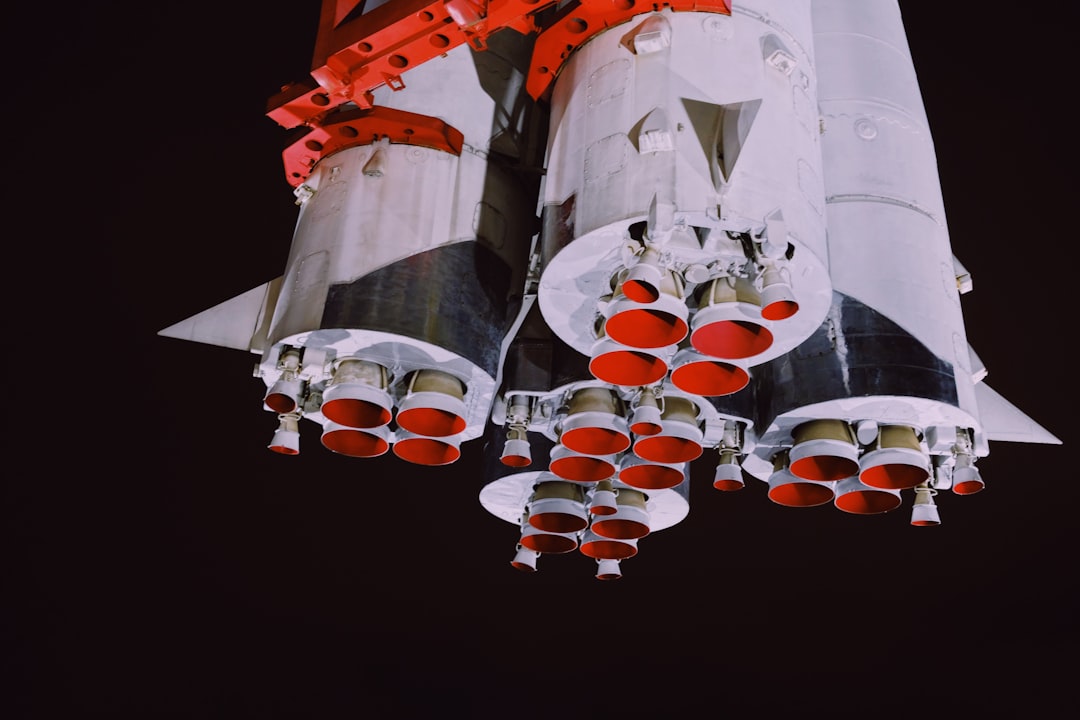
The Saturn V rocket, a titan of engineering that once ferried humanity to the Moon, stands as a monument to a specific era of technological and economic possibility. Its sheer scale and complexity, while awe-inspiring, also highlight the significant hurdles that would prevent its recreation today, even with modern advancements. The limitations are not solely rooted in a lack of technological capacity, but critically, in the prohibitive cost and the specialized, largely obsolete nature of the required resources.
While contemporary innovation has surged forward in many areas of science and engineering, the Saturn V design and its construction methods relied on a unique confluence of technologies that are either no longer readily available or have been superseded by more efficient, albeit often less robust, alternatives. Recreating such a colossal undertaking would require a deliberate and expensive effort to re-establish a complex industrial ecosystem that has largely decentralized or transformed.
The Unique Material Science of the 1960s
The Saturn V’s massive fuel tanks and structural components were built using aluminum alloys that were at the forefront of aerospace materials science in the 1960s. These alloys, particularly those used for the immense liquid oxygen and kerosene tanks, were chosen for their strength-to-weight ratio under extreme cryogenic conditions and the manufacturing techniques available at the time.
Specialized Aluminum Alloys: A Lost Art in Scale
The specific aluminum alloys used in the Saturn V’s primary structures, such as Alcoa 2219, were crucial for their performance. While these alloys still exist, the specific manufacturing processes and quality control measures developed for producing them in the colossal quantities and at the exacting standards required for the Saturn V are not something that can be easily spun up. The infrastructure for forging, rolling, and welding these massive sheets of aluminum into the precise shapes needed has largely been dismantled or repurposed. Large-scale, specialized foundries and precision machining facilities capable of handling components hundreds of feet long are a rarity today.
Cryogenic Embrittlement and Manufacturing Precision
A significant challenge lies in the manufacturing of components that must withstand extremely low cryogenic temperatures. Metals can become brittle and prone to fracture at these temperatures. The Saturn V’s engineers had to meticulously account for this, employing welding techniques and material treatments to ensure structural integrity. Re-establishing this deep understanding and the associated manufacturing precision for such large-scale cryogenic applications would be an extensive and costly retraining and retooling process for any modern manufacturing facility.
The Magnitude of Legacy Components
Beyond the raw materials, the Saturn V was composed of an enormous number of interconnected parts, many of which were custom-designed and manufactured for its specific purpose. Recreating these components would necessitate a monumental effort in reverse engineering, sourcing, and re-manufacturing.
Obsolete Manufacturing Techniques and Tooling
Many of the Saturn V’s components, from intricate plumbing systems to the complex turbopumps of its engines, were manufactured using techniques that are no longer standard practice in modern aerospace production. Machine tooling from the 1960s, designed for specific tolerances and materials, is unlikely to be readily available or compatible with modern digital design and manufacturing workflows. Even if tooling could be replicated, the original blueprints and manufacturing specifications, while existing, would require extensive interpretation and adaptation to contemporary standards and inspection methods.
Specialized Electrical and Electronic Systems: A World Apart
The Saturn V’s electrical and electronic systems were groundbreaking for their time, relying on analog components and robust, albeit bulky, circuitry. While these systems functioned admirably, they are a far cry from the highly integrated digital systems that characterize modern spacecraft. Miniaturization and advances in computing power have rendered much of the original electrical architecture inefficient and overly complex by today’s standards.
Analog vs. Digital: A Fundamental Shift
The entire philosophy behind spacecraft control and guidance has shifted from analog to digital. Saturn V relied heavily on analog computers, electromechanical relays, and complex wiring harnesses. Re-creating this analog infrastructure on the scale of the Saturn V would be akin to building a modern skyscraper using entirely Victorian-era plumbing and electrical systems – technologically feasible but incredibly inefficient, unreliable, and resource-intensive. Modern digital systems offer far greater processing power, flexibility, and diagnostic capabilities in a fraction of the space and weight.
Sourcing Legacy Components: The Hunt for Unicorns
Many specialized electronic components used in the Saturn V are no longer in production. Sourcing or reverse-engineering these parts would involve an immense hunt for rare, often obsolete, components or the development of entirely new manufacturing lines for them. This would add significant delays and costs, especially for items with limited commercial applications today.
The F-1 and J-2 Engines: Pillars of a Lost Art
The F-1 and J-2 engines were the heart of the Saturn V, powerful marvels of their time. Their complexity and the sheer scale of their production present a significant hurdle to their recreation.
The F-1 Engine: A Mammoth Powerplant
The F-1, the first stage engine, remains the most powerful single-chamber liquid-propellant rocket engine ever developed. Its sheer size and the unprecedented thrust it generated required an extraordinary level of engineering.
Turbopump Technology: Extreme Engineering
The turbopumps that fed propellant to the F-1 engine were intricate machines operating at incredibly high speeds and pressures. The design and manufacturing of these turbopumps involved specialized metallurgy, precision machining, and a deep understanding of fluid dynamics under extreme conditions. While modern turbopumps exist, the specific design choices made for the F-1, driven by the technological constraints of the era, would require significant re-analysis and potential redesign to be economically viable or even technically feasible with contemporary manufacturing capabilities.
Combustion Chamber Design and Materials
The combustion chambers of the F-1 engines operated at extreme temperatures and pressures. The materials and cooling techniques employed were revolutionary for their time. Recreating these chambers would involve sourcing and working with specialized alloys and employing manufacturing processes that are not commonly used today. The extensive testing and refinement necessary to ensure the reliability of such engines would also be a monumental undertaking.
The J-2 Engine: A Versatile Workhorse
The J-2, used in the second and third stages, was also a significant engineering achievement, running on liquid hydrogen and liquid oxygen.
Handling Cryogenic Propellants at Scale
The challenges of storing and handling liquid hydrogen and liquid oxygen at the scale required for the J-2 engines are immense. The plumbing, insulation, and control systems for these cryogenic propellants are complex and demand specialized expertise. While modern rockets still use cryogenic propellants, the specific engineering solutions for the J-2, optimized for its era, would need extensive re-evaluation and potentially significant upgrades or redesigns to meet current safety and efficiency standards.
Interstage Structures and Component Integration
The integration of the J-2 engines into the second and third stages, including the complex interstage structures and propellant feed systems, was a feat of engineering coordination. Replicating this level of intricate integration across vast components would require significant re-engineering and testing to ensure compatibility and reliability with potentially updated or revised engine designs.
Rebuilding the Saturn V rocket is a complex challenge that goes beyond simply replicating its design and components. An insightful article that delves into the intricacies of this topic can be found at Freaky Science. It discusses the technological advancements since the Apollo era, the availability of materials, and the evolving safety standards that would necessitate significant modifications to the original design. This exploration highlights the importance of innovation in space exploration rather than merely attempting to recreate past achievements.
The Shadow of Unfathomable Costs: The Economic Barrier
Beyond the technological challenges, the sheer economic impracticality of rebuilding the Saturn V is perhaps the most insurmountable obstacle. The cost of such an endeavor would dwarf that of developing entirely new, more efficient, and purpose-built systems.
The “One-Off” Nature of Project Apollo
The Saturn V was a product of a national imperative and a unique confluence of political will, scientific ambition, and economic investment. Project Apollo was a “moonshot” in the truest sense, a monumental national effort supported by unparalleled levels of funding and a dedicated workforce.
Government Funding and National Priority
The Apollo program received a substantial portion of the U.S. federal budget during its peak years. This level of government investment in a single, albeit grand, project is highly unlikely in the current geopolitical and economic landscape. Many national priorities have shifted, and the justification for such an expenditure on recreating a legacy system, rather than investing in future capabilities, would be difficult to establish.
The Workforce: A Specialized Pool of Talent
The creation of the Saturn V relied on a vast and highly specialized workforce, including engineers, technicians, and factory workers with unique skills and knowledge. Many of these individuals are no longer alive or have long since retired. Rebuilding this workforce would require a massive retraining and recruitment effort. The specific tribal knowledge and hands-on experience of assembling such colossal rockets are not easily transferred through textbooks or standard training programs.
Rebuilding the Saturn V rocket is not as straightforward as it may seem, and there are several factors that contribute to this complexity. One significant issue is the loss of original manufacturing techniques and materials that were used in the 1960s, which are no longer available or have been replaced by modern alternatives. Additionally, the workforce that had the expertise to build such a monumental piece of engineering has largely retired or moved on to other industries. For a deeper understanding of the challenges involved in recreating this iconic rocket, you can read more in this insightful article on the subject here.
Modern Alternatives: Efficiency and Cost-Effectiveness
In today’s aerospace industry, the focus is on developing modular, adaptable, and cost-effective launch systems. The Saturn V, while a marvel, was built for a singular purpose.
The Rise of Reusability
Modern launch vehicle development is heavily invested in reusability, a concept that was largely absent during the Apollo era. Companies are now designing rockets that can be reused for multiple missions, drastically reducing launch costs per kilogram. The Saturn V was a single-use, expendable system, making each launch astronomically expensive.
SpaceX and Blue Origin: Disruptors of Cost
Companies like SpaceX and Blue Origin have fundamentally altered the economics of space access through reusable rocket technology. The Falcon Heavy, for example, offers a fraction of the cost per launch compared to what a hypothetical Saturn V rebuild would entail. Investing in developing and perfecting these modern, cost-disrupting technologies makes far more sense than resurrecting a purely expendable design.
Reusability vs. Legacy Design
The fundamental design principles of the Saturn V are antithetical to the principles of reusability. Its massive, complex stages were designed to be discarded after each mission. Adapting such a design principle for reusability would necessitate a near-complete redesign, rendering the “rebuild” concept moot.
Modular and Scalable Design Philosophies
Contemporary launch systems are often designed with modularity and scalability in mind. This allows for customization of launch capabilities based on mission requirements, rather than building a monolithic rocket for every conceivable need. The Saturn V was a fixed-size, single-purpose vehicle.
Flexibility in Modern Launch Vehicles
Modern launch vehicles can often be configured with different numbers of boosters or payload fairings to tailor them to specific payloads and trajectories. This flexibility allows for greater efficiency and reduces the cost of developing specialized rockets for every mission. The Saturn V was a one-size-fits-all solution for its intended purpose.
The Cost-Benefit of Specialization vs. Generalization
While the Saturn V was undeniably specialized for its Lunar missions, this specialization came at an immense cost. Modern approaches favor generalized, adaptable platforms that can serve a wider range of missions more economically. The investment in developing and refining these adaptable platforms yields a far greater return than attempting to recreate a highly specialized, legacy system.
The Diminishing Returns of Legacy Technology
Attempting to replicate the Saturn V would mean investing in technologies that are, by definition, outmoded. The scientific and engineering effort required to overcome the limitations of these legacy systems would be better directed towards pushing the boundaries of current and future capabilities.
Obsolete Supply Chains and Manufacturing Ecosystems
The global aerospace supply chain has evolved dramatically since the 1960s. Many companies that once manufactured critical Saturn V components no longer exist or have shifted their focus to entirely different sectors. Re-establishing these supply chains for obsolete parts would be a logistical nightmare and prohibitively expensive, essentially recreating defunct industries.
The Race for Innovation: Future-Oriented Investments
The aerospace industry is characterized by rapid innovation. Investing billions of dollars in recreating a 1960s rocket would divert resources from developing next-generation propulsion systems, advanced materials, autonomous flight technologies, and sustainable space exploration practices. These future-oriented investments hold the key to unlocking new frontiers in space, not revisiting the achievements of the past. The focus of progress lies in building upon existing knowledge and technologies, not on meticulously recreating defunct ones.
The Legacy of the Saturn V: Inspiration, Not Replication
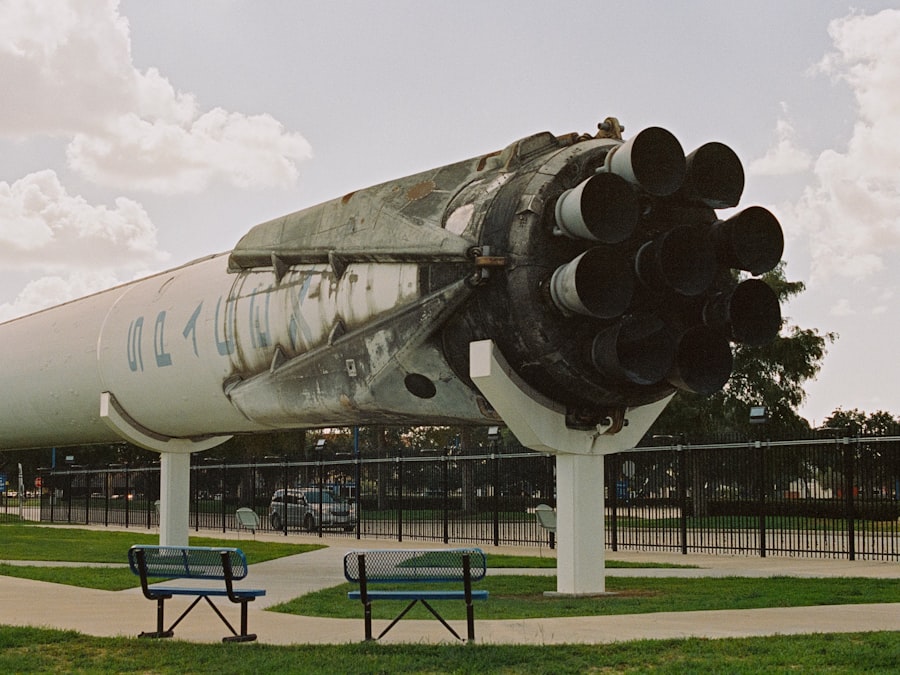
The Saturn V’s enduring legacy lies not in the possibility of its replication, but in the inspiration it provides and the lessons it offers. Its achievements underscore the power of human ingenuity when driven by a clear objective and provided with the necessary resources.
A Testament to Human Ingenuity
The Saturn V stands as a powerful symbol of what humanity can achieve when all its resources, intellect, and determination are focused on a singular, ambitious goal. Its successful missions to the Moon represent a pinnacle of human engineering and scientific endeavor.
The Spirit of Apollo: A Driving Force
The “spirit of Apollo” – the relentless pursuit of audacious goals – continues to inspire scientists, engineers, and dreamers. The technological advancements spurred by the Apollo program, even those not directly related to the Saturn V, had a profound and lasting impact on numerous fields.
Lessons in Systems Engineering and Project Management
The sheer scale and complexity of the Saturn V project provided invaluable lessons in systems engineering, project management, and large-scale industrial coordination. These lessons continue to inform how major engineering projects are undertaken today. The meticulous planning, integration of countless components, and rigorous testing protocols were essential to its success and offer a blueprint for managing similarly complex endeavors.
The Path Forward: Building on Foundations, Not Rebuilding
The future of space exploration lies not in recreating the past, but in building upon the foundations laid by programs like Apollo, leveraging modern technologies and economic realities.
Next-Generation Launch Systems: A New Era
The development of new, more capable, and cost-effective launch systems is essential for continued progress in space exploration. These systems are designed with the realities of today’s economy and technological landscape in mind.
Focusing on Current Capabilities and Future Potential
Rather than expending resources on replicating a bygone marvel, the focus is on developing systems that can achieve even greater feats, such as enabling sustainable lunar bases, facilitating Mars missions, and supporting a burgeoning space economy. These endeavors require systems that are both technologically advanced and economically viable.
International Collaboration and Resource Allocation
Modern space exploration often involves international collaboration, pooling resources and expertise to achieve common goals. This approach is far more efficient and cost-effective than any single nation attempting to replicate past achievements in isolation. The shared investment and knowledge base amplify the potential for success.
In conclusion, while the Saturn V rocket remains an icon of human achievement, its recreation is an exercise in technological and economic impossibility. The specialized knowledge, manufacturing infrastructure, and financial commitment required are simply not aligned with the current realities of aerospace engineering and global economics. The true legacy of the Saturn V lies in its inspiration and the invaluable lessons it offers for the continuous pursuit of human exploration, guiding us towards future endeavors built on innovation and strategic resource allocation.
FAQs
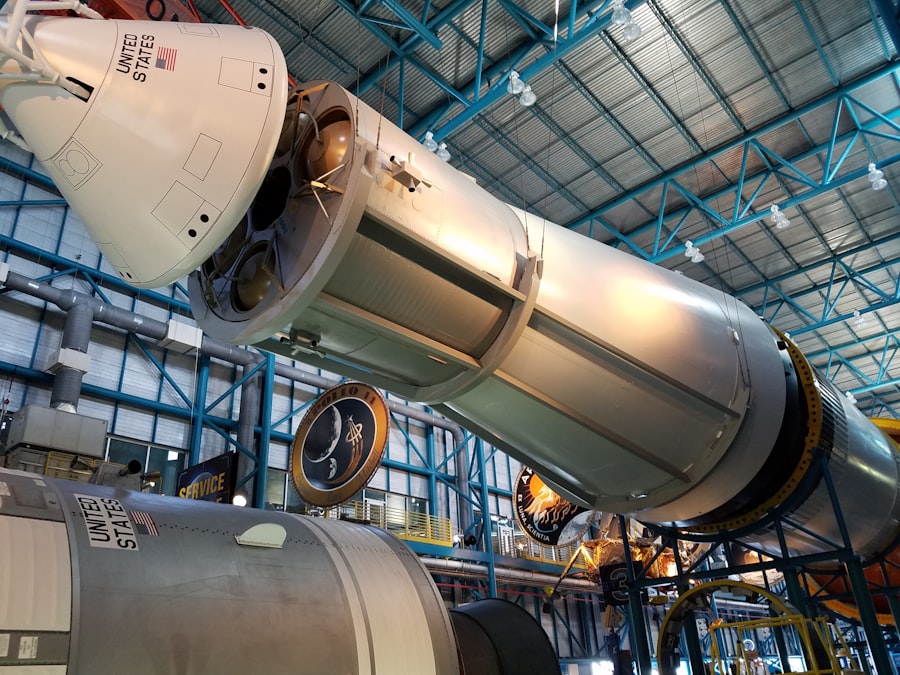
1. Why can’t we just rebuild the Saturn V rocket?
The Saturn V rocket was a product of its time, and many of the technologies and materials used in its construction are no longer available. Additionally, the workforce and expertise required to build such a complex machine have largely dispersed.
2. What are the challenges in rebuilding the Saturn V rocket?
Rebuilding the Saturn V rocket would require recreating technologies and materials that are no longer in use, as well as reassembling a workforce with the specialized knowledge and skills needed for such a project. Additionally, the cost of recreating the Saturn V rocket would be prohibitively high.
3. Are there any alternatives to rebuilding the Saturn V rocket?
Instead of rebuilding the Saturn V rocket, space agencies and companies are focusing on developing new, more advanced launch vehicles and technologies. These new rockets are designed to be more efficient, cost-effective, and sustainable than the Saturn V.
4. What is the legacy of the Saturn V rocket?
The Saturn V rocket played a crucial role in the Apollo program, enabling the United States to land astronauts on the moon. Its legacy lives on in the advancements it brought to space exploration and the inspiration it provided for future generations of scientists, engineers, and space enthusiasts.
5. Can any parts of the Saturn V rocket be reused in modern space exploration?
Some components of the Saturn V rocket, such as its F-1 engines, have been considered for reuse in modern space exploration efforts. However, the challenges and costs associated with refurbishing and integrating these components into new launch vehicles have proven to be significant.