So, you’ve probably noticed it – those streetlights are looking a little different lately. Instead of the warm, yellowish glow we’re used to, many are now emitting a brighter, bluer-white light. This isn’t just a cosmetic change; it’s a pretty significant shift driven by two main things: making our cities more energy-efficient and, believe it or not, safer.
The Old Guard: Why We Had Yellow Lights
For decades, streetlights mostly relied on High-Pressure Sodium (HPS) lamps. These were the workhorses of outdoor lighting, and for good reason. They were relatively inexpensive to produce and had a decent lifespan, which made them a practical choice for illuminating our streets, parks, and highways.
How HPS Lamps Worked
These lamps create light by passing an electric arc through vaporized sodium. As the sodium heats up, it emits a characteristic yellow-orange light. Think of it like heating up a gas until it glows – in this case, the gas is sodium.
The Advantages of HPS
- Durability: HPS lamps were tough and could withstand a lot of vibration and weather.
- Cost-Effectiveness: Initially, they were cheaper to buy and operate compared to earlier technologies.
- Longevity: They had a pretty good lifespan, meaning fewer replacements and less maintenance hassle for municipalities.
The Downsides of HPS
While they served us for a long time, HPS lamps had some significant drawbacks, particularly when we start looking at energy use and light quality.
Energy Inefficiency
HPS lamps aren’t the most efficient way to convert electricity into visible light. A good chunk of the energy they consume is lost as heat rather than being turned into illumination. This means we were using more electricity than necessary to light up our streets.
Poor Color Rendering
The most noticeable issue with HPS light is its color. The strong yellow hue makes it difficult to distinguish colors accurately. Reds can look brownish, blues can look murky, and generally, everything appears a bit washed out. This impacts our ability to recognize details and can make tasks requiring color differentiation more challenging.
Light Pollution Concerns
While not their primary design flaw, the spectrum of light emitted by HPS lamps also contributed to light pollution, scattering light upwards and outwards unnecessarily.
Recent discussions about the changing colors of streetlights have sparked interest in the science behind this phenomenon. Many cities are transitioning from traditional sodium vapor lights to LED technology, which not only improves energy efficiency but also allows for a variety of color temperatures. For a deeper understanding of the implications of these changes, you can read a related article on the topic at Freaky Science. This article delves into the benefits and potential drawbacks of different streetlight colors, shedding light on how they affect urban environments and public safety.
Enter the New Kid: The Rise of LED Technology

The biggest driver behind the color change is the widespread adoption of Light Emitting Diodes (LEDs). LEDs have revolutionized lighting across the board, from our homes to our cars, and now, our streets. They offer a host of advantages that address the shortcomings of older technologies.
What Exactly Are LEDs?
At their core, LEDs are semiconductor devices. When electricity flows through them, they emit light. Unlike incandescent bulbs that heat a filament until it glows (a very inefficient process), LEDs are much more direct in their light production.
The Magic of Phosphors and Color Temperature
The “color” of an LED isn’t just determined by the semiconductor itself. Most white LEDs use a blue LED chip coated with a phosphor material. When the blue light from the LED hits the phosphor, it excites the material, causing it to emit a different color. By carefully choosing the phosphor, manufacturers can tune the output to produce various shades of white light, from warm yellow-white to cool blue-white.
Understanding Color Temperature (Kelvin)
You’ll often see color temperature measured in Kelvin (K). Lower Kelvin numbers (around 2700K-3000K) represent warmer, more yellowish light, similar to incandescent bulbs. Higher Kelvin numbers (4000K and above) represent cooler, bluer-white light. The streetlights you’re seeing change are typically in the 4000K to 5000K range, sometimes even higher.
Energy Efficiency: The Big Win
The shift to LED streetlights is primarily an economic and environmental decision driven by their superior energy efficiency. This translates directly into lower electricity bills for municipalities and a reduced carbon footprint.
How LEDs Save Energy
- Higher Lumens Per Watt: LEDs produce more light (measured in lumens) for the same amount of energy consumed (measured in watts) compared to HPS lamps. This means they are significantly more efficient at converting electricity into visible light.
- Directional Lighting: LEDs are inherently directional. This means the light they emit can be focused precisely where it’s needed – down onto the street and sidewalks – rather than being scattered in all directions like HPS lamps. This reduces wasted light and the need for over-lighting to compensate for inefficiencies.
- Dimming Capabilities: Modern LED systems can be easily dimmed. This allows for lights to be reduced in intensity during off-peak hours (e.g., late at night when traffic is light), further saving energy without compromising safety.
- Longer Lifespan: While not directly an energy saving in terms of immediate consumption, the much longer lifespan of LEDs means fewer replacements and less energy spent on manufacturing and transportation of new lamps.
The Tangible Benefits of Energy Savings
- Reduced Operational Costs: Cities and towns can save millions of dollars annually on their electricity bills. This money can then be redirected to other essential public services.
- Environmental Impact: Lower electricity consumption means a reduced demand on power plants, which often rely on fossil fuels. This leads to lower greenhouse gas emissions and a smaller environmental impact.
- Less Maintenance: The extended lifespan of LEDs means fewer replacements. This translates into lower labor costs for maintenance crews and less disruption on streets due to ongoing work.
Safety: A Brighter Picture, Literally
Beyond the energy savings, the change in color is also linked to improved safety and visibility. The bluer-white light emitted by many new LED streetlights offers distinct advantages for drivers, pedestrians, and law enforcement.
Improved Visibility and Color Rendering
- Seeing Details: The bluer-white light has a much higher Color Rendering Index (CRI) than HPS lamps. This means objects appear closer to their true colors. For drivers, this can mean better recognition of traffic signals, road signs, and potential hazards like animals or debris on the road.
- Reduced Glare (Potentially): While initial perceptions might suggest more glare due to the brightness, well-designed LED systems can actually offer more controlled light distribution, reducing distracting glare for drivers. The key is proper fixture design and aiming.
- Enhanced Facial Recognition: For law enforcement and public safety, improved color rendering can aid in identifying individuals and details in surveillance footage or during nighttime operations.
The Debate on Human Response to Light Color
It’s worth noting that the human eye’s response to different light colors is complex. While cooler, bluer light can enhance visual acuity and color perception, some research suggests it can also disrupt natural sleep cycles due to its effect on melatonin production. However, modern LED technology often incorporates ways to mitigate this, such as using warmer color temperatures within the cooler range or employing smart dimming schedules.
Perceived Safety and Reduced Crime
Some studies and anecdotal evidence suggest that areas lit with brighter, whiter light might experience a perceived increase in safety and a potential reduction in certain types of crime. This is thought to be due to increased visibility, making it harder for criminal activity to go unnoticed and creating a general sense of being more observed.
Recent advancements in urban lighting technology have led to a noticeable change in the color of streetlights in many cities. This shift is primarily due to the adoption of LED lights, which not only offer energy efficiency but also come in various color temperatures that can enhance visibility and safety. For a deeper understanding of this trend and its implications, you can read more in this insightful article about the evolution of street lighting. Discover how these changes are impacting our urban landscapes by visiting this article.
Addressing Concerns: The Nuances of the Color Shift
| Reason for Color Change | Metric/Impact | Description |
|---|---|---|
| Energy Efficiency | Up to 50% reduction in energy use | LED streetlights consume less power compared to traditional sodium lamps. |
| Light Quality | Improved color rendering index (CRI) from ~20 to 70+ | Newer lights provide better visibility and color differentiation at night. |
| Maintenance Costs | 50-70% reduction in maintenance frequency | LEDs have longer lifespans, reducing replacement and repair needs. |
| Environmental Impact | Lower carbon emissions by up to 40% | Energy-efficient lighting reduces greenhouse gas emissions. |
| Light Pollution | Reduced skyglow by 30-60% | Directional LED lighting minimizes light spill and glare. |
| Color Temperature Shift | From 2200K (orange) to 3000-4000K (white) | Changing from sodium vapor lamps to LEDs changes the color from orange to white light. |
While the benefits are substantial, the transition to bluer-white streetlights hasn’t been without its concerns. Public perception and potential ecological impacts are important factors to consider.
Light Pollution and Skyglow
The brighter, bluer light of LEDs, especially those with higher color temperatures, can scatter more readily in the atmosphere. This can contribute to increased skyglow, making it harder to see stars and impacting astronomical observations. However, this is largely dependent on the specific LED fixture design and how the light is aimed. Many modern fixtures are designed to direct light downwards, minimizing upward spill.
Impact on Wildlife
There’s ongoing research into the effects of different light spectra on nocturnal wildlife. Some studies suggest that bluer light might be more disruptive to insects and other animals that rely on natural darkness. This is an area where lighting design and careful selection of color temperature are crucial to mitigate negative impacts. Cities are increasingly looking for solutions that balance human needs with ecological considerations.
Human Circadian Rhythms
As mentioned earlier, exposure to bluer light, especially at night, can potentially interfere with the body’s natural production of melatonin, which is essential for regulating sleep. This is why many municipalities are opting for LED streetlights within the 3000K to 4000K range, which provides a good balance of visibility and warmth, or implementing “smart” lighting systems that dim and shift color temperature later in the evening.
The Importance of Smart Design and Regulation
The good news is that these concerns are being addressed through advancements in lighting technology and evolving municipal policies. Well-designed LED fixtures, with appropriate shielding and aiming, can significantly reduce light pollution. Furthermore, regulations are increasingly being put in place to encourage the use of appropriate color temperatures and to minimize light trespass and skyglow.
The Future of Street Lighting: Smarter, Greener, Safer
The move to LED streetlights and the resulting color shift is just the beginning. The technology is rapidly evolving, promising even more benefits for our urban environments.
Connected Lighting and Smart Cities
Many new LED streetlight installations are “smart” or “connected.” This means they are equipped with sensors and communication capabilities, allowing them to be controlled and monitored remotely.
Benefits of Connected Lighting
- Real-time Monitoring: Cities can detect outages or malfunctions instantly, leading to faster repairs.
- Adaptive Lighting: Lights can adjust their brightness based on real-time traffic flow, pedestrian presence, or even weather conditions, further optimizing energy use.
- Data Collection: These connected lights can gather data on traffic patterns, air quality, and noise levels, providing valuable insights for urban planning and management.
- Integration with Other Smart City Systems: Streetlights can act as a backbone for other smart city initiatives, supporting Wi-Fi hotspots, environmental sensors, and even public safety cameras.
Ongoing Improvements in LED Technology
The efficiency and color quality of LEDs continue to improve. Researchers are developing new phosphor coatings and semiconductor materials to create even more energy-efficient lights with better color rendering and a broader range of tunable color temperatures, allowing for more tailored solutions for different environments.
A Balancing Act for Our Cities
Ultimately, the change in streetlight color is a practical adaptation driven by the need for more sustainable and effective urban infrastructure. It’s about finding the right balance between energy efficiency, public safety, and environmental considerations. The brighter, bluer-white light, while different, is a sign of progress towards making our cities more livable and efficient for everyone.
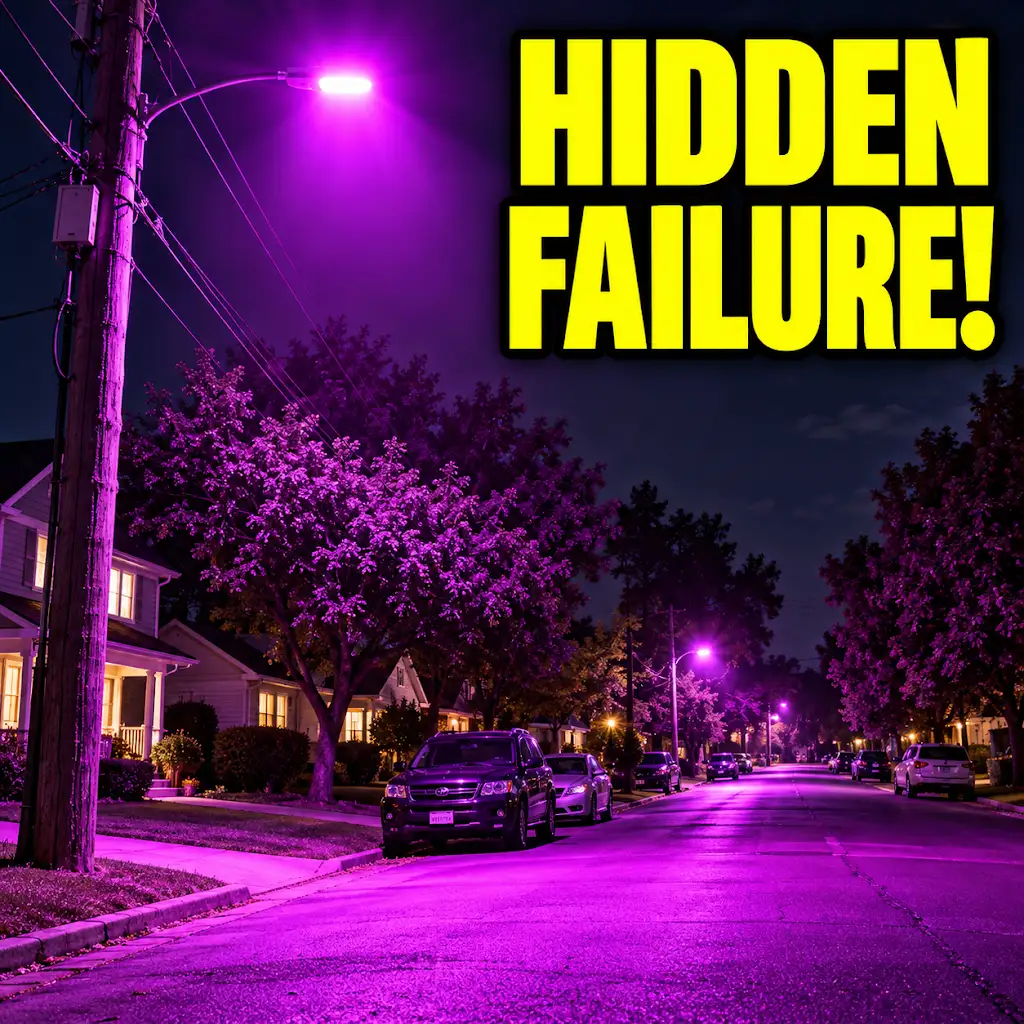
Why The Streetlights Are Turning Purple
FAQs
Why are streetlights changing color?
Streetlights are changing color to improve visibility, reduce energy consumption, and enhance safety on the roads.
What is the purpose of changing streetlight colors?
The purpose of changing streetlight colors is to create a more efficient and environmentally friendly lighting system that can adapt to different conditions and times of day.
How do different colors of streetlights affect visibility?
Different colors of streetlights can affect visibility by enhancing contrast, reducing glare, and improving color perception for drivers and pedestrians.
What are the benefits of using LED lights for street lighting?
LED lights are more energy-efficient, have a longer lifespan, and offer better control over color temperature, making them a popular choice for modern street lighting systems.
Are there any concerns or drawbacks to changing streetlight colors?
Some concerns related to changing streetlight colors include potential impacts on wildlife, light pollution, and the need for proper planning to ensure the new lighting system meets the community’s needs.