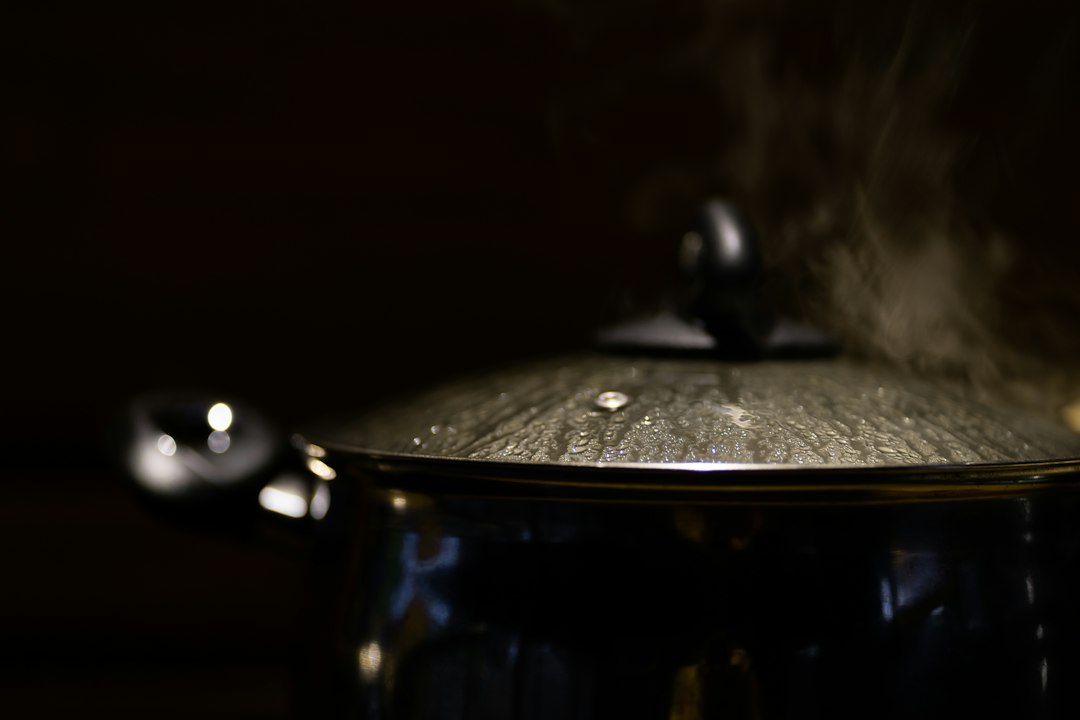
The rhythmic hiss of steam escaping from a stovetop, the subtle hum of an electric appliance – these are the familiar sounds that often accompany the creation of delicious meals. But beneath the surface of culinary convenience lies a fundamental scientific principle that makes a particular cooking method remarkably efficient and safe: the concept of a closed system. Pressure cooking, at its core, operates on this very principle, creating a sealed environment that dramatically alters the physics of cooking, leading to faster preparation times and enhanced safety features. Understanding why pressure cooking is a closed system is key to appreciating its advantages and mastering its use in the modern kitchen. This article will delve into the intricate workings of pressure cooking, dissecting its sealed nature, the physics that govern its operation, the safety mechanisms that make it reliable, and the culinary benefits that stem directly from its design.
The Essence of Containment: How a Pressure Cooker Becomes a Closed System
At its heart, a pressure cooker is a vessel designed for containment. Unlike traditional pots and pans that allow steam and moisture to freely escape into the ambient air, a pressure cooker is engineered with a tightly sealing lid. This seal is paramount; it’s the barrier that transforms a simple cooking pot into a specialized piece of equipment. The lid is typically secured with a locking mechanism, often employing a gasket made of silicone or rubber, which creates an airtight seal against the rim of the pot. This meticulous design prevents the escape of steam, which is the primary driver of the pressure buildup within the cooker.
The Role of the Gasket: A Seal of Integrity
The gasket, often overlooked, plays a critical role in establishing the closed system. It acts as a flexible cushion, conforming to any imperfections in the lid or pot rim, thereby creating a robust seal. This is not merely about preventing leaks; it’s about ensuring that the internal environment can reach and maintain elevated pressures. Without a flawless gasket, steam would continuously vent, negating the pressure-building process and reducing the cooker to the functionality of a standard pot. Regular inspection and maintenance of the gasket are therefore crucial for maintaining the integrity of the closed system and ensuring safe operation.
The Locking Mechanism: Securing the Culinary Fortress
Complementing the gasket is the locking mechanism. This can take various forms, from simple clamps to more complex bayonet-style closures. Regardless of the specific design, its purpose is singular: to firmly hold the lid in place against the pot, preventing it from being accidentally dislodged by the internal pressure. This secure closure is not just a convenience; it’s a vital safety feature, directly contributing to the controlled environment that defines a pressure cooker as a closed system. The robust nature of these locking mechanisms reassures users that the vessel can withstand the forces generated within.
Pressure cooking operates as a closed system, which is essential for achieving the high temperatures and pressures necessary for efficient cooking. In a closed system, steam generated from the boiling liquid is trapped within the sealed pot, preventing it from escaping and allowing the pressure to build. This process not only speeds up cooking times but also enhances the flavors and nutrients of the food. For a deeper understanding of the science behind pressure cooking and its benefits, you can read more in this related article at Freaky Science.
The Physics of Amplification: Pressure and Temperature Interplay
The sealed nature of a pressure cooker fundamentally alters the relationship between water, steam, and temperature. In an open pot, water boils at 100 degrees Celsius (212 degrees Fahrenheit) at standard atmospheric pressure. However, within the confines of a pressure cooker, this familiar boiling point is significantly elevated. This is a direct consequence of the trapped steam.
Water’s Phase Change Under Pressure
When water is heated in a sealed container, the steam produced cannot escape. As more steam is generated, it exerts pressure on the surrounding water and the walls of the cooker. This increased pressure forces the water molecules to remain in a liquid state at temperatures higher than their normal boiling point. In essence, the pressure “pushes down” on the water, making it harder for it to transform into steam. This is analogous to how submerging an object in water makes it harder to lift against gravity; the pressure from the water resists the upward force.
The Thermic Advantage: Accelerated Cooking
The elevated temperatures achievable in a pressure cooker are the primary reason for its speed. Cooking food at temperatures significantly above 100 degrees Celsius accelerates chemical reactions that break down tough fibers, tenderize meat, and cook starches and vegetables much more rapidly. For example, while a pot roast might take two to three hours to become tender in a conventional oven, it can often be accomplished in 45 minutes to an hour in a pressure cooker. This thermic advantage is directly attributable to the pressure-induced increase in cooking temperature. The higher the pressure, the higher the boiling point of water, and consequently, the higher the cooking temperature.
Saturation Pressure and Steam Properties
The steam generated within a pressure cooker is saturated steam, meaning it is in equilibrium with liquid water at the same temperature and pressure. This steam is highly efficient at transferring heat. Unlike dry steam, which can lose heat rapidly to the surrounding air, saturated steam is dense and carries a considerable amount of latent heat. When this hot, moist steam comes into contact with food, it transfers its thermal energy very effectively, cooking the food from all sides. The closed system ensures that this highly efficient heat transfer medium is concentrated and remains in contact with the food, maximizing its cooking power.
Safeguarding the Culinary Process: The Multi-Layered Safety Features
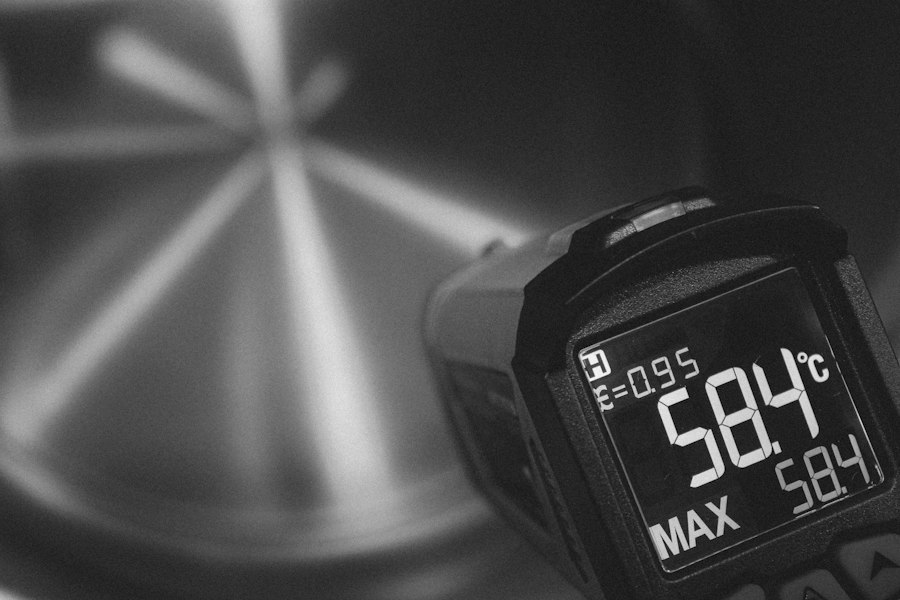
The inherent danger of working with high pressures and temperatures necessitates robust safety features in pressure cooker design. Far from being a potential hazard, modern pressure cookers are engineered with multiple redundant safety mechanisms that make them exceptionally safe when used correctly. These features are designed to prevent over-pressurization and allow for controlled venting.
The Primary Pressure Regulator: The Sentinel of Safe Operation
The most visible safety feature is the primary pressure regulator, often referred to as the “pressure vent” or “steam vent.” This device is designed to release excess steam when the internal pressure reaches a predetermined safe operating level. It typically consists of a weight or a spring-loaded valve that lifts to allow steam to escape, maintaining a constant pressure within the cooker. This continuous, controlled venting is crucial. It not only prevents the pressure from exceeding safe limits but also helps to regulate the cooking temperature. The distinctive hissing sound often associated with pressure cooking is the audible indication that this regulator is doing its job.
Secondary Safety Valves: Backup for Critical Situations
Beyond the primary regulator, most pressure cookers incorporate secondary safety valves. These are designed as a failsafe in the unlikely event that the primary regulator becomes blocked or malfunctions. These secondary valves are typically spring-loaded and are designed to release steam at a slightly higher pressure than the primary regulator. In some designs, these might be pop-out plugs or additional vents. Their presence provides an essential layer of redundancy, ensuring that even in a critical failure of the primary system, the pressure can still be safely vented, preventing a dangerous buildup.
The Lid-Locking System: Preventing Premature Opening
As mentioned earlier, the robust lid-locking system is not just for sealing the cooker but also for safety. These mechanisms are designed to prevent the lid from being opened while the cooker is under pressure. This is a critical safety feature because attempting to open a pressurized cooker can result in a sudden and dangerous release of scalding steam and hot food. The lock typically disengages only when the internal pressure has dropped to a safe level, indicated by the release of steam through the vent. Some electric pressure cookers also feature electrical interlocks that prevent heating if the lid is not properly secured.
Over-Pressure Release Indicators: Visual Cues for Safety
Some pressure cooker models also include visual indicators of pressure. These might be a pin or a colored indicator that pops up when the cooker is pressurized and recedes as the pressure drops. This provides an additional visual cue to the user, reinforcing the status of the cooker and reminding them not to attempt to open it until the indicator has returned to its normal position. These small details contribute to a user-friendly and inherently safe cooking experience.
Culinary Transformations: The Benefits of a Sealed Environment
The closed system of a pressure cooker unlocks a world of culinary possibilities, offering significant advantages in terms of cooking time, nutrient retention, and flavor development. The accelerated cooking times are perhaps the most obvious benefit, but the impact on the quality of the finished dish is equally impressive.
Speed and Efficiency: Reclaiming Kitchen Time
The most immediate and significant benefit of pressure cooking is its dramatic reduction in cooking times. By operating at higher temperatures, tough cuts of meat that would normally require hours of simmering can be rendered tender in a fraction of the time. Dried beans can be cooked from scratch in under an hour, eliminating the need for overnight soaking. This efficiency is a boon for busy individuals and families, allowing for delicious, home-cooked meals even on weeknights. The ability to cook quickly also means less energy consumption compared to prolonged simmering or roasting in a conventional oven.
Nutrient Preservation: A Healthier Approach to Cooking
The rapid cooking times and the sealed environment contribute to better nutrient retention. Because the food is cooked quickly and exposed to less heat for a shorter duration, many heat-sensitive vitamins and minerals are better preserved compared to traditional cooking methods where nutrients can leach into cooking water or be degraded by prolonged exposure to heat. The steam trapped within the cooker also helps to keep food moist, preventing the loss of water-soluble nutrients. This makes pressure cooking a healthier option for preparing a wide range of dishes, from vegetables to grains.
Flavor Intensification: Deeper, Richer Tastes
The high-pressure environment within a pressure cooker also has a remarkable effect on flavor. The intense heat and moisture force seasonings and aromatics deeper into the food, resulting in more uniformly seasoned and flavorful dishes. Tougher ingredients, like connective tissues in meat, are broken down more effectively, releasing their natural flavors and contributing to a richer, more complex taste profile. This intensified flavor development is a key reason why many chefs and home cooks alike swear by pressure cooking for stews, braises, and stocks.
Versatility in the Kitchen: More Than Just Stews
While pressure cooking is often associated with stews and braises, its applications extend far beyond these traditional uses. From cooking grains and legumes to preparing desserts like cheesecakes and custards, the versatility of the pressure cooker is continually being discovered. The ability to achieve precise cooking temperatures and times makes it an excellent tool for a wide variety of recipes, challenging the notion that it is a niche appliance. The closed system allows for a controlled environment perfect for delicate preparations as well as robust cooking.
Pressure cooking operates as a closed system, which is essential for achieving the high temperatures and pressures that enable food to cook faster while retaining moisture and flavor. This method traps steam inside the pot, preventing it from escaping, and creates an environment where the boiling point of water is elevated. For a deeper understanding of the science behind pressure cooking and its benefits, you can explore this insightful article on Freaky Science. By utilizing this technique, home cooks can not only save time but also enhance the nutritional value of their meals.
Mastering the System: Tips for Optimal Pressure Cooking
| Metric | Description | Relevance to Pressure Cooking as a Closed System |
|---|---|---|
| System Boundary | The physical limits that separate the system from its surroundings. | Pressure cookers have sealed lids that prevent mass exchange, defining a closed system. |
| Mass Exchange | Transfer of matter between system and surroundings. | Minimal to no mass exchange occurs as steam and food particles remain inside. |
| Energy Exchange | Transfer of heat or work between system and surroundings. | Heat is transferred into the cooker, increasing pressure and temperature inside. |
| Pressure Build-up | Increase in internal pressure due to trapped steam. | Sealed environment traps steam, raising pressure and cooking temperature. |
| Volume Change | Change in the volume of the system during operation. | Volume remains constant as the cooker is rigid and sealed. |
| Steam Release Valve | Safety feature to release excess pressure. | Allows controlled release of pressure but generally keeps system closed during cooking. |
To fully harness the benefits of pressure cooking, understanding its closed-system nature is essential. This knowledge allows for better control over the cooking process and ensures consistent, delicious results.
Preheating and Pressure Buildup: The Waiting Game
Before active cooking begins, the pressure cooker needs time to build pressure. This involves heating the liquid within the cooker until it reaches its boiling point and generates enough steam to activate the pressure regulator. The time this takes will vary depending on the size of the cooker, the amount of liquid, and the heat source. Patience during this phase is key; the cooker is not truly operating under pressure until the regulator begins to vent steam. Understanding this initial phase prevents users from assuming cooking has begun too early.
Managing Venting and Cycling: The Rhythmic Dance
Once pressure is reached, the user typically has two options for cooking: either maintaining a constant pressure by allowing the regulator to cycle (venting excess steam periodically) or allowing the pressure to build and then removing the cooker from the heat to let the pressure drop naturally (natural release). The choice depends on the recipe. For tenderizing tough meats, sustained pressure is usually preferred. For more delicate items, or to prevent overcooking, controlled venting or natural release might be more appropriate. Observing the pressure regulator’s activity is key to understanding how the system is functioning.
Releasing the Pressure: Controlled vs. Natural
After the cooking time is complete, the pressure within the cooker must be released before the lid can be safely opened. There are generally three methods: natural release, where the cooker is left to cool down on its own; quick release, where the steam is vented rapidly through the regulator; and cold water release, where cold water is run over the lid to quickly cool the cooker. Each method is best suited for different types of food. Natural release is ideal for meats and beans to prevent them from breaking apart. Quick release is suitable for vegetables and delicate items to stop the cooking process immediately and prevent mushiness. Understanding these release methods is crucial for achieving the desired texture and preventing overcooking.
Maintenance and Cleaning: Preserving the System’s Integrity
Regular maintenance is vital for ensuring the continued safety and efficiency of a pressure cooker. This includes cleaning all parts thoroughly after each use, paying special attention to the gasket and the vent openings to ensure they are free of food debris. Periodically checking the gasket for wear and tear and replacing it when necessary is paramount. Inspecting the pressure regulator and safety valves for any signs of blockage or damage is also essential. A well-maintained pressure cooker is a safe and reliable kitchen companion, testament to the robust engineering of its closed-system design. The longevity of the appliance and the safety of its operation depend on diligent care.

Why This Water Doesn’t Boil at 100°C
FAQs
1. How does pressure cooking work as a closed system?
Pressure cooking is a closed system because it seals in steam and increases pressure, which raises the boiling point of water. This allows food to cook faster and more efficiently.
2. What are the benefits of pressure cooking as a closed system?
Pressure cooking as a closed system helps retain more nutrients in the food, reduces cooking time, and enhances flavors by keeping them sealed in. It also saves energy compared to traditional cooking methods.
3. Is it safe to use a pressure cooker as a closed system?
When used correctly and following the manufacturer’s instructions, pressure cookers are safe to use as closed systems. Modern pressure cookers come with safety features to prevent accidents.
4. Can you cook a variety of foods in a pressure cooker as a closed system?
Yes, a pressure cooker as a closed system can be used to cook a wide range of foods, including meats, vegetables, grains, and even desserts. It is a versatile kitchen appliance.
5. How does pressure cooking as a closed system save time and energy?
Pressure cooking as a closed system cooks food faster due to the higher temperature reached under pressure. This not only saves time but also reduces energy consumption, making it an efficient cooking method.