The Science Behind the Speedy Simmer: How Pressure Cookers Conquer Tough Meat
Tougher cuts of meat, often characterized by a high proportion of connective tissues like collagen and elastin, present a culinary challenge. While they can be incredibly flavorful and cost-effective, achieving a fork-tender result typically requires long, slow cooking methods such as braising or slow roasting, which can demand hours of attention. Enter the pressure cooker, a kitchen appliance that has revolutionized the way we approach these less-than-tender protein sources. Its ability to drastically reduce cooking times while yielding exceptionally tender results is not a culinary miracle, but rather a fascinating application of basic physics and chemistry. Understanding the underlying principles reveals why this seemingly simple pot can perform such impressive feats of culinary alchemy, transforming stringy or chewy meat into succulent delights with surprising speed and ease.
Using a pressure cooker can significantly enhance the tenderness and flavor of tough cuts of meat, making it an essential tool for home cooks. The high-pressure environment allows for faster cooking times while breaking down the connective tissues in the meat, resulting in a succulent dish. For more insights on the benefits of pressure cooking and tips on how to make the most of this kitchen appliance, you can check out this informative article at Freaky Science.
Unlocking the Secrets of Connective Tissue Transformation
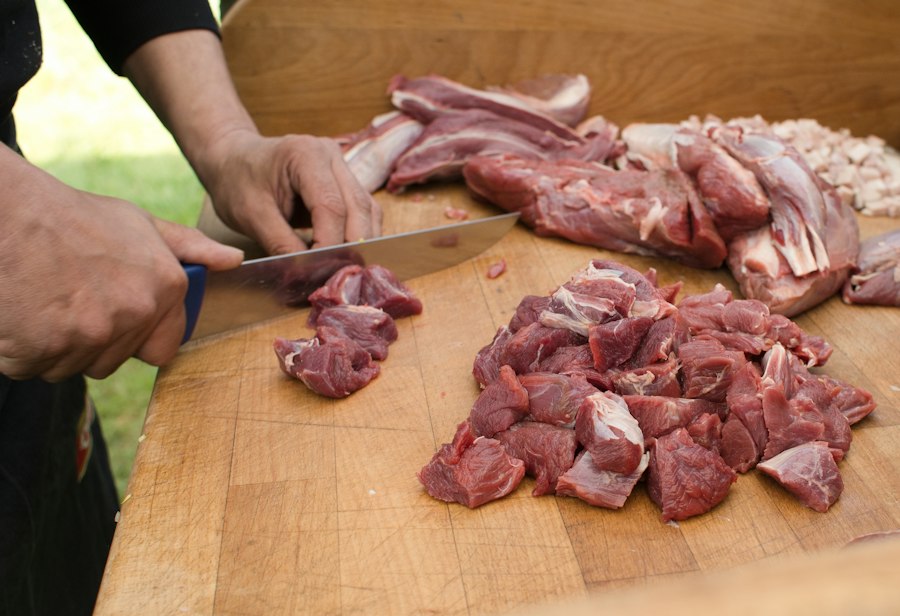
The primary reason tough meat cuts require extensive cooking lies in their abundance of connective tissues. These tissues, primarily composed of collagen, surround muscle fibers and provide structure and strength to the animal. Collagen, in its raw form, is a tough, fibrous protein that resists breakdown. However, under specific conditions, it undergoes a remarkable transformation that is key to tenderization. This transformation is precisely what the pressure cooker capitalizes on.
The Role of Collagen and Elastin in Meat Toughness
Connective tissue is the silent adversary of a tender bite. Collagen, a structural protein, forms a network that binds muscle fibers together. In younger animals and more active muscle groups, collagen is more abundant and denser, making the meat inherently tougher. Elastin, another type of connective tissue, is even more resilient and does not break down with heat; it is more akin to rubber and, if not removed or sufficiently broken down through other means, contributes to an unpleasantly chewy texture. Cuts like chuck roast, brisket, shanks, and oxtail are prime examples of meat that benefit greatly from the tenderizing power of pressure cooking. Their richness in these connective tissues demands a cooking method that can effectively soften them without overcooking the muscle fibers themselves, a delicate balance that pressure cooking achieves with remarkable efficiency.
Hydrolysis: The Chemical Breakdown Under Pressure
The magic of tenderization in a pressure cooker is largely attributed to hydrolysis, a chemical reaction where water molecules are used to break down complex molecules. Under normal atmospheric pressure, the boiling point of water is 100 degrees Celsius (212 degrees Fahrenheit). At this temperature, collagen begins to break down, but it is a slow process. A pressure cooker creates an environment where the internal pressure is significantly higher than atmospheric pressure. This increased pressure elevates the boiling point of water well beyond 100 degrees Celsius, typically reaching temperatures between 115 and 121 degrees Celsius (240 to 250 degrees Fahrenheit).
At these elevated temperatures, the rate of hydrolysis dramatically accelerates. The superheated water molecules aggressively attack the collagen molecules, breaking the strong chemical bonds that hold them together. This process converts tough, insoluble collagen into gelatin, a soft, soluble substance that lubricates the meat fibers and creates that desirable succulent texture. The rapid breakdown of collagen is the cornerstone of why pressure cookers can tenderize tough cuts in a fraction of the time compared to conventional methods.
The Impact of Elevated Temperatures on Muscle Fibers
While the primary focus is often on connective tissue, the elevated temperatures within a pressure cooker also impact the muscle fibers themselves. Muscle fibers are primarily composed of protein. When exposed to heat, these proteins begin to denature and coagulate. In conventional cooking, prolonged exposure to lower temperatures can lead to overcooking of the muscle fibers, resulting in dryness and a loss of moisture. However, the significantly shorter cooking times in a pressure cooker minimize this risk.
The rapid cooking at high temperatures allows the connective tissues to break down efficiently while the muscle fibers are cooked just enough to become tender and juicy. The high pressure also helps to keep moisture within the food, preventing it from escaping into the cooking environment. This combination of rapid collagen breakdown and efficient moisture retention is crucial for achieving tender and flavorful results without the meat becoming dry or stringy. The steam generated within the sealed pot acts as a moist cooking medium, further contributing to the tenderization process.
The Physics of Pressure: Amplifying Heat and Speed
The core of a pressure cooker’s efficiency lies in its ability to manipulate the physical properties of water and steam by controlling pressure. This controlled environment creates a cascade of effects that directly translate to faster and more effective cooking, particularly for dense and tough ingredients.
Elevating the Boiling Point: The Pressure-Temperature Relationship
The fundamental principle at play is the relationship between pressure and the boiling point of liquids, as described by physical chemistry. At sea level, atmospheric pressure is approximately 14.7 pounds per square inch (psi). Under these conditions, water boils at 100 degrees Celsius. However, when the pressure inside a sealed pot is increased, the energy required for water molecules to escape into the gaseous phase (steam) also increases. This means that a higher temperature is needed to reach the boiling point.
A standard stovetop pressure cooker typically operates at pressures ranging from 10 to 15 psi above atmospheric pressure. This translates to internal temperatures of around 115 to 121 degrees Celsius. Electric pressure cookers often offer even higher pressure settings, allowing for even faster cooking. This substantial increase in cooking temperature, by over 15-20 degrees Celsius, is the primary driver behind the dramatic reduction in cooking times. It’s akin to supercharging the cooking process, allowing chemical reactions like hydrolysis to proceed at a vastly accelerated pace.
Trapping Steam: The Moist Heat Advantage
A pressure cooker is essentially a sealed vessel. When liquid is heated inside, it turns into steam. Because the pot is sealed, this steam cannot escape. As more steam is generated, the pressure inside the pot builds. This trapped steam plays a dual role in the cooking process.
Firstly, as discussed, it increases the internal pressure, raising the boiling point of water. Secondly, it creates a moist cooking environment. Unlike dry heat methods like baking or roasting, pressure cooking utilizes the energy of the steam to cook the food. This moist heat is highly effective at penetrating dense ingredients and transferring thermal energy throughout. The steam saturates the food, preventing it from drying out and contributing to the overall tenderization by keeping the tissues hydrated during the rapid heating process. This is a significant advantage over methods where moisture can readily evaporate.
Reduced Cooking Times: The Efficiency Equation
The combination of elevated temperatures and a moist, high-pressure environment leads to a drastic reduction in cooking times. For tough cuts of meat, traditional methods like braising can take anywhere from 2 to 4 hours, or even longer, to achieve tenderness. In a pressure cooker, these same cuts can often be cooked to perfection in 45 minutes to 1.5 hours, depending on the size and cut of the meat. This efficiency is a major selling point for busy home cooks. The time saved allows for preparing complex and flavorful meals on weeknights that would otherwise be relegated to weekend projects. The rapid cooking also means less energy is consumed compared to hours of stovetop simmering or oven roasting.
Practical Application: Techniques for Pressure-Cooking Tough Meats
While the science behind pressure cooking is impressive, its successful application hinges on understanding basic techniques and some essential considerations. Armed with this knowledge, anyone can confidently transform tough cuts into culinary triumphs.
Selecting the Right Cuts for Pressure Cooking
The pressure cooker is a superhero for many tough cuts. These are typically the cuts that benefit from long, slow cooking due to their higher collagen content. Excellent candidates include:
- Chuck Roast: Richly marbled and flavorful, it becomes incredibly tender and shreddable.
- Brisket: The quintessential tough cut for braising and smoking, pressure cooking significantly shortens its cooking time.
- Short Ribs: Known for their intense beefy flavor and chewy texture, they are transformed into melt-in-your-mouth morsels.
- Shank (e.g., Beef Shank, Lamb Shank): The bone marrow adds richness, and the connective tissue breaks down beautifully.
- Oxtail: A gelatinous cut that becomes exceptionally tender and forms a rich sauce.
- Pork Shoulder/Boston Butt: Perfect for pulled pork with a fraction of the usual cooking time.
- Tougher Poultry (e.g., Duck, Goose): Can benefit from pressure cooking to achieve tenderness.
Cuts that are already naturally tender, like tenderloin or flank steak, do not require pressure cooking and are best prepared with quick-cooking methods to avoid overcooking. The goal is to utilize the pressure cooker for cuts that need its unique abilities.
Browning for Flavor: The Maillard Reaction’s Importance
Before sealing the lid and engaging the pressure, an essential step for many pressure-cooked meat dishes is browning. This process, known as the Maillard reaction, occurs when amino acids and reducing sugars react at high temperatures, creating hundreds of new flavor compounds and contributing to a desirable brown color.
Browning the meat in the pressure cooker pot itself (often on a sauté or browning setting for electric models) before adding liquid is a crucial step for building depth of flavor. It adds complexity that cannot be achieved by simply boiling the meat. This caramelized crust is the foundation for a rich and satisfying sauce or gravy. While some recipes might skip this step for very specific outcomes, for most tough meat preparations, browning is highly recommended for maximizing taste.
Liquid Ratios and Release Methods: Navigating the Process
The amount of liquid used in a pressure cooker is critical. Too little liquid can lead to scorching and insufficient steam generation. Too much liquid can dilute the flavors and extend cooking times unnecessarily. Generally, for stovetop pressure cookers, a minimum of 1 cup of liquid is recommended to ensure adequate steam production. Electric pressure cookers may have slightly different recommendations. Always refer to your pressure cooker’s manual and recipe instructions for specific liquid ratios.
There are three primary methods for releasing pressure after cooking:
- Natural Release: This involves allowing the pressure to dissipate on its own. It takes longer but is ideal for tougher cuts as it allows the cooking process to continue gently, further tenderizing the meat and allowing the juices to redistribute. This is often the preferred method for large roasts or stews.
- Quick Release: This involves manually opening the steam release valve to quickly vent the steam. This stops the cooking process immediately. It is useful for more delicate foods or when you want to prevent overcooking, but it can cause some meats to toughen slightly due to the rapid temperature drop.
- Cold Water Release: This involves running cold water over the lid (for stovetop models) to rapidly cool the pot and reduce pressure. This is a very fast method but can be jarring for the food.
For tenderizing tough meat cuts, a combination of high-pressure cooking followed by a natural release is usually the most effective strategy for achieving optimal tenderness and juiciness.
Using a pressure cooker is an excellent way to transform tough cuts of meat into tender, flavorful dishes, as it significantly reduces cooking time while enhancing the meat’s natural flavors. For those interested in exploring the science behind this cooking method, you can read more in a related article that delves into the benefits of pressure cooking. This method not only saves time but also helps retain nutrients that can be lost in traditional cooking methods. If you’re curious about how pressure cooking works and its advantages, check out this insightful piece here.
Beyond Tenderization: Additional Benefits of Pressure Cooking
| Metric | Explanation | Benefit for Tough Cuts of Meat |
|---|---|---|
| Cooking Time | Pressure cookers cook food faster by increasing the boiling point of water through high pressure. | Reduces cooking time for tough cuts from hours to under an hour, making meat tender quickly. |
| Temperature | Pressure cookers reach temperatures above 100°C (212°F), typically around 120°C to 130°C (248°F to 266°F). | Higher temperature breaks down collagen and connective tissues in tough meat efficiently. |
| Moisture Retention | Sealed environment traps steam and moisture inside the cooker. | Prevents meat from drying out, keeping tough cuts juicy and flavorful. |
| Energy Efficiency | Uses less energy due to shorter cooking times and sealed environment. | Cost-effective way to tenderize tough meat without prolonged cooking. |
| Flavor Enhancement | Pressure cooking intensifies flavors by cooking ingredients under steam pressure. | Enhances the taste of tough cuts by infusing spices and marinades deeply. |
While the primary allure of pressure cookers for tough meat cuts is their ability to tenderize quickly, this versatile appliance offers a host of other advantages that extend far beyond mere speed.
Nutrient Retention and Flavor Intensification
The sealed environment of a pressure cooker significantly limits the loss of volatile flavor compounds and nutrients that can occur during traditional cooking methods where steam and moisture escape. Because the cooking times are shorter and the steam is contained, more of the inherent flavor and nutritional value of the ingredients are preserved. The rapid cooking at high temperatures can also help to lock in moisture and juices within the meat, leading to more intense flavor. Furthermore, the increased heat can aid in the breakdown of some cell structures, potentially making certain nutrients more bioavailable.
Energy Efficiency and Time Savings
As previously mentioned, the dramatic reduction in cooking times translates directly into significant energy savings. Instead of hours on the stovetop or in the oven, a pressure cooker can achieve similar or superior results in a fraction of the time. This not only saves electricity or gas but also frees up valuable time for busy individuals and families. What once required significant planning and extended cooking periods can now be accomplished more spontaneously, making home-cooked meals more accessible on a daily basis.
Versatility in the Kitchen
Pressure cookers are not limited to just tenderizing meat. They are incredibly versatile and can be used for a wide range of culinary tasks. They excel at cooking dried beans and grains quickly, making them a staple for vegetarian and vegan cooking. Soups and stews become richer and more flavorful in less time. Even desserts like cheesecakes can be made in a pressure cooker with impressive results. This adaptability makes the pressure cooker a valuable addition to any kitchen, capable of simplifying and enhancing a multitude of cooking processes.
Common Misconceptions and Tips for Success
Despite its effectiveness, the pressure cooker sometimes carries an aura of complexity or even danger for novice cooks. Dispelling these myths and adopting a few best practices can ensure a smooth and successful pressure-cooking experience, especially when tackling those stubbornly tough meat cuts.
Addressing Fears: Understanding Modern Safety Features
Early pressure cookers sometimes had a reputation for being temperamental or even hazardous. However, modern pressure cookers, both stovetop and electric, are equipped with multiple sophisticated safety features. These include pressure release valves that automatically vent excess steam, locking mechanisms that prevent the lid from being opened under pressure, and temperature sensors that regulate the cooking process. Understanding these features and following the manufacturer’s instructions for safe operation can alleviate most common anxieties. It’s crucial to always inspect the rubber gasket for wear and tear and to ensure the pressure release valve is clear before each use.
Recipe Adaptations: Adjusting Cooking Times and Liquids
When adapting traditional recipes for a pressure cooker, it’s important to make some adjustments. The most significant change is the drastically reduced cooking time. It’s often advisable to start with a shorter cooking time than what might seem intuitive and then check for tenderness. It’s easier to add more cooking time than to fix overcooked, dry meat.
Liquid amounts also need careful consideration. As mentioned, sufficient liquid is necessary to build pressure, but excess liquid can dilute flavors. Recipes that are typically braised for hours may require less liquid in a pressure cooker, as less moisture evaporates. Many recipes will specify the exact liquid amount needed for the pressure cooker model. When in doubt, err on the side of slightly less liquid and be prepared to add more if the dish seems too dry.
Troubleshooting Common Issues: From Under-Tenderized to Scorched
Even with careful preparation, occasional issues can arise. If meat is not tender enough after the recommended cooking time, it likely needs more time under pressure. Simply re-seal the lid and cook for an additional 5-15 minutes, depending on the toughness. For stovetop models, ensure the heat is maintained at a level that keeps the pot at the correct pressure; the weight should jiggle gently or the indicator should be consistently raised.
Scorching can occur if there isn’t enough liquid or if the heat is too high and the food is sticking to the bottom of the pot. Browning the meat well can help create a protective layer. Using a bit more liquid or deglazing the pot after browning can also prevent this. If scorching does occur, avoid scraping the burnt bits into the dish; instead, carefully transfer the food to another pot and continue cooking. Patience and understanding the specific needs of the ingredients and the pressure cooker will lead to consistent success in transforming tough cuts of meat into tender, flavorful masterpieces.

Why This Water Doesn’t Boil at 100°C
FAQs
1. How does a pressure cooker help tenderize tough cuts of meat?
A pressure cooker uses steam and high pressure to break down the tough connective tissues in meat, resulting in a more tender texture.
2. What are the benefits of using a pressure cooker for cooking tough cuts of meat?
Pressure cooking reduces cooking time significantly, helps retain more nutrients in the meat, and produces flavorful and tender results compared to traditional cooking methods.
3. Can a pressure cooker be used for different types of tough cuts of meat?
Yes, a pressure cooker is versatile and can be used for various tough cuts of meat such as brisket, chuck roast, pork shoulder, and lamb shanks.
4. How long does it typically take to cook tough cuts of meat in a pressure cooker?
Cooking times can vary depending on the type and size of the meat, but generally, tough cuts of meat can be cooked in a pressure cooker in a fraction of the time it would take using other cooking methods.
5. Are there any safety precautions to keep in mind when using a pressure cooker for cooking tough cuts of meat?
It is important to follow the manufacturer’s instructions for your specific pressure cooker model, ensure the cooker is properly sealed before cooking, and release the pressure safely after cooking to avoid accidents.