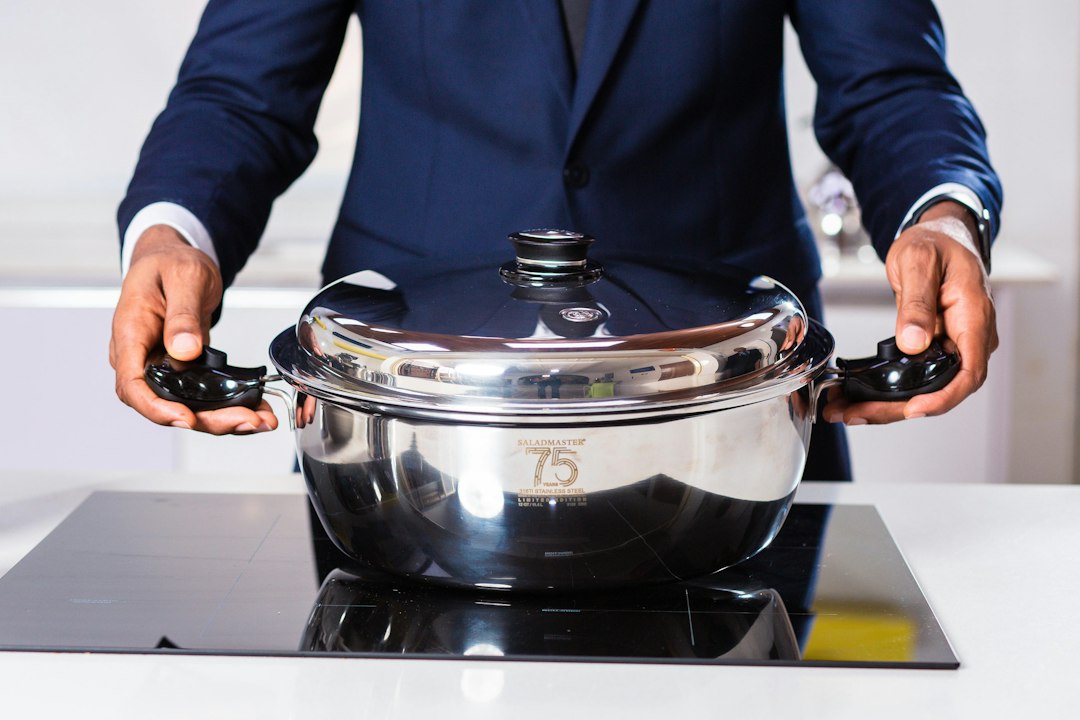
The Science of Speed: How Pressure Cookers Revolutionize Energy Efficiency
The age-old art of cooking has long relied on the simple yet effective method of boiling. Water heats up, and the food immersed within it gradually softens and becomes palatable. This process, however, is inherently inefficient from an energy perspective. It demands sustained heat for extended periods, often resulting in significant energy wastage through evaporation and heat dissipation. Enter the pressure cooker, a culinary innovation that has, for decades, quietly revolutionized kitchens by drastically reducing cooking times and, consequently, energy consumption. The fundamental reason behind this superior efficiency lies in a sophisticated manipulation of thermodynamics, transforming a slow, drawn-out process into a rapid, concentrated one. By understanding the science behind pressure cooking, one can fully appreciate why it stands as a champion of energy conservation compared to traditional boiling methods.
Pressure cookers are often considered more efficient than traditional boiling methods due to their ability to cook food at higher temperatures and pressures, which significantly reduces cooking time while preserving nutrients. For a deeper understanding of the science behind this cooking technique, you can explore the article on Freaky Science that discusses the advantages of pressure cooking in detail. To read more, visit this article.
Trapping the Heat: The Physics of Pressurization
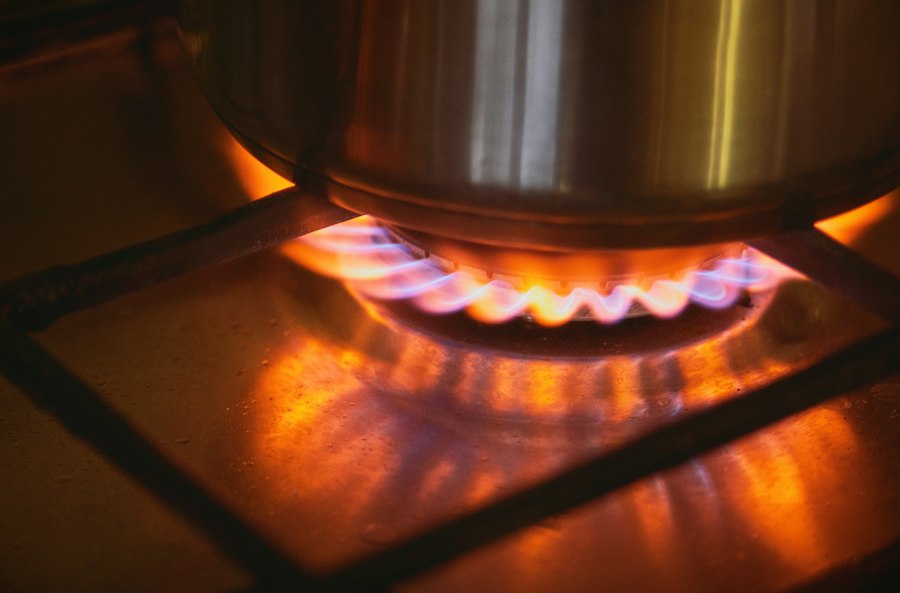
The core principle that elevates a pressure cooker above conventional cookware is its ability to trap steam and build internal pressure. Unlike an open pot where steam escapes freely into the atmosphere, carrying away heat and moisture, a pressure cooker is designed with a tightly sealing lid. This seal is crucial, as it prevents the escape of vaporized water. As the water inside the cooker heats up, it begins to boil and turn into steam. In an open pot, this steam would simply rise and dissipate. However, within the confines of the pressure cooker, the steam has nowhere to go. This confinement leads to a rapid increase in the internal pressure.
The Impact of Increased Pressure on Water’s Boiling Point
The most significant consequence of this elevated pressure is its effect on the boiling point of water. At standard atmospheric pressure (sea level), water boils at 100 degrees Celsius (212 degrees Fahrenheit). This is the temperature at which the vapor pressure of water equals the surrounding atmospheric pressure, allowing it to transition from liquid to gas. However, when the pressure inside a sealed vessel like a pressure cooker increases, the boiling point of water also rises. For instance, at a typical operating pressure of 15 psi (pounds per square inch) above atmospheric pressure, water boils at approximately 121 degrees Celsius (250 degrees Fahrenheit). This increase of over 20 degrees Celsius is not a trivial difference; it represents a substantial boost in the thermal energy available for cooking.
Faster Heat Transfer and Molecular Activity
This higher cooking temperature means that food cooks significantly faster. Heat transfer, the process by which thermal energy moves from the cooking medium to the food, is directly proportional to the temperature difference. A higher cooking temperature creates a larger temperature gradient, allowing heat to penetrate and cook the food at a much more accelerated rate. Furthermore, at these elevated temperatures, the molecular activity within the food increases. Chemical reactions that break down tough fibers in meats, soften vegetables, and cook grains occur at an amplified pace. This enhanced molecular dynamism, driven by the higher temperature, is a key contributor to the dramatic reduction in cooking times.
Minimizing Energy Loss: A Comparative Analysis
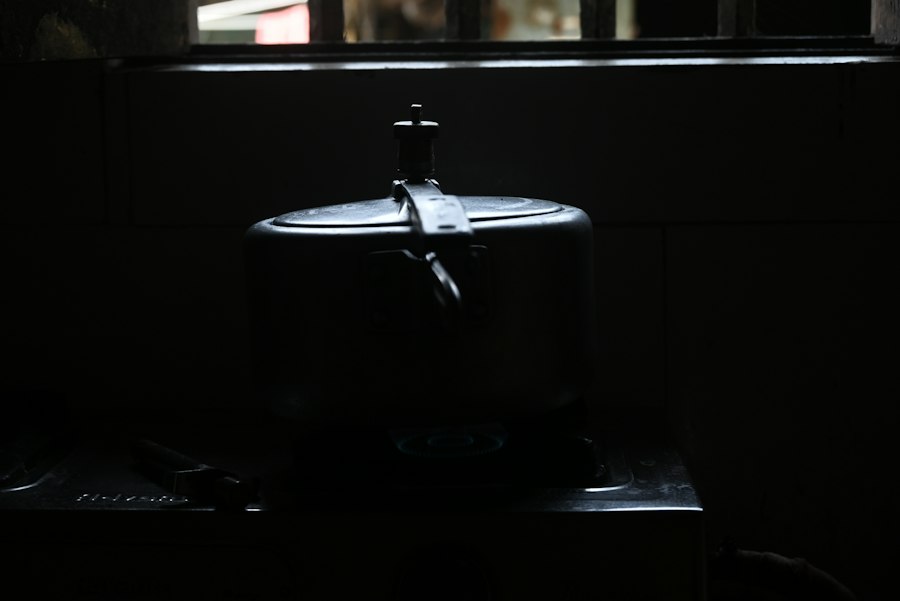
The energy efficiency of a pressure cooker is not solely due to its faster cooking times but also its remarkable ability to minimize energy losses that plague traditional boiling methods. Open pots are notorious for their inefficiency. The vast majority of the energy supplied to heat the water is lost to the surrounding environment.
Evaporative Heat Loss: The Silent Energy Drain
In a standard pot on a stovetop, a continuous stream of steam rises and dissipates into the kitchen. This evaporation is a direct and substantial loss of energy. Not only is the energy required to convert liquid water into steam being lost, but the hot steam itself carries significant thermal energy away from the cooking vessel. The amount of energy lost through evaporation can be quite substantial, especially over longer cooking periods. A pressure cooker, by its sealed nature, traps this steam. The water that would have evaporated is instead contained, and its thermal energy is utilized to increase the internal temperature and pressure, thereby contributing to the cooking process. This drastic reduction in evaporative loss is a cornerstone of its energy-saving prowess.
Radiant and Convective Heat Dissipation
Beyond evaporation, open pots also lose heat through radiation and convection. The hot surfaces of the pot and the surrounding water radiate heat into the kitchen. Likewise, the movement of air around the pot (convection) carries heat away. While a pressure cooker is not entirely immune to these losses, its design often mitigates them to a greater extent. The insulated nature of the cooker’s body, combined with the fact that it operates at a higher internal temperature for a shorter duration, means that the total amount of heat lost to the environment over the entire cooking cycle is significantly less than that of a traditional pot. The energy is more effectively contained and directed towards the food.
Quantifying the Savings: Real-World Energy Efficiency
The theoretical advantages of pressure cooking translate into tangible energy savings in practical applications. Numerous studies and real-world comparisons have demonstrated the significant difference in energy consumption.
Reduced Cooking Times Lead to Lower Energy Bills
The most immediate and impactful energy saving comes from the drastically reduced cooking times. While a stew might simmer for two to three hours in a conventional pot, a pressure cooker can often achieve the same results in 30 to 45 minutes. This means the stovetop burner is only active for a fraction of the time. If one considers the energy output of an electric or gas burner over an hour versus a quarter of an hour, the savings are substantial. Over the course of a week or a month, these savings accumulate, leading to noticeably lower utility bills.
The Impact of Wattage and Burner Efficiency
The extent of energy savings can also be influenced by the type of cooking appliance used. For electric stoves, where energy is directly converted to heat, a shorter cooking time directly equates to less electricity consumed. For gas stoves, the efficiency of the burner in delivering heat to the pot also plays a role, but the principle of reduced operating time remains the primary driver of savings. The internal efficiency of the pressure cooker itself, in terms of how well it transfers heat from the heat source to the food, also contributes. While the initial heating of the pressure cooker might require a similar amount of energy to heat an equivalent amount of water in a regular pot, the significantly shorter cooking duration makes it far more economical overall.
Pressure cookers are often considered more efficient than traditional boiling methods due to their ability to cook food at higher temperatures and pressures, which significantly reduces cooking time while preserving nutrients. This efficiency not only saves energy but also enhances the flavors of the ingredients. For a deeper understanding of the science behind this cooking technique, you can read more in this insightful article on Freaky Science, which explores the advantages of pressure cooking compared to conventional boiling.
Beyond the Stove: Broader Implications of Efficient Cooking
| Metric | Pressure Cooker | Boiling (Open Pot) | Reason for Efficiency |
|---|---|---|---|
| Cooking Time | Reduced by up to 70% | Standard time | Higher pressure raises boiling point, cooking food faster |
| Temperature | Up to 120°C (248°F) | 100°C (212°F) | Increased temperature speeds up chemical reactions in food |
| Energy Consumption | Lower (saves up to 50%) | Higher | Shorter cooking time and sealed environment reduce energy loss |
| Water Usage | Minimal (steam retained) | More water needed | Sealed system prevents evaporation, conserving water |
| Flavor and Nutrient Retention | Higher | Lower | Less exposure to air and shorter cooking preserve nutrients and flavor |
The benefits of pressure cooking extend beyond individual kitchen energy bills. In a broader societal context, widespread adoption of energy-efficient cooking methods can have a significant positive impact on resource conservation and environmental sustainability.
Reducing the Strain on Energy Grids
As populations grow and energy demands increase, the efficiency of household appliances becomes increasingly important. By reducing the amount of energy consumed for daily cooking, pressure cookers contribute to alleviating the strain on national energy grids. This can lead to a reduced need for power generation, which in turn can lessen reliance on fossil fuels and their associated environmental consequences.
Environmental Sustainability and Resource Management
The environmental footprint of food preparation is an often-overlooked aspect of sustainability. By consuming less energy, pressure cooking indirectly reduces greenhouse gas emissions associated with energy production. Furthermore, the efficient use of resources, including water which is also conserved due to less evaporation, aligns with broader goals of responsible resource management. Encouraging the use of energy-saving appliances like pressure cookers is a practical step towards a more sustainable future.
The Convenience Factor: A Powerful Incentive
While the primary focus of this discussion is on energy efficiency, it is worth noting that the convenience factor of pressure cookers is a powerful incentive for their adoption. The ability to prepare delicious meals in a fraction of the time makes them an attractive option for busy individuals and families. This added convenience, coupled with the significant energy savings, creates a compelling case for integrating pressure cooking into modern culinary practices. The user experience is enhanced not only by speed but also by the assurance of a more responsible approach to energy consumption.

Why This Water Doesn’t Boil at 100°C
FAQs
1. How does a pressure cooker save time compared to boiling?
A pressure cooker uses high pressure to raise the boiling point of water, allowing food to cook faster than traditional boiling methods.
2. Is a pressure cooker more energy-efficient than boiling?
Yes, a pressure cooker is more energy-efficient because it cooks food faster, reducing the amount of time the stove or heat source needs to be on.
3. Does a pressure cooker retain more nutrients in food compared to boiling?
Yes, a pressure cooker retains more nutrients in food because the shorter cooking time helps to preserve vitamins and minerals that can be lost during longer boiling processes.
4. Can a pressure cooker tenderize tough cuts of meat better than boiling?
Yes, a pressure cooker can tenderize tough cuts of meat more effectively than boiling due to the high pressure breaking down the connective tissues in the meat faster.
5. Is it safer to use a pressure cooker than boiling food on the stove?
When used correctly and following safety guidelines, a pressure cooker is considered safe to use. It is designed with safety features to prevent accidents such as explosions that were more common in older models.