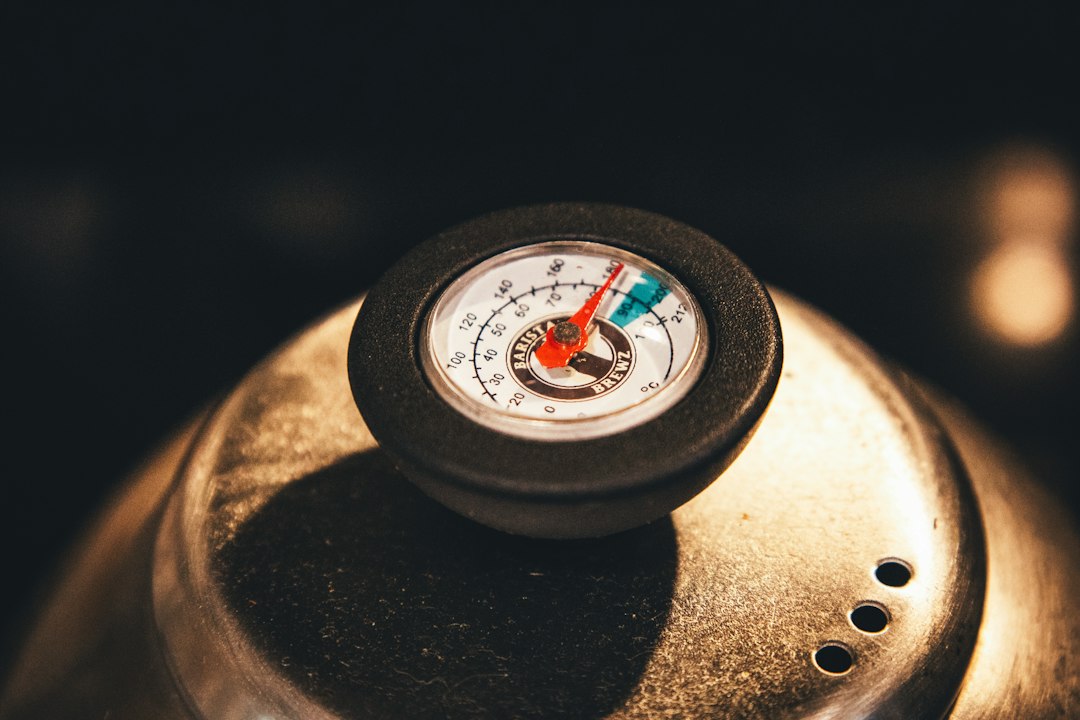
The familiar sight of a weight resting atop a pressure cooker lid is more than just a culinary tradition; it’s a crucial component of the appliance’s functionality and, more importantly, its safety. For generations, this seemingly simple metal object has been the silent guardian of kitchens, allowing for faster cooking times while meticulously managing the immense internal pressure. Understanding the mechanics behind this weight, its role in steam control, and its contribution to overall safety reveals the ingenious engineering that makes pressure cooking a remarkably efficient and secure method of food preparation.
The Science of Steam and Pressure
At its core, a pressure cooker operates by trapping steam generated from cooking liquids. Water boils at 100°C (212°F) at standard atmospheric pressure. However, within the sealed environment of a pressure cooker, the accumulating steam cannot escape. This confinement leads to a significant increase in pressure inside the pot. As the pressure rises, so too does the boiling point of water. This phenomenon is governed by the principles of thermodynamics. The increased pressure forces the water molecules to vibrate more intensely, requiring a higher temperature to transition into a gaseous state. Consequently, the internal temperature of a pressure cooker can reach well above the normal boiling point of water, often in the range of 115-121°C (240-250°F) at typical operating pressures.
The Relationship Between Pressure and Temperature
The direct correlation between pressure and temperature within a closed system is a fundamental concept in physics. Imagine a sealed container filled with water. As heat is applied, the water begins to evaporate, producing steam. This steam occupies the space above the water, and as more steam is generated, it pushes against the walls of the container and the surface of the water, increasing the internal pressure. According to Gay-Lussac’s Law, for a fixed amount of gas at constant volume, the pressure is directly proportional to its absolute temperature. In simpler terms, as the temperature inside the pressure cooker rises, the steam molecules move faster and collide with the pot’s walls with greater force, leading to an increase in pressure. This escalating pressure is precisely what allows the cooking temperature to surpass the conventional boiling point of water. The higher cooking temperature is the primary driver behind the accelerated cooking times associated with pressure cookers. Food cooks faster because it is exposed to a hotter environment. Heat transfer is more efficient at higher temperatures, allowing heat to penetrate the food more rapidly and break down its cellular structures, softening ingredients and tenderizing meats in a fraction of the time it would take using conventional methods. This scientific principle is the bedrock upon which the efficiency of pressure cooking is built. Without this interplay between pressure and temperature, the benefits of faster cooking would simply not be achievable.
How Trapped Steam Cooks Food
The high-temperature steam generated within the pressure cooker is the active cooking agent. Unlike boiling, where food is submerged in water at 100°C, pressure cooking utilizes the intensely hot, pressurized steam to cook food more rapidly and efficiently. This steam permeates the food, transferring heat quickly and uniformly. The pressure also plays a role in how the steam interacts with the food. The increased pressure forces the steam into the food’s porous structure, aiding in the penetration of heat and moisture. This can lead to a more tender and succulent result, especially with tougher cuts of meat or dense vegetables. Furthermore, because the cooking process is so efficient, nutrients are often better preserved. With shorter cooking times and less reliance on extensive liquid, some of the water-soluble vitamins that might leach out during prolonged boiling are retained within the food. This makes pressure cooking not only a time-saving method but also a potentially more nutritious one. The rapid cooking also helps to retain natural flavors, as volatile aromatic compounds have less time to dissipate into the surrounding atmosphere.
A pressure cooker is designed with a weight on top to regulate the internal pressure during cooking, ensuring that the temperature remains high enough to cook food quickly and efficiently. This mechanism not only enhances the cooking process but also prevents the cooker from exploding due to excessive pressure buildup. For a deeper understanding of how pressure cookers work and the science behind their design, you can read a related article at Freaky Science.
The Role of the Pressure Regulator Weight

The weight on top of a pressure cooker, often referred to as a pressure regulator or a steam vent weight, is a marvel of simple yet effective engineering. Its primary function is to maintain a consistent and safe operating pressure within the cooker. The weight is designed to fit snugly over a steam vent, and its mass is carefully calibrated to create a specific amount of back pressure. As steam builds up inside the cooker, it pushes upwards against the weight. When the pressure inside the pot reaches a point where the upward force exerted by the steam is equal to the downward force of the weight, the steam begins to escape through the vent. This controlled release of steam is what prevents the pressure from escalating beyond a safe limit. It acts as a safety valve, ensuring that the pressure remains within the designed operating range of the cooker.
Controlling Steam Release and Pressure
The weight’s precise mass is critical. If the weight were too light, steam would escape too readily, and the pressure would not build sufficiently for accelerated cooking. Conversely, if the weight were too heavy, it would prevent steam from escaping even when the pressure should be regulated, leading to a dangerous over-pressurization of the cooker. The weight is engineered to have a specific internal orifice or a design that allows steam to escape in a controlled manner. When the pressure inside the pot reaches the predetermined level, the steam exerts enough force to lift the weight slightly, creating a small gap through which excess steam can vent. This venting is often accompanied by a gentle hissing sound, which is a normal indicator that the pressure is being regulated. The weight oscillates slightly or allows steam to puff out intermittently, maintaining the desired pressure and temperature. This continuous, albeit controlled, release of steam is crucial for both safety and effective cooking. It ensures that the cooker operates at its optimal temperature and pressure without becoming dangerously over-pressurized.
Maintaining a Consistent Cooking Environment
The consistent release of steam achieved by the pressure regulator weight is vital for maintaining a stable cooking environment. This stability translates directly into predictable and even cooking results. Because the pressure and temperature remain within a narrow, optimal range, food cooks uniformly. There are no sudden spikes or drops in temperature that could lead to unevenly cooked food or scorching. This predictability is a significant advantage for home cooks, allowing them to achieve consistent results without constant monitoring. Imagine baking a cake: if the oven temperature fluctuated wildly, the cake would likely be unevenly baked, with some parts burnt and others undercooked. The pressure cooker, through its regulating weight, offers a similar level of control and consistency to its internal cooking environment, albeit at a much higher temperature and pressure. This controlled atmosphere is what allows for the remarkable speed and efficiency of pressure cooking.
Safety Features of Pressure Cookers
While the pressure regulator weight is a primary mechanism for pressure control, modern pressure cookers incorporate a suite of safety features designed to prevent accidents. These features work in conjunction with the weight to ensure that the appliance is as safe as possible to operate. The design of the lid, the locking mechanisms, and secondary pressure release systems all contribute to a robust safety profile. It’s important for users to understand these features and follow the manufacturer’s instructions to ensure safe operation. The evolution of pressure cooker design has prioritized user safety above all else, integrating multiple layers of protection against potential hazards.
The Importance of the Lid and Gasket
The lid of a pressure cooker is engineered to form a strong, airtight seal with the pot. This seal is typically achieved through a rubber or silicone gasket that sits between the lid and the rim of the pot. When the lid is clamped down, the gasket compresses, creating a watertight and airtight barrier. This seal is essential for building and maintaining the high internal pressure. Without an effective seal, steam would escape prematurely, and the cooker would not reach its operational pressure. The quality and condition of this gasket are paramount for safe operation. A worn, cracked, or improperly seated gasket can compromise the seal, leading to steam leaks and potentially preventing the cooker from reaching the correct pressure. Most manufacturers recommend inspecting the gasket regularly and replacing it if it shows signs of wear or damage. The locking mechanisms on the lid also play a critical role. They are designed to ensure that the lid cannot be opened while the cooker is under pressure, a potentially very dangerous situation. These mechanisms often involve interlocking parts that prevent the lid from being unlatched until the internal pressure has safely dissipated.
Secondary Safety Valves and Mechanisms
Beyond the primary pressure regulator weight, many pressure cookers are equipped with secondary safety valves. These are designed to act as backups in the unlikely event that the primary regulator fails or becomes blocked. A common type of secondary safety valve is a spring-loaded valve that is set to release at a slightly higher pressure than the primary regulator. If the pressure exceeds the capacity of the primary regulator, this secondary valve will activate, venting excess steam. Another safety feature often found is a “blow-out” plug or disc. This is a small plug, often made of a heat-sensitive material or designed to be expelled, that will rupture or be ejected if the pressure reaches an extremely dangerous level, providing a final, albeit dramatic, release of steam. The lid itself may also be designed with a specific weak point or a mechanism that will allow the lid to lift slightly if excessive pressure builds up, preventing a catastrophic failure. These multiple layers of redundancy ensure that the cooker is highly unlikely to over-pressurize to a dangerous degree.
Proper Usage and Maintenance
The safe and effective operation of a pressure cooker relies heavily on correct usage and diligent maintenance. Understanding how to properly fill the cooker, secure the lid, and monitor the cooking process, along with regular cleaning and inspection of its components, is essential. Ignoring these aspects can compromise both the performance of the appliance and the safety of the user. Adhering to the manufacturer’s instructions is the most important guideline.
Filling the Pressure Cooker Correctly
One of the most crucial aspects of pressure cooker safety is not overfilling it. Pressure cookers require a certain amount of liquid to generate steam, but too much liquid can lead to the vent becoming blocked or the food expanding to obstruct the vent. Manufacturers typically provide guidelines for the maximum fill level, often indicated by a fill line inside the pot or a maximum capacity marking. Generally, pressure cookers should not be filled more than two-thirds full. For foods that expand significantly during cooking, such as grains, beans, or lentils, the fill level should be even lower, usually no more than half full, to prevent blockage of the steam vent. It’s also important to ensure that there is sufficient liquid for the entire cooking duration. If the liquid evaporates completely before the cooking time is up, it can lead to scorching of the food and damage to the cooker. Always consult the recipe or the cooker’s manual for specific liquid requirements.
Post-Cooking Pressure Release Procedures
Once the cooking time is complete, it is critical to follow the correct pressure release procedures. Attempting to open a pressure cooker while it is still under significant pressure is extremely dangerous and can result in severe burns from escaping steam and hot food. There are typically three common methods for releasing pressure: natural release, quick release, and cold water release (though the latter is not recommended for all models or situations). Natural release involves simply letting the cooker sit undisturbed until the pressure gauge drops to zero, indicating that all pressure has dissipated. This method is generally preferred for foods that benefit from a longer resting period, such as meats, as it helps to keep them tender. Quick release involves manually opening the steam vent (often by pushing a lever or carefully lifting the pressure regulator weight with a utensil, never with bare hands) to allow the steam to escape rapidly. This method is useful for vegetables or dishes where overcooking is a concern. Regardless of the method used, always ensure that the pressure has completely dropped before attempting to open the lid. Listen for the “hissing” to stop and visually confirm that the pressure indicator is in the “down” or “unlocked” position.
A pressure cooker operates by creating a sealed environment that allows steam to build up, which in turn increases the cooking temperature and reduces cooking time. The weight on top of the pressure cooker plays a crucial role in maintaining the necessary pressure inside the pot. It acts as a regulator, allowing excess steam to escape while keeping the pressure at a consistent level. For a deeper understanding of the science behind pressure cooking and its benefits, you can read more in this informative article on Freaky Science.
The Evolution and Modern Innovations
| Metric | Description | Value/Explanation |
|---|---|---|
| Purpose of Weight | Regulates pressure inside the cooker | Maintains consistent pressure by releasing excess steam |
| Pressure Level | Typical pressure maintained by the weight | Approximately 15 psi (pounds per square inch) above atmospheric pressure |
| Boiling Point Increase | Effect of pressure on boiling point of water | Raises boiling point from 100°C to about 121°C (250°F) |
| Cooking Time Reduction | Time saved due to increased pressure and temperature | Up to 70% faster cooking compared to conventional methods |
| Safety Mechanism | Role of the weight in preventing overpressure | Releases steam when pressure exceeds safe limits to avoid explosions |
| Weight Mass | Typical mass of the pressure regulator weight | Varies, commonly between 50 to 150 grams depending on model |
The pressure cooker, a device with a history stretching back centuries, has undergone significant evolution. From its early, often precarious, iterations to the sophisticated, multi-functional appliances of today, its design has been refined to enhance both efficiency and safety. Modern innovations have made pressure cooking more accessible, user-friendly, and versatile than ever before.
From Early Designs to Electric Appliances
The concept of cooking under pressure was first explored in the 17th century by Denis Papin, a French physicist, who invented the “steam digester.” This early device, while revolutionary for its time, was rudimentary and lacked the sophisticated safety features of modern pressure cookers. Over the centuries, the design gradually improved, with the introduction of reliable sealing mechanisms and pressure regulators. The early stovetop models, while effective, required constant monitoring and a good understanding of the cooking process. The advent of electric pressure cookers in the late 20th century marked a significant leap forward. These appliances integrate the heating element and the pressure control system into a single unit, often featuring digital interfaces and pre-programmed cooking settings. This automation has made pressure cooking far more convenient and accessible to a wider audience, removing much of the guesswork and manual intervention previously required. The integration of microprocessors allows for precise temperature and pressure control, further enhancing both safety and cooking consistency.
Smart Features and Multi-Functionality
Contemporary electric pressure cookers have become remarkably sophisticated, often incorporating “smart” technology and a wide range of functionalities. Many models now offer multiple cooking modes beyond just pressure cooking, acting as slow cookers, rice cookers, steamers, and even yogurt makers. This multi-functionality makes them a valuable addition to any kitchen, consolidating several appliances into one. “Smart” features can include Wi-Fi connectivity, allowing users to control and monitor their cooking remotely via smartphone apps. These apps can offer recipe guidance, cooking time adjustments, and notifications, adding another layer of convenience. Some advanced models even feature sensors that automatically adjust cooking times and temperatures based on the ingredients or the amount of food inside. The focus on user-friendliness is evident in the intuitive control panels, often with touch screens and a variety of pre-set cooking programs for common dishes like stews, soups, poultry, and beans. These innovations have transformed the humble pressure cooker into a versatile kitchen workhorse, capable of handling a vast array of culinary tasks with ease and safety. The humble weight, while still a fundamental component in many designs, is now often complemented by electronic pressure sensors and control systems, ensuring a new generation of pressure cookers that are both powerful and exceptionally safe.

Why This Water Doesn’t Boil at 100°C
FAQs
1. Why does a pressure cooker have a weight on top?
A pressure cooker has a weight on top to regulate the pressure inside the cooker during the cooking process. The weight, also known as a pressure regulator, helps maintain a consistent pressure level by releasing excess steam.
2. How does the weight on top of a pressure cooker work?
The weight on top of a pressure cooker works by allowing steam to escape through a small vent when the pressure inside the cooker exceeds a certain level. This release of steam helps prevent the pressure from building up too high and causing a safety hazard.
3. What is the purpose of the weight jiggling on top of a pressure cooker?
When the weight on top of a pressure cooker starts to jiggle or rock back and forth, it indicates that the pressure inside the cooker has reached the desired level. This rhythmic movement shows that the pressure regulator is working correctly to maintain the ideal cooking conditions.
4. Can you adjust the weight on top of a pressure cooker?
Most pressure cookers come with weights that are pre-set to regulate pressure at a specific level. While some models may offer different weights for adjusting pressure levels, it is essential to follow the manufacturer’s instructions to ensure safe and effective use of the pressure cooker.
5. Are there different types of weights used on pressure cookers?
Yes, there are different types of weights used on pressure cookers, such as jiggle weights, dial gauges, and weighted valves. Each type serves the same purpose of regulating pressure but may operate slightly differently based on the design of the pressure cooker.