You’ve probably experienced it. You lovingly prepare a meal, maybe leftovers from a restaurant, or a carefully portioned dish you made yourself, and you slide it into the microwave. You punch in the time, hit start, and wait with anticipation. But when it’s done, you pull out a dish that’s a culinary contradiction: a lava-hot center with icy cold edges, or vice-versa. Why is this so common? Why does your microwave seem to have a vendetta against evenly heated food? It’s not magic, and it’s not necessarily a sign your appliance is broken. It’s a fascinating interplay of physics, food science, and the very nature of how microwaves work.
At its core, a microwave oven utilizes a specific type of electromagnetic radiation to cook your food. It’s not heat in the traditional sense, like from an oven element or a stovetop burner. Instead, it’s about exciting molecules within your food.
The Magnetron: The Heart of the Microwave
The crucial component responsible for generating these heating waves is called the magnetron. This is a high-powered vacuum tube that converts electrical energy into high-frequency radio waves, specifically microwaves, typically operating at a frequency of 2.45 gigahertz (GHz). Think of it as the microwave’s internal “radio station,” broadcasting the waves that will penetrate and heat your meal.
From Electricity to Waves
The magnetron works by using a strong magnetic field and a flow of electrons. When electrons are forced to move in a circular path within this magnetic field, they emit microwave radiation. This radiation is then channeled by a waveguide into the cooking cavity.
The Frequency Matters
The specific 2.45 GHz frequency is chosen for a very practical reason: it’s highly effective at interacting with water molecules. Water is a polar molecule, meaning it has a slightly positive charge on one end and a slightly negative charge on the other.
How Microwaves Interact with Food Molecules
When microwaves enter your food, they don’t just passively sit there. They actively interact with the molecules within.
Dielectric Heating: The Primary Mechanism
The most significant way microwaves heat food is through a process called dielectric heating. This is where the oscillating electric field of the microwave radiation causes polar molecules, primarily water, to rotate back and forth billions of times per second, trying to align themselves with the changing field.
The Dance of Water Molecules
Imagine a tiny magnet being rapidly jiggled back and forth. This rapid rotation of water molecules creates friction between them. It’s this friction, this molecular “dance,” that generates heat. The more water a food contains, the more effectively it will absorb microwave energy and heat up.
Other Polar Molecules
While water is the star player, other polar molecules like fats and sugars also contribute to dielectric heating, albeit to a lesser extent. This is why foods high in fat or sugar can heat up quickly in a microwave, sometimes even becoming superheated.
Ionic Conduction: A Secondary Effect
Another, less dominant, heating mechanism in some foods is ionic conduction. Many foods contain dissolved salts and ions. The oscillating electric field of the microwaves can cause these charged particles to move back and forth, creating friction and generating heat. However, this effect is generally less significant than dielectric heating, especially in foods with low salt content.
Microwave food often experiences hot and cold spots due to the uneven distribution of microwaves within the cooking chamber. This phenomenon can be attributed to factors such as the shape of the food, the type of container used, and the design of the microwave itself. For a deeper understanding of this topic, you can read the article on Freaky Science that explores the science behind microwave cooking and offers insights into how to achieve more even heating. You can find it here: Freaky Science.
The Uneven Landscape: Why Heat Doesn’t Distribute Uniformly
Now that you understand how microwaves generate heat, you can begin to see why that heat doesn’t always spread evenly throughout your food. It’s a complex interplay of how the waves themselves behave and how they are absorbed by different parts of your meal.
The Nature of Microwaves: Wave Patterns and Standing Waves
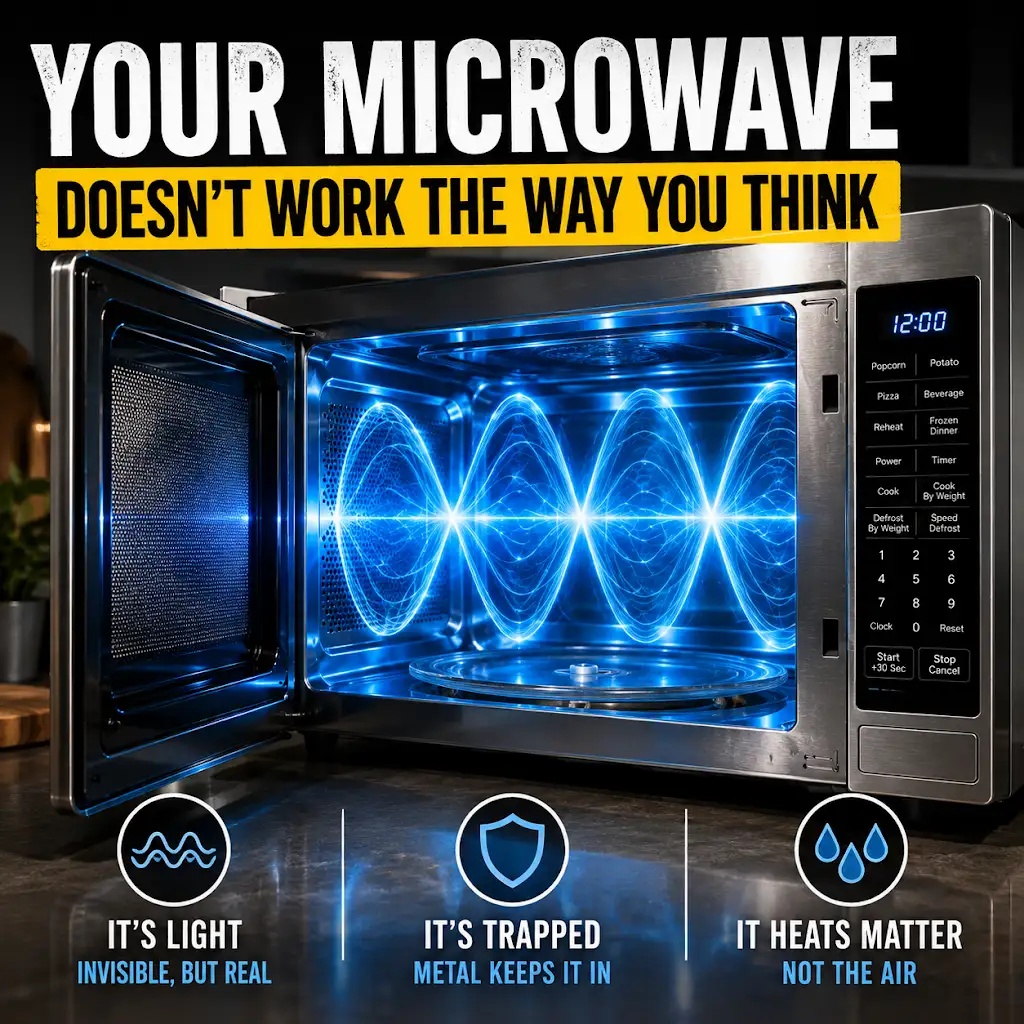
Microwaves, being electromagnetic waves, don’t travel in a straight, uniform line through your food. They behave like waves in water, exhibiting patterns of crests and troughs.
Interference and Hot Spots
As microwaves bounce off the metal walls of the oven cavity, they interfere with each other. This interference can create areas of high energy concentration, known as “hot spots,” and areas of low energy, or “cold spots.”
Constructive and Destructive Interference
When wave crests meet wave crests, they reinforce each other, creating a stronger wave – a hot spot. Conversely, when a wave crest meets a wave trough, they cancel each other out, resulting in a weaker wave – a cold spot.
The Fixed Nature of the Cavity
The metal walls of your microwave are designed to reflect microwaves. This reflection, while essential for containing the energy, also contributes to the formation of these interference patterns. The fixed dimensions of the cavity mean that these standing wave patterns are largely predictable, though they can be influenced by the presence and shape of your food.
Food Properties: A Diverse Array of Heating Characteristics
Beyond the inherent nature of microwaves, the food itself plays a crucial role in how it heats. Not all parts of your meal are created equal when it comes to absorbing microwave energy.
Water Content: The Primary Driver of Absorption
As discussed, water is the main absorber of microwave energy. Therefore, areas of your food with higher water content will heat up faster and more intensely.
Dense vs. Porous Foods
A dense piece of meat will absorb microwaves differently than a fluffy piece of bread. The structure of the food influences how deeply the microwaves can penetrate and where the water molecules are located.
Uneven Distribution of Water
Even within a single dish, the distribution of water isn’t always uniform. A piece of chicken might have a wetter breast and a drier thigh, leading to differential heating. Soups and stews can have variations in their liquid content.
Thickness and Density: The Barriers to Penetration
Microwaves have a limited penetration depth into food. This means they primarily heat the outer layers.
The Edge Effect
The edges and thinner parts of your food are exposed to more direct microwave energy and are therefore more likely to heat up quickly and potentially overcook. The center, being more shielded, receives less direct energy.
Different Densities, Different Absorption
Denser foods will absorb more energy than less dense foods. A thick layer of mashed potatoes will heat differently than a thin layer of gravy.
Presence of Fats and Sugars: Accelerators of Heat
While water is the primary absorber, fats and sugars also contribute to heating.
Fat and Microwave Absorption
Fats absorb microwaves less efficiently than water, but they can become very hot. This is why fatty areas can sometimes feel deceptively hot to the touch.
Sugar and Caramelization
Sugars, when heated, can caramelize. This process releases more heat, further contributing to localized hot spots, especially in desserts or sauces with high sugar content.
The Microwave’s Design Limitations: Engineering Challenges
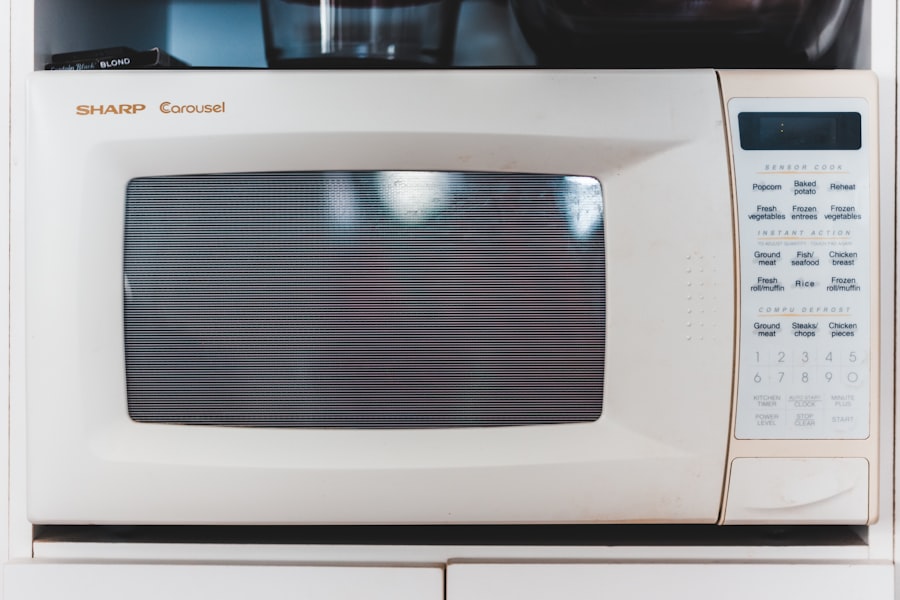
The microwave oven, while a marvel of convenience, has inherent design limitations that contribute to uneven heating. Manufacturers strive to mitigate these, but perfect uniformity remains an elusive goal.
The Static Turntable: A Partial Solution
You’ve likely noticed the turntable in most modern microwaves. Its purpose is to try and address the problem of uneven heating.
Rotating the Food: Spreading the Waves (Somewhat)
By rotating the food, the turntable aims to expose all sides of the dish to the varying intensities of the microwave field. This helps to average out the heating over time.
The Limits of Rotation
However, the turntable isn’t a magic wand. It can only do so much to counteract the fundamental wave patterns within the cavity. If there are persistent hot spots and cold spots, rotating the food will only distribute this unevenness more broadly.
Not All Microwaves Have Them
Older or more basic microwave models might not even have a turntable, exacerbating the uneven heating issue.
The Waveguide and Antenna: Directing the Energy
The waveguide channels the microwaves from the magnetron into the cooking cavity, and the antenna within the cavity helps to distribute them.
Fixed Antenna Patterns
The design of the antenna dictates how the microwaves are initially spread. These patterns are often fixed and can contribute to localized areas of higher or lower energy.
Reflections and Absorption
The way microwaves reflect off the walls and are absorbed by the food creates complex energy distribution patterns that are difficult to perfectly equalize.
Strategies for Even Heating: Your Role in the Microwave Mission
While the physics of microwave heating can be frustrating, you’re not entirely powerless. There are several techniques you can employ to improve the evenness of your heated meals.
Arranging Your Food: Thoughtful Placement is Key
How you arrange your food in the microwave can make a significant difference.
Density Matters: Placing Thicker Parts Towards the Outside
If you have a dish with varying thickness, like a round casserole, arrange it so that the thicker parts are towards the outer edge of the plate or container. This allows the thinner parts to cook more quickly while the thicker parts have more time to absorb energy.
Creating Space: Avoiding Overcrowding
Don’t pack your microwave full. Leave some space between different pieces of food or different sections of a large item. This allows microwaves to penetrate more effectively to all areas.
Arranging in a Ring: A Classic Technique
For round dishes, arranging food in a ring with the center empty can be surprisingly effective. This allows the microwaves to reach the outer edges and the central area more evenly.
Stirring and Rearranging: The Intermediate Steps
The most effective way to combat uneven heating is through active intervention.
The Power of Stirring
For liquids like soups, stews, or sauces, stirring midway through the cooking process is essential. This physically moves the hotter liquid from the edges to the cooler center and vice-versa, promoting uniform heat distribution.
Rearranging Solid Foods
For solid foods, like a plate of pasta or rice, carefully rearranging the food with a fork or spoon halfway through can break up hot and cold spots. Scrape the cooler parts from the edges towards the center and vice-versa.
Breaking Apart Large Items
If you’re heating a large, dense item, consider breaking it apart into smaller pieces before microwaving. This increases the surface area exposed to microwaves and allows for more even penetration.
Using the Right Containers: Material Matters
The type of container you use can also influence how your food heats.
Microwave-Safe Materials
Always use containers that are explicitly labeled as microwave-safe. This ensures they won’t melt, warp, or leach harmful chemicals into your food.
Glass and Ceramic: Good Transmitters
Glass and ceramic containers are generally good at allowing microwaves to pass through them. This allows the microwaves to directly interact with your food.
Plastic Considerations
While many plastics are microwave-safe, some can absorb microwaves, leading to uneven heating of the food itself. Thicker plastics can also act as insulators.
Metal and Foil: The Enemies of Microwaves
Never put metal or aluminum foil in a microwave. Metal reflects microwaves, which can cause arcing (sparks) and potentially damage your microwave. It also prevents the food from heating.
Microwave food often experiences hot and cold spots due to the way microwaves distribute energy unevenly throughout the cooking process. This phenomenon can lead to frustrating dining experiences, as some areas of your meal may be scalding hot while others remain icy cold. To learn more about the science behind this issue, you can read a related article that delves into the mechanics of microwave cooking and offers tips for achieving more even heating. For further insights, check out this informative piece on microwave cooking.
Beyond the Basics: Advanced Techniques and Considerations
| Reasons for Hot and Cold Spots in Microwave Food |
|---|
| Uneven Distribution of Microwaves |
| Food Density and Thickness |
| Reflection and Absorption of Microwaves |
| Standing Waves in the Microwave Cavity |
| Placement of the Food in the Microwave |
There are further nuances to consider when aiming for perfectly heated microwave meals.
Power Levels: Taming the Microwave’s Intensity
Many microwaves offer adjustable power levels. This is not just about cooking faster; it’s also about controlling the intensity of the microwave energy.
Lower Power for Delicate Foods
Using a lower power setting for a longer time can allow microwaves to penetrate more deeply and heat food more evenly. This is particularly useful for dense or delicate foods that might otherwise overcook on the edges while remaining cold in the center.
Gradual Heating
Lower power levels essentially cycle the magnetron on and off more frequently, providing gentler, more distributed heating.
Defrosting: A Special Case of Uneven Heating
Defrosting in the microwave is notoriously tricky, often leading to partially cooked edges and still-frozen centers.
Using the Defrost Setting
Most microwaves have a dedicated defrost setting, which typically uses lower power levels and cycles the magnetron on and off to help thaw food more gently.
Manual Defrosting Techniques
If your microwave doesn’t have a specific defrost setting, or if you find it ineffective, you can manually defrost by using a very low power level (e.g., 30% or 40%) and cooking in short intervals, checking and breaking apart the food frequently.
Removing Packaging
Always remove food from its original packaging before defrosting in the microwave, especially if the packaging contains any metal components.
Resting Time: The Silent Healer
Once your food is out of the microwave, don’t dive in immediately. Letting it rest can be surprisingly beneficial.
Residual Heat Distribution
Even after the microwave has stopped, the heat within your food continues to distribute. The hot spots will gradually transfer their energy to the cooler areas.
Covering Your Food
Covering your food while it rests can help trap steam and retain heat, further promoting even temperature distribution. This is especially useful for dense items like roasts or baked potatoes.
The Future of Microwave Heating: Innovations on the Horizon
While current microwave technology has its limitations, researchers and engineers are constantly exploring ways to improve heating uniformity.
Advanced Antenna Designs
New antenna designs and multiple magnetrons are being explored to create more complex and even microwave fields within the oven cavity.
Intelligent Sensors
The development of sensors that can measure the temperature of food in real-time and adjust microwave power accordingly holds promise for truly intelligent and uniform cooking.
Hybrid Ovens
Some ovens are now combining microwave technology with convection or grill elements to offer a more versatile and potentially more evenly heated cooking experience.
In conclusion, the uneven heating you experience in your microwave is a multifaceted issue rooted in the physics of how microwaves interact with food. It’s a dance between the invisible waves, the molecular composition of your meal, and the engineering of the appliance itself. By understanding these principles and employing a few simple strategies, you can transform your microwave from a culinary roulette wheel into a reliable tool for preparing consistently warm and delicious food. So, the next time you find yourself with a dish of hot and cold surprises, remember it’s not a mystery, but a fascinating lesson in applied science.
Your Microwave Doesn’t Work the Way You Think
FAQs
1. Why does microwave food have hot and cold spots?
Microwaves heat food unevenly because the waves are absorbed more in some areas than others, leading to hot and cold spots.
2. How can hot and cold spots in microwave food be avoided?
To avoid hot and cold spots, it is recommended to stir or rotate the food during the microwaving process to ensure even heating.
3. What causes hot spots in microwave food?
Hot spots in microwave food are caused by the uneven distribution of microwave energy, leading to certain areas heating up more quickly than others.
4. How can cold spots in microwave food be prevented?
To prevent cold spots, it is important to arrange the food in a microwave-safe dish in a way that promotes even distribution of heat, and to use microwave-safe covers to trap steam and aid in even cooking.
5. Are hot and cold spots in microwave food harmful to consume?
Hot and cold spots in microwave food can lead to unevenly cooked food, which may result in some parts being undercooked and potentially unsafe to consume. It is important to ensure that microwave food is heated thoroughly to avoid any potential health risks.