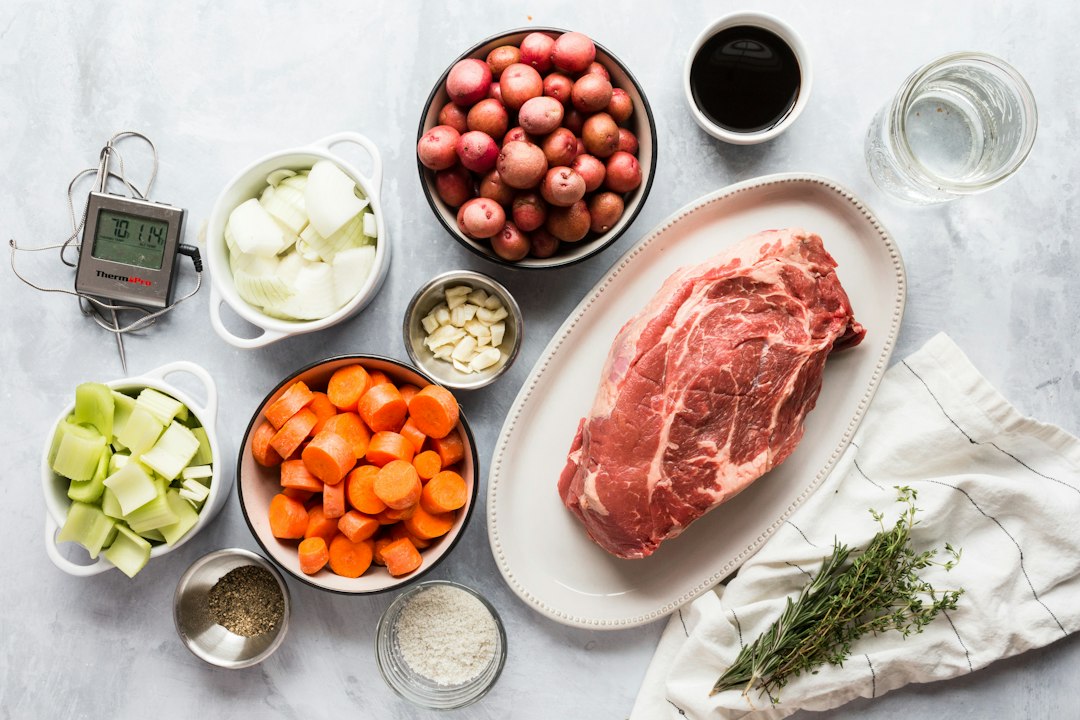
The allure of the pressure cooker is its promise of speed. In a fraction of the time it takes for conventional cooking methods, it can transform tough cuts of meat into tender, succulent delights, and simmer beans until perfectly soft. However, a common lament among home cooks is the tendency for meat to emerge from the pressure cooker dry and unappealing. This paradox – achieving tenderness through rapid cooking while simultaneously risking desiccation – is a frequent point of confusion. Understanding the science behind pressure cooking and the factors that contribute to moisture loss is the first step in mastering this efficient culinary tool.
The Mechanics of Moisture Mobilization in Pressure Cooking
Pressure cookers operate on a fundamental principle: increasing the boiling point of water by raising the internal pressure. Within the sealed vessel, water transforms into steam, and this steam builds pressure. As the pressure escalates, so does the temperature of the water and steam. This superheated steam penetrates the food more effectively and at a higher temperature than steam in an open pot, accelerating the cooking process dramatically. While this rapid heat transfer is beneficial for breaking down connective tissues and tenderizing meat, it also means that liquids can evaporate more quickly if not managed properly. The contained environment of the pressure cooker traps much of this steam, but it’s not entirely impervious. Over time, and especially during prolonged cooking or rapid pressure release, some moisture can indeed escape.
The Role of Water and Steam
At sea level, water boils at 212°F (100°C). In a typical home pressure cooker, the pressure can reach 15 psi above atmospheric pressure, raising the boiling point of water to around 250°F (121°C). This elevated temperature is what allows food to cook so quickly. The steam, being a gaseous form of water, carries a significant amount of heat energy. When this superheated steam comes into contact with the meat, it transfers heat rapidly, causing the muscle fibers to denature and the connective tissues to break down. This process is crucial for tenderness. However, the very act of converting water to steam and circulating it at high pressure means that there is a constant movement of moisture within the cooker. If the meat is not sufficiently submerged or if the cooking time is excessive, this circulating steam can carry away the meat’s own inherent moisture, leading to dryness.
Understanding Vaporization and Escape Routes
While pressure cookers are designed to be sealed, they are not hermetically sealed. There are pressure release valves, and even the lid seal, while effective, is not perfectly impermeable to gas over extended periods. During the cooking cycle, some vapor will inevitably escape through the pressure regulator or safety valves. This is a necessary function to maintain the correct pressure. More significantly, the rapid release of pressure at the end of the cooking cycle, whether natural or quick release, can cause a sudden expulsion of steam and, consequently, some of the liquid contained within the food. This abrupt change in pressure can draw moisture out of the meat as the steam dissipates.
When using a pressure cooker, many people encounter the issue of meat drying out, which can be frustrating and lead to less-than-desirable meals. Understanding the science behind this phenomenon can help improve cooking techniques and outcomes. For a deeper dive into the reasons why meat can dry out in a pressure cooker and tips on how to prevent it, you can read a related article on this topic at Freaky Science. This resource provides valuable insights that can enhance your cooking experience and ensure tender, juicy results.
Identifying the Culprits Behind Dry Pressure-Cooked Meat
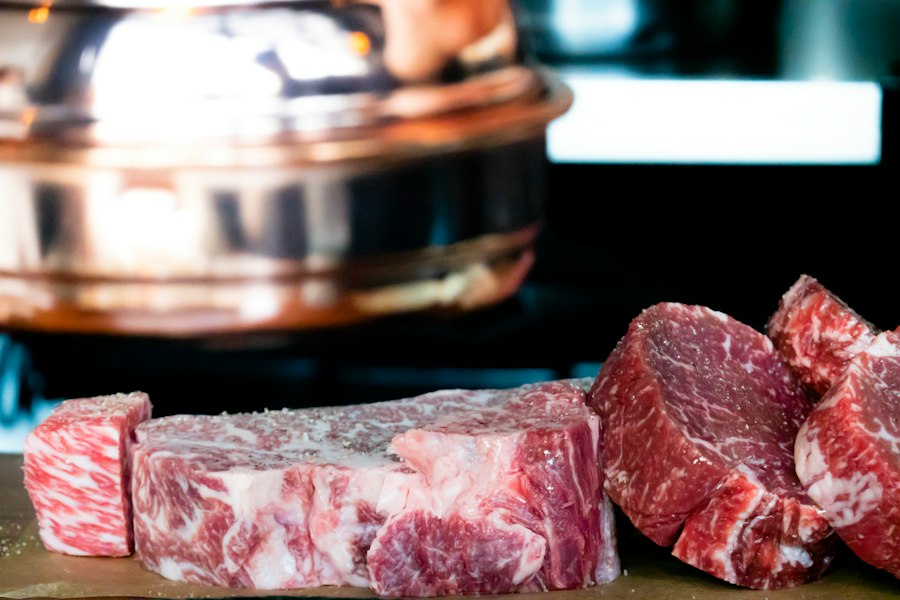
Several factors can contribute to meat drying out in a pressure cooker, even when following general guidelines. These often stem from a misunderstanding of the interaction between the meat, the cooking liquid, and the pressure cooking environment itself. It’s not just about the pressure; it’s about how the meat is prepared and how the cooker is used.
Insufficient Cooking Liquid
One of the most common reasons for dry meat in a pressure cooker is an inadequate amount of cooking liquid. The pressure cooker relies on liquid to generate steam. Without sufficient liquid, the cooker will not build proper pressure, and the steam that is produced will be less voluminous and potentially at a lower temperature. This can lead to uneven cooking and, more importantly, a lack of the moist environment needed to keep the meat hydrated. The liquid also plays a vital role in transferring heat and flavor to the meat.
Overcooking and Excessive Cooking Time
The speed of pressure cooking can be a double-edged sword. While it reduces cooking times significantly compared to conventional methods, it also means that overcooking happens much faster. If a recipe calls for a certain cooking time and the cook extends it unnecessarily, the meat will continue to lose moisture. The high temperatures within the pressure cooker can quickly render even tender cuts dry and tough if left to cook for too long. This is particularly true for leaner cuts of meat that have less natural fat to help retain moisture.
The Impact of Meat Type and Cut
Different cuts of meat have varying fat and connective tissue content, which directly affects their propensity to dry out. Leaner cuts, such as chicken breast, pork tenderloin, and some beef steaks, have less intramuscular fat to baste them during the cooking process. Consequently, they are more susceptible to drying out in the high-heat, high-moisture environment of a pressure cooker. Tougher, fattier cuts like chuck roast, brisket, or pork shoulder, on the other hand, benefit immensely from pressure cooking. The fat renders and bastes the meat, while the long cooking time breaks down connective tissues, leading to moist, tender results. Trying to pressure cook a very lean cut for the same duration as a fattier cut will almost certainly result in dryness.
Rapid Pressure Release
The method of pressure release at the end of cooking can have a significant impact on the final texture of the meat. A quick release, while saving time, involves a rapid expulsion of steam. This sudden depressurization can pull moisture out of the meat. Natural release, on the other hand, allows the pressure to subside gradually. As the pressure drops slowly, the steam within the meat and the cooker is released more gently, allowing the meat to reabsorb some of the released moisture and preventing a drastic loss.
Strategies for Preserving Moisture During Pressure Cooking
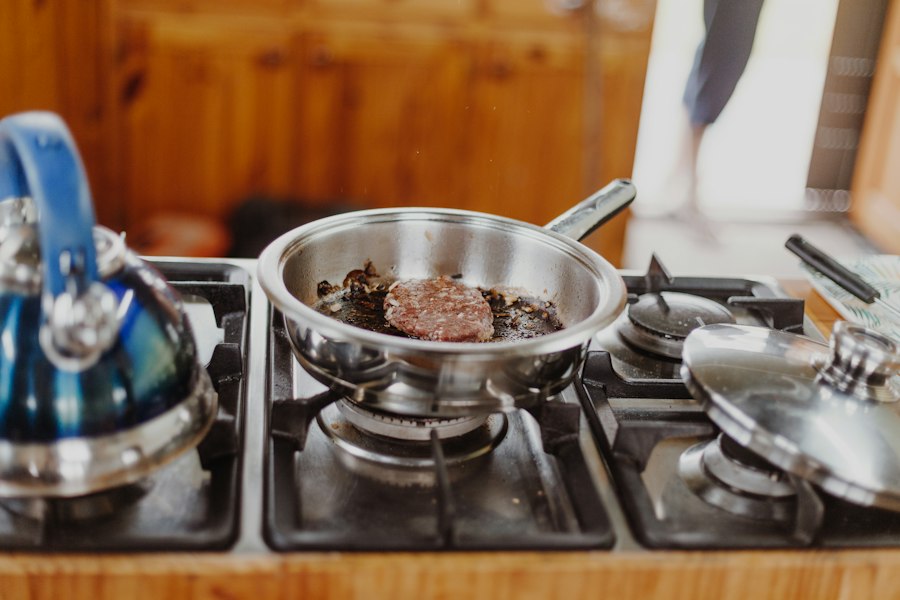
Fortunately, preventing meat from drying out in a pressure cooker is achievable with a few key strategies. These involve careful preparation, precise timing, and mindful use of the pressure release mechanism. By understanding the underlying principles, cooks can harness the efficiency of their pressure cooker without sacrificing succulence.
The Crucial Role of Adequate Liquid
The amount of liquid in a pressure cooker is paramount. Most pressure cooker manufacturers specify a minimum amount of liquid required to build pressure, typically around 1 to 2 cups, depending on the size of the cooker. However, this is a bare minimum for the cooker to function. For cooking meat, especially larger cuts or when making a stew or braise, more liquid is often beneficial. This ensures a consistent and moist cooking environment. The liquid acts as a medium for heat transfer and steaming, and the meat can absorb some of this moisture during cooking. Consider the type of meat; fattier cuts may require slightly less liquid than very lean ones, as they will release their own fats. Always refer to your pressure cooker’s manual for specific liquid requirements and consult recipes for guidance on appropriate liquid amounts for different dishes.
Mastering Cooking Times and Doneness
Accurate cooking times are essential for succulent pressure-cooked meat. Pressure cooking significantly reduces cooking times, so it’s crucial to adjust recipes accordingly. Overcooking is a primary culprit of dry meat. When in doubt, it’s often better to err on the side of undercooking slightly, as you can always return the meat to the pressure cooker for a few more minutes to reach desired doneness. For cuts that are prone to drying, like chicken breast, using an instant-read thermometer to check for doneness is highly recommended. For poultry, aim for an internal temperature of 165°F (74°C), and for pork, 145°F (63°C) followed by a 3-minute rest. For beef, the target temperature will vary depending on the desired level of doneness, but remember that carryover cooking will continue after the pressure is released.
The Art of Selecting and Preparing Meat
The choice of meat cut plays a significant role in its moisture retention during pressure cooking. Opt for cuts with good marbling and connective tissue for dishes where tenderness and moisture are paramount. Cuts like chuck roast, pork shoulder, lamb shoulder, and beef ribs are excellent choices as their fat and collagen break down to create a moist and flavorful result. For leaner cuts, such as chicken breasts or pork tenderloin, it’s crucial to shorten the cooking time and ensure they are not overcooked. Trimming excess fat can be done, but leaving some marbling will contribute to moisture retention. Consider brining or marinating leaner cuts before pressure cooking to further enhance their moisture content and flavor.
The Benefits of Natural Pressure Release
For most meats, especially larger roasts and tougher cuts, a natural pressure release is the preferred method. This gentle decrease in pressure allows the steam to dissipate slowly, preventing a sudden draw of moisture from the meat. The residual heat and steam within the cooker continue to cook the meat gently, and the meat can reabsorb some of the released liquids. A natural release can take anywhere from 10 to 30 minutes or more, depending on the amount of food and liquid in the cooker. If time is a concern, a partial natural release, followed by a controlled quick release, can be a compromise. However, for optimal moisture retention, a full natural release is often the best approach.
Advanced Techniques for Optimal Moisture Retention
Beyond the fundamental strategies, several advanced techniques can elevate the moisture content and succulence of your pressure-cooked meats. These involve pre-treatment of the meat and thoughtful manipulation of the cooking environment to maximize liquid retention.
Browning and Searing: The Flavor and Moisture Foundation
Browning or searing the meat before pressure cooking is a critical step that significantly impacts both flavor and moisture retention. While pressure cooking itself doesn’t typically achieve the Maillard reaction (the browning process), searing in the pressure cooker pot (if it’s stovetop safe) or a separate pan before transferring the meat to the pressure cooker creates a flavorful crust. This crust not only adds depth of flavor but also helps to seal in the meat’s natural juices. The slightly caramelized surface acts as a barrier, preventing excessive moisture loss during the high-pressure cooking phase. Don’t overcrowd the pan when searing; cook in batches if necessary to achieve a proper brown rather than steaming the meat.
Embracing Marinades and Brines
For leaner cuts of meat or when aiming for an extra layer of moisture and flavor, marinades and brines are invaluable tools. A brine, typically a solution of salt and water, helps the meat retain more moisture by altering the protein structure. The salt denatures proteins, allowing them to absorb and hold onto more water. Marinades, which can include acidic ingredients like vinegar or citrus juice, tenderize the meat and infuse it with flavor. While acidic marinades can sometimes contribute to mushiness if overused or if the meat is cooked for too long, they generally enhance moisture retention. Ensure that any marinade or brine liquid is accounted for when calculating the total liquid needed for pressure cooking.
Using Fats and Flavorful Liquids
Incorporating healthy fats into your pressure cooking can dramatically improve moisture. This can be achieved by using fattier cuts of meat or by adding a small amount of fat, such as butter, oil, or even a few slices of bacon, to the cooking liquid. The fat will render during cooking, basting the meat and contributing to a richer, more moist final product. Furthermore, consider the type of liquid used. Instead of plain water, opt for flavorful broths, stocks, wine, or beer. These liquids not only add depth of flavor but can also contribute to the overall moisture content and mouthfeel of the dish. The salt content in broths and stocks can also aid in moisture retention, similar to brining.
The Power of Post-Cooking Resting
Just as with traditional oven-roasted meats, allowing pressure-cooked meat to rest after cooking is crucial for optimal moisture. Once the pressure is released and the meat is removed from the cooker, cover it loosely with foil and let it rest for 5-15 minutes. During cooking, the meat fibers contract, pushing moisture towards the center. Resting allows these fibers to relax and redistribute the juices throughout the meat. Skipping this step can result in a significant loss of moisture when the meat is sliced, as the juices will simply run out onto the plate.
When cooking meat in a pressure cooker, one common issue that many encounter is the tendency for the meat to dry out. This can often be attributed to the high cooking temperatures and the rapid cooking process that pressure cookers employ. To better understand this phenomenon and explore ways to prevent it, you might find it helpful to read a related article that discusses the science behind cooking meat and offers tips for achieving the perfect texture. For more insights, check out this informative piece on Freaky Science.
Troubleshooting Common Pressure Cooker Meat Issues
| Factor | Description | Impact on Meat Dryness | Typical Metric/Value |
|---|---|---|---|
| Cooking Time | Duration meat is exposed to heat and pressure | Longer times can cause moisture loss and dryness | Over 30 minutes for lean cuts |
| Pressure Level | Amount of pressure inside the cooker (usually measured in psi) | Higher pressure cooks faster but can toughen meat if overdone | Typically 10-15 psi |
| Meat Cut Type | Fat content and muscle structure of the meat | Lean cuts dry out faster; fatty cuts retain moisture better | Lean (e.g., chicken breast), Fatty (e.g., pork shoulder) |
| Liquid Amount | Quantity of cooking liquid used in the pressure cooker | Insufficient liquid leads to drying; adequate liquid helps retain moisture | At least 1 cup (240 ml) recommended |
| Natural Release vs Quick Release | Method of releasing pressure after cooking | Quick release can cause sudden moisture loss; natural release helps retain juices | Natural release time: 10-15 minutes |
| Initial Searing | Pre-cooking step to brown meat before pressure cooking | Helps seal juices and improve texture | 2-3 minutes per side |
Even with careful adherence to best practices, occasional setbacks can occur. Understanding how to troubleshoot common problems related to dry or unappealing pressure-cooked meat can save a meal and build confidence in using the appliance.
My Meat is Dry and Tough: What Went Wrong?
If the meat emerges dry and tough, the most probable causes are overcooking or insufficient liquid. Review the recipe’s cooking time and compare it to the specific weight and thickness of the meat used. Leaner cuts require significantly shorter cooking times than fattier cuts. Double-check that the minimum liquid requirement for your pressure cooker was met. If the liquid level was too low, the steam generation would have been insufficient, leading to poor heat transfer and potential drying. Another possibility is that a quick pressure release was used for a cut that benefits from natural release.
My Meat is Falling Apart, But Still Dry
This scenario, while less common, can happen. It suggests that the meat has been cooked for a very long time, breaking down all connective tissues and muscle fibers, but simultaneously losing all its internal moisture. This often occurs with very lean cuts that have been overcooked to the point of disintegration. To prevent this, focus on reducing the cooking time for lean meats and ensure adequate liquid is present. If you’ve experienced this, consider whether the cut was appropriate for pressure cooking or if the cooking time was excessively long.
The Sauce is Too Thin After Pressure Cooking
While not directly related to meat dryness, a thin sauce is a common pressure cooker outcome. This often happens because the liquid that forms the sauce is also used to generate steam, so some of it is lost. To thicken the sauce, remove the meat from the pressure cooker and select the sauté or simmer function. Allow the liquid to simmer and reduce, or thicken it with a slurry of cornstarch or flour mixed with a little cold water. For future pressure cooking, consider cooking the meat in a slightly smaller amount of liquid or planning to reduce the sauce afterwards.
My Meat Lacks Flavor After Pressure Cooking
If the meat is cooked well but lacks flavor, it could be due to a few reasons. Insufficient seasoning before cooking is a primary culprit. Ensure you are salting and peppering the meat adequately before searing or placing it in the cooker. Using bland cooking liquid like plain water instead of broth or stock can also contribute to a lack of flavor. Remember that the enclosed environment of the pressure cooker can sometimes mute flavors if they are not introduced effectively from the start. Browning the meat thoroughly before pressure cooking is also key to developing complex flavors. If the meat is cooked but bland, consider serving it with a flavorful sauce or gravy to compensate.

Why This Water Doesn’t Boil at 100°C
FAQs
1. Why does meat dry out in a pressure cooker?
Meat can dry out in a pressure cooker if it is cooked for too long or at too high of a temperature. The intense heat and pressure can cause the meat’s proteins to tighten and squeeze out moisture, resulting in a dry texture.
2. How can I prevent meat from drying out in a pressure cooker?
To prevent meat from drying out in a pressure cooker, make sure to use enough liquid in the cooking process to create steam. You can also add ingredients like broth, wine, or vegetables to help keep the meat moist. Additionally, be mindful of the cooking time and temperature to avoid overcooking the meat.
3. Does the cut of meat affect how dry it becomes in a pressure cooker?
Yes, the cut of meat can affect how dry it becomes in a pressure cooker. Lean cuts of meat, such as chicken breasts or pork loin, are more prone to drying out compared to fattier cuts like pork shoulder or beef chuck. Fattier cuts tend to stay moist and tender during pressure cooking.
4. Can I use a natural release method to prevent meat from drying out in a pressure cooker?
Yes, using a natural release method can help prevent meat from drying out in a pressure cooker. Allowing the pressure to release naturally for a few minutes before manually releasing the remaining pressure can help the meat retain its juices and tenderness. Quick release methods can cause the meat to dry out more quickly.
5. Are there any specific cooking techniques I can use to keep meat moist in a pressure cooker?
One technique to keep meat moist in a pressure cooker is to sear the meat before pressure cooking. Searing helps lock in the meat’s juices and adds flavor. You can also try marinating the meat beforehand or using a cooking liquid with added fats like oil or butter to help keep the meat moist during the cooking process.