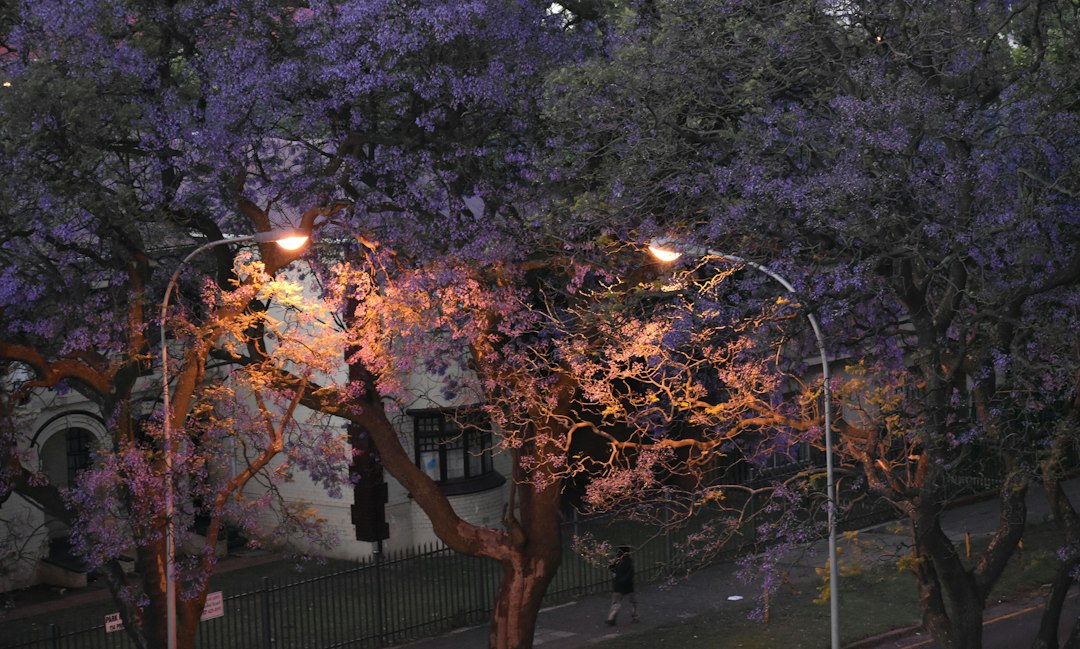
So, you’ve noticed some streetlights looking a bit… purple? It’s a common sight, and thankfully, it’s usually not a cause for panic. The main reason LED streetlights start showing a purple hue is a degradation issue with the phosphors used in the light’s construction.
The Science Behind the Purple Haze: Phosphor Breakdown
LEDs don’t inherently produce purple light. They typically emit a bright white light by using a blue LED chip coated with a yellow phosphor. When the blue light from the LED chip passes through this yellow phosphor, it excites the phosphor, causing it to re-emit light. The combination of the remaining blue light and the emitted yellow light blends together to create what we perceive as white light. This is a clever way to generate broad-spectrum white light from a single-color LED.
How Phosphors Work in LEDs
Think of phosphors as tiny, light-emitting particles. When they absorb energy (in this case, from the blue LED light), they get “excited” and then release that energy as light of a different color. In standard white LEDs, the specific mix of phosphors is designed to produce a balanced output across the visible spectrum, making the light appear white to our eyes.
The Role of the Yellow Phosphor
The yellow phosphor is crucial for turning the raw blue light of the LED chip into the white light we’re used to. It absorbs some of the blue light and re-emits it as yellow light. When this re-emitted yellow light mixes with the blue light that passed through unaffected, it creates the white light. The precise color temperature of the white light (warm white, cool white, etc.) is determined by the specific composition and thickness of this phosphor coating.
Why Yellow Phosphors Degrade
Over time and with continuous use, these phosphors can degrade. Several factors contribute to this breakdown, and it’s this degradation that shifts the color of the light. Imagine the phosphor coating as a delicate paint layer. Constant exposure to heat, moisture, and the intense blue light itself can cause it to slowly break down and lose its ability to effectively convert blue light into yellow.
LED streetlights have gained popularity for their energy efficiency and longevity; however, a concerning issue has emerged regarding their tendency to emit a purple hue, which can be unsettling for residents and wildlife alike. This phenomenon is often attributed to the specific wavelengths of light produced by certain LED technologies, which can disrupt natural ecosystems and impact human circadian rhythms. For a deeper understanding of this issue and its implications, you can read more in the related article found here: Why LED Streetlights Fail Purple.
Factors Leading to Phosphor Degradation
It’s not just one thing that makes those phosphors give up the ghost. A combination of environmental factors and inherent material properties can accelerate their decline. Understanding these culprits can help us appreciate why this phenomenon occurs and what can be done about it.
Heat Stress and Its Impact
Heat is a significant enemy of electronic components, and phosphors are no exception. LEDs generate heat as a byproduct of their operation, and while they are designed to manage this, prolonged exposure to high temperatures can accelerate the degradation of the phosphor material. Think of it like leaving a delicate piece of plastic out in the sun for too long – it starts to change and become brittle. In LEDs, the heat can cause chemical changes within the phosphor, altering its light-emitting properties.
Moisture and Environmental Contaminants
Streetlights are exposed to the elements, and moisture can be a sneaky saboteur. When water seeps into the fixture, it can react with the phosphor coating. Furthermore, airborne pollutants and dust can settle on the phosphor layer, creating a barrier or even initiating chemical reactions that lead to degradation. These contaminants can disrupt the precise crystalline structure of the phosphor, affecting how it absorbs and re-emits light.
The Blue Light Effect: Self-Inflicted Damage
Ironically, the very blue light that helps the phosphor do its job can also contribute to its demise. The high-energy blue photons can, over extended periods, cause damage to the phosphor itself. It’s a bit like a self-consumption process, where the light source is slowly eroding the very material that helps it produce white light. This effect is more pronounced in certain types of phosphors and under high operating currents.
Material Quality and Manufacturing Variations
Not all phosphors are created equal. The quality of the materials used during the manufacturing process plays a critical role in their lifespan. Variations in the purity of the phosphor powder, the consistency of the phosphor slurry, and the precision of the coating application can all lead to LEDs that are more susceptible to premature degradation. Even within the same batch of LEDs, there can be minor differences that lead to some failing with a purple hue sooner than others.
The Visible Shift: Why Purple, Not Another Color?
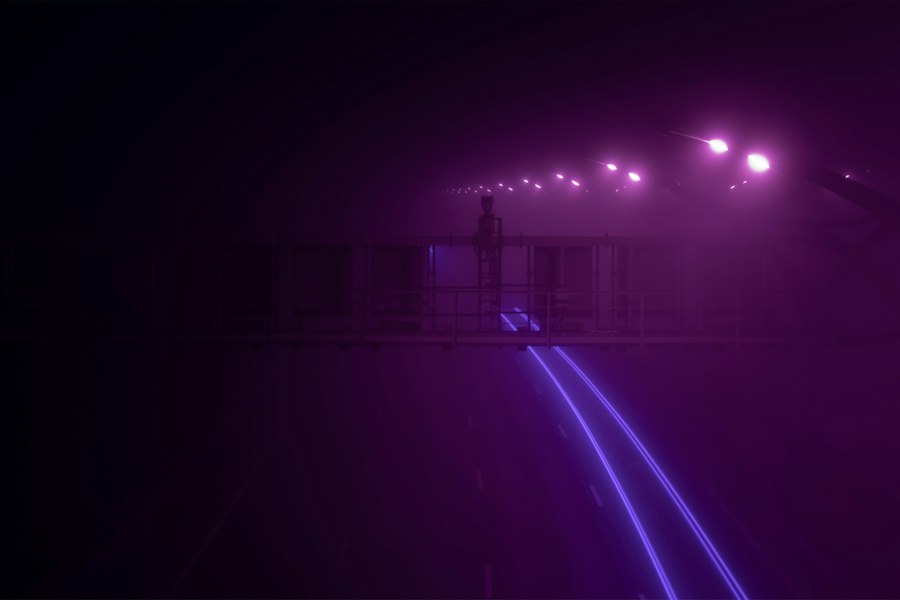
The specific way phosphors degrade leads to the characteristic purple hue. It’s not random; it’s a predictable consequence of how the phosphor’s light-emitting properties change. When the yellow phosphor starts to break down, it becomes less efficient at converting blue light into yellow. This means more of the original blue light passes through the coating unaffected, while the emitted yellow light is weaker.
Reduced Yellow Emission
As the phosphor degrades, its ability to emit yellow light diminishes. Imagine a paint that’s fading – it loses its vibrancy. Similarly, the yellow component of the light output weakens. This reduction in yellow light means the blue component of the original LED light becomes more dominant in the final visible spectrum.
Increased Dominance of Blue Light
With less yellow light being produced by the degraded phosphor, the overall light appears to have a stronger blue component. When the remaining blue light is combined with a reduced amount of yellow light, our eyes perceive this imbalance as a shift towards the blue end of the spectrum.
The Purple Spectrum Illusion
The combination of a strong blue light and a weak yellow light, when blended, doesn’t just look “bluer.” It often results in a purplish or even pinkish tint. This is because the eye’s perception of color is complex, and the specific wavelengths that are either amplified or diminished due to phosphor degradation land us in the purple region of our visual experience. It’s not that the LED is actually emitting pure purple light, but rather that the mixture of remaining blue and weakened yellow light is interpreted by our brains as purple.
Solutions and Prevention: Keeping Streetlights White
Fortunately, the industry is aware of this issue and is actively working on solutions. From improved manufacturing techniques to exploring alternative phosphor chemistries, there are ways to combat the purple problem and extend the life of LED streetlights.
Enhancements in Phosphor Technology
Researchers are constantly developing new and more robust phosphor materials. These advanced phosphors are engineered to be more resistant to heat, moisture, and the damaging effects of blue light. This includes exploring different chemical compositions and particle structures that can withstand the rigors of long-term outdoor operation. The goal is to create phosphors that maintain their light-emitting efficiency and color balance for the intended lifespan of the LED.
Improved Encapsulation and Sealing
The way LEDs are protected from the environment is also being refined. Better sealing techniques and more durable encapsulation materials can prevent moisture and contaminants from reaching the delicate phosphor coating. This involves using high-quality silicone or epoxy resins that are resistant to UV degradation and provide a robust barrier against external elements. Think of it as giving the LED a more effective raincoat and boots.
Thermal Management Strategies
Effective thermal management within the streetlight fixture is crucial. This means designing fixtures that can efficiently dissipate heat away from the LED module. This can involve using heat sinks, better airflow designs, and selecting materials with good thermal conductivity. By keeping the LED chips and phosphors cooler, their lifespan is significantly extended, and the rate of phosphor degradation is reduced.
Quality Control and Testing
Rigorous quality control during the manufacturing process is paramount. This includes testing raw materials, monitoring the coating application process, and conducting accelerated aging tests on finished products. By identifying and addressing potential issues early in the production cycle, manufacturers can ensure that the LEDs they release are more reliable and less prone to premature color shift.
LED streetlights have gained popularity for their energy efficiency and longevity, but they can sometimes emit an undesirable purple hue, which raises concerns among communities. This phenomenon is often attributed to the quality of the LED chips used and the way they interact with the surrounding environment. For a deeper understanding of the challenges associated with LED streetlights, including the reasons behind their color inconsistencies, you can read more in this insightful article on Freaky Science.
The Future of Streetlight Illumination
| Failure Cause | Description | Impact on LED Streetlights | Common Metrics |
|---|---|---|---|
| Phosphor Degradation | Breakdown of phosphor coating that converts blue LED light to white | Light shifts towards purple/blue spectrum | Phosphor lifetime: 10,000-20,000 hours; Color shift ΔCCT > 1000K |
| Blue LED Chip Aging | Degradation of the blue LED chip itself causing spectral changes | Increased blue light emission, causing purple hue | Luminous flux decrease: 20-30% over 25,000 hours; Peak wavelength shift: 10-15 nm |
| Thermal Stress | Excessive heat causing damage to LED components and phosphor | Accelerated color shift and reduced lifespan | Operating temperature > 85°C; Junction temperature rise > 10°C above spec |
| Electrical Overstress | Voltage/current spikes damaging LED driver and chips | Irregular color output including purple tint | Voltage spikes > rated voltage by 20%; Current surges > 1.5x nominal |
| Moisture Ingress | Water or humidity entering the fixture causing corrosion | Degradation of phosphor and LED chips leading to color shift | Ingress Protection rating below IP65; Humidity > 85% RH |
While the purple streetlight phenomenon has been a notable challenge, it’s driving innovation in the LED industry. The lessons learned from phosphor degradation are leading to the development of even more durable and efficient lighting solutions.
New Phosphor Formulations
Beyond just improving existing phosphors, scientists are looking at entirely new formulations. This includes exploring phosphors that are inherently more stable or investigating different approaches to generating white light altogether, such as using quantum dots or multi-chip white LEDs that don’t rely on a single phosphor coating.
Different Approaches to White Light Generation
One promising area is the development of LED packages that don’t solely rely on a yellow phosphor. This could involve using multiple colored LED chips (e.g., red, green, and blue) that are precisely controlled to produce white light, or employing advanced phosphors that can emit a broader spectrum of colors when excited by blue light. These alternative methods aim to bypass the degradation issues associated with traditional yellow phosphors.
Extended Lifespans and Reduced Maintenance
The ultimate goal of these advancements is to create LED streetlights that last longer, require less maintenance, and maintain their consistent light output for their entire operational life. This translates to significant cost savings for municipalities and a more reliable and aesthetically pleasing urban environment for everyone. As technology progresses, we can expect streetlights to become even more robust and reliable.
Why The Streetlights Are Turning Purple
FAQs
Why are LED streetlights turning purple?
LED streetlights can turn purple due to a phenomenon called “phosphor thermal quenching,” where the phosphor material used in the LED chips loses efficiency at higher temperatures, causing a shift in color towards the blue and purple spectrum.
What are the common causes of LED streetlights failing and turning purple?
Common causes of LED streetlights failing and turning purple include poor thermal management, overdriving the LEDs, using low-quality components, and exposure to harsh environmental conditions such as extreme temperatures or moisture.
How does the color shift in LED streetlights affect visibility and safety?
The color shift towards purple in LED streetlights can affect visibility and safety by distorting color perception, reducing contrast, and impacting the ability to distinguish objects at night. This can lead to potential hazards for drivers, pedestrians, and cyclists.
Can the issue of LED streetlights turning purple be fixed or prevented?
The issue of LED streetlights turning purple can be addressed by improving the design of the fixtures to enhance thermal management, using high-quality LEDs and components, implementing proper maintenance practices, and selecting LEDs with better color stability over a wide temperature range.
Are there any long-term implications of LED streetlights failing and emitting a purple hue?
Long-term implications of LED streetlights failing and emitting a purple hue include increased energy consumption, reduced lifespan of the fixtures, potential safety hazards due to poor visibility, and the need for costly replacements or repairs. Addressing the issue promptly is crucial to avoid these consequences.