
Ever noticed a streetlight with a distinctly purple hue and wondered what’s up with that? It’s not a glitch, and it’s not some fancy new aesthetic choice. The purple glow you’re seeing is usually a sign that an older type of streetlight, specifically a high-pressure sodium (HPS) lamp, is reaching the end of its lifespan. Think of it as the streetlight’s way of telling you it’s getting tired.
The Usual Suspect: High-Pressure Sodium Lamps
These are the workhorses of street lighting that you’ve probably seen for decades. They’re known for being energy-efficient and long-lasting, which is why they became so popular for illuminating our streets, highways, and public spaces. Their typical color is a warm, yellowish-orange. However, when they start to fail, something interesting happens to their light output.
How HPS Lamps Make Light
To understand why they turn purple, we need a quick peek inside. An HPS lamp is a type of gas-discharge lamp. It works by passing an electric arc through a mixture of gases and metal salts inside a sealed tube. The primary gas is xenon, which helps initiate the arc. Once the arc is established, it heats up the metal salts, causing them to vaporize and emit light.
The Role of Sodium
The key ingredient here, as the name suggests, is sodium. When the sodium vapor is heated by the electric arc, its atoms get excited. This means their electrons jump to higher energy levels. As these electrons fall back down to their normal energy levels, they release energy in the form of light. Sodium, in particular, emits light in a few specific wavelengths. The most prominent emission from sodium vapor is a doublet at 589.0 and 589.6 nanometers (nm) in the yellow part of the visible spectrum. This is why HPS lamps are typically yellowish-orange.
Other Gases and Their Contribution
While sodium is the main player for the yellow light, HPS lamps also contain other elements, like mercury and small amounts of other metal halides. These are added to improve the color rendering (how accurately colors appear under the light) and to boost the overall light output and efficiency. Mercury, for instance, emits a bluish light, and other halides can contribute to other colors. The combination of these emissions is what gives a typical HPS lamp its characteristic warm, somewhat muted color.
Have you ever wondered why your streetlight is purple? This unusual color is often associated with LED streetlights that have been installed to improve energy efficiency and visibility. For more insights into the reasons behind this trend and its impact on urban lighting, you can read a related article at Freaky Science. This article delves into the technology behind purple streetlights and their benefits for communities.
The Science of the Fade: Why Purple?
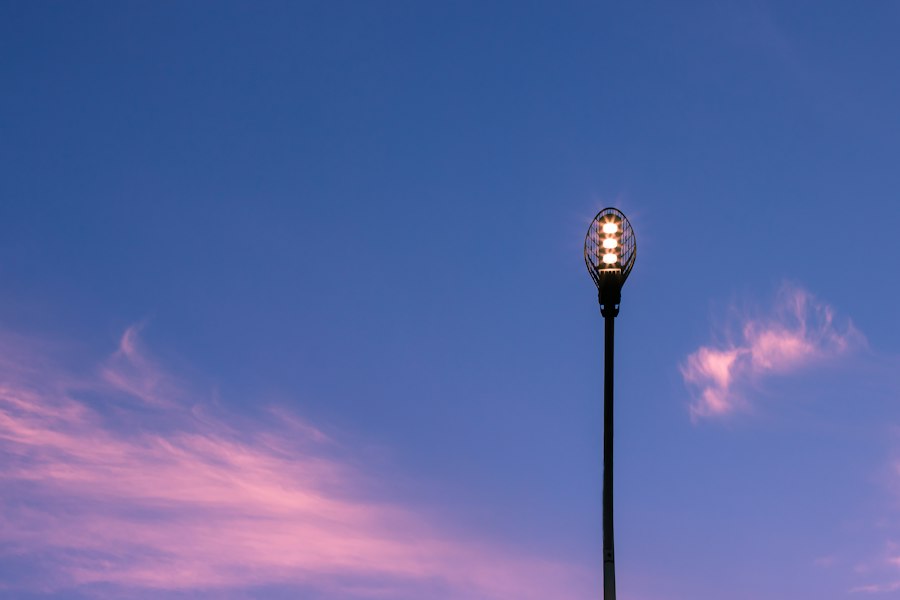
So, if HPS lamps are supposed to be yellow-orange, why do they sometimes look purple? It all comes down to how the lamp degrades over time and the specific way sodium vapor emits light. It’s a bit like a color mixer going haywire.
The Sodium Doublet Dominance
Remember that strong yellow emission from sodium? That’s usually the dominant color. However, as the lamp ages, the materials inside the arc tube start to change. The electrodes, for example, can erode, and the inside of the arc tube can become contaminated. These changes can affect the balance of elements and the plasma conditions within the lamp.
Shifting Emission Spectra
As the lamp deteriorates, the intensity of the yellow sodium lines can decrease relative to other emissions. This is often due to changes in the vapor pressure and temperature within the arc tube, which affect how the sodium atoms are excited and how they emit light. At the same time, the emissions from other elements, or even other, less intense lines from sodium itself, might become more noticeable.
The Blue-ish Shift
When the yellow output diminishes, the light that’s left can appear to shift towards the bluer end of the spectrum. The mercury vapor, which is always present, contributes a bluish component. If the lamp’s internal chemistry changes in a way that suppresses the yellow sodium lines more than the blue or other spectral contributions, the overall color perceived by our eyes can start to look more bluish or even violet-purple. It’s not that the lamp is suddenly emitting new colors, but rather that the balance of existing colors has changed, making the less dominant ones more apparent.
A Sign of Impending Doom
This purple or sometimes even pinkish hue is a classic symptom of an aging HPS lamp. It means the lamp is no longer operating at its peak efficiency and is likely to fail completely very soon. It’s an electrical signal, in a way, that the lamp is on its last legs and needs to be replaced.
Beyond Sodium: Other Lamp Technologies
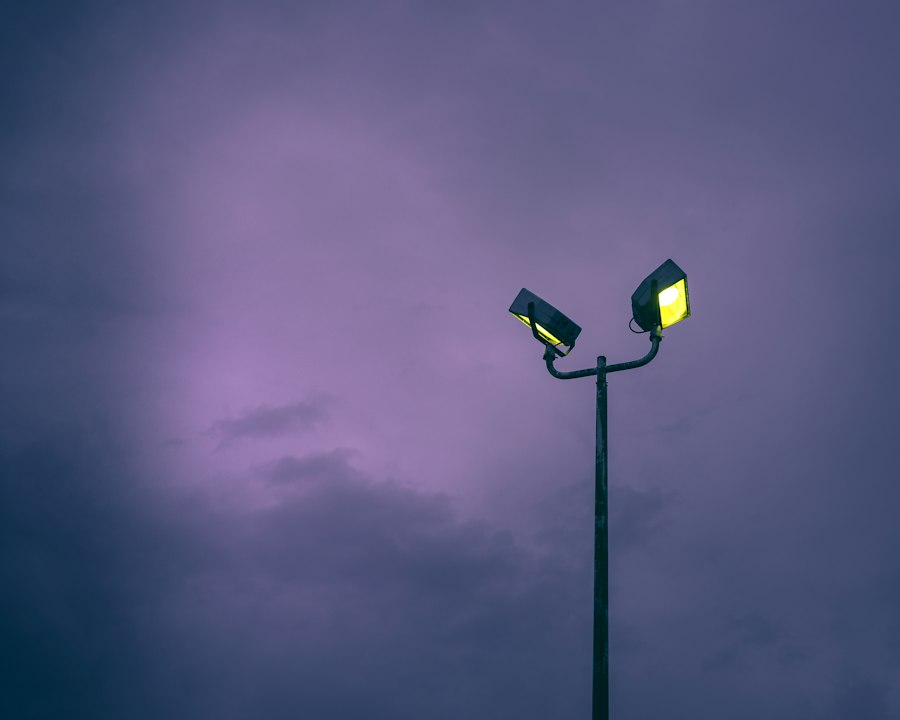
While HPS lamps are the most common culprits for the purple glow, it’s worth noting that other types of street lighting exist, and they have their own unique characteristics and failure modes. Understanding these helps put the HPS phenomenon in context.
Metal Halide Lamps
These lamps are known for producing a brighter, whiter light compared to HPS lamps. They achieve this by using a mixture of metal halides (salts of metals with halogens). They offer better color rendering, making them suitable for areas where seeing colors accurately is important, like traffic intersections or commercial districts. When metal halide lamps age, their color can also shift, often becoming more pinkish or even brown as the metal halides break down and deposit on the inside of the arc tube. They don’t typically turn purple in the same way HPS lamps do.
Mercury Vapor Lamps
These were an earlier form of street lighting, and while largely phased out, you might still encounter them in older installations. They produce a greenish-blue light. As they age, they tend to become dimmer and their color can shift towards a more pronounced blue. They don’t generally turn purple.
LED Streetlights
This is the modern standard, and the one most municipalities are transitioning to. LEDs (Light Emitting Diodes) are highly energy-efficient, durable, and offer excellent control over color temperature and light output. They are designed to have a much longer lifespan than traditional lamps. When LEDs fail, they usually don’t change color; they either dim significantly or fail altogether. This is a major advantage over older technologies, as it leads to more predictable maintenance schedules and consistent lighting quality.
The LED Advantage
The widespread adoption of LED streetlights means that the purple glow of aging HPS lamps is becoming less common. Municipalities are upgrading to LEDs because of their energy savings, longer life, and improved lighting quality. LEDs can be designed to emit light in a range of color temperatures, from warm white to cool white, and they don’t exhibit the color-shifting degradation patterns of HPS lamps.
Maintenance and Replacement Cycles
The purple streetlight is a visual cue for city maintenance crews. It signals that a lamp is approaching its end of life and needs to be swapped out before it fails completely, leaving a section of the street in darkness. This proactive approach is crucial for public safety.
The Lifespan of HPS Lamps
High-pressure sodium lamps are rated for a certain number of operating hours, often in the range of 20,000 to 24,000 hours. This translates to several years of use, depending on how long the lights are on each night. However, this is an average rating, and individual lamps can fail sooner or last longer.
Visual Inspection and Monitoring
Streetlight maintenance crews often rely on visual inspections to identify failing lamps. A purple hue is a dead giveaway. In larger cities, there might also be more sophisticated monitoring systems that track lamp performance and predict failures. However, for many areas, a patrolling technician noticing a strange-colored light is still a primary method of detection.
The Replacement Process
When a purple HPS lamp is identified, a work order is typically issued. A crew will be dispatched with a bucket truck to access the fixture, carefully remove the old lamp, and install a new one. This new lamp will likely be another HPS lamp if it’s an older system, or more commonly now, an LED fixture. The old lamp is then disposed of or recycled.
Cost-Effectiveness of Replacement
While replacing lamps costs money, it’s far more cost-effective than dealing with the consequences of a street being plunged into darkness. This includes potential safety hazards for pedestrians and drivers, increased crime risk, and citizen complaints. Proactive replacement ensures continuous illumination and public confidence.
Have you ever wondered why your streetlight is purple? This unusual color is often the result of a new type of LED technology that is being implemented in many cities to improve energy efficiency and reduce costs. For a deeper understanding of this phenomenon and its implications, you can read a related article that explores the science behind these colorful lights and their benefits. Check it out here to learn more about the fascinating changes happening in urban lighting.
The Future of Street Lighting: Brighter and Smarter
| Reason | Description | Common Causes | Frequency |
|---|---|---|---|
| LED Light Spectrum Shift | Some LED streetlights emit a purple hue due to the specific phosphor coating or LED type used. | Use of certain LED chips or phosphor materials. | Moderate |
| Light Filter or Lens Damage | Damage or discoloration of the streetlight lens can cause the light to appear purple. | Weathering, UV exposure, or physical damage. | Occasional |
| Electrical Issues | Voltage irregularities or faulty wiring can alter the light color output. | Power surges, aging components. | Rare |
| Intentional Design | Some municipalities use purple lighting for specific purposes like reducing light pollution or for aesthetic reasons. | Urban planning decisions. | Uncommon |
| Contamination or Coating | Accumulation of dust, pollen, or chemical residues on the light cover can tint the light purple. | Environmental factors, pollution. | Occasional |
The purple glow of old streetlights is a nostalgic reminder of a previous era of urban illumination. The trend is clear: we’re moving towards more advanced, efficient, and connected lighting solutions.
The LED Revolution
As mentioned, LED technology has become the dominant force in new street lighting installations. Their energy efficiency translates into significant cost savings for municipalities. Furthermore, their longevity means fewer replacements and reduced maintenance burdens.
Smart City Integration
Modern LED streetlights are often more than just light sources. They can be integrated into “smart city” networks. This means they can be remotely controlled, dimmed during low-traffic hours to save energy, and even equipped with sensors for environmental monitoring, traffic management, or Wi-Fi hotspots.
Adaptive Lighting
The ability to control LED brightness allows for adaptive lighting. This means the light level can adjust based on real-time conditions, such as pedestrian presence or vehicle traffic. This is not only energy-efficient but can also enhance safety and reduce light pollution by not over-lighting areas that don’t need it.
The Decline of the Purple Glow
As older HPS systems are replaced by LEDs, the phenomenon of the purple streetlight will become increasingly rare. It’s a visual indicator of technological progress, a sign that our streets are being lit by more advanced and sustainable means. The future is looking less purple and more efficiently bright.
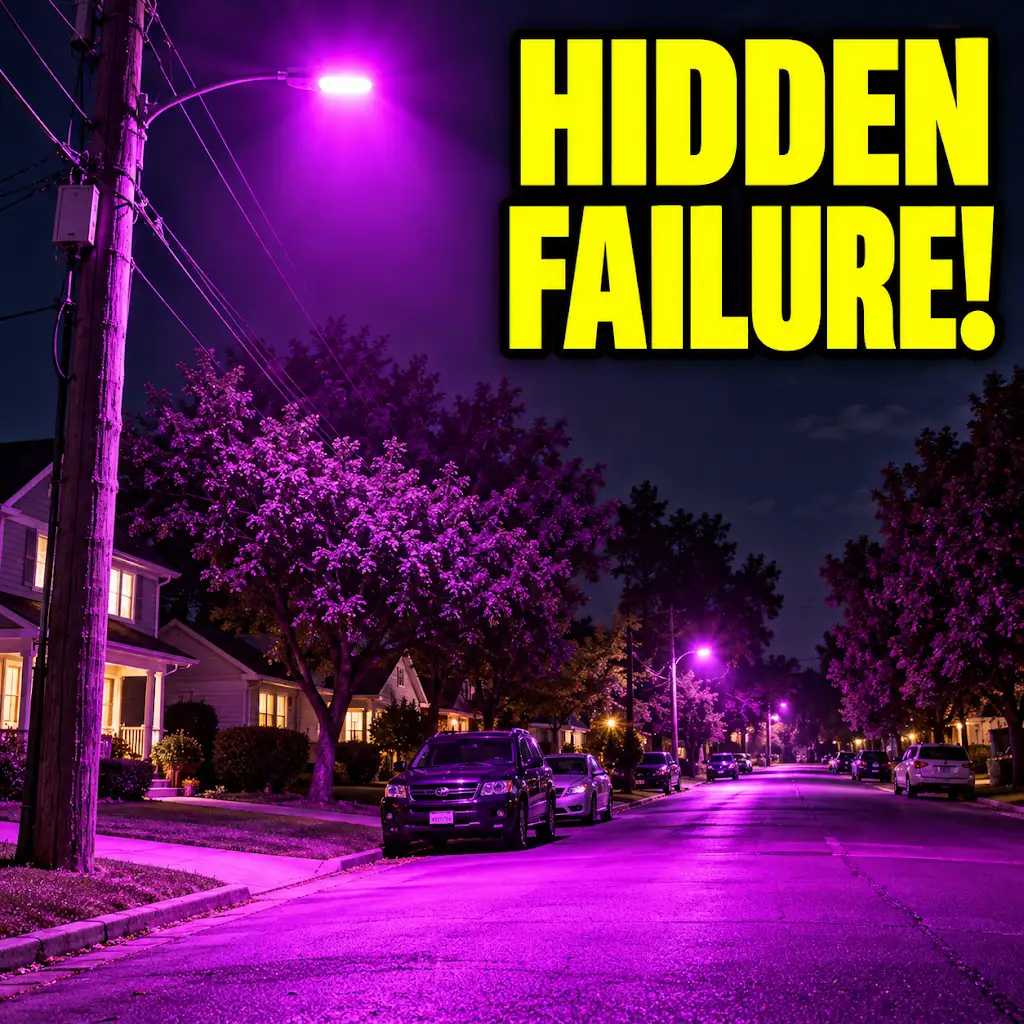
Why The Streetlights Are Turning Purple
FAQs
1. Why is my streetlight purple?
Streetlights are sometimes purple due to the use of LED lights, which can emit a bluish-white light that may appear purple from a distance.
2. Is a purple streetlight more energy-efficient?
Yes, purple streetlights typically use LED technology, which is more energy-efficient than traditional lighting options like incandescent or fluorescent bulbs.
3. Does the purple light affect visibility at night?
While purple light may seem dimmer than traditional white light, it can still provide adequate visibility for pedestrians and drivers on the road.
4. Are there any benefits to having purple streetlights?
Purple streetlights can create a unique ambiance in a neighborhood or cityscape, adding a touch of color and character to the surroundings.
5. Are there any concerns about the health effects of purple streetlights?
There is ongoing research about the potential impacts of LED streetlights on human health, including concerns about blue light exposure disrupting sleep patterns. It is recommended to use warm-colored LED lights to minimize these effects.