You walk into your home, expecting the usual blast of cool air, but instead, you’re met with a lukewarm or even humid breeze. A quick glance at your thermostat confirms the setting is indeed for cooling, yet the comfort you crave is absent. This frustrating scenario often leads you to investigate the source of the problem, and you might find yourself peering at your indoor AC unit, specifically the evaporator coil, wondering why it feels unnervingly cold, sometimes even icy. This isn’t just a minor inconvenience; a freezing evaporator coil is a critical sign that something is amiss with your air conditioning system, and understanding why it happens is crucial to restoring your comfort and protecting your investment.
The Science Behind the Chill: How Your AC Coil Works
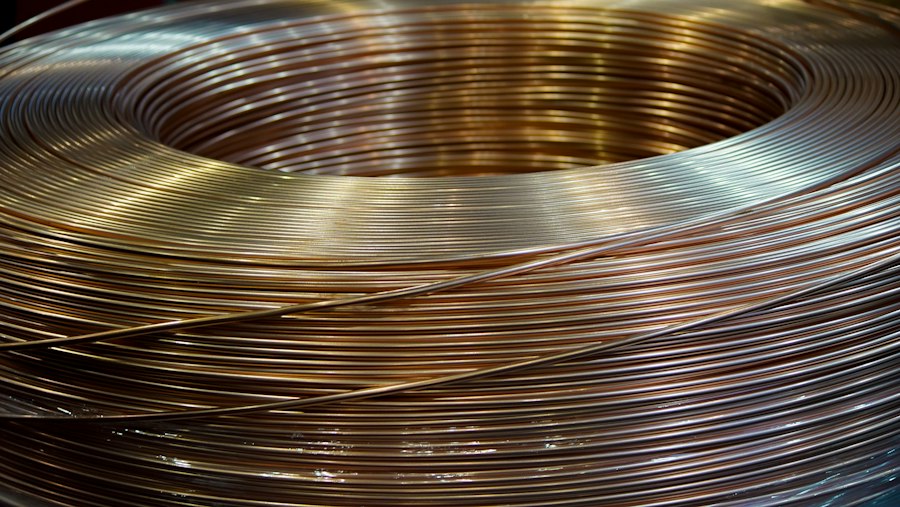
Before you can understand why your indoor AC coil is behaving abnormally, you need to grasp its fundamental role in the cooling process. Your air conditioner operates on a principle of thermodynamics, specifically the transfer of heat. The evaporator coil, located inside your home, is the unsung hero of this process. It’s a network of metal tubes, typically made of copper, through which a special refrigerant flows. This refrigerant, in its liquid state, enters the evaporator coil at a low pressure and temperature. As warm, humid air from your home is blown across the coil by your system’s fan, the refrigerant absorbs the heat from that air. This absorption causes the refrigerant to evaporate, transitioning from a liquid to a gas. This transformation is what draws the heat out of your indoor air, effectively cooling it. Simultaneously, as the heat is absorbed from the air, any moisture present in that air condenses on the cold surface of the evaporator coil, much like water droplets forming on a cold glass on a humid day. This condensed moisture then drips into a drain pan and is expelled from your home, contributing to the dehumidification effect of your AC. The now-cooled and dehumidified air is then circulated back into your living space, providing the relief you seek. The refrigerant, having absorbed heat and evaporated, then moves on to the outdoor unit, where the process is reversed to release the heat into the atmosphere. It’s a continuous cycle, and for your AC to function efficiently, this delicate balance must be maintained.
The Role of Refrigerant in Heat Transfer
The refrigerant is the lifeblood of your air conditioning system. It’s a specially engineered chemical that has a very low boiling point, meaning it can easily absorb heat and change state from liquid to gas at the low pressures found within the evaporator coil. Think of it as a heat sponge. As it circulates through the closed-loop system, it constantly moves between its liquid and gaseous forms, absorbing heat indoors and releasing it outdoors. The amount of refrigerant and its pressure within the system are meticulously calibrated by the manufacturer to ensure optimal performance. Any disruption to this delicate balance – whether it’s a leak, overcharging, or undercharging – can have significant repercussions on the system’s ability to cool and, consequently, on the temperature of the evaporator coil. The refrigerant’s journey is a critical one, and its proper functioning is paramount to the entire cooling operation.
Airflow: The Unsung Hero of Coil Performance
While the refrigerant is the primary agent of heat absorption, the airflow across the evaporator coil is equally vital. Your AC’s blower fan is responsible for pushing the warm, humid air from your home through the narrow fins of the evaporator coil. As the air passes over the cold refrigerant lines, heat is exchanged. If this airflow is insufficient, the air will spend more time in contact with the coil, leading to excessive cooling of the coil itself. Furthermore, reduced airflow means less heat is being removed from your home, creating a feedback loop of inefficiency. This is why maintaining proper airflow is not just about comfort; it’s about the very health of your evaporator coil and the entire AC system. It ensures that the heat transfer process happens efficiently and that the refrigerant doesn’t become excessively cold, which can lead to freezing.
Understanding why the indoor AC coil is cold is crucial for maintaining an efficient air conditioning system. A related article that delves deeper into this topic can be found at Freaky Science, where you can explore the science behind air conditioning systems and the importance of the evaporator coil in the cooling process. This resource provides valuable insights into how the coil functions and the factors that can affect its temperature, helping you troubleshoot any issues with your AC unit effectively.
Common Culprits Behind a Frozen Evaporator Coil
When you discover your indoor AC coil is colder than it should be, often to the point of ice formation, it’s a clear indication that something is preventing the normal heat transfer process. This disruption allows the refrigerant to become too cold, drawing the heat out of the coil itself instead of the air, and thus freezing any moisture that comes into contact with it. Several factors can contribute to this problem, each requiring a different approach to diagnosis and repair. Understanding these common culprits will help you identify the potential cause of your AC’s ailment.
Restricted Airflow: The Primary Suspect
Perhaps the most frequent reason for a freezing evaporator coil is insufficient airflow. Imagine trying to cool a room with a fan blowing at a snail’s pace. The air simply isn’t moving across the cooling surface effectively. In an AC system, this restricted airflow can stem from a few key issues, all of which need to be addressed promptly.
Dirty Air Filters: A Breath of Freshly Stale Air
Your air filter is the first line of defense against dust, debris, and other airborne particles entering your AC system. When this filter becomes clogged with dirt and grime, it acts like a dam, significantly impeding the flow of air from your home into the evaporator coil. This choked airflow means less warm air is reaching the coil to transfer its heat to the refrigerant. Consequently, the refrigerant doesn’t absorb enough heat, its temperature drops too low, and the coil begins to freeze. Regularly changing your air filter, typically every one to three months depending on usage and air quality, is a simple yet incredibly effective preventative measure against this common issue. It’s a small task that can save you from much larger repair bills down the line.
Blocked Vents and Registers: Obstructed Pathways
Another common cause of poor airflow is obstructed vents and registers. These are the grilles in your walls or floors through which conditioned air enters your rooms. If furniture, curtains, or other household items are blocking these openings, the air cannot circulate freely. This creates “dead zones” where air stagnates, and the air that does reach the coil is not being replenished efficiently. It’s like trying to breathe through a straw that’s been partially kinked. You need to ensure all vents and registers are clear and unobstructed to allow for unimpeded air circulation throughout your home.
Blower Fan Malfunctions: The Silent Stoppage
The blower fan is the powerhouse responsible for pushing air through your ductwork and across the evaporator coil. If this fan is not operating at its optimal speed or has ceased functioning altogether, the airflow will be drastically reduced. This could be due to a failing motor, a loose belt (in older systems), or electrical issues. A malfunctioning blower fan directly translates to insufficient air reaching the coil, setting the stage for freezing.
Low Refrigerant Levels: A Leaky System
While restricted airflow is often the primary culprit, low refrigerant levels are another significant reason for a freezing evaporator coil. Your AC system is a sealed unit, and it should maintain its refrigerant charge for years. However, leaks can occur over time, especially in older systems or those that have been subjected to physical damage. When the refrigerant level drops, the pressure within the system decreases. This lower pressure causes the refrigerant to boil at a lower temperature, making it excessively cold. As this super-cold refrigerant flows through the evaporator coil, it draws more heat from the coil itself than the surrounding air can provide, leading to ice formation. Low refrigerant is not just a cause of freezing; it’s a sign of a leak that needs immediate professional attention, as refrigerants can be harmful to the environment and your health.
The Consequences of Refrigerant Leaks
A refrigerant leak is a serious issue that goes beyond just a freezing coil. Refrigerants are potent greenhouse gases, and their release into the atmosphere contributes to environmental damage. Furthermore, operating an AC system with low refrigerant levels puts a significant strain on the compressor, the most expensive component of your AC system. The compressor relies on the refrigerant for lubrication and cooling. Without adequate refrigerant, it can overheat and suffer catastrophic failure, leading to a very costly repair or replacement.
Other Contributing Factors to Coil Freezing
While restricted airflow and low refrigerant levels are the most common causes, a few other factors can also lead to your indoor AC coil freezing over. These are less frequent but equally important to consider when troubleshooting.
Dirty Evaporator Coil: The Hidden Grime
Just as the air filter can become clogged, the evaporator coil itself can accumulate dirt, dust, and debris over time. This grime acts as an insulator, preventing efficient heat transfer between the air and the refrigerant. The coil fins, which are designed to maximize surface area for heat exchange, become coated, creating a barrier. This reduced efficiency means the refrigerant doesn’t absorb heat effectively, leading to a drop in its temperature and the potential for freezing. Cleaning a dirty evaporator coil can be a complex task, often requiring professional expertise.
Outdoor Unit Issues: An Unseen Connection
Sometimes, the problem doesn’t lie directly with the indoor unit but with its outdoor counterpart, the condenser unit. If the condenser’s fan is not working properly or the unit is excessively dirty, it can’t efficiently release the heat absorbed from your home. This inefficiency can cause a backup of pressure in the system, leading to a drop in pressure within the evaporator coil and subsequent freezing. It’s a chain reaction, where a problem in one part of the system affects another.
Thermostat Malfunctions: Misinterpreting the Temperature
While less common, a faulty thermostat can also contribute to a freezing coil. If the thermostat is not accurately reading the indoor temperature or is malfunctioning in its cycling of the AC unit, it might allow the system to run for too long, causing the evaporator coil to over-cool and freeze. This is less about a mechanical issue within the AC itself and more about a miscommunication between the control system and the cooling mechanism.
Diagnosing the Problem: Identifying the Source of the Freeze
When you’ve noticed your indoor AC coil is frozen, the immediate urge is to fix it. However, before you start tinkering, it’s crucial to understand what’s actually causing the freeze. A proper diagnosis will save you time, money, and prevent further damage to your system. Most of the time, diagnosing a frozen coil will require the expertise of a qualified HVAC technician. They have the specialized tools and knowledge to pinpoint the exact issue and perform the necessary repairs.
The Visual Inspection: What You Can See
While you shouldn’t attempt any complex repairs, a visual inspection can provide valuable clues. After ensuring the AC system is turned off at the breaker for safety, you can carefully examine the indoor unit. Look for obvious signs of ice buildup on the evaporator coil. Check your air filter; is it visibly dirty and clogged? Are your vents and registers open and unobstructed? While these visual checks are limited, they can sometimes point you in the right direction and help you communicate the problem more effectively to a professional.
When to Call a Professional: Trusting the Experts
For most homeowners, a frozen evaporator coil signals the need to call a professional HVAC technician. These systems are complex, and attempting DIY repairs without the proper knowledge and tools can lead to more significant and expensive problems. A qualified technician will have the tools to:
- Measure Refrigerant Pressure: They can accurately check the refrigerant levels and identify any leaks.
- Test Blower Fan Operation: They can diagnose issues with the blower motor, belt, or electrical components.
- Inspect the Evaporator Coil: They can determine if the coil is dirty and requires professional cleaning.
- Check Electrical Components: They can assess the wiring, capacitors, and other electrical parts that might be contributing to the problem.
- Safely Handle Refrigerant: They are trained and equipped to handle refrigerants safely and responsibly.
Calling a professional ensures the problem is addressed correctly the first time, preventing potential damage and restoring your AC’s efficiency and your comfort.
Thawing the Ice: Steps to Take and What to Expect
Once you’ve identified that your evaporator coil is indeed frozen, the immediate priority is to thaw it out. Running your AC with a frozen coil can cause further damage to the system, particularly the compressor. However, you should never try to manually chip away at the ice, as this can easily damage the delicate fins of the coil.
The Importance of a Complete Defrost
Allowing the ice to melt naturally is the safest and most effective way to address a frozen coil. This process can take several hours, depending on the extent of the ice buildup.
Turning Off the Cooling System: A Crucial First Step
The very first action you should take is to turn off your air conditioner’s cooling mode. You can typically do this by setting your thermostat to “Fan Only” or by turning the AC off completely. This stops the system from trying to cool further and allows the ice to begin melting.
Ensuring Proper Drainage: Preventing Water Damage
As the ice melts, it will turn into water. Your AC system is equipped with a drain pan and a condensate drain line to manage this water. Ensure that this drain line is clear and not clogged. If it is, the meltwater can back up into your home, causing water damage. Many HVAC technicians recommend pouring a cup of bleach or vinegar down the condensate drain line (if accessible and safe to do so) periodically as a preventative measure against clogs, but this should be done with caution and after consulting your system’s manual or a professional. During a defrosting period, you may want to place towels or buckets around the indoor unit to catch any potential overflow if you suspect a drainage issue.
The Professional Repair Process: Beyond the Thaw
Once the ice has completely melted, the underlying cause of the freeze must be addressed. This is where the professional diagnosis becomes critical. A technician will identify the root problem and implement the necessary repairs. This could involve:
- Changing the air filter: If a dirty filter was the culprit, a simple replacement might solve the issue.
- Repairing refrigerant leaks and recharging the system: If low refrigerant was the cause, the leak will be located and sealed, and the system will be refilled to the correct charge.
- Cleaning the evaporator coil: If grime was insulating the coil, a thorough cleaning will be performed.
- Repairing or replacing the blower fan: If the fan was malfunctioning, it will be fixed or replaced.
- Addressing any other identified issues: This could include electrical component repairs or even addressing problems with the outdoor unit.
The goal is not just to thaw the ice but to prevent it from ever forming again.
Understanding why the indoor AC coil is cold can be crucial for maintaining an efficient cooling system in your home. This phenomenon occurs due to the refrigerant absorbing heat from the indoor air, which cools the coil and allows for effective temperature regulation. If you’re interested in learning more about the science behind air conditioning systems and their components, you might find this related article on Freaky Science particularly enlightening. It delves into the mechanics of HVAC systems and offers insights that can help you troubleshoot common issues.
Preventing Future Freezing: Proactive Maintenance for a Cool Home
| Metric | Description | Typical Value/Range | Relevance to Indoor AC Coil Temperature |
|---|---|---|---|
| Refrigerant Temperature | Temperature of the refrigerant entering the indoor coil | 40°F to 55°F (4°C to 13°C) | Cold refrigerant absorbs heat from indoor air, cooling the coil |
| Indoor Air Temperature | Temperature of air passing over the indoor coil | 70°F to 80°F (21°C to 27°C) | Warmer air transfers heat to the cold coil, causing coil to be cold |
| Coil Surface Temperature | Temperature of the indoor AC coil surface | Typically 40°F to 55°F (4°C to 13°C) | Indicates coil is cold enough to absorb heat effectively |
| Humidity Level | Relative humidity of indoor air | 30% to 60% | Higher humidity can cause condensation on cold coil surface |
| Airflow Rate | Volume of air passing over the coil per minute | 300 to 500 CFM (cubic feet per minute) | Sufficient airflow is needed to transfer heat to the coil |
| Evaporator Pressure | Pressure inside the indoor coil (evaporator) | 30 to 40 psi (pounds per square inch) | Maintains refrigerant in low-pressure, cold state for heat absorption |
The best way to deal with a frozen AC coil is to prevent it from happening in the first place. Proactive maintenance is key to ensuring your air conditioning system runs efficiently and reliably throughout the cooling season, saving you from the discomfort and expense of unexpected breakdowns. By implementing a few simple practices, you can significantly reduce the risk of your indoor AC coil freezing over.
The Cornerstone of Prevention: Regular Filter Changes
As repeatedly emphasized, the air filter is your system’s first line of defense. Clogged filters are the most common cause of restricted airflow, which directly leads to frozen coils. Make it a habit to check your air filter monthly and replace it as needed. The lifespan of a filter can vary depending on the type of filter, the quality of your indoor air, and how often your AC runs, but a general guideline is every 1 to 3 months. Keeping a few spare filters on hand will make this task easier.
Keeping Your System Clean: More Than Just Aesthetics
A clean AC system is an efficient AC system. Beyond the air filter, ensuring that other components are clean is crucial for optimal performance.
Clearing Vents and Registers: Unobstructed Breathing
Regularly inspect your home’s vents and registers to ensure they are not blocked by furniture, curtains, or any other household items. Make it a point to keep the areas around these openings clear. This simple step ensures that air can flow freely into and out of your rooms, contributing to proper circulation throughout your home and across the evaporator coil.
Professional Coil Cleaning: A Deeper Clean
While you can’t easily access and clean the evaporator coil yourself, having a professional HVAC technician perform annual maintenance often includes cleaning this critical component. Over time, dust, dirt, and even mold can accumulate on the coil fins, hindering heat transfer. A professional cleaning can restore the coil’s efficiency and prevent it from becoming a source of future problems. This is especially important in humid climates or if you have pets, as these factors can contribute to faster coil grime buildup.
Routine Professional Tune-Ups: The Expert Eye
Annual professional maintenance is perhaps the most important preventative measure you can take. A qualified HVAC technician will perform a thorough inspection and cleaning of your entire AC system. This includes:
- Checking refrigerant levels: Ensuring the system is properly charged and identifying any potential leaks early.
- Inspecting and cleaning the blower motor: Verifying it’s operating efficiently and moving air at the correct speed.
- Cleaning the condensate drain line: Preventing clogs that can lead to water backup and potential damage.
- Examining electrical connections: Ensuring all components are receiving the correct power.
- Lubricating moving parts: Reducing wear and tear on the system.
- Performing a comprehensive system check: Identifying any minor issues before they escalate into major repairs.
These tune-ups are an investment in your AC system’s longevity and your home’s comfort. They catch problems before they become noticeable and potentially costly, ensuring your system continues to keep you cool and comfortable for years to come. By understanding why your indoor AC coil might get cold and taking proactive steps, you can avoid the frustration of a frozen system and enjoy a consistently cool and comfortable home.

Your AC Blows Hot Air Outside. Is That Heat From Your Room?
FAQs
1. Why is the indoor AC coil cold?
The indoor AC coil is cold because it is responsible for absorbing heat from the indoor air to cool it down.
2. What is the purpose of the indoor AC coil being cold?
The cold indoor AC coil helps to lower the temperature of the air passing over it, resulting in cooler air being circulated throughout the room.
3. Can a cold indoor AC coil cause any issues?
A cold indoor AC coil is normal and necessary for the cooling process. However, if the coil becomes too cold or freezes over, it can lead to reduced airflow and efficiency issues.
4. How can I prevent my indoor AC coil from freezing over?
To prevent your indoor AC coil from freezing over, make sure to regularly change your air filters, keep the coils clean, and ensure proper airflow by keeping vents unobstructed.
5. Is it normal for the indoor AC coil to be colder than the room temperature?
Yes, it is normal for the indoor AC coil to be colder than the room temperature as it is designed to absorb heat from the air passing over it, resulting in cooler air being circulated back into the room.