You’ve probably experienced it. You pop your leftovers into the microwave, set the timer, and eagerly anticipate a perfectly heated meal. But then, disappointment. One bite is scalding hot, while another is still stubbornly cold. You stir, you re-microwave, and you still end up with pockets of thermal inequality. Why does this happen? It’s not some arcane microwave voodoo; it’s a fascinating interplay of physics and food science. Let’s dive into the science behind why foods heat so differently in your microwave.
Before we can understand the quirks of uneven heating, you need to grasp the fundamental mechanism of a microwave oven. It’s a surprisingly elegant piece of engineering that uses electromagnetic radiation to cook your food.
The Magnetron: The Heart of the Operation
At the core of every microwave oven lies the magnetron. This is a vacuum tube that generates high-frequency radio waves, specifically in the microwave frequency range (typically around 2.45 gigahertz). Think of it as the engine that powers the entire heating process. When you turn on your microwave, the magnetron begins producing these waves, which are then directed into the cooking cavity.
The Waveguide and Stirrer: Distributing the Energy
The microwaves produced by the magnetron don’t just flood the cavity randomly. They are channeled through a waveguide, a metal conduit that directs them into the oven. Inside the cavity, a rotating fan called a stirrer, or sometimes a rotating turntable, helps to distribute these waves more evenly. The goal of the stirrer is to bounce the microwaves around, preventing them from creating fixed “hot spots” and “cold spots” directly. However, as you know, this system isn’t always perfect.
Water Molecules: The Primary Target
The key to microwave cooking lies in how these waves interact with the food itself. Microwaves primarily heat food by exciting water molecules. Water molecules are polar, meaning they have a slight positive charge on one end and a slight negative charge on the other. When microwaves pass through food, their oscillating electromagnetic field causes these polar molecules to rapidly rotate back and forth, trying to align themselves with the changing field. This rapid spinning and colliding generates friction, which is converted into heat. Most foods contain a significant amount of water, which is why they heat up so effectively.
Other Polar Molecules: A Supporting Role
While water is the main player, other polar molecules within your food, such as fats and sugars, also contribute to the heating process. They, too, can be agitated by the microwave’s electromagnetic field, albeit to a lesser extent than water. This is why foods with higher fat or sugar content might also heat up more readily.
Understanding why different foods heat differently in microwaves can be quite fascinating. Factors such as moisture content, density, and composition play significant roles in how effectively microwaves penetrate and heat various items. For a deeper dive into this topic, you can read more in this related article that explores the science behind microwave heating: Freaky Science.
The Physics of Microwave Propagation: Waves in a Box
The way microwaves behave within the confined space of your oven is crucial to understanding uneven heating. It’s not a simple uniform bath of energy.
Standing Waves: The Ghost in the Machine
When microwaves are reflected off the metal walls of the oven cavity, they can interfere with each other. This interference can create what are known as “standing waves.” Imagine two waves of equal frequency and amplitude moving in opposite directions. Where their crests align, you get a stronger wave; where a crest meets a trough, they cancel out. In your microwave, this results in areas of high energy concentration (hot spots) and areas of low energy concentration (cold spots) within the cavity. These standing waves are a fundamental reason for uneven heating.
Cavity Resonance: A Matter of Size and Shape
The dimensions of the microwave cavity also play a role. Like a musical instrument resonating at certain frequencies, the microwave cavity can resonate with the microwaves. This resonance can amplify certain modes of wave propagation, further contributing to the uneven distribution of energy. This is why different microwave ovens, with their slightly different internal dimensions, might exhibit different patterns of hot and cold spots.
The Role of the Turntable: A Mechanical Solution
The turntable is your microwave’s primary defense against standing waves. By rotating the food, it aims to move it through these hot and cold spots, allowing for more uniform exposure to the microwave energy over time. However, even with a turntable, if the food is very large or oddly shaped, or if the standing wave patterns are particularly strong, parts of the food might still spend more time in cooler areas.
Food Composition: The Internal Landscape of Heat Absorption
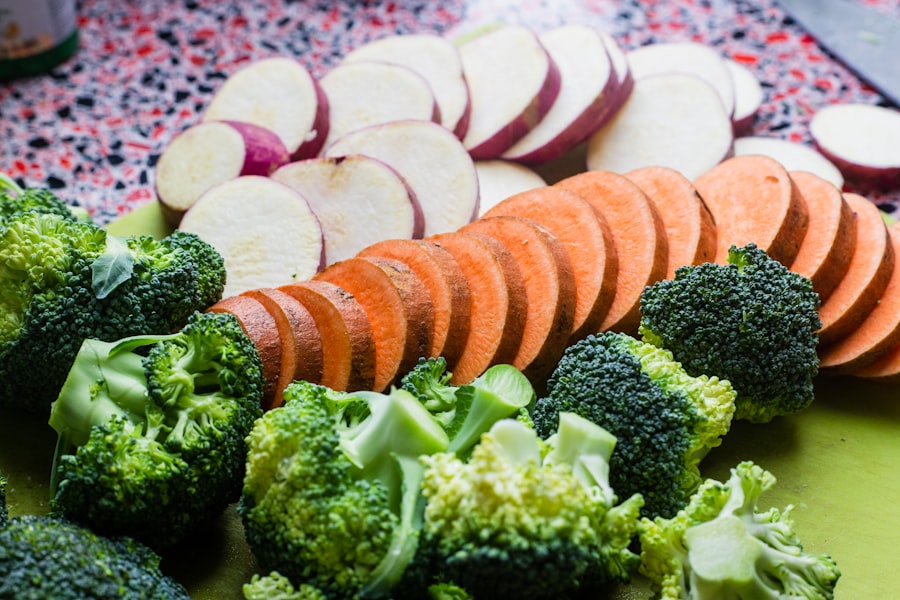
Beyond the external physics of microwave propagation, the internal composition of your food is a critical factor in how it heats. Different ingredients and their arrangements dictate where and how quickly heat is generated.
Water Content: The Primary Driver
As we’ve discussed, water is the workhorse of microwave heating. Foods with higher water content will generally heat up faster and more intensely than those with less water. Think about the difference between a juicy piece of chicken breast and a dense slice of bread. The chicken, packed with water, will become piping hot relatively quickly, while the bread might just get slightly warm and leathery.
Fat Content: A Secondary Heating Agent
Fats are also polar molecules, though less so than water. They absorb microwave energy and convert it into heat. However, they generally heat up at a different rate and to a different degree than water. This can lead to situations where fatty areas of food get hotter than the water-rich areas, or vice versa, depending on the microwave’s power and the food’s structure. For instance, a greasy piece of bacon might develop crispy, overcooked edges while the meaty parts remain less heated.
Sugar Content: Another Contributor
Sugars, like fats, are polar and absorb microwave energy. They also contribute to browning reactions through caramelization when heated to sufficient temperatures. The presence of sugar can accelerate heating in certain areas, and the resulting caramelization can sometimes make those areas appear more cooked than they actually are, masking underlying temperature differences. This is why sugary sauces can sometimes scorch easily in a microwave.
Density and Structure: Obstacles and Pathways
The physical structure and density of your food play a significant role in how microwaves penetrate and distribute heat. Denser foods offer more resistance to microwave penetration, meaning the energy might be absorbed more in the outer layers, leaving the center cooler. Conversely, foods with a porous structure might allow microwaves to penetrate more deeply, but the distribution can still be uneven due to variations in moisture and composition throughout.
Layering and Thickness: The Depth of the Problem
The way food is layered or its thickness can create significant heating disparities. If you have a dish with multiple components stacked on top of each other, the microwaves might struggle to reach the inner layers effectively. Similarly, thicker pieces of food will naturally take longer to heat through than thinner ones, and the outer parts will absorb more energy initially. This is why you might find the edges of a thick casserole piping hot while the center remains lukewarm.
Food Characteristics: Beyond the Basic Ingredients

The way food is prepared, its temperature before microwaving, and even its shape contribute to the uneven heating phenomenon.
Pre-Cooked vs. Raw: A Head Start for Heat
Pre-cooked foods, especially those that have been previously refrigerated or frozen, often heat unevenly. The cooking process itself can alter the food’s structure and moisture distribution. When reheating, the outer layers might have already been exposed to heat and could have a different moisture content than the interior. Raw foods, while still susceptible to uneven heating, might have a more uniform internal composition to start with.
Frozen Foods: The Challenge of Thawing
Frozen foods present a particular challenge for microwaves. As ice crystals form, they can disrupt the food’s structure and create pockets where water is less accessible. Furthermore, the outer layers of a frozen food will inevitably start to thaw and heat up before the interior, leading to a significant temperature gradient. Some microwaves have defrost settings specifically designed to address this, but achieving perfectly uniform thawing and heating is still difficult.
Foods with Ice Crystals: The Steam Effect
If your food contains ice crystals, or if parts of it are still frozen, the initial heating will involve melting these crystals. As they melt, they form liquid water, which then heats up rapidly. This can create localized steam pockets, which can then cook the surrounding food very quickly, potentially leading to overcooking in those specific areas while other parts remain cool.
Temperature of the Food: A Baseline for Heating
The initial temperature of your food before it goes into the microwave is a significant factor. Cold food will take longer to heat than food that is already at room temperature. If you have a dish with components at different starting temperatures, the warmer components will heat up faster, exacerbating the unevenness. This is why it’s often recommended to bring refrigerated leftovers to room temperature for a few minutes before microwaving to promote more even heating.
When it comes to microwaving food, you may have noticed that not all items heat up at the same rate, which can be attributed to their composition and structure. For a deeper understanding of this phenomenon, you can explore the article on Freaky Science, where the science behind microwave heating is explained in detail. Factors such as moisture content, density, and the arrangement of molecules play a crucial role in how effectively different foods absorb microwave energy, leading to uneven heating in some cases.
Strategies for More Even Heating: Taming the Microwave Beast
| Food | Reason for Heating Differently |
|---|---|
| Water-based foods (e.g. vegetables, fruits) | Heats quickly due to the presence of water molecules that absorb microwave energy |
| Fatty foods (e.g. meats, cheese) | Heats more slowly as fats and oils absorb less microwave energy |
| Dry foods (e.g. bread, crackers) | Heats unevenly as microwaves may pass through without being absorbed |
| Dense foods (e.g. potatoes, whole fruits) | Heats slowly as microwaves have difficulty penetrating the food |
While perfect, uniform heating might be an elusive dream, there are several practical strategies you can employ to significantly improve the evenness of your microwaved meals.
Stirring and Rotating: The Active Approach
This is your most powerful tool. Midway through the cooking time, take your food out, stir it thoroughly, and redistribute it. If you don’t have a turntable, rotate the dish yourself. This helps to move colder portions into hotter areas and vice versa, giving all parts of the food a more equitable chance to absorb energy. Don’t be afraid to stir multiple times for larger or denser items.
Arranging Your Food: Strategic Placement
Consider how you arrange your food in the microwave. For dishes with multiple components, try to spread them out rather than piling them up. If you’re heating something like rice with vegetables, arrange the vegetables around the edges of the dish, as the edges tend to receive more direct microwave energy. For things like chicken breasts, place the thicker parts towards the outside of the dish, as they will receive less direct heat and can catch up as the meal cooks.
Covering Your Food: Trapping the Heat
Covering your food with a microwave-safe lid or plastic wrap (vented to allow steam to escape) can help trap steam and moisture, which can then distribute heat more evenly throughout the dish. The steam acts as a conductor, helping to warm up colder areas. However, be cautious not to create a completely sealed environment, as excessive steam pressure can be dangerous.
Cutting and Portioning: Smaller is Better
If you have a large, dense item, consider cutting it into smaller, more manageable pieces before microwaving. This allows microwaves to penetrate more easily and reduces the likelihood of the outside cooking before the inside has a chance. Portioning leftovers into smaller containers before microwaving can also lead to more even heating compared to reheating a large, dense mass.
Lower Power Settings: A Slower, Gentler Approach
Instead of blasting your food on high power, try using a lower power setting for a longer duration. This allows the heat to distribute more gradually throughout the food. While it might take a bit longer, the results are often more satisfying, with less risk of overcooked edges and undercooked centers. This is particularly effective for delicate items or when reheating something you want to avoid drying out.
Standing Time: The Unsung Hero
Once your microwave beeps, don’t immediately dive in. Allow your food to “stand” for a minute or two. During this time, residual heat continues to cook the food and the temperature evens out. This standing time is crucial for allowing heat to migrate from hotter areas to colder ones, leading to a more uniformly heated meal.
Understanding Your Microwave: Learn Its Quirks
Every microwave oven is a little different. Pay attention to where your oven tends to have hot and cold spots. Does the front of the turntable get hotter than the back? Does the right side consistently cook faster? By understanding your appliance’s specific characteristics, you can better strategize your cooking and placement of food to mitigate these issues.
So, the next time your microwaved meal isn’t perfectly uniform, remember it’s not a flaw in your cooking skills, but a fascinating demonstration of physics in action. By understanding the science behind microwave heating – the waves, the molecules, and the food’s internal landscape – you can become a more informed and effective microwave chef, taming the beast of uneven heating and enjoying your meals a little more, one perfectly warmed bite at a time.

Your Microwave Doesn’t Work the Way You Think
FAQs
Why do different foods heat differently in microwaves?
Different foods heat differently in microwaves because of variations in their composition and structure. Foods with higher water content, such as fruits and vegetables, tend to heat more quickly than foods with lower water content, such as bread or dry snacks.
How does the water content of food affect its heating in a microwave?
Water molecules are efficient at absorbing microwave radiation, so foods with higher water content absorb more microwave energy and heat up faster. This is why foods like soups and stews heat more quickly than dry foods like crackers or nuts.
What role does fat content play in the heating of food in a microwave?
Foods with higher fat content, such as meats and cheeses, can also heat quickly in a microwave because fats can absorb microwave radiation and convert it into heat. This is why fatty foods can sometimes become very hot in a microwave.
Why do some foods heat unevenly in a microwave?
Uneven heating in a microwave can occur due to variations in the food’s composition, density, and shape. Microwave radiation can penetrate certain foods more easily than others, leading to uneven heating. Stirring or rearranging the food during the heating process can help promote more even heating.
Are there any foods that should not be heated in a microwave?
While most foods can be safely heated in a microwave, there are some exceptions. Foods with a low water content, such as eggs in their shells or grapes, should not be heated in a microwave as they can explode. Additionally, certain types of plastic containers and wraps should not be used in the microwave as they can melt or release harmful chemicals.