The Boiling Point Paradox: Why Pressure Alters Cooking Times
The culinary world often marvels at the speed and efficiency of pressure cooking. What takes hours in a conventional pot can be accomplished in a fraction of the time under pressure. This remarkable transformation isn’t magic; it’s a testament to fundamental principles of physics and chemistry, specifically how altering pressure directly impacts the boiling point of water and, consequently, the rate at which food cooks. To understand this phenomenon, one must first appreciate the relationship between pressure, temperature, and the phase transitions of liquids.
Understanding the Fundamentals of Boiling
At its core, boiling is a process where a liquid transitions into a gas. This occurs when the vapor pressure of the liquid equals the surrounding atmospheric pressure. Vapor pressure is the pressure exerted by the vapor of a liquid in thermodynamic equilibrium with its condensed phases at a given temperature in a closed system. Imagine water molecules in a pot. As heat is applied, these molecules gain kinetic energy and move more vigorously. Some molecules at the surface will escape into the air as water vapor. As more heat is added, the rate of evaporation increases.
When the internal energy of the water molecules is high enough to overcome the forces holding them together in the liquid state, and their collective vapor pressure pushes against the external pressure, bubbles of steam form within the liquid and rise to the surface. This is what we observe as boiling. At standard atmospheric pressure (1 atmosphere or 101.3 kilopascals), water boils at 100 degrees Celsius (212 degrees Fahrenheit). This familiar boiling point is a critical reference point for understanding the changes that occur in a pressure cooker.
The Role of Atmospheric Pressure on Boiling
The atmospheric pressure surrounding a liquid plays a direct and crucial role in determining its boiling point. This pressure is the weight of the air column above the liquid’s surface. At higher altitudes, such as in Denver, Colorado, the atmospheric pressure is lower because there is less air above. Consequently, water boils at a lower temperature in these locations. Conversely, in a sealed container where pressure can be increased, the boiling point of water will be higher. This principle is the cornerstone of pressure cooking. A pressure cooker is essentially a specially designed, sealed pot that traps steam.
Phase Transitions and Energy Transfer
The transition from liquid to gas (boiling) is an endothermic process, meaning it requires energy input in the form of heat. This energy is used to break the intermolecular bonds holding the water molecules in the liquid state. During boiling, a significant amount of heat energy is absorbed by the water to convert it into steam. This absorption of heat helps to maintain a relatively stable temperature at the boiling point, which is why food cooked in boiling water generally doesn’t exceed 100 degrees Celsius at sea level. In a pressure cooker, however, this equilibrium is disrupted, leading to a higher cooking temperature.
Cooking food under pressure is a fascinating process that significantly reduces cooking time, primarily due to the increase in boiling point of water. When food is cooked in a pressure cooker, the steam generated raises the temperature above the normal boiling point, allowing food to cook faster and more evenly. For a deeper understanding of the science behind this phenomenon, you can explore a related article on the topic at Freaky Science, which delves into the principles of pressure cooking and its effects on food preparation.
The Science of Increased Pressure in a Sealed Environment
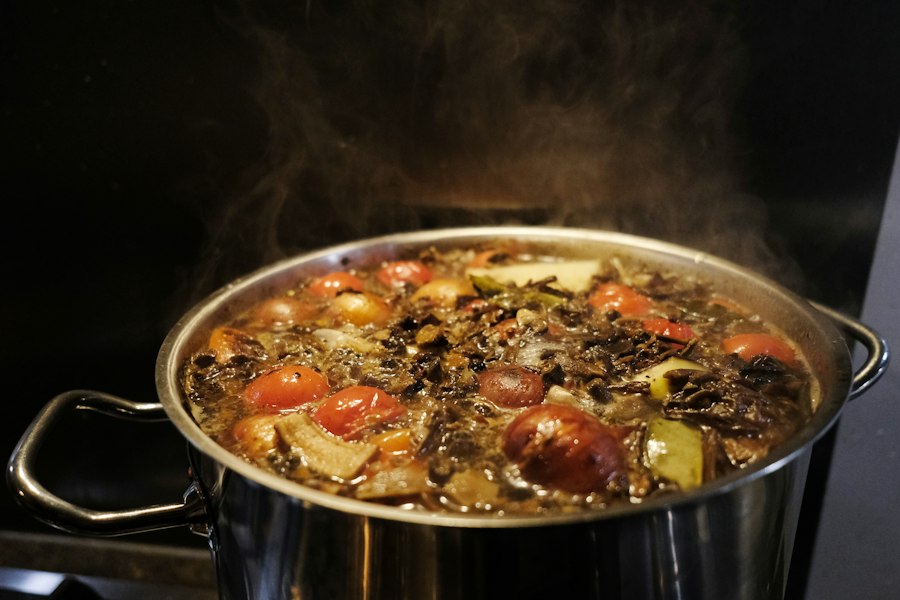
A pressure cooker operates on a simple yet profound scientific principle: the manipulation of pressure within a sealed vessel. Unlike an open pot, a pressure cooker is designed with a lid that forms an airtight seal, preventing steam from escaping. This containment is the key to its efficiency. When liquid, typically water, is heated within this sealed environment, it begins to produce steam, just as it would in an open pot. However, because the steam cannot escape, it accumulates inside the cooker, leading to a rapid increase in internal pressure.
Steam Generation and Trapping
The process begins when the liquid inside the pressure cooker is heated. As the temperature rises, water molecules gain kinetic energy and transition into steam. In an open pot, this steam would readily dissipate into the surrounding atmosphere. In a pressure cooker, the tightly sealed lid acts as a barrier, trapping the generated steam. This trapped steam occupies the headspace above the liquid and the food. As more steam is produced, it has nowhere to go, and the molecules begin to exert a greater force on the walls of the cooker and the lid.
The Inverse Relationship: Pressure and Boiling Point
The direct consequence of trapping steam is an increase in internal pressure. This elevated pressure has a direct and significant impact on the boiling point of water. As established earlier, the boiling point of a liquid is the temperature at which its vapor pressure equals the surrounding atmospheric pressure. In a pressure cooker, the internal pressure is significantly higher than standard atmospheric pressure. To overcome this increased external pressure and transition into steam, water molecules require more kinetic energy. This means the water must reach a higher temperature before it can boil.
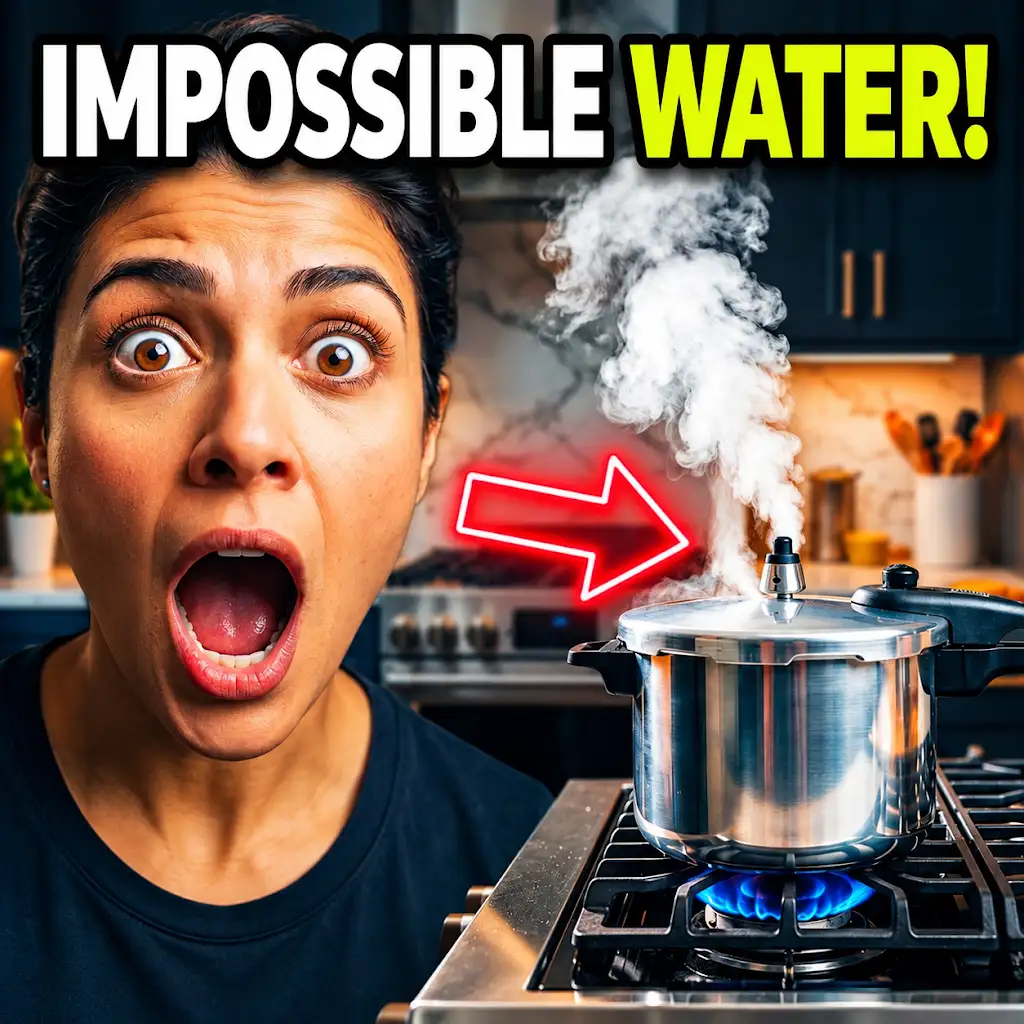
For instance, at sea level, water boils at 100°C (212°F) at 1 atmosphere. However, in a typical home pressure cooker, the internal pressure can reach around 2 atmospheres (approximately 15 psi above atmospheric pressure). Under these conditions, the boiling point of water rises to approximately 121°C (250°F). This increase of over 20°C (nearly 40°F) is the primary driver behind faster cooking times.
Understanding Pressure Units and Safety Valves
Pressure in a pressure cooker is often measured in pounds per square inch (psi) above atmospheric pressure. Common operating pressures are 10 psi or 15 psi. It’s crucial to understand that these figures represent the gauge pressure, meaning the pressure above the normal atmospheric pressure. The total pressure inside the cooker is the sum of the atmospheric pressure and the gauge pressure. Safety valves are an integral part of pressure cooker design. They are engineered to release excess pressure if it exceeds a predetermined safe limit, preventing the cooker from becoming over-pressurized and potentially dangerous. These valves typically open at pressures slightly higher than the normal operating pressure, ensuring a safe cooking experience.
How Higher Temperatures Accelerate Food Transformation
The elevated cooking temperatures achieved in a pressure cooker are the direct cause of accelerated food transformation. When food is subjected to higher temperatures, the chemical and physical processes that lead to cooking occur at a much faster rate. These processes include the breakdown of complex molecules, the denaturation of proteins, the gelatinization of starches, and the softening of connective tissues. Understanding these molecular-level changes provides a deeper appreciation for the efficiency of pressure cooking.
Enhanced Molecular Motion and Reaction Rates
Temperature is a measure of the average kinetic energy of molecules. At higher temperatures, molecules move faster and collide with greater force. In the context of cooking, this increased molecular motion translates to more frequent and more energetic interactions between food components and the cooking medium (often water or steam). Chemical reactions, such as enzymatic activity and the Maillard reaction (responsible for browning and flavor development), are highly temperature-dependent. An increase of 20°C or more can significantly accelerate the rates of these reactions.
For example, the breakdown of tough connective tissues in meat, such as collagen, is a time-consuming process at lower temperatures. At the higher temperatures of a pressure cooker, this breakdown occurs much more rapidly, leading to tenderer results in a shorter period. Similarly, the softening of fibrous vegetables is hastened by the increased thermal energy.
The Role of Water as a Heat Transfer Medium
Water is an excellent medium for heat transfer, and its efficiency is further enhanced under pressure. While the temperature of boiling water in an open pot is limited to 100°C, the superheated water and steam within a pressure cooker reach significantly higher temperatures. This hot liquid and steam can penetrate food more effectively and transfer heat energy much faster. The rapid transfer of heat into the food’s interior is a critical factor in reducing cooking times.
Furthermore, the saturated steam generated in a pressure cooker is a highly efficient conductor of heat. Unlike dry air, steam can transfer a substantial amount of thermal energy to the food’s surface, initiating the cooking process rapidly. This combination of hotter cooking medium and efficient heat transfer means that the internal temperature of the food rises more quickly.
Reduced Cooking Time and Nutrient Retention
The accelerated cooking process in a pressure cooker often leads to improved nutrient retention compared to longer cooking methods, such as boiling in an open pot for extended periods. Many vitamins, particularly water-soluble ones like B vitamins and vitamin C, can be degraded by heat and leached out into the cooking liquid over time. Because pressure cooking significantly reduces the overall cooking time, the exposure of food to heat and water is minimized, thus preserving more of these delicate nutrients.
While some debate exists regarding the impact of high temperatures on certain heat-sensitive nutrients, the reduced cooking duration often outweighs the potential for degradation. Additionally, the sealed nature of the pressure cooker prevents the loss of volatile aromatic compounds, contributing to richer flavors and aromas in the cooked food.
Mechanisms of Food Softening and Tenderization
The ability of a pressure cooker to transform tough cuts of meat into succulent, fork-tender dishes is one of its most celebrated attributes. This remarkable tenderization is a direct result of the elevated temperatures and increased pressure facilitating the breakdown of structural components within the food. Primarily, the cooking medium, superheated water and steam, plays a crucial role in softening the food’s tissues.
Hydrolysis of Collagen and Connective Tissues
Toughness in meat is often attributed to the presence of connective tissues, primarily collagen. Collagen is a protein that forms strong, fibrous structures within muscles, providing support and structure. At lower cooking temperatures, collagen breaks down very slowly. However, in the high-temperature environment of a pressure cooker (around 121°C or 250°F), water molecules act as catalysts to hydrolyze (break down with water) these collagen fibers.
The heat provides the energy needed to break the peptide bonds within the collagen molecules. The presence of hot water and steam further aids in this process, lubricating the fibers and allowing them to separate more easily. This breakdown transforms the tough, elastic collagen into softer, gelatinous substances, making the meat significantly more tender and palatable. This is why cheaper, tougher cuts of meat, which would require hours of slow cooking to become tender, can be cooked to perfection in a pressure cooker in a much shorter time.
Gelatinization of Starches and Softening of Fibers
Beyond meat, pressure cooking also excels at softening plant-based foods, such as grains and vegetables. For vegetables, the increased temperature directly affects the cellular structure. Plant cell walls, which contain cellulose and pectin, become softened and more pliable. Pectin, a cementing substance between plant cells, breaks down at higher temperatures, allowing the cells to separate more easily, resulting in a softer texture.
For starchy foods like rice, beans, and lentils, the elevated temperatures facilitate gelatinization. Gelatinization is the process where starch granules absorb water and swell when heated, becoming more digestible and softening the food. In a pressure cooker, this process is accelerated, allowing dried beans or tough grains to become tender and cooked through much faster than they would through conventional soaking and boiling. The rapid penetration of heat ensures that the entire grain or bean is exposed to the high temperature, promoting uniform cooking.
Impact on Protein Denaturation and Structure
Proteins, fundamental building blocks of food, undergo significant changes during cooking, a process known as denaturation. Denaturation involves the unfolding of a protein’s complex three-dimensional structure, altering its properties. While denaturation occurs at various temperatures, higher temperatures accelerate the process. In a pressure cooker, the rapid increase in temperature leads to quicker denaturation of proteins in foods like meat, poultry, and fish.
This denaturation is not solely about softening; it also contributes to changes in texture and the release of moisture. As proteins denature, they can lose their ability to hold water, which can contribute to both juiciness and, in some cases, if overcooked, dryness. However, the overall effect within the moist environment of a pressure cooker, combined with the rapid cooking, generally results in tender and moist outcomes, particularly for meats, by facilitating the breakdown of structural proteins and allowing other components to soften.
Cooking food under pressure is a fascinating process that significantly reduces cooking time, primarily due to the increase in boiling point of water. When food is placed in a pressure cooker, the trapped steam raises the temperature, allowing food to cook faster and more evenly. For a deeper understanding of this phenomenon, you might find it interesting to read a related article that explores the science behind cooking methods and their effects on food. You can check it out here for more insights into how pressure influences cooking efficiency.
Practical Applications and Time-Saving Benefits
| Metric | Explanation | Effect on Cooking |
|---|---|---|
| Boiling Point of Water | Increases with pressure (e.g., from 100°C at 1 atm to ~121°C at 15 psi above atmospheric pressure) | Higher temperature cooks food faster |
| Pressure Inside Cooker | Typically 15 psi (pounds per square inch) above atmospheric pressure | Raises boiling point, speeding up cooking |
| Cooking Time Reduction | Pressure cooking can reduce cooking time by 30-70% compared to conventional methods | Faster heat transfer and higher temperature |
| Heat Transfer Rate | Increased due to steam under pressure | More efficient cooking process |
| Moisture Retention | Sealed environment prevents moisture loss | Food cooks evenly and remains tender |
The scientific principles underlying pressure cooking translate directly into tangible benefits for home cooks and professional chefs alike. The ability to significantly reduce cooking times without sacrificing flavor or texture makes it an invaluable tool in modern kitchens. From weeknight dinners to ambitious culinary projects, pressure cooking offers a compelling alternative to traditional methods.
Streamlining Weeknight Meals
For busy individuals and families, the most apparent benefit of pressure cooking is the dramatic reduction in preparation time. A dish that might typically require hours of simmering or braising can be completed in 30-60 minutes, including pressure build-up and release. This allows for the preparation of hearty, wholesome meals even on hectic weeknights. Stews, curries, pot roasts, and even tough cuts of meat can be made quickly and efficiently. This practicality makes pressure cooking a game-changer for those seeking to enjoy home-cooked meals without spending excessive time in the kitchen.
Preparing Grains and Legumes with Ease
Drying legumes like beans and lentils can require lengthy soaking and cooking times. Pressure cooking revolutionizes this process. Dried beans can be cooked to perfect tenderness in a fraction of the time, often without the need for pre-soaking. This convenience encourages the incorporation of these nutritious and affordable ingredients into regular meal plans. Similarly, cooking grains such as rice, quinoa, and barley is expedited, making it easier to serve perfectly cooked starches as side dishes or as the base for more elaborate meals.
Preserving Flavor and Nutritional Value
As discussed, the shorter cooking times and the sealed environment of a pressure cooker contribute to better flavor and nutrient retention. Volatile aromatic compounds that would otherwise escape into the air are trapped within the cooker, resulting in more intense and nuanced flavors. This is particularly noticeable in dishes that rely on herbs and spices for their characteristic taste profiles. Moreover, the preservation of water-soluble vitamins and minerals means that the resulting dishes are not only delicious but also more nutritionally complete. This aspect makes pressure cooking a healthier cooking method when compared to some traditional techniques that involve prolonged exposure to heat and water.
Versatility in Culinary Applications
The versatility of pressure cooking extends far beyond simple stews and beans. It can be used to prepare a wide array of dishes, including:
- Soups and Broths: Rich, flavorful broths and hearty soups can be made in a fraction of the time.
- Sauces and Reductions: While not for creating crispy textures, it can quickly cook down ingredients to form flavor bases for sauces.
- Steaming: Many pressure cookers come with steaming racks, allowing for the quick and healthy preparation of vegetables, fish, and dumplings.
- Desserts: Some specialized pressure cooker recipes even include desserts like cheesecakes and custards, which benefit from the gentle, even cooking.
The ability to achieve tender meats, perfectly cooked grains, and vibrant vegetables in significantly reduced times makes the pressure cooker a truly indispensable tool for any cook seeking efficiency, flavor, and nutritional value in their culinary endeavors. The science behind it, though rooted in fundamental physics, unlocks a world of culinary possibilities.
Why This Water Doesn’t Boil at 100°C
FAQs
1. How does cooking food under pressure affect the boiling point of water?
When food is cooked under pressure, the boiling point of water increases. This higher boiling point allows the food to cook faster because the higher temperature helps break down the food’s fibers and proteins more quickly.
2. Why does food cook faster under pressure compared to traditional cooking methods?
Food cooks faster under pressure because the increased pressure forces the liquid (usually water or broth) into the food more quickly. This helps to speed up the cooking process by allowing the food to be cooked at a higher temperature than it would be under normal atmospheric pressure.
3. How does pressure cooking help retain nutrients in food?
Pressure cooking helps retain nutrients in food because the shorter cooking time and reduced exposure to heat help to preserve more of the vitamins and minerals that can be lost during longer cooking times. The sealed environment of a pressure cooker also prevents nutrients from escaping in the form of steam.
4. Does cooking under pressure affect the flavor of food?
Cooking under pressure can enhance the flavor of food because the higher temperature and pressure help to infuse the food with the flavors of the seasonings and ingredients more quickly. Additionally, the sealed environment of a pressure cooker helps to trap and intensify the flavors of the food being cooked.
5. Are there any safety concerns to be aware of when cooking under pressure?
While pressure cooking is generally safe when used correctly, there are some safety concerns to be aware of. It’s important to follow the manufacturer’s instructions for your specific pressure cooker, ensure the cooker is properly sealed before cooking, and release the pressure safely before opening the cooker to avoid burns from steam. Additionally, it’s crucial to use caution when handling hot pressure cookers and their contents.