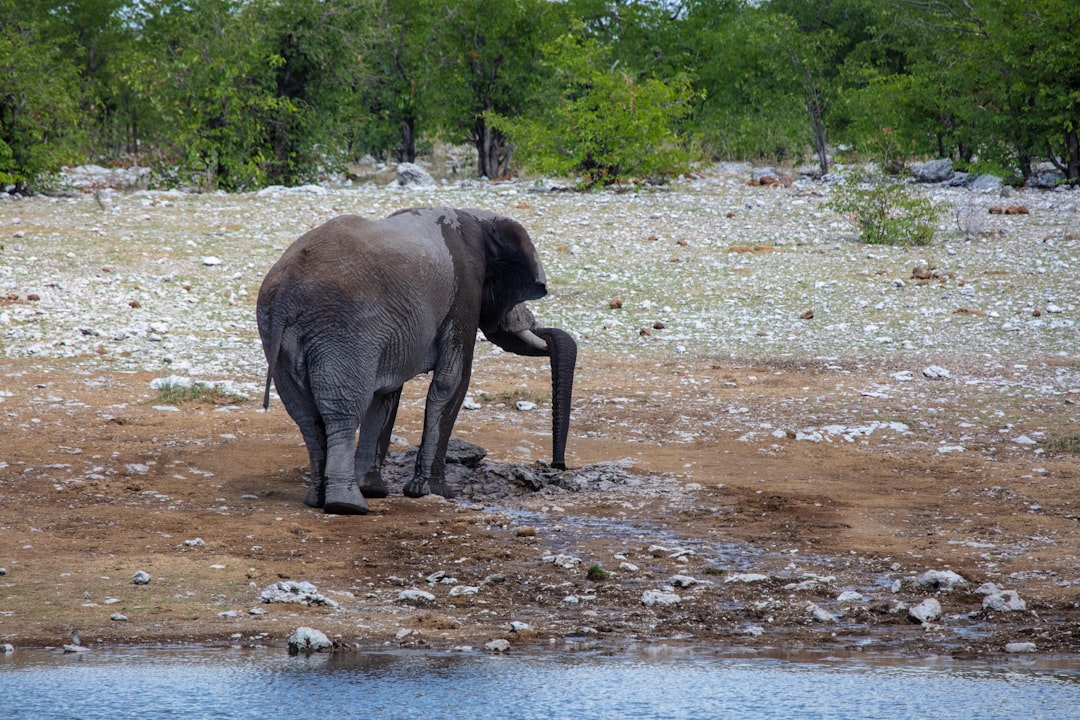
You might not think about it often, but you’ve seen elephants pee. You might have also seen a dog pee. And if you have, you’ve likely noticed a curious similarity: both can take an astonishingly short amount of time to empty their bladders. This might seem insignificant, a minor quirk of the animal kingdom. But the truth is, this expediency in urination among elephants, much like in dogs, is driven by a fundamental biological need for speed, and understanding this need sheds light on the intricate evolutionary pressures that shape even the most basic bodily functions.
The sheer volume of liquid an elephant processes is staggering, which naturally leads to the question of how they manage to expel it so rapidly. It’s easy to dismiss it as simply a large exit for a large volume, but delve deeper, and you’ll find sophisticated anatomical adaptations at play.
Bladder Capacity and Urination Rate
When you consider an elephant’s size, their bladder capacity is indeed impressive. Estimates vary, but a mature elephant can hold several liters of urine, sometimes upwards of 20 liters. The challenge, then, isn’t just holding it, but releasing it efficiently. Think of it like a dam versus a fire hose. A dam holds back an immense volume of water, but its release is often controlled and gradual. An elephant’s urinary system, conversely, operates more like the fire hose, designed for rapid expulsion. The speed at which this volume can be expelled is the key. While a human might take a minute or more to empty a relatively smaller bladder, an elephant can achieve this in a matter of seconds, often less than twenty. This remarkable speed isn’t about convenience; it’s a necessity dictated by their physiology and environment. The rate of urine flow is significantly higher than what you’d observe in most mammals. This is a direct consequence of the pressure gradient within their urinary tract and the musculature involved.
Urethral Structure and Muscular Control
The urethra, the tube that carries urine from the bladder out of the body, is instrumental in this speedy discharge. In elephants, the urethra is proportionally large, a necessary adaptation for moving such a significant volume of fluid. But size alone isn’t the whole story. Crucial to the rapid voiding is the incredible muscular power associated with the bladder and the surrounding structures. You’re not just dealing with passive drainage; it’s an active, forceful expulsion. The detrusor muscle of the bladder contracts powerfully, and the abdominal muscles play a significant role in increasing intra-abdominal pressure, effectively squeezing the bladder to eject its contents. This coordinated muscular effort is so potent that it can overcome the resistance of the urethra and achieve a rapid flow rate. Consider the mechanics of squeezing a water bottle; the more force you apply, the faster the water comes out. Elephants have evolved a biological mechanism that achieves this on a massive scale.
The Role of Gravity
While not the primary driver, gravity still plays a supporting role in the efficient expulsion of urine. For most four-legged animals, including elephants and dogs, standing upright can facilitate a more direct downward path for urine. However, the sheer speed achieved by elephants goes beyond what gravity alone could facilitate. The powerful muscular contractions are the main architects of their rapid urination. Imagine trying to empty a bucket by simply tipping it versus by actively scooping the water out. The latter is far more efficient, and that’s what elephants are doing with their bladders. The angle of the urethra, influenced by their posture, may also contribute to a more unimpeded flow, but it’s the internal pressures that are key.
Elephants, despite their massive size, have a surprisingly quick urination process that can rival that of much smaller animals like dogs. This phenomenon has been explored in various scientific articles, including one on the website Freaky Science, which delves into the reasons behind this rapid expulsion of urine. The article explains how the anatomy and physiology of elephants allow them to efficiently manage their bodily functions, making it an intriguing topic for those interested in animal biology. For more information, you can read the article here: Freaky Science.
The Necessity of Speed: Evading Predation
The reason for this remarkable efficiency isn’t arbitrary. It’s rooted in the evolutionary pressures that have shaped elephants, pressures that often revolve around survival and the avoidance of becoming prey.
Reduced Vulnerability During Elimination
Think about the moments when you are most vulnerable. Often, it’s when you’re distracted, occupied with a basic bodily function where your senses might be dulled, and your ability to react is compromised. For a large herbivore like an elephant, especially when younger and more susceptible to predation, standing still for an extended period to urinate could be a fatal mistake. A predator, be it a lion, hyena, or even a crocodile lurking near a water source, would see an opportune moment. The speed with which an elephant can void its bladder minimizes this window of vulnerability. It’s about minimizing the time spent with your guard down. You can see a similar principle at play, albeit on a smaller scale, with dogs. A dog that lingers too long at its perceived “bathroom spot” is more exposed. The quick dog pee is a tiny evolutionary advantage.
Maintaining Mobility and Vigilance
Constantly being on the move is a fundamental survival strategy for many prey animals. Prolonged stillness can signal weakness or an absence of immediate threats, making them attractive targets. The rapid urination allows elephants to quickly return to a state of full mobility and alertness. They can move from foraging to drinking to traveling without being unduly detained by physiological needs. This constant state of readiness is crucial for detecting danger and escaping it. Imagine a herd on the move across the savanna; any individual that lags behind for too long, engaged in a lengthy process, becomes a liability. The efficiency of their urination allows them to keep pace with the group and maintain constant vigilance. This isn’t just about avoiding a single predator; it’s about remaining part of a cohesive unit that collectively offers better protection.
The Collective Benefit
For herd animals, the efficiency of individual members contributes to the overall safety of the group. When every elephant can quickly attend to its needs and rejoin the herd, the collective vigilance and defensive capabilities are enhanced. A herd that is constantly interrupted by slow-moving individuals is a less effective defensive unit. The rapid voiding of urine is a small but significant factor in maintaining the herd’s operational efficiency and its ability to react as one to threats. You can witness the collective advantage in other behaviors – synchronized drinking, for instance, where the herd moves together, minimizing individual exposure time at the water’s edge. Fast urination fits within this paradigm of collective efficiency and safety.
The Comparison with Dogs: Convergent Evolution
While the scale is vastly different, the functional similarity between an elephant’s rapid urination and a dog’s is striking. This isn’t a coincidence; it’s a testament to convergent evolution, where unrelated species independently develop similar traits in response to similar environmental pressures.
The Need for Terrestrial Agility
Both elephants and dogs are terrestrial animals, and agility and the ability to move efficiently are paramount for their survival. Dogs, as predators and prey, benefit immensely from being able to quickly move from one situation to another, whether it’s chasing prey, escaping danger, or investigating a scent. A dog that spends too long in one spot is an easier target for larger predators or a less effective hunter. The rapid urination allows them to remain agile and responsive. You don’t see dogs lingering for minutes on end during their brief outdoor excursions. They are designed for bursts of activity, and their bodily functions often mirror this need.
Efficient Waste Management
Beyond predation, there’s also the fundamental need for efficient waste management. Bodies produce waste products, and the most effective way to remove them is often the quickest way. For large animals, carrying excess liquid can also impact mobility and overall physiological efficiency. Rapid urination is a way to shed this burden quickly. You wouldn’t want to be weighed down by a full bladder when you need to sprint. This applies to both species. For an elephant, it’s about maximizing energy for long migrations or defensive charges. For a dog, it’s about maximizing energy for a chase or an escape. The physiological systems that facilitate this efficiency are remarkably similar in their end goal.
The Scent Marking Conundrum
While elephants don’t engage in the same type of territorial scent marking as dogs, the speed of urination still has implications for scent. Rapid voiding means less time for urine to be disturbed or linger in a way that might attract unwanted attention. For dogs, scent marking is a deliberate behavior, but even then, the act of urination is relatively quick. They might linger to receive information from urine, but the act of depositing their own is swift. This contrast highlights that while scent is a factor for dogs, the primary driver for speed in both species leans towards survival by minimizing vulnerability. You might see a dog lift its leg and pee in a few seconds, then immediately move on to sniffing. The “business” part is done quickly.
Hormonal and Neurological Underpinnings
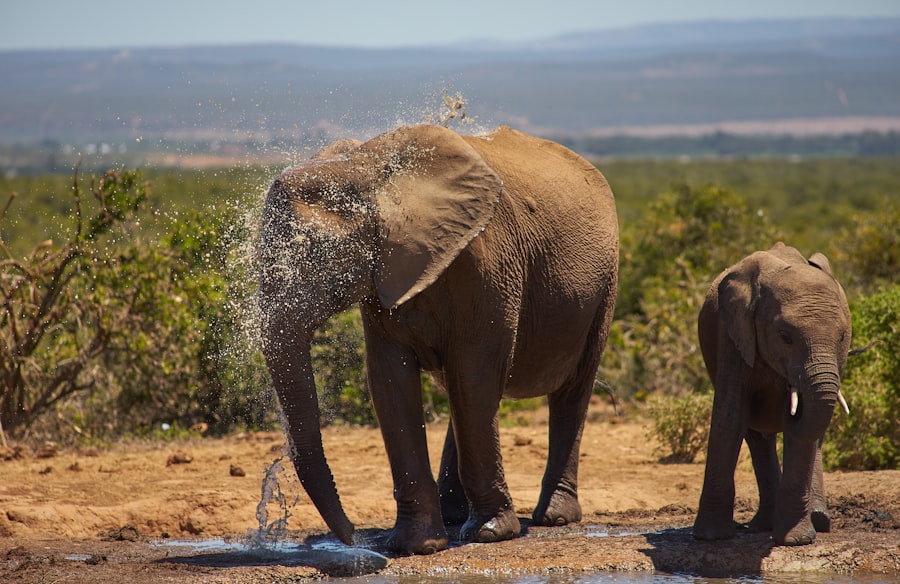
The seemingly simple act of urination is remarkably complex, orchestrated by intricate hormonal and neurological pathways. The speed with which elephants achieve this is a direct result of fine-tuned biological programming.
The Autonomic Nervous System’s Role
The autonomic nervous system, which controls involuntary bodily functions like digestion and urination, is central to this process. The sympathetic and parasympathetic branches of the autonomic nervous system work in tandem to regulate bladder contraction and sphincter relaxation. In elephants, the signaling between the brain, spinal cord, and bladder muscles is exceptionally robust, allowing for rapid and coordinated activation. Think of it as a highly responsive communication network. When the signal to void is given, the network transmits it with incredible speed and precision to all the necessary components. This isn’t a sluggish, drawn-out conversation between organs; it’s a rapid-fire exchange.
Hormonal Influences on Bladder Function
Hormones also play a role in regulating bladder capacity and the urge to urinate. While the specific hormonal profiles and their impact on elephant urination speed are complex and not fully elucidated, it’s understood that hormones influence the sensitivity of the bladder wall and the coordination of muscular contractions. You can imagine how certain hormonal surges might prime the system for a more forceful and rapid expulsion when the time is right. This is not unlike how other bodily functions are regulated by a complex interplay of hormones. For example, adrenaline can trigger fight-or-flight responses, and it’s plausible that similar hormonal triggers are involved in the rapid voiding of the bladder, especially in situations where escape might be necessary.
Evolutionary Modifications for Speed
Over millennia, natural selection has favored individuals with physiological traits that enhance survival. For elephants, this has meant refining the neural pathways and muscular mechanisms involved in urination to optimize for speed. When every second counts in evading a predator, or even in simply conserving energy by not standing still for too long, those with a more efficient urinary system would have had a survival advantage. This evolutionary pressure has sculpted their anatomy and physiology to achieve this striking efficiency. It’s a biological adaptation honed by the harsh realities of their environment, where mistakes can have severe consequences.
Elephants, despite their massive size, have surprisingly quick urination habits that can rival those of smaller animals like dogs. This intriguing phenomenon is explored in detail in a related article that discusses the physiological adaptations of these majestic creatures. For more insights into this topic, you can read the full article here. Understanding why elephants pee as fast as dogs not only sheds light on their biology but also highlights the fascinating ways in which different species have evolved to meet their environmental needs.
Implications for Conservation and Research
| Reasons | Explanation |
|---|---|
| Physiological Adaptation | Elephants have a large bladder and urethra, allowing them to release urine quickly, similar to dogs. |
| Efficiency | Peeing quickly helps elephants avoid spending too much time in vulnerable positions while urinating in the wild. |
| Marking Territory | Rapid urination allows elephants to spread their scent and mark their territory effectively. |
Understanding the biological mechanisms behind elephant urination has implications that extend beyond mere curiosity, touching upon conservation efforts and future research.
Monitoring Elephant Health
The frequency and manner of urination can be indicators of an elephant’s health. Deviations from normal patterns could signal underlying issues, such as dehydration, kidney problems, or infections. By understanding what constitutes “normal” rapid urination and the factors that might influence it, researchers and conservationists can better monitor the well-being of wild and captive elephant populations. Imagine being able to spot subtle signs of illness simply by observing their elimination habits. This knowledge is crucial for early intervention. You wouldn’t expect a healthy animal to struggle with urination, and similarly, any noticeable change in the speed or volume could be a red flag.
Understanding Water Needs and Hydration
The sheer volume of liquid elephants consume and expel highlights their significant water requirements. Studying their urination patterns can provide insights into their hydration levels and how they manage water resources in different habitats. This information is vital for creating effective conservation strategies that ensure access to adequate water sources, especially in areas facing drought or habitat fragmentation. You can infer a lot about an animal’s environment and its needs based on how it processes water. For an animal as large as an elephant, this is particularly significant. Their reliance on water is profound, and their ability to process it efficiently is a key survival trait.
Advancements in Veterinary Care
For elephants in captivity, or those being treated for injuries or diseases, a thorough understanding of their physiology, including their urinary system, is essential for providing optimal veterinary care. Knowledge of normal voiding patterns and the capacity for rapid expulsion can inform diagnostic procedures and treatment protocols, ensuring that interventions are both effective and minimally stressful for the animal. This directly impacts how veterinarians approach common ailments. A veterinarian would need to know what a healthy elephant’s urinary system is capable of to diagnose and treat it effectively.
The speed at which an elephant urinates, much like the comparative expediency seen in dogs, is not a trivial biological quirk. It is a testament to the powerful forces of natural selection, shaping even the most mundane bodily functions to serve the crucial needs of survival. From the intricate anatomy of their urinary tract to the sophisticated coordination of their nervous systems, elephants are biologically programmed for efficiency. This efficiency translates directly into reduced vulnerability, enhanced mobility, and ultimately, a greater chance of survival in the challenging environments they inhabit. By looking closely at these seemingly small details, you gain a deeper appreciation for the complex and interconnected nature of life on Earth, and the remarkable adaptations that allow species to thrive.
FAQs
1. Why do elephants pee as fast as dogs?
Elephants have a unique urinary system that allows them to release urine quickly. This is due to their large bladder capacity and the need to expel waste efficiently to avoid predators.
2. What is the average speed at which elephants pee?
Elephants can release urine at a rate of about 6 gallons (23 liters) per second, which is comparable to the speed at which dogs urinate.
3. How does the speed of elephant urine compare to other animals?
The speed at which elephants pee is faster than most other animals, including humans. This is due to their large size and the need to expel waste quickly to avoid potential threats in the wild.
4. Is there a specific reason for the fast urination speed in elephants?
The fast urination speed in elephants is believed to be an adaptation for survival in the wild, allowing them to quickly expel waste and minimize the time spent in vulnerable positions.
5. Are there any health implications for elephants due to their fast urination speed?
There are no known health implications for elephants due to their fast urination speed. It is a natural and efficient process that helps them maintain their well-being in their natural habitat.