The Peculiar Perception of Color E-Paper Brightness
The allure of e-paper displays, particularly those capable of rendering color, is undeniable. For avid readers and digital note-takers, the promise of a paper-like experience, free from the eye strain associated with traditional LCD and OLED screens, is a powerful draw. However, a common observation among users of color e-paper devices is that the colors, while present, often appear dimmer, less vibrant, and less punchy than what they might be accustomed to on their smartphones or tablets. This perceived dimness, while initially jarring, is not a flaw but a fundamental characteristic inherent to the technology itself. Understanding the underlying principles of how color e-paper works reveals why this apparent lack of brightness is an intrinsic trade-off for its unique advantages.
Color e-paper technology, while innovative, often results in dimmer displays compared to traditional screens. This phenomenon can be attributed to the way color e-paper utilizes microcapsules filled with colored pigments, which inherently limits brightness and contrast. For a deeper understanding of the factors affecting the brightness of color e-paper and its implications for future developments, you can read more in this related article: here.
The Dichotomy of Reflectance and Emission
At its core, the difference in perceived brightness between color e-paper and traditional displays boils down to their fundamental operating principles: reflectance versus emission. Traditional displays, such as LCDs and OLEDs, are emissive. They generate light themselves. Backlights in LCDs, or self-emissive pixels in OLEDs, actively produce photons that travel towards the viewer’s eye. This direct generation of light allows for a high degree of control over brightness, enabling vibrant, saturated colors and deep blacks. The intensity of the emitted light can be precisely modulated, leading to the dazzling visual experiences we associate with modern screens.
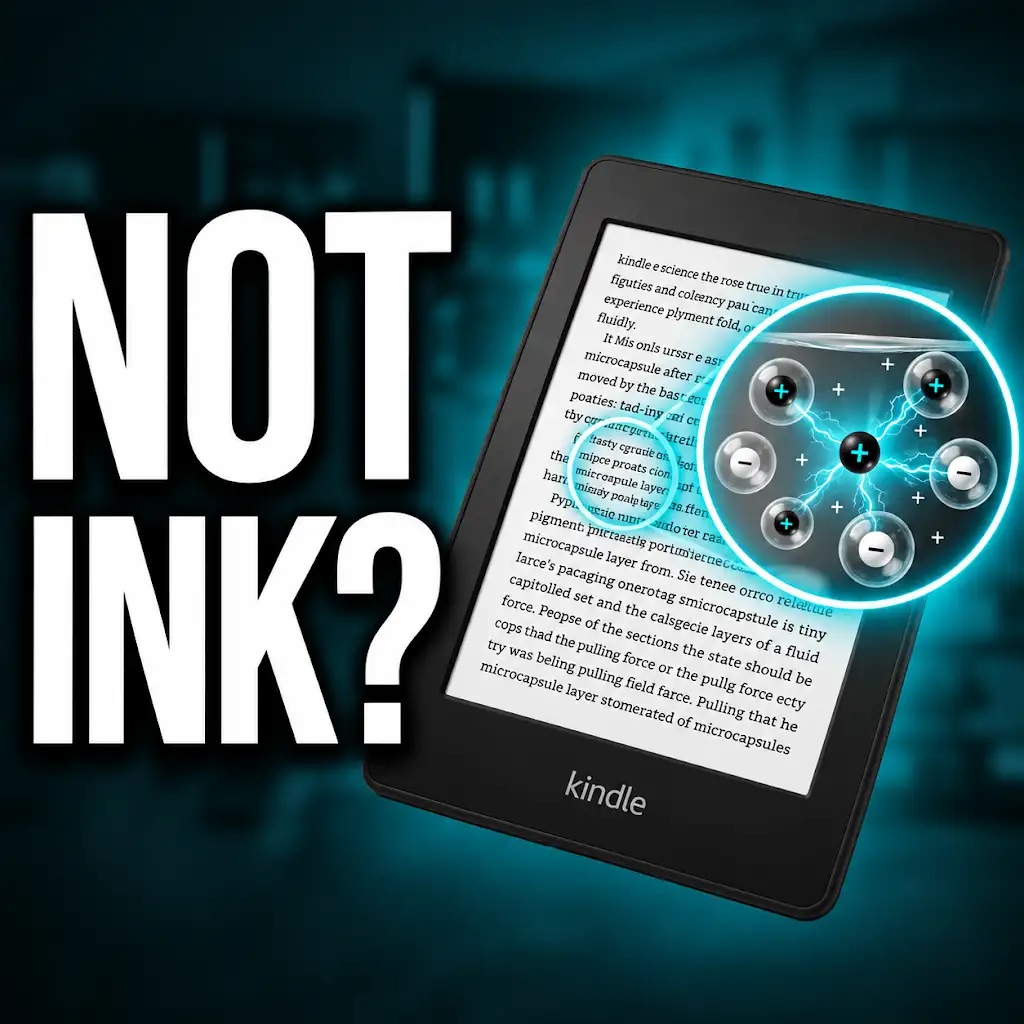
Color e-paper, on the other hand, is a reflective technology. It does not produce its own light. Instead, it relies on ambient light from its surroundings to illuminate the display. Think of it like a printed page in a book or magazine. The paper itself doesn’t glow; it reflects the light that falls upon it. Similarly, e-paper displays are composed of microcapsules, each containing positively and negatively charged colored particles suspended in a liquid. When an electric field is applied, these particles are moved to the surface of the microcapsule, creating the image. For example, to display red, red particles are brought to the top. To display white, white particles are brought to the top.
The Physics of Light Scattering and Absorption
The reflective nature of e-paper means that the perceived brightness of colors is directly tied to how effectively the colored particles scatter and reflect ambient light. Unlike a self-illuminating pixel that can emit a specific wavelength of light at full intensity, e-paper pigments are designed to absorb certain wavelengths and reflect others, just like any physical pigment. This absorption and reflection process inherently leads to a loss of light energy. When a colored particle is brought to the surface, it absorbs a portion of the incident light and reflects the rest. The reflected light is what our eyes perceive as color.
Furthermore, the microcapsule structure itself can contribute to light diffusion. The tiny spheres and the particles within them can scatter light in multiple directions, rather than a direct beam. This scattering effect, while contributing to the paper-like matte finish, also means that not all reflected light reaches the viewer’s eye directly. Some light is scattered away, further reducing the overall perceived intensity of the color.
The Role of Ambient Illumination
The dependence on ambient light is the most significant factor contributing to the perceived dimness of color e-paper. In a brightly lit environment, color e-paper can appear quite vibrant, as there is ample light for the pigments to reflect. However, in dim or low-light conditions, the display can become difficult to read, as there isn’t enough ambient light to illuminate the particles effectively. This is in stark contrast to emissive displays, which can be set to very high brightness levels to compensate for ambient light, allowing them to be viewed comfortably in almost any lighting condition.
The desire for a paper-like experience on e-paper often leads to manufacturers choosing display technologies that mimic the properties of paper, including its matte finish and lack of internal light. This means that while the colors are present and accurate in terms of hue, their saturation and overall luminance are constrained by the physics of reflection and the available ambient light. Users accustomed to the high contrast ratios and intense colors of emissive displays might find this subtle, less energetic rendering of color to be a significant departure, leading to the perception of “dimness.”
Color Pigment Limitations and Spectral Properties

The specific characteristics of the colored pigments used in color e-paper also play a crucial role in their perceived brightness. Unlike the light-emitting diodes (LEDs) or organic light-emitting diodes (OLEDs) used in traditional displays, which can generate very pure and saturated wavelengths of light, the pigments in e-paper are physical substances with inherent spectral properties. These pigments are designed to reflect specific parts of the visible spectrum while absorbing others.
The Challenge of Creating Pure Colors
The pigments used in e-paper are not perfect. They don’t absorb and reflect light with absolute precision. This means that even when a specific color is intended to be displayed, there is often some degree of absorption or reflection of unwanted wavelengths, which can dull the perceived color. For instance, a red pigment might also reflect some orange or yellow light, making the red appear less pure and therefore less vibrant. Similarly, a blue pigment might reflect some green light, and a green pigment might reflect some yellow.
The “Color Filter” Analogy and its Shortcomings
One way to conceptualize color e-paper is by comparing it to a color filter on a traditional LCD. In an LCD, a white backlight passes through color filters (red, green, and blue) to produce the colored pixels. While this analogy has some superficial similarities, it’s important to note the fundamental difference. The color filters in an LCD are designed to transmit light of a specific color, and they do so with a certain efficiency. E-paper pigments, on the other hand, are actively moving to selectively reflect light. This active manipulation of reflective particles, while ingenious, is still subject to the inherent limitations of the pigment’s spectral absorption and reflection characteristics.
The Spectrum of E-Paper Technology
Over time, manufacturers have developed various generations of color e-paper technology, each aiming to improve color saturation and brightness. Early generations, like those using dichroic pigments, often suffered from very muted colors and significant ghosting. Newer technologies, such as those incorporating Quantum Dots or advanced pigment formulations, have made considerable strides. Quantum Dots, for example, can emit light of very specific wavelengths when excited, offering the potential for more saturated and vibrant colors. However, even with these advancements, the reflective nature of the display remains a fundamental constraint. The goal is to achieve a balance between reflectivity, color purity, and the ability to accurately control the display of millions of colors, a complex engineering challenge.
Layering and Subtractive Color Mixing in E-Paper Displays
The way color is achieved in many e-paper technologies is through a process that can be broadly categorized as subtractive color mixing, often involving multiple layers of pigments or particles. This approach, while effective for creating a spectrum of colors, inherently involves interactions that can lead to reduced brightness.
The Multi-Layered Microcapsule Approach
Many color e-paper displays utilize multiple layers of microcapsules, each containing different colored particles. For instance, a common configuration might involve layers for cyan, magenta, and yellow (CMY) pigments, the subtractive primaries. To produce a specific color, the device manipulates the electric fields to bring the appropriate combination of CMY particles to the surface. For example, to create red, the magenta and yellow particles would be brought to the surface, which then absorb blue and green light respectively, reflecting red light.
The Inherent Light Loss in Subtractive Mixing
Subtractive color mixing is inherently a process of light absorption. When multiple color filters or pigments are layered, each layer absorbs certain wavelengths of light. The final color perceived is the light that remains after all the absorptions have occurred. This means that as more layers or pigments are involved in creating a particular color, more light is absorbed, and consequently, less light is reflected back to the viewer. This physical reality of light absorption directly contributes to the dimmer appearance of colors compared to emissive displays, where colors are generated by emitting light.
The “White” State and its Constraints
Even the representation of “white” on a color e-paper display can be a compromise that affects perceived brightness. In many color e-paper systems, white is achieved by bringing all the white particles to the surface. However, in multi-layered systems designed for color mixing, the “white” state might be achieved by bringing clear particles or a specific combination of colored particles to the surface that, in theory, reflects all wavelengths. In practice, the interaction of these particles and potential light scattering can still lead to a less brilliant white than what might be seen on a purely reflective monochrome e-paper display or an emissive screen. The trade-off for a full color gamut often means a less pristine “white” and therefore a slightly lower overall luminance.
The recent advancements in e-paper technology have sparked discussions about the brightness and clarity of color displays compared to traditional screens. A related article on this topic explores the reasons why color e-paper tends to be dimmer than its LCD or OLED counterparts. For a deeper understanding of this phenomenon, you can read more about it in this insightful piece on Freaky Science, which delves into the science behind e-paper technology and its implications for future devices.
The Trade-off: Power Consumption and Eye Strain Reduction
| Factor | Description | Impact on Brightness | Example Metric |
|---|---|---|---|
| Color Filter Layer | Color e-paper uses a color filter array to produce colors by filtering white light. | Reduces light reflectance, causing dimmer appearance compared to monochrome e-paper. | Reflectance drops from ~40% (monochrome) to ~20-25% (color) |
| Microcapsule Structure | Microcapsules contain colored particles that reflect less light than black/white particles. | Lower reflectivity leads to reduced brightness and contrast. | Contrast ratio decreases by 30-50% in color e-paper |
| Ambient Light Dependency | Color e-paper relies entirely on ambient light without backlighting. | In low light, color e-paper appears dimmer than LCD or OLED displays. | Minimum ambient light required: ~100 lux for clear visibility |
| Particle Size and Density | Colored particles are often larger or less densely packed to maintain color fidelity. | Leads to less uniform light reflection and dimmer overall appearance. | Particle density reduced by ~15% compared to monochrome |
| Color Saturation vs Brightness Tradeoff | Increasing color saturation often reduces brightness due to absorption of light. | Balancing color vibrancy and brightness limits maximum achievable brightness. | Brightness reduced by up to 40% at high saturation levels |
While the perceived dimness of color e-paper might be a detractor for some, it is crucial to understand that this characteristic is inextricably linked to the technology’s most significant advantages: exceptionally low power consumption and a significantly reduced propensity for eye strain. The very physics that makes color e-paper appear dimmer also allows it to consume minuscule amounts of power, often only requiring energy when the image is changing.
The “Bistable” Nature and Zero Power Draw
The defining characteristic of e-paper technology is its bistability. Once an image is set on the display, it will remain there indefinitely without requiring any further power. This is a revolutionary departure from traditional displays, which constantly consume power to maintain an image, even a static one. For devices like e-readers and digital signage, this bistability translates into battery lives that can last weeks or even months on a single charge. The dimness, therefore, is a direct consequence of not actively generating light, which is the primary reason for this remarkable power efficiency.
Mimicking Paper for Visual Comfort
The paper-like appearance, characterized by its matte finish and reflective nature, is deliberately designed to reduce eye strain. Traditional displays emit light directly into the user’s eyes, which can lead to fatigue, dryness, and discomfort, especially during prolonged reading sessions. The reflective nature of e-paper, by mimicking the way we view physical paper, significantly reduces this effect. The light is reflected, not emitted, creating a gentler visual experience that is far more comfortable for the eyes. The perceived dimness is an intrinsic part of this comfort equation; a super-bright, emissive display would defeat the purpose of creating an eye-friendly reading surface.
Strategic Use Cases for Dimness
The apparent dimness of color e-paper is not a universal drawback but rather a characteristic that makes it ideal for specific applications. For e-readers, where the primary function is text consumption, a slightly muted color palette is often perfectly acceptable, and the eye comfort it provides is paramount. For note-taking devices, where clarity and long battery life are essential, the trade-off is well worth it. While color e-paper might not be the ideal choice for watching high-definition movies or playing graphically intensive games where vibrant colors and high refresh rates are critical, it excels in scenarios where visual endurance and power efficiency are prioritized. The technology is not trying to compete with the visual intensity of emissive displays; it is carving out its own niche by offering a unique set of benefits.
Future Innovations and Bridging the Gap
While current color e-paper technology presents the inherent limitations leading to perceived dimness, the field is not stagnant. Ongoing research and development are actively seeking ways to improve color saturation, brightness, and refresh rates without entirely sacrificing the core advantages of e-paper.
Advancements in Pigment and Particle Technology
Manufacturers are continually experimenting with new pigment formulations and particle designs. The goal is to create particles that scatter light more efficiently, absorb unwanted wavelengths more precisely, and are more responsive to electric fields. This could lead to more vibrant colors and a brighter overall display. Technologies like microencapsulation that enclose pigments in smaller, more uniform spheres, or the use of advanced dielectric materials, are areas of active exploration. The development of materials that exhibit stronger dichroic effects (reflecting specific colors strongly while absorbing others) is also a key research direction.
The Rise of Hybrid Displays and New Architectures
The pursuit of bridging the gap between the benefits of e-paper and the vibrancy of emissive displays has also led to the exploration of hybrid display architectures. Some researchers are investigating ways to integrate a low-power, reflective display with a supplementary emissive layer that can be activated only when needed for enhanced color or brightness. This would allow for the best of both worlds: the power efficiency and eye comfort of e-paper for general use, and the visual pop of emissive technology for specific applications like displaying photos or videos.
Improved Backlighting and Frontlighting Solutions
While e-paper is fundamentally reflective, the use of frontlights and backlights has become increasingly sophisticated. Modern e-paper devices often incorporate adjustable frontlights that diffuse light evenly across the screen, improving visibility in low-light conditions without the harshness of a traditional backlight. Future innovations might involve more advanced lighting systems that can selectively illuminate the display without compromising its reflective nature. This could involve tunable LEDs or micro-LED arrays that can be precisely controlled to enhance color perception without making the display emissive.
The Evolving Definition of “Brightness”
Ultimately, the perception of “brightness” in e-paper is subjective and context-dependent. As color e-paper technology matures, users will likely become more accustomed to its unique visual characteristics. The focus may shift from directly comparing its luminance to emissive displays to appreciating its strengths in terms of battery life, eye comfort, and paper-like readability. The ongoing advancements promise to make color e-paper displays more compelling and versatile, slowly narrowing the perceived gap in brightness while retaining their core, paper-like advantages.
Why Your Kindle Screen Doesn’t Work the Way You Think
FAQs
Why is color e-paper dimmer than traditional displays?
Color e-paper is dimmer because it uses reflective technology that relies on ambient light for visibility, unlike traditional displays that emit light from a backlight.
Does the dimness of color e-paper affect readability?
The dimness of color e-paper can affect readability in certain lighting conditions, especially in low-light environments where the lack of a backlight may make it harder to see the screen.
Can the dimness of color e-paper be adjusted?
Some color e-paper devices may have settings to adjust the brightness or contrast to improve visibility in different lighting conditions, but the overall dimness is a characteristic of the technology.
Are there any advantages to the dimness of color e-paper?
One advantage of the dimness of color e-paper is that it can reduce eye strain compared to traditional displays, especially when reading for extended periods of time.
Is there ongoing research to improve the brightness of color e-paper?
Researchers are continuously working on developing new technologies and materials to enhance the brightness and color saturation of e-paper displays while maintaining their energy efficiency and readability in various lighting conditions.