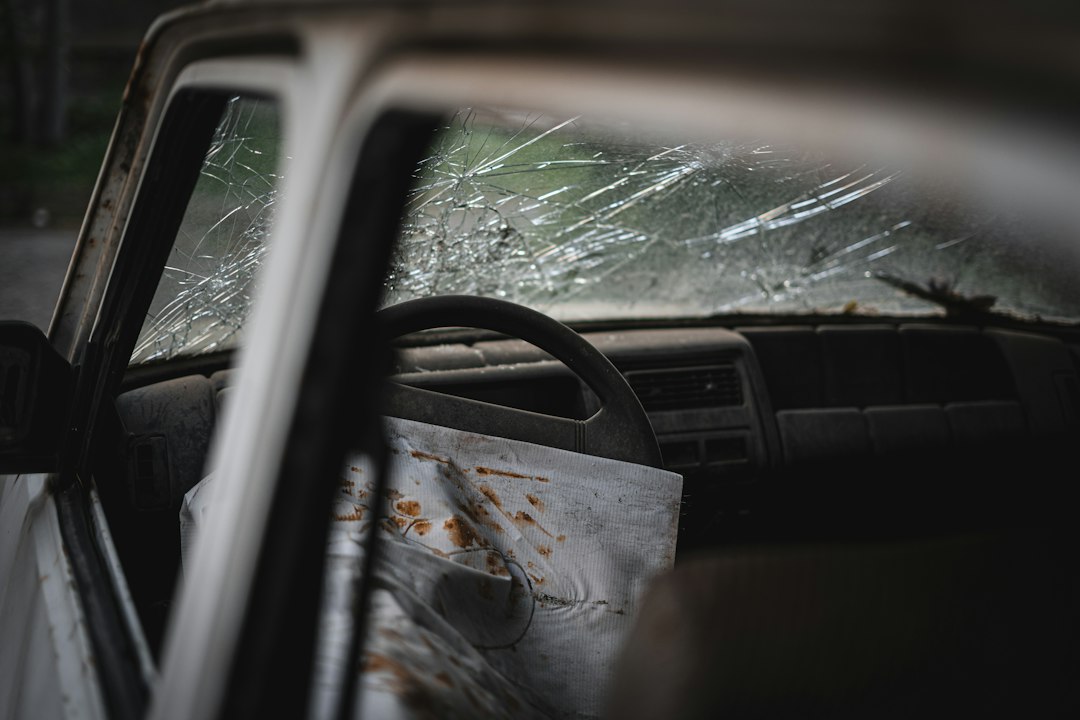
You’ve probably been there. You’re in a hurry, or maybe you’re just being clumsy, and you accidentally bump into your car door, or perhaps a stray rock skips off the asphalt and smacks your window with a startling thud. And then you notice it: a spiderweb of cracks, or worse, a deep, menacing chip. But the window doesn’t shatter. It holds. It’s a frustratingly common experience, and it leads to a very reasonable question: why are car windows so incredibly hard to break? It’s not just a matter of stubbornness; it’s a carefully engineered feature designed for your safety and security.
The Science of Shatter Resistance: Beyond Ordinary Glass
Your car windows aren’t made from the same stuff your drinking glasses are. The ordinary soda-lime glass used for household items is brittle. A sharp impact, and it’s likely to fragment into sharp, dangerous shards. Car windows, however, are almost universally made from a special type of glass called tempered glass. This isn’t just a fancier name; it’s a fundamental difference in manufacturing that imbues the glass with extraordinary strength and a unique way of breaking that prioritizes your safety.
The Heat Treatment: Forging Strength Through Fire
The secret to tempered glass lies in its creation. It begins with ordinary glass, which is then subjected to an intense heating process. The glass is heated to a temperature just below its softening point, around 600-700 degrees Celsius (1100-1300 degrees Fahrenheit). Imagine a car window being baked in a giant, incredibly hot oven. Once it reaches this critical temperature, it’s rapidly cooled. This rapid cooling process, known as quenching, is where the magic happens. The outer surfaces of the glass cool and solidify much faster than the interior.
The Contraction Dance: Creating Internal Stress
As the outer layers cool and contract, they try to shrink. However, the still-molten interior resists this contraction. This creates a battle of forces within the glass. The outer surfaces are put under immense compression, while the interior is simultaneously stretched into tension. Think of it like a powerful hug. The outside is squeezing in, while the inside is being pulled apart. This carefully controlled internal stress is the key to tempered glass’s increased strength. The compressive forces on the surface act as a shield, absorbing and distributing impact energy, making it significantly more difficult for cracks to initiate and propagate.
The Molecular Reorganization: A Stronger, More Resilient Structure
Beyond the macroscopic stresses, the rapid cooling also has a molecular effect. The rapid cooling freezes the molecules in a more ordered, tightly packed state on the surface. This reorganized molecular structure is inherently stronger and more resistant to fracturing than the more random arrangement found in annealed glass. It’s like building a wall with tightly interlocking bricks versus loosely stacked ones; the former will withstand much more pressure before collapsing. This internal structural integrity, combined with the surface compression, makes your car windows a formidable barrier against everyday impacts.
Car windows are designed to be tough and durable, which is why breaking them can be quite challenging. The glass used in most vehicles is tempered, making it much stronger than regular glass. This durability is crucial for safety, as it helps protect passengers during accidents. For a deeper understanding of the science behind the strength of car windows and the materials used, you can read a related article at Freaky Science.
Why the “Explosion” When It Does Break? The Safety Feature You Might Not Appreciate

While the goal is to prevent breakage, understanding how tempered glass breaks when it finally succumbs to an overwhelming force is crucial to understanding its safety design. Unlike regular glass, which shatters into large, razor-sharp shards, tempered glass breaks into small, relatively blunt, pebble-like pieces. This is a deliberate and life-saving design choice.
The Instantaneous Fracture: A Chain Reaction of Relief
When a strong enough impact finally overcomes the compressive forces on the surface of tempered glass, the stored tension in the interior is suddenly released. This sudden release triggers a rapid, domino-like chain reaction. The glass essentially disintegrates. The pre-existing internal stresses, which were holding it together under normal conditions, now work to break it apart in a controlled manner. The small pieces are a direct consequence of the way the glass breaks under these specific internal forces.
The Reduced Hazard: Minimizing Injury Risk
The blunt nature of these small fragments is the primary safety benefit. While any broken glass is a hazard, tempered glass fragments are far less likely to cause severe lacerations. Think about the difference between being cut by a knife’s edge versus being jabbed by a blunt object. The pebble-like pieces are designed to minimize the risk of serious injury to occupants during a crash or if the window needs to be broken for emergency egress. This is a stark contrast to annealed glass, which can break into long, wickedly sharp shards that pose a significant danger.
The “Explosion” Effect: A Visual Cue of Safety
The characteristic “explosion” of tempered glass is actually a testament to its safety design. The way it disintegrates into numerous small pieces is precisely what it’s engineered to do when subjected to extreme stress. While it might seem alarming, this fragmentation is the glass fulfilling its safety purpose. Imagine a severe accident where the vehicle is crushed or rolls over. The tempered glass, designed to break in this manner, provides a safer way for occupants to be ejected or for rescuers to access them, minimizing the risk of further injury from the glass itself.
The Windshield’s Different Defense: Laminated Glass Explained
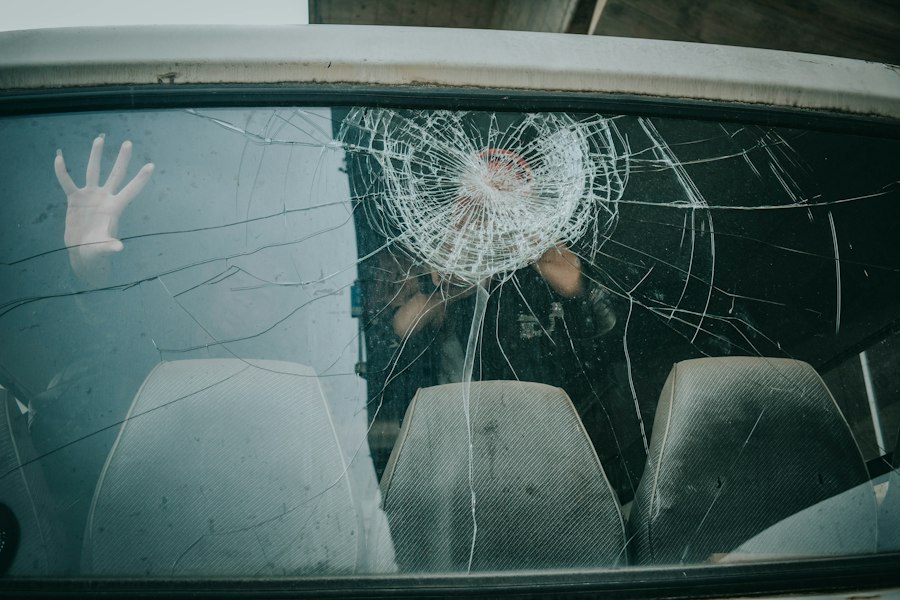
Now, you might be thinking, “But my windshield isn’t made of tempered glass, is it?” You’d be right. Your car’s windshield is a different beast entirely, employing a different but equally vital safety technology: laminated glass. While tempered glass is designed to break into less harmful pieces, laminated glass is designed to stay together. This difference in function is due to its unique layered construction.
The Layered Sandwich: Glass, Plastic, and More Glass
A laminated windshield is essentially a sandwich. It consists of two layers of annealed glass with a middle layer of polyvinyl butyral (PVB) plastic. This PVB layer is the crucial component. It acts as a powerful adhesive and a shock absorber, binding the two glass layers together. The glass is precisely cut, a layer of PVB is placed on top, and then another layer of glass is carefully positioned. This entire assembly is then heated and pressed under vacuum to create a strong, unified structure.
The Adhesion Advantage: Preventing Separation
The PVB interlayer is bonded to the glass under intense heat and pressure. This creates an incredibly strong adhesion. When the windshield is impacted, the PVB layer prevents the glass from shattering and fragmenting. Instead, the glass might crack, forming a spiderweb pattern, but the pieces will remain held in place by the plastic interlayer. This is why, even with significant damage, your windshield typically maintains its structural integrity and doesn’t allow large pieces of glass to enter the cabin.
The Penetration Barrier: Keeping Debris Out
The primary safety benefit of laminated glass in a windshield is its ability to act as a barrier against penetration. In a collision, flying debris, rocks, or even other vehicles are less likely to breach the windshield. The PVB layer absorbs a significant amount of impact energy and holds the glass together, preventing a catastrophic failure that could lead to occupants being ejected or exposed to extreme external forces. This barrier function is paramount for driver and passenger safety.
The Aerodynamic Integrity: Maintaining Vehicle Structure
Beyond direct impact, the windshield plays a vital role in the structural integrity and aerodynamics of your vehicle. In a rollover accident, the windshield provides crucial support, helping to prevent the roof from collapsing. The laminated construction, with its intact nature, contributes significantly to this support. A shattered or fragmented windshield would offer far less resistance, increasing the risk of severe injury from roof collapse.
The Strength of the Entire System: How Different Windows Work Together
It’s important to recognize that the strength of your car’s windows isn’t just about the individual properties of tempered or laminated glass. It’s about how these different types of glass work in concert with the vehicle’s overall safety design to protect you. The side and rear windows, typically made of tempered glass, are designed for a different purpose than the windshield.
Side and Rear Windows: Emergency Egress and Impact Resistance
The tempered glass used in your car’s side and rear windows is chosen for its ability to break into smaller, less dangerous pieces. This is crucial for emergency situations. If your car ends up submerged in water or involved in a fire, the ability to quickly break a side or rear window is a life-saving capability. The tempered glass facilitates this by fragmenting predictably. While they are also strong enough to resist everyday impacts and minor collisions, their primary safety advantage lies in their controlled breakage for emergency escape.
Strategic Placement: Maximizing Impact Distribution
The placement of tempered glass in side and rear windows is strategic. These windows are more exposed to lateral impacts from other vehicles, pedestrians, or objects. The tempered glass is robust enough to withstand many of these impacts. However, if an impact is severe enough to cause breakage, the resulting fragments are designed to minimize harm. This contrasts with the windshield, where maintaining a complete barrier is the priority.
The Windshield’s Protective Role: A Forward-Facing Shield
The laminated windshield, with its inability to easily shatter, serves as a primary shield against forward impacts and debris. It protects you from road hazards, prevents objects from entering the cabin, and contributes significantly to the vehicle’s structural integrity in a crash. The combination of these different glass types creates a comprehensive safety system.
Integrated Safety Features: Airbags and Beyond
It’s also worth noting that the effectiveness of your car’s windows is part of a larger safety ecosystem. Airbags deploy in conjunction with seatbelts and the structural integrity of the vehicle, including its windows, to absorb impact forces and protect occupants. The way your windows break or stay intact influences how these other safety systems function and how energy is managed during a collision.
Car windows are designed to withstand significant impact, making them difficult to break in emergencies. This is largely due to the use of tempered glass, which is treated to be much stronger than regular glass. For those interested in understanding the science behind this phenomenon, a related article can be found at Freaky Science, where various aspects of glass strength and safety features in vehicles are explored in detail. Knowing how these materials work can enhance your appreciation for automotive safety.
Beyond the Break: Other Reasons for Window Durability
| Factor | Description | Impact on Breakability | Typical Measurement/Value |
|---|---|---|---|
| Glass Type | Most car windows use tempered or laminated glass | Tempered glass shatters into small pieces; laminated glass holds together | Tempered glass strength: ~7000 psi |
| Thickness | Car windows are thicker than regular glass panes | Increased thickness increases resistance to impact | Typical thickness: 3-6 mm |
| Laminated Layer | Windshields have a plastic interlayer (PVB) | Prevents glass from shattering and holds pieces together | Interlayer thickness: ~0.76 mm |
| Glass Treatment | Heat treatment strengthens glass | Improves tensile strength and impact resistance | Tempering temperature: ~620°C |
| Frame Support | Window frames provide structural support | Distributes force and reduces localized stress | Varies by car model |
| Impact Energy Required | Energy needed to break the glass | Higher energy means harder to break | Approx. 20-30 joules for tempered glass |
While safety is the paramount reason for the specialized nature of car windows, their durability also contributes to the longevity and overall quality of your vehicle. You expect your car to withstand the rigors of daily driving, and its windows are a significant part of that expectation.
Resistance to Environmental Factors: Sun, Rain, and Temperature
Car windows are constantly exposed to the elements. They must resist degradation from UV radiation from the sun, which can cause some plastics to become brittle or discolored over time. They need to withstand the constant exposure to rain, moisture, and fluctuating temperatures, from scorching heat to freezing cold, without becoming warped, cracked, or opaque. The manufacturing processes for both tempered and laminated glass ensure this resilience.
The Optical Clarity: Maintaining Visibility
One of the most basic, yet crucial, functions of your car windows is to provide clear visibility. The materials and manufacturing processes ensure that the glass remains optically clear and free from distortions that could impair your vision. This is vital for safe driving in all conditions. Even with minor chips or cracks, the glass is designed to maintain a reasonable level of clarity to avoid creating new hazards.
Resistance to Everyday Wear and Tear: Scratches and Minor Impacts
Beyond major accidents, your car windows face a constant barrage of minor wear and tear. Dust, grit, and small debris can cause scratches over time. While not as precisely engineered as the shatter resistance, the surface hardness and composition of car glass offer a degree of protection against these everyday abrasions. This helps maintain both the aesthetic appeal and the functional clarity of your windows throughout the vehicle’s lifespan. You don’t want your car windows to look like frosted glass after just a few years of driving, and the quality of the glass helps prevent this.
The Cost of Replacement: A Testament to Durability
Consider the cost of replacing a car window. It’s often a significant expense, which is a testament to the advanced technology and manufacturing involved. If car windows were as fragile as regular glass, they would likely be replaced far more frequently, adding to the overall cost of vehicle ownership and maintenance. The durability you experience is a direct result of the engineering and materials used. You’re paying for a product designed to last and to protect you, not just to break easily.

Your Car Window Can Keep You In—Even When You Need Out
FAQs
1. Why are car windows hard to break?
Car windows are hard to break because they are made of tempered glass, which is designed to be stronger and more resistant to shattering than regular glass.
2. Can car windows be broken in an emergency?
Yes, car windows can be broken in an emergency using specialized tools such as a spring-loaded center punch or a glass breaker tool designed for breaking car windows quickly and safely.
3. What makes tempered glass different from regular glass?
Tempered glass is different from regular glass because it undergoes a special heating and rapid cooling process that makes it much stronger and more resistant to breakage. When tempered glass does break, it shatters into small, blunt pieces instead of sharp shards.
4. Are there any safety benefits to having hard-to-break car windows?
Yes, hard-to-break car windows provide added safety for passengers by reducing the risk of injury from shattered glass in the event of an accident. The strength of tempered glass also helps to maintain the structural integrity of the vehicle in a collision.
5. How can I prevent being trapped in a car with hard-to-break windows?
To prevent being trapped in a car with hard-to-break windows, it is recommended to keep a glass breaker tool or emergency hammer in the vehicle within easy reach. It is also important to know how to use these tools properly in case of an emergency.