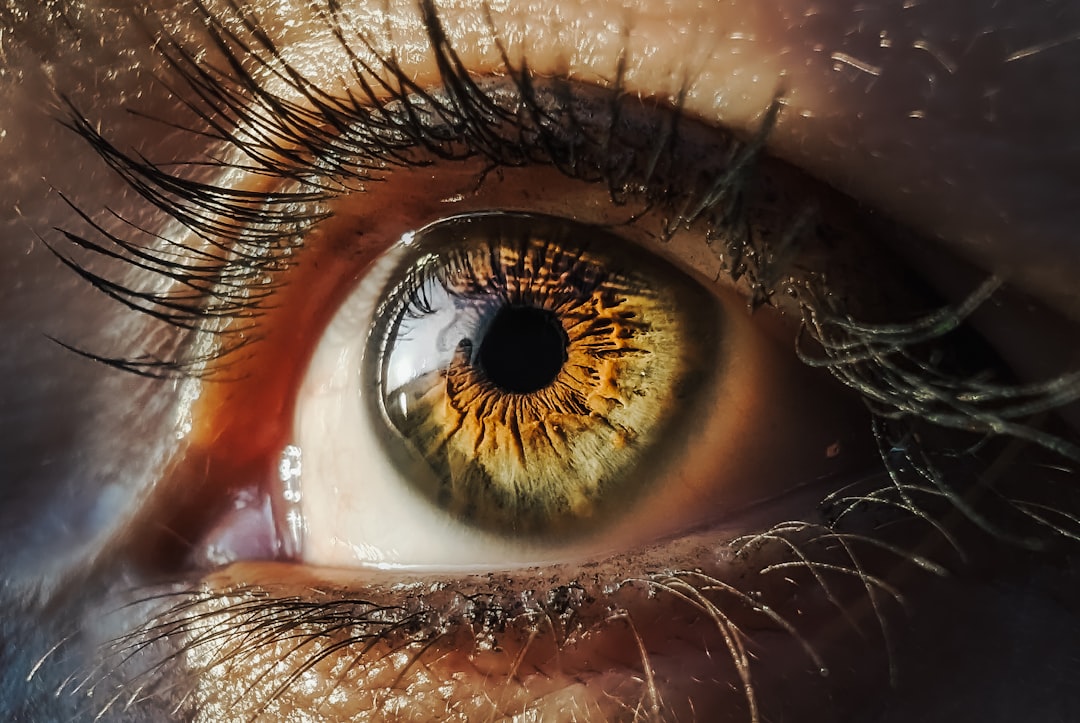
You’ve likely heard the assertion that brown eyes are “more stable in light.” While it sounds like a simple observation, delving into its scientific underpinnings reveals a fascinating interplay of biology, physics, and evolutionary adaptation. It’s not about an inherent superiority, but rather a difference in how your eye tissue interacts with light, and this difference has practical consequences for your visual experience.
Most of the visible aspects of your eye color are dictated by the iris, that colored ring surrounding your pupil. The iris is a complex structure composed of two main layers: the anterior stroma and the posterior epithelium. The posterior epithelium is always pigmented, typically with a dark brown melanin. The variation in eye color you perceive comes primarily from the anterior stroma and the amount and type of melanin it contains.
Melanin: The Key Pigment
Melanin is a macromolecule produced by specialized cells called melanocytes. In your eyes, the distribution and concentration of melanin within the iris stroma are the primary determinants of your eye color. This pigment serves a crucial role in absorbing light, which is central to understanding why brown eyes exhibit different light stability.
Types of Melanin: Eumelanin and Pheomelanin
While there are different types of melanin, the two most relevant to eye color are eumelanin and pheomelanin.
Eumelanin: The Dark Pigment
Eumelanin is the dominant pigment responsible for dark brown and black colors. It’s a highly effective light absorber. The more eumelanin you have in your iris stroma, the darker your eyes will appear, ranging from light to deep brown.
Pheomelanin: The Reddish-Yellow Pigment
Pheomelanin is responsible for reddish and yellowish hues. It’s less efficient at absorbing light compared to eumelanin. While present in all eye colors to some degree, higher concentrations are more associated with lighter eye colors like hazel and green, and those with red hair.
The Stroma’s Collagen and Fibers
Beyond melanin, the iris stroma is also composed of connective tissue, primarily collagen fibers. The arrangement and density of these fibers, along with the melanin granules they contain, influence how light scatters and is absorbed within the iris.
Recent studies have suggested that brown eyes may offer greater stability in varying light conditions compared to lighter eye colors. This phenomenon is attributed to the increased melanin levels in brown eyes, which provide better protection against bright light and glare. For a deeper understanding of this topic, you can explore the article on the science behind eye color and its effects on vision stability at Freaky Science.
How Light Interacts with Melanin in Your Iris
The concept of “stability in light” for brown eyes stems directly from the way melanin, particularly eumelanin, interacts with light photons. The more melanin present, the more light is absorbed, and this absorption has significant implications.
Light Absorption: The Primary Mechanism
When light enters your eye and strikes the iris, melanin acts like a sponge. Eumelanin, due to its chemical structure and dense packaging within melanosomes (organelles containing melanin), is exceptionally good at absorbing a broad spectrum of visible light.
Preventing Light Scattering
Because a significant portion of incident light is absorbed by the melanin in brown irises, less light is available to scatter. Scattering occurs when light deviates from its original path after encountering particles or structures. In lighter irises, where melanin is less abundant, light can penetrate deeper and scatter more readily.
Rayleigh Scattering and Mie Scattering
While these are general principles of light scattering, in the context of the iris, the collagen fibers and other stromal components can contribute to scattering. However, the overwhelming presence of melanin in brown eyes significantly dampens these effects by absorbing the light before it can scatter extensively.
Reduced Glare and Improved Contrast
The efficient absorption of light by melanin in brown eyes translates to a practical advantage in bright conditions. By absorbing excess light, your iris effectively reduces the amount of light that can reach the retina unnecessarily. This leads to less glare and can, in certain circumstances, improve contrast perception.
The Impact of Direct Sunlight
In direct sunlight, the intensity of light is high. For individuals with lighter eyes, this intense light can overwhelm the photoreceptor cells in the retina, leading to temporary visual discomfort and a washed-out perception of colors. Brown eyes, by absorbing more of this intense light, can mitigate this effect.
Photoreceptor Saturation
When light is too intense, the photoreceptor cells (rods and cones) in your retina can become “saturated,” meaning they are stimulated to their maximum capacity and can no longer respond effectively to changes in light intensity or color. The melanin in your iris acts as a filter, preventing this excessive stimulation.
The Role of Melanin Concentration and Distribution

The stability of your brown eyes in light is not a uniform trait. It’s influenced by the specific concentration and distribution of melanin within your iris.
High Eumelanin Content
The defining characteristic of brown eyes is a high concentration of eumelanin in the anterior stromal layers. This dense pigment layer acts as a robust shield against bright light.
Melanosome Density and Size
The efficiency of melanin’s light absorption is also influenced by the size and density of melanosomes within melanocytes. Densely packed, larger melanosomes containing eumelanin are better at absorbing incoming light.
Impact on Visible Light Spectrum
Eumelanin absorbs light across the visible spectrum, meaning it’s effective at reducing the intensity of all colors, not just specific wavelengths. This broad absorption is why brown eyes appear uniformly dark.
Melanin Granules within Collagen Matrix
The melanin pigment is not just a homogenous layer; it’s typically found as granules embedded within the collagenous matrix of the iris stroma. The specific arrangement of these granules within the stromal fibers also plays a role in how light is absorbed and scattered.
Structural Influence on Light Passage
The precise arrangement of collagen fibers and melanin granules can create a more complex light pathway, further contributing to light absorption and reducing its ability to penetrate to the inner structures of the eye.
Evolutionary Advantages and Adaptations
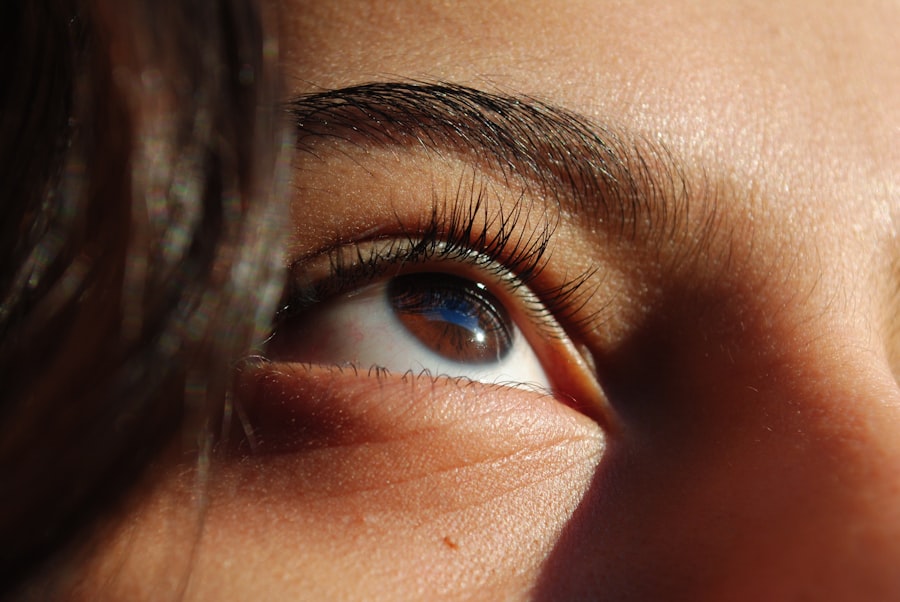
The prevalence of brown eyes globally suggests an evolutionary advantage, particularly in regions with high levels of sun exposure. The “stability in light” you experience is likely a product of these ancestral adaptations.
Protection Against UV Radiation
Melanin is a known natural sunblock, protecting skin and eyes from the damaging effects of ultraviolet (UV) radiation. While your primary defense against UV is through the cornea and lens, the iris’s melanin content contributes to overall ocular protection.
Cumulative UV Damage
Prolonged and repeated exposure to UV radiation can contribute to various eye conditions, including cataracts and macular degeneration. The light-absorbing properties of melanin in the iris may offer a degree of protection against these long-term effects.
Risk Reduction and Eye Health
While not a complete shield, the inherent light absorption of brown irises can be considered a passive form of protection, reducing the cumulative UV load on the sensitive tissues within your eye.
Adaptation to High-Light Environments
In equatorial regions with intense sunlight, individuals with darker irises are likely to have had a survival advantage. Their eyes were better equipped to handle the bright conditions, allowing for clearer vision and reducing discomfort.
Visual Acuity in Bright Conditions
The ability to maintain good visual acuity in bright sunlight is crucial for tasks like foraging, hunting, and navigating. Brown eyes, by reducing glare and improving contrast, would have facilitated these activities.
Natural Selection and Allele Frequency
Over generations, individuals with traits that conferred a survival advantage in their environment were more likely to reproduce, passing those traits on. The prevalence of the alleles for darker irises in sunny regions is a testament to this natural selection process.
Recent studies have suggested that brown eyes may offer greater stability in varying light conditions compared to lighter eye colors. This phenomenon is attributed to the increased melanin levels in brown eyes, which provide better protection against bright light and glare. For a deeper understanding of the science behind eye color and its effects on vision, you can explore this insightful article on Freaky Science. The findings highlight how eye color can influence not just aesthetics but also practical aspects of vision in different environments.
Practical Implications for Your Vision
| Reasons | Explanation |
|---|---|
| Melanin content | Brown eyes have more melanin, which helps absorb and block out excess light, making them more stable in bright light conditions. |
| Pigment density | The higher density of pigment in brown eyes helps to reduce the impact of bright light, providing better stability and clarity of vision. |
| Genetic factors | Genetic variations associated with brown eyes may contribute to their ability to maintain stability in different light levels. |
The inherent properties of your brown eyes have tangible effects on your daily visual experience, particularly in varying light conditions.
Comfort in Bright Environments
Perhaps the most noticeable implication is the increased comfort you likely experience in bright sunlight compared to individuals with lighter-colored eyes. Less glare and reduced light intensity mean less squinting and a generally more pleasant visual experience.
Reduced Susceptibility to Glare
Glare is the sensation caused by an excessive amount of light or contrast. Your brown irises act as a natural filter, reducing the intensity of light reaching your retina, thus minimizing glare.
Driving and Outdoor Activities
Activities like driving in bright sunlight or engaging in outdoor sports are often more comfortable for individuals with brown eyes due to this reduced susceptibility to glare.
Contrast Sensitivity and Detail Perception
While it might seem counterintuitive, the light absorption of brown irises can, in some well-lit conditions, lead to better contrast sensitivity and the ability to perceive finer details.
How Contrast is Enhanced
By absorbing excess light, your iris allows for a clearer distinction between light and dark areas in your field of vision. This can make it easier to discern edges and textures.
Perceptual Differences in Varying Light
It’s important to note that these perceptual differences can vary depending on the specific light conditions and the task at hand. In extremely low light, lighter irises might have a slight advantage due to greater light transmission. However, in moderate to bright light, the stability afforded by brown irises can be beneficial.
Potential for Less Light Sensitivity
Overall, individuals with brown eyes tend to be less sensitive to light than those with blue or green eyes. This reduced light sensitivity is a direct consequence of the higher melanin content in their irises.
Photic Sneeze Reflex
While not directly related to iris color, a higher overall melanin content in the body is sometimes anecdotally linked to a weaker photic sneeze reflex (sneezing when exposed to bright light). This is a complex physiological response, but it highlights the widespread role of melanin.
A Subtle but Present Advantage
This difference in light sensitivity, while perhaps subtle day-to-day, contributes to the overall qualitative experience of vision for individuals with brown eyes. It’s a functional benefit rooted in your unique biological makeup.
FAQs
Why are brown eyes more stable in light?
Brown eyes have more melanin, which helps protect the eyes from the harmful effects of UV light. This makes them more stable in light compared to lighter colored eyes.
What is melanin and how does it affect eye color?
Melanin is a pigment that gives color to the skin, hair, and eyes. In the eyes, melanin helps protect the retina from damage caused by UV light. Higher levels of melanin result in darker eye color, such as brown.
Are brown eyes less sensitive to light compared to lighter colored eyes?
Yes, brown eyes are less sensitive to light because the higher levels of melanin in the iris help to absorb and disperse light, reducing sensitivity to bright light.
Can eye color change over time due to exposure to light?
Exposure to light can cause some changes in eye color, particularly in individuals with lighter colored eyes. However, the change is usually minimal and does not significantly alter the overall eye color.
Are there any disadvantages to having brown eyes in terms of light sensitivity?
While brown eyes are less sensitive to light, they may not adjust as quickly to changes in lighting conditions compared to lighter colored eyes. This can make it more challenging for individuals with brown eyes to adapt to sudden changes in brightness.