
The Humble Bean’s Endurance: Unpacking the Science of Slow Cooking
Beans, those versatile legumes, are a staple in cuisines worldwide, offering a nutritional powerhouse of protein, fiber, and essential micronutrients. However, their culinary journey from dry, hard state to tender, palatable morsel is often a patient one. While a pressure cooker can dramatically reduce cooking times, a conventional stovetop simmer can stretch into hours. The fundamental difference lies in the physical and chemical transformations that occur within the bean and the environment in which it cooks. Understanding this science unlocks the secrets behind why beans, sans pressure, exhibit such remarkable culinary resilience.
The primary hurdle in cooking dried beans is their tough outer seed coat, known as the seed coat or testa, and the dense starchy interior. When dried, beans lose a significant amount of water, causing their cellular structures to contract and their cell walls to become rigid. This desiccation renders them hard and indigestible in their raw state. The goal of cooking is to rehydrate these beans and soften their components, making them tender and readily digestible. Without the amplified conditions of pressure cooking, this process relies on a more gradual and methodical application of heat and moisture.
Beans are a staple in many diets around the world, but cooking them can be a time-consuming process, especially when not using a pressure cooker. The reason beans take longer to cook without pressure is primarily due to their dense structure and the need for water to penetrate the beans thoroughly. This slow cooking allows for even hydration and softening of the beans, which is essential for achieving the desired texture. For a deeper understanding of the science behind cooking beans and the effects of pressure cooking, you can read more in this related article: Freaky Science.
The Microscopic World of Bean Structure
To truly grasp the science of slow bean cooking, one must delve into the microscopic architecture of these legumes. Dried beans are essentially small, self-contained packets of nutrients encased in a protective shell. This shell, the seed coat, is composed of multiple layers of specialized cells, including a protective outer epidermis and a tougher, more lignified layer that provides structural integrity. Beneath this protective barrier lies the cotyledon, which is essentially the bean’s stored food. This cotyledon is packed with starch granules, proteins, and some fats. The tight packing and relatively dry state of these components in a dried bean contribute significantly to its recalcitrance.
The Role of the Seed Coat
The seed coat acts as a formidable barrier. Its primary function in nature is to protect the developing embryo from desiccation, pests, and mechanical damage during storage and dispersal. In the context of cooking, this means that water and heat must first penetrate this tough exterior before they can begin to break down the interior. The seed coat is not a passive participant; its cellular structure, particularly the presence of compounds like cellulose and lignin in its outer layers, imparts significant rigidity. These are complex carbohydrates that are difficult to break down with simple boiling alone. Without the aid of pressure, which forces water molecules into every nook and cranny at a faster rate, the penetration of water through the seed coat is a slow, diffusion-driven process. This diffusion is dependent on temperature, concentration gradients, and the integrity of the barrier itself.
Starch Granule Hydration and Gelatinization
Once water does manage to penetrate the seed coat, it begins to interact with the starch granules within the cotyledon. Starch granules are crystalline structures composed of two types of polysaccharides: amylose and amylopectin. In their dry state, these granules are tightly packed and resistant to enzymatic breakdown. The process of hydration, where water molecules enter the starch granules, is the first step in softening. As the temperature rises, the granules begin to swell. This swelling is followed by gelatinization, a more dramatic transformation where the starch granules absorb a large amount of water, causing them to burst and release their components. This releases the stored energy and makes the bean creamy and tender. However, without the increased kinetic energy provided by higher temperatures achieved under pressure, this gelatinization process takes significantly longer. The heat needs to gradually permeate the bean, allowing water to slowly diffuse into the starch granules and initiate the swelling and eventual bursting.
Protein Denaturation and Softening
In addition to starch, beans are rich in proteins. These proteins, like starches, are complex molecules that contribute to the bean’s structure and texture. In their dry state, proteins are often tightly folded and cross-linked, contributing to the bean’s firmness. Cooking, particularly with heat and water, causes proteins to denature. Denaturation involves the unfolding of these complex protein structures. This unfolding makes them more accessible to water and enzymes, and it fundamentally alters their interactions with other molecules, leading to a softer texture. The heat from boiling water provides the energy for these protein chains to break some of their internal bonds and unravel. However, like starch gelatinization, this is a temperature-dependent process that proceeds at a more leisurely pace without the elevated temperatures achievable under pressure.
The Physics of Heat Transfer and Water
The cooking of any food item is fundamentally about heat transfer. In the case of beans cooked conventionally, this heat transfer occurs primarily through convection and conduction from the surrounding water. The efficiency of this process is influenced by several factors, including the temperature of the water, the volume of water, and the thermal conductivity of the food.
Water’s Boiling Point: A Fundamental Limitation
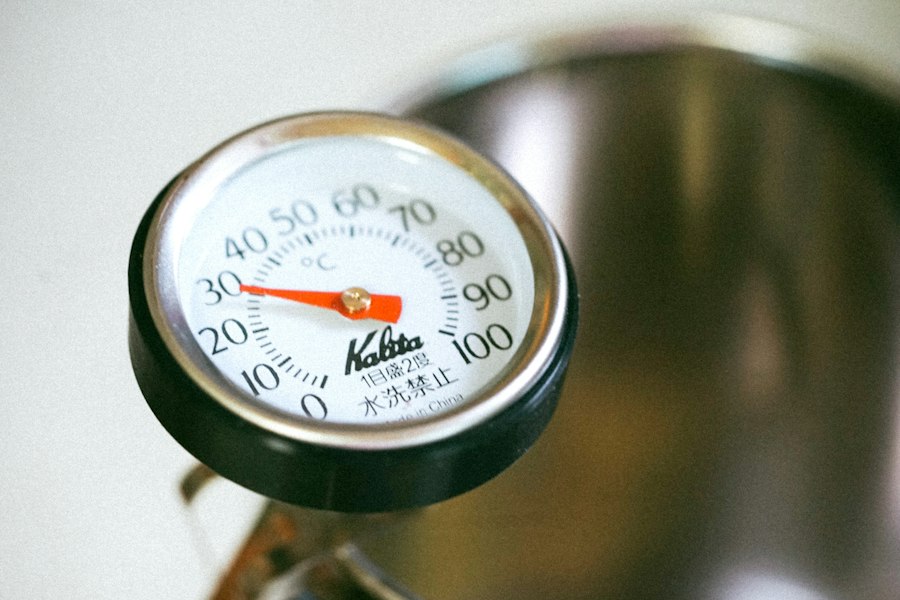
The most significant physical limitation in conventional bean cooking is water’s boiling point at standard atmospheric pressure, which is 100 degrees Celsius (212 degrees Fahrenheit). While this temperature is sufficient to initiate the chemical changes required for softening, it is not an exceptionally high temperature. To achieve significantly higher temperatures, pressure is required. Pressure cookers work by creating a sealed environment, preventing steam from escaping. This buildup of steam increases the internal pressure within the cooker, which in turn raises the boiling point of water to temperatures well above 100 degrees Celsius, often reaching 120 degrees Celsius (248 degrees Fahrenheit) or higher. This elevated temperature dramatically accelerates the rate of chemical reactions involved in breaking down the bean’s structure. Without this pressure, the cooking process is confined to the relatively lower temperatures of boiling water, necessitating a much longer duration to achieve the same degree of softening.
The Role of Diffusion
The movement of water into the bean and the movement of heat throughout the bean are both governed by the principle of diffusion. Diffusion is the net movement of molecules from a region of higher concentration to a region of lower concentration. In this context, water molecules diffuse from the surrounding cooking liquid into the drier interior of the bean. Similarly, heat energy diffuses from the hotter outer layers of the bean to the cooler inner core. These diffusion processes are inherently slow, especially when faced with the dense, impermeable seed coat. The rate of diffusion is directly proportional to temperature. Therefore, at the lower temperatures of conventional boiling, diffusion occurs at a significantly slower pace compared to the accelerated diffusion facilitated by the higher temperatures achieved under pressure. This slow diffusion means that it takes a considerable amount of time for water to fully permeate the bean and for heat to reach the innermost starch granules and protein structures.
The Importance of Soaking: A Pre-emptive Diffusion Strategy
The common practice of soaking dried beans overnight before cooking is a direct scientific intervention to combat the slow diffusion process. Soaking essentially kick-starts the rehydration of the bean. The water begins to penetrate the seed coat and the internal tissues, plumping up the bean and making it less dense. This pre-soaking process reduces the time required for diffusion to occur during the actual cooking phase. It softens the seed coat, making it more permeable, and it begins the hydration of starch granules and proteins, priming them for the heat-induced transformations. Without soaking, the cooking time would be even more extended as the initial stages of water penetration would have to occur entirely within the cooking pot, competing with heat application.
Chemical Reactions Accelerated by Heat
The transformation of a hard, dry bean into a tender, edible one is a series of complex chemical reactions. While heat is the primary driver for these reactions, the temperature at which they occur dictates their speed. Conventional cooking relies on the sustained application of heat at or near water’s boiling point.
Hydrolysis of Complex Carbohydrates
The primary components of the bean’s interior are starch and cellulose. Starch, as mentioned, gelatinizes. Cellulose, a structural polysaccharide that makes up the cell walls, is also gradually broken down through hydrolysis, a chemical reaction where water is used to break bonds. In cooking, the heat provides the energy for water molecules to cleave the glycosidic bonds that link the glucose units in starch and cellulose. While boiling water provides enough energy to eventually break these bonds, the process is slow. Higher temperatures, as achieved in a pressure cooker, significantly increase the kinetic energy of water molecules, leading to more frequent and energetic collisions with these complex carbohydrate chains, thus accelerating hydrolysis. This breakdown of structural carbohydrates is crucial for achieving a soft, non-gritty texture.
Protein Denaturation and Coagulation
Proteins, composed of amino acid chains, are responsible for much of the bean’s structural integrity and contribute to its texture. As mentioned, heat causes denaturation, where the tightly folded protein structures unfold. Following denaturation, proteins can undergo coagulation, where they aggregate and form a more solid network. This coagulation, when carefully controlled, contributes to the desirable creamy texture of cooked beans. However, excessive heat or prolonged cooking can lead to over-coagulation, resulting in a mealy or mushy texture. The slower, more controlled heating in conventional cooking allows for a gentler denaturation and coagulation process, potentially offering more flexibility in achieving the desired texture without the risk of rapid overcooking. This is why many chefs prefer the nuanced control offered by stovetop simmering for certain bean preparations.
Breakdown of Pectic Substances
Pectic substances are complex carbohydrates found in the cell walls of plants, acting as a sort of cellular glue. In beans, the breakdown of these pectic substances is essential for softening. Heat and acidic conditions (though less prevalent in plain water cooking) can hydrolyze the bonds within pectin, leading to a softening of the cell walls. This breakdown allows the entire bean structure to become more pliable. Similar to starch and cellulose, the rate of this hydrolytic breakdown is temperature-dependent, meaning it proceeds more efficiently at higher temperatures.
When it comes to cooking beans, many people wonder why they take longer to prepare without the aid of a pressure cooker. The reason lies in the structure of the beans themselves, which contain tough outer skins that require a longer cooking time to soften. For a deeper understanding of the science behind cooking beans and other legumes, you can check out this informative article on Freaky Science. This resource delves into the various factors that influence cooking times and provides insights into how different methods can affect the texture and flavor of your beans.
Factors Influencing Conventional Cooking Times
| Factor | Description | Impact on Cooking Time |
|---|---|---|
| Boiling Point of Water | At atmospheric pressure, water boils at 100°C (212°F), limiting maximum cooking temperature. | Lower temperature means slower heat penetration and longer cooking time. |
| Pressure Cooking | Increases pressure inside the pot, raising boiling point of water above 100°C. | Higher temperature cooks beans faster by speeding up starch gelatinization and protein softening. |
| Bean Structure | Beans have tough outer skins and dense starch/protein matrices that require heat to soften. | Lower temperatures take longer to break down these structures without pressure. |
| Water Absorption Rate | Beans absorb water during cooking, which softens them. | Slower water absorption at lower temperatures extends cooking time. |
| Heat Transfer Efficiency | Pressure cooking improves heat transfer by increasing temperature and steam pressure. | More efficient heat transfer reduces cooking duration. |
Beyond the inherent structure of the bean and the physics of heat transfer, several external factors can influence how long beans take to cook conventionally. Understanding these variables allows for better prediction and optimization of cooking times.
Bean Variety and Age
Different varieties of beans possess distinct physical characteristics that affect their cooking times. Smaller beans, like lentils and split peas, have a higher surface area to volume ratio, allowing water and heat to penetrate them more quickly, hence their shorter cooking times. Larger, denser beans, such as kidney beans, black beans, and chickpeas, have thicker seed coats and more compact interiors, requiring significantly longer to soften. Furthermore, the age of the dried beans plays a crucial role. Older beans have been stored for longer periods, leading to increased dehydration and a more rigid cellular structure. This increased recalcitrance means that older beans will invariably take longer to cook than fresh dried beans, even with the same cooking method.
Water Hardness and pH
The composition of the cooking water can also impact bean cooking times. Hard water, which contains a high concentration of minerals like calcium and magnesium, can interfere with the softening process. Calcium ions, in particular, can interact with the pectic substances in the cell walls, creating cross-links that make the beans tougher and prolong cooking. Conversely, slightly acidic water can sometimes aid in the breakdown of cell walls. However, in most household cooking scenarios, the impact of water pH is less significant than the effect of water hardness. If beans are consistently taking an unusually long time to cook, testing the water for hardness might be a consideration.
Altitude
Altitude significantly affects the boiling point of water. At higher altitudes, atmospheric pressure is lower, causing water to boil at a lower temperature. For example, at an altitude of 5,000 feet, water boils at approximately 95 degrees Celsius (203 degrees Fahrenheit), which is 5 degrees lower than at sea level. This lower boiling point means that heat transfer occurs at a reduced rate, and the chemical reactions within the bean proceed more slowly. Consequently, beans cooked at higher altitudes will require longer cooking times to achieve the same level of tenderness as those cooked at sea level, even when using the same cooking methods and durations.
The Advantage of Pressure: Accelerating the Inevitable
The pressure cooker, in essence, is a device designed to manipulate the fundamental principles of cooking to achieve rapid results. By increasing the pressure inside a sealed vessel, it raises the boiling point of water, creating a superheated steam environment. This seemingly simple alteration has profound implications for bean cooking.
Superheated Steam and Enhanced Molecular Activity
When water boils under increased pressure, its temperature rises significantly above 100 degrees Celsius. This superheated steam is a much more energetic medium for cooking. The water molecules possess greater kinetic energy, leading to more forceful collisions with the bean’s structure. This increased molecular activity accelerates the rate of all the chemical reactions discussed earlier: hydrolysis of carbohydrates, protein denaturation, and breakdown of pectic substances. The heat penetrates the bean more rapidly, and the chemical transformations occur at an exponentially faster pace.
Reduced Cooking Time and Energy Efficiency
The most obvious benefit of pressure cooking beans is the dramatic reduction in cooking time. What might take several hours on the stovetop can often be accomplished in 30-60 minutes under pressure, depending on the bean type. This time savings translates directly into energy efficiency. By cooking food more quickly, less energy is consumed overall, making pressure cooking an environmentally friendlier and more economical choice for busy households. The ability to achieve tender beans in a fraction of the time makes them a more accessible and frequent option in meal planning.
The Trade-off: Control and Nuance
While pressure cooking offers undeniable advantages in speed and convenience, it also presents a trade-off in terms of control and culinary nuance. The accelerated nature of the cooking process leaves less room for error. Overcooking can happen quickly, leading to mushy beans. Achieving a specific texture, such as a slightly firm bite or a perfectly creamy consistency, can be more challenging with the brute force of pressure. For home cooks who value precision in texture or are developing complex dishes where the bean’s texture is critical, the slower, more gradual approach of conventional simmering might still be preferred. This allows for more frequent tasting and adjustments, ensuring the perfect result. The science behind slow cooking, therefore, is not just about overcoming obstacles, but about embracing a more deliberate and often more forgiving culinary journey.

Why This Water Doesn’t Boil at 100°C
FAQs
1. Why do beans take longer to cook without pressure?
Beans take longer to cook without pressure because the high temperature and pressure inside a pressure cooker help break down the tough fibers in beans more quickly, resulting in faster cooking times.
2. How does pressure affect the cooking process of beans?
Pressure increases the boiling point of water, allowing the beans to cook at a higher temperature than they would in a regular pot. This higher temperature speeds up the cooking process and helps soften the beans faster.
3. What happens to beans when they are cooked under pressure?
When beans are cooked under pressure, the high temperature and steam help to break down the complex carbohydrates and proteins in the beans, making them more tender and easier to digest.
4. Are there any benefits to cooking beans without pressure?
Cooking beans without pressure allows for a more gradual cooking process, which can help retain more of the beans’ natural flavors and nutrients. It also gives you more control over the texture of the beans.
5. How can I shorten the cooking time for beans without using a pressure cooker?
To shorten the cooking time for beans without a pressure cooker, you can soak the beans overnight in water to help soften them before cooking. You can also use a slow cooker or an Instant Pot on a regular setting to cook the beans faster than in a regular pot.