The Purple Glow: What’s Behind the Streetlights’ Color Shift?
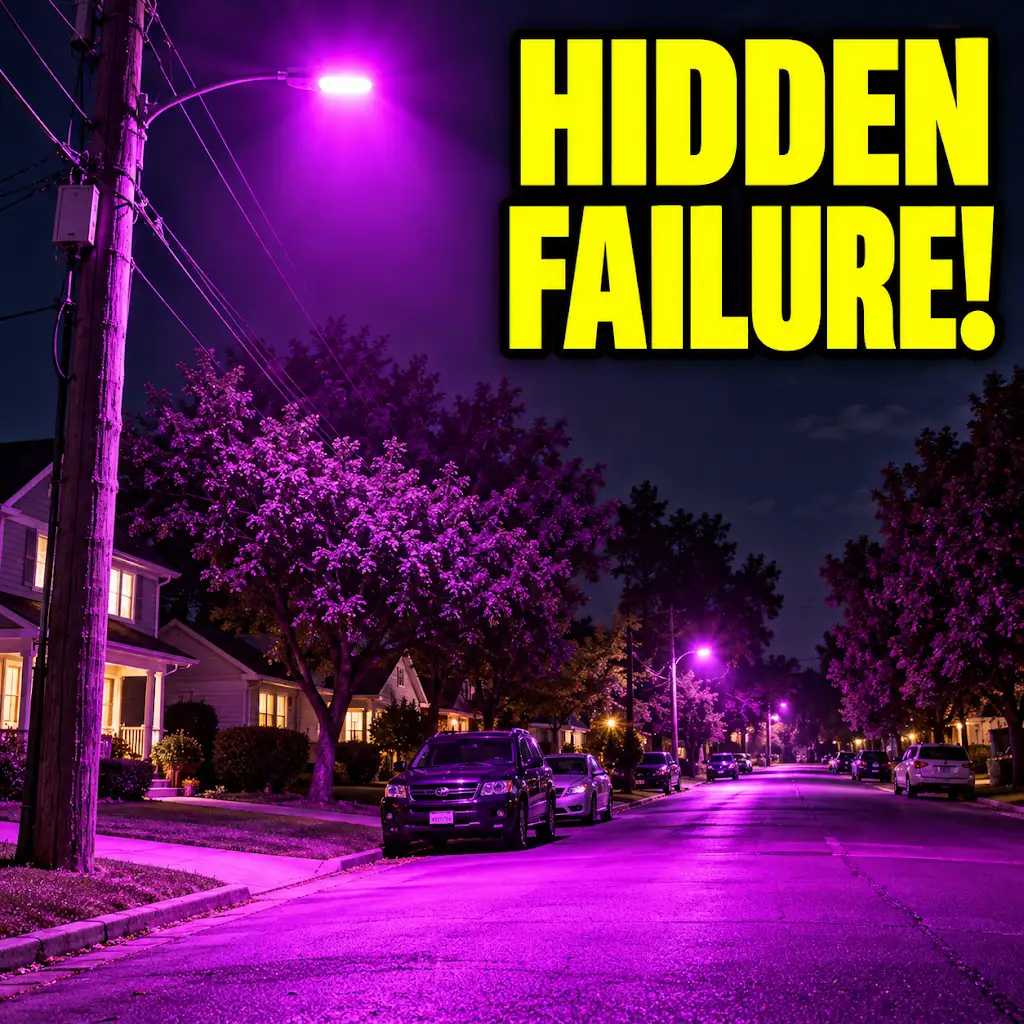
If you’ve been out and about lately, you might have noticed a peculiar new hue gracing our streets at night. That’s right, some streetlights are starting to sport a distinct purple glow. It’s not some new artistic installation or a strange atmospheric phenomenon; it’s actually a tell-tale sign of something quite practical happening behind the scenes. The primary reason you’re seeing more purple streetlights is a natural aging process in a common type of LED bulb.
Recently, many cities have noticed their streetlights turning purple, sparking curiosity and concern among residents. This phenomenon is primarily due to the aging of LED lights, which can emit a purple hue as they degrade. For a deeper understanding of this issue and its implications, you can read a related article on the topic at Freaky Science. This article explores the science behind LED lighting, the reasons for the color change, and what it means for urban infrastructure.
The Science of the Spectrum: Why LEDs Turn Purple
It might seem a bit counterintuitive, but the purple color isn’t a deliberate choice. It’s a byproduct of the way certain LED (Light Emitting Diode) streetlights are designed and how they degrade over time. Understanding this requires a brief dive into how these lights produce white light in the first place.
How White Light is Made with LEDs
Most modern LED streetlights aren’t simply emitting white light directly. Instead, they typically use a blue LED chip as the base. This blue light then passes through a phosphor coating. Phosphors are special materials that absorb light of one wavelength (in this case, blue) and re-emit it at different wavelengths. By carefully selecting and layering different phosphors, manufacturers can convert some of the blue light into yellow and red light. When the blue light mixes with the emitted yellow and red light, our eyes perceive it as white. It’s a bit like mixing paint colors to get white, but with light.
The Degradation of Phosphor Coatings
The issue arises when these phosphor coatings begin to degrade. Over time, exposure to heat, moisture, and the constant operation of the light can cause the phosphors to break down. Specifically, the phosphors responsible for emitting the yellow and red wavelengths are often the first to go. When these components of the white light spectrum diminish, the remaining light is predominantly the original blue from the LED chip.
The Blue Dominance and Perceived Purple
As the yellow and red components fade, the blue light becomes more prominent. While it’s still technically “white” light, our eyes perceive this shift. The remaining wavelengths, when mixed with a significantly reduced amount of yellow and red, can appear to have a bluish or even purplish cast. This is particularly noticeable when comparing a degrading purple-tinged light to a newer, true white LED. It’s not that the light is actually purple, but rather that the absence of certain colors in the spectrum makes the blue light more apparent, leading to that lavender hue.
Common Culprits: Identifying the LED Types
Not all LED streetlights will turn purple. This phenomenon is most commonly associated with a specific type of LED technology that was widely adopted for its energy efficiency and lifespan.
The “Blue Chip” Technology
The LEDs that tend to exhibit this purple shift are typically those that utilize a blue LED chip with a phosphor coating. This was a very common and cost-effective design for many years. The blue chips themselves are quite robust, but the phosphor layer is more susceptible to degradation. Manufacturers focused on the efficiency and brightness of these systems, and the long-term degradation of the phosphors leading to a color shift wasn’t always the primary concern in early designs.
Early Generational LEDs
Streetlights installed several years ago, especially those among the first wave of LED conversions, are more likely to be showing these signs of age. Technology advances rapidly, and newer LED designs incorporate more resilient materials or different methods of achieving white light that are less prone to this specific type of degradation. So, if you’re seeing purple lights, it’s often an indication that the lighting infrastructure is simply getting older.
The Role of Manufacturing and Materials
The specific materials used in the phosphor coating and the manufacturing processes employed by different companies can also play a role. Some combinations of phosphors might be more sensitive to environmental factors and operational stress than others. This can lead to variations in how quickly and to what extent streetlights turn purple, even within the same municipality.
Practical Implications: What Does This Mean for Us?
While the purple glow might look a bit unusual, it’s not typically a cause for alarm. However, it does have some practical implications for cities and residents.
Impact on Visibility and Color Perception
One of the primary concerns with lights shifting towards purple is how it affects visibility and our ability to perceive colors accurately. True white light is ideal for navigating streets, identifying road signs, and recognizing people or objects. A significant shift towards blue or purple can distort color perception, making it harder to distinguish between different shades, which could have minor safety implications. For instance, differentiating between red brake lights and other red objects might become slightly more challenging.
Energy Efficiency Remains
It’s important to note that even as the color shifts, the LED bulb itself is often still functioning and providing illumination. The energy efficiency of the blue LED chip remains largely intact. So, while the light quality might be compromised, the lights are still using significantly less energy than older, traditional streetlights like high-pressure sodium or metal halide lamps. The purple hue doesn’t necessarily mean the light is “dying” in terms of its ability to produce light, just that its spectral output has changed.
Aesthetic Considerations and Public Perception
Beyond practicality, there’s also the aesthetic aspect. Some people find the purple glow to be interesting or even quite attractive, adding a unique character to certain neighborhoods. Others find it jarring or aesthetically unpleasing, preferring the crispness of a true white light. Public perception can vary widely on this, and it’s something cities sometimes consider when deciding on lighting upgrades.
Maintenance and Replacement Cycles
The purple tint is a visual cue that the LEDs are aging and may be approaching the end of their optimal lifespan. Municipalities often have lighting maintenance schedules. Seeing a significant number of purple streetlights can signal that it’s time to start planning for replacements. While the lights might still work, replacing them proactively can ensure consistent and optimal illumination quality across the city. This also ties into the overall lifecycle of the lighting infrastructure.
Recently, many cities have noticed their streetlights turning an unusual shade of purple, sparking curiosity and concern among residents. This phenomenon is primarily due to the use of LED lights that are beginning to degrade, resulting in a shift in color. For a deeper understanding of this issue and its implications, you can read a related article that explores the science behind this change and its impact on urban lighting. Check it out here for more insights.
Solutions and Future Lighting Trends
| Metric | Value | Explanation |
|---|---|---|
| Common Cause | LED Phosphor Degradation | Streetlights turning purple often result from the degradation of the phosphor coating inside LED bulbs, which shifts the light spectrum. |
| Typical Lifespan of LED Streetlights | 50,000 hours | LED streetlights are designed to last around 50,000 hours before significant color shifts or dimming occur. |
| Color Temperature Shift | From 4000K (white) to 450-500nm (purple) | Phosphor degradation can cause the light to shift from neutral white to a purple or bluish hue. |
| Environmental Factors | High Humidity, UV Exposure | Exposure to moisture and UV light accelerates phosphor degradation and color changes. |
| Reported Incidents | Increasing since 2018 | More municipalities report purple streetlights as LED replacements age or due to manufacturing defects. |
| Maintenance Response Time | 1-3 months | Time taken by city authorities to replace or repair affected streetlights varies by location. |
The purple streetlight phenomenon isn’t a permanent fixture of urban lighting. As technology evolves, newer solutions are being implemented to address this issue and improve lighting quality further.
Upgraded LED Designs
Manufacturers have learned from the experiences with early LED designs. Newer LED streetlights often use improved phosphor formulations that are more resistant to degradation, leading to a longer lifespan and more stable color output. Some designs also employ different methods for creating white light, such as using multiple colored LEDs (e.g., red, green, blue) to create white light, which can offer better color rendering and more predictable aging.
Smart Lighting Systems and Controls
The trend in street lighting is increasingly towards “smart” systems. These systems not only allow for remote monitoring of individual lights but also offer features like dimming capabilities and adaptive lighting. This means that cities can adjust the brightness of the lights based on time of day, traffic flow, or even the presence of pedestrians or vehicles. While not directly related to the purple hue, smart lighting is part of the broader evolution of street illumination.
Color Temperature Options
When replacing older lights, cities have more choices regarding color temperature. While cool white (higher Kelvin numbers) was popular for its perceived brightness, there’s a growing movement towards warmer white light (lower Kelvin numbers). This warmer light is often considered more pleasant and can have less of a bluish cast, potentially mitigating the purple shift issue even if some degradation occurs. It also has less impact on nocturnal wildlife, which is another growing consideration.
Municipal Planning and Investment
Ultimately, addressing the purple streetlight issue and upgrading to newer, more advanced lighting systems requires strategic planning and investment from local governments. Cities often assess their lighting infrastructure, identify areas with older technology, and budget for replacements and upgrades. The purple tint serves as a visible indicator that this planning and investment are becoming increasingly necessary to maintain safe and effective street lighting.
The Purple Glow’s Legacy: A Sign of Progress
The purple glow you see on some streetlights is more than just a quirky visual change. It’s a tangible sign of technological evolution, the natural aging of materials, and the ongoing efforts to improve our urban environments. While the initial adoption of LED technology brought significant energy savings, the purple hue reminds us that even the most advanced systems have a lifecycle. As cities continue to invest in modernizing their street lighting, we can expect a return to more consistent, high-quality illumination, with the purple glow fading into a memory of a transitional phase in our lighting journey. It’s a subtle reminder that progress often comes with unexpected, sometimes colorful, side effects.
Why The Streetlights Are Turning Purple
FAQs
1. Why are streetlights turning purple?
Streetlights may appear purple due to the use of LED lights, which can emit a bluish-white light that may appear purple to the human eye under certain conditions.
2. Are purple streetlights a new phenomenon?
No, purple streetlights have been observed in various locations for several years, especially in areas where LED lighting is being used to replace traditional streetlights.
3. Do purple streetlights affect visibility for drivers and pedestrians?
While the purple hue may be unusual, it does not necessarily affect visibility negatively. LED lights are designed to provide adequate illumination for roads and sidewalks, even if they appear purple in color.
4. Are there any benefits to using purple streetlights?
Some studies suggest that purple light may have a calming effect on people and reduce glare compared to traditional white streetlights. However, more research is needed to fully understand the potential benefits.
5. Can the color of streetlights be adjusted to prevent them from turning purple?
Yes, the color temperature of LED streetlights can be adjusted to produce different hues of white light, which can help mitigate the purple appearance. Municipalities can work with lighting manufacturers to select the most suitable color temperature for their streetlights.