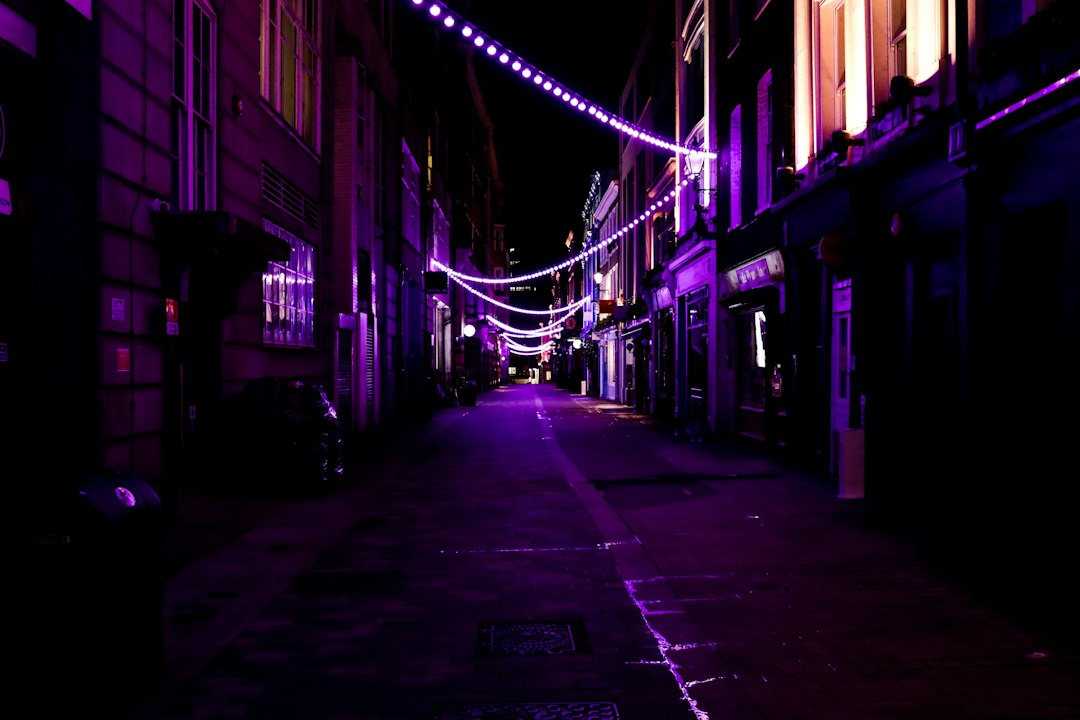
You might have noticed them – those odd, distinctly purple streetlights popping up here and there. It’s not a glitch, and they aren’t just for show. The main reason some streetlights are purple is to specifically target and deter certain insect populations that are attracted to traditional white or yellow lights, thereby reducing pest problems in specific areas. It’s a clever bit of public works engineering that, while a little unusual visually, serves a very practical purpose.
The Science Behind the Glow: How Light Affects Insects
Light, as we know, is a powerful force that influences the behavior of countless organisms, especially insects. For decades, the standard yellow or white sodium vapor and metal halide streetlights have been the norm. They’re effective at illuminating our streets, and for a long time, no one thought much about their impact beyond that. However, entomologists and urban planners started noticing a significant problem: these lights act like giant magnets for bugs.
Why Insects Love Traditional Streetlights
Insects, particularly nocturnal ones, have evolved to use light sources for navigation, foraging, and reproduction. The wavelengths emitted by traditional streetlights – primarily in the yellow and white spectrum – are highly attractive to a vast array of insects. Think moths, beetles, mosquitoes, and gnats. This attraction isn’t just a minor inconvenience; it can lead to several issues. Large aggregations of insects around lights can become food sources for birds and bats, which can disrupt local ecosystems. More importantly for humans, these swarms can make outdoor spaces unpleasant, and some insects are vectors for diseases.
The Wavelength Spectrum and Insect Attraction
The key to understanding why purple lights are different lies in the electromagnetic spectrum. Light is made up of different wavelengths, perceived by us as colors. Insects, with their compound eyes, have different visual sensitivities than humans. While we see a broad spectrum, insects are particularly drawn to certain wavelengths. Traditional streetlights emit a lot of light in the yellow and green parts of the spectrum, which happens to be right in the sweet spot for attracting many insect species. It’s like playing a siren song for them, drawing them in from all around.
The Impact on the Local Ecosystem
When streetlights are incredibly attractive to insects, it creates an imbalance. Imagine a localized area where insects are concentrated night after night. This can lead to a decline in insect populations further away, as they are drawn to the light, and then often die from exhaustion, predation, or hitting the light fixtures. This has ripple effects through the food chain. Predators that rely on these insects in their natural habitats might struggle to find food if their prey is constantly congregating in artificial light traps. Conversely, an overabundance of insects in one spot can lead to an overpopulation of predators in that specific area, further disrupting the natural balance.
Have you ever noticed some streetlights emitting a purple hue? This unusual color is often due to the use of LED lights that have a specific spectral output, which can sometimes appear purple under certain conditions. For a deeper understanding of this phenomenon and its implications, you can read a related article that explores the science behind streetlight colors and their effects on urban environments. Check it out here: Why Are Some Streetlights Purple?.
The Purple Solution: A Targeted Approach to Pest Control

So, if traditional lights are the problem, what’s the solution? Enter the purple streetlight. These aren’t just a stylistic choice; they represent a deliberate shift in lighting technology designed to address the insect attraction issue. The underlying principle is to use a light spectrum that is less appealing to the majority of pest insects.
Understanding LED Technology and Color
The advent of Light Emitting Diode (LED) technology has revolutionized lighting. Unlike older incandescent or fluorescent bulbs that produce light through heat or gas excitation, LEDs are semiconductor devices that emit light when an electric current passes through them. This allows for incredible control over the color of the light produced. By manipulating the phosphors and semiconductor materials, manufacturers can create LEDs that emit very specific wavelengths.
Why Purple Wavelengths Work
The “purple” light you see is often a result of a specific combination of wavelengths. While it might appear purple to our eyes, its actual spectral output is carefully calibrated. The goal is to emit light in wavelengths that are less visible or attractive to the insects that typically swarm streetlights. Many studies and observations have shown that insects are significantly less attracted to the shorter wavelengths found in the blue and ultraviolet parts of the spectrum, and also the longer wavelengths in the red. The purple hue often indicates a light source that emphasizes these less attractive wavelengths while minimizing the highly attractive yellow and green. It’s like speaking a language the bugs don’t understand, or at least don’t find as compelling.
The “Smart” Lighting Approach
These purple lights are often part of a broader initiative towards “smart” or “eco-friendly” urban lighting. The idea is to provide adequate illumination for safety and visibility without the unintended ecological consequences of older lighting technologies. This is a more thoughtful approach to urban design, recognizing that our infrastructure can have significant impacts on the natural world around us, even in seemingly small ways like streetlights.
Where and Why Are They Being Deployed?

You won’t find purple streetlights on every corner, and that’s by design. Their deployment is strategic, targeting specific areas where the benefits are most pronounced. This isn’t about making a city look unique; it’s about solving particular problems in particular places.
Targeting Insect Hotspots
One of the primary drivers for adopting purple streetlights is to address areas with high insect populations that cause nuisance or pose health risks. Think of locations near bodies of water, parks, or agricultural zones where insect activity is naturally higher. Traditional streetlights in these areas can exacerbate the problem, drawing massive swarms and creating an unpleasant environment for residents and visitors. Replacing these lights with purple ones can significantly reduce the number of insects congregating in these public spaces.
Public Health Initiatives
In some cases, the decision to install purple streetlights is linked to public health initiatives. Certain insects are vectors for diseases like West Nile virus or Zika virus. By reducing the population of these disease-carrying insects around populated areas, cities can take a proactive step in mitigating potential health risks. While not a complete solution, it’s a layer of defense that works in conjunction with other pest control measures.
Environmental Considerations and Wildlife
Beyond just pest insects, the impact on broader wildlife is also a consideration. While some larger animals might benefit from increased insect prey near lights, the overall disruption to insect populations can be detrimental. Purple lights aim to minimize this disruption. By not drawing in the same massive numbers, they allow insect populations to remain more distributed and healthy, which in turn supports the wider ecosystem. It’s about finding a balance where human needs for lighting don’t come at the expense of local biodiversity.
Pilot Programs and Gradual Rollouts
Often, these purple streetlights are introduced through pilot programs. Cities will test them in specific neighborhoods or areas to gauge their effectiveness and gather data on their impact. If successful, the rollout might be expanded gradually to other areas that could benefit. This pragmatic approach allows for refinement and ensures that resources are being used effectively for the intended purpose.
Beyond the Glow: Practical Benefits and Considerations
Switching to purple streetlights isn’t just about the color; it’s about a shift in the type of light being emitted, which brings its own set of practical benefits and also some things to consider.
Reduced Light Pollution (in a specific sense)
While any artificial light contributes to light pollution, the spectral composition of purple lights can have a slightly different effect. Traditional lights emit a broader spectrum, and some of that light scatters more easily in the atmosphere, contributing to skyglow. By using a more targeted spectrum, there’s a potential for reduced scattering and a less pervasive glow. However, it’s important to note that the primary goal here isn’t necessarily general light pollution reduction, but rather reducing insect attraction.
Energy Efficiency of LEDs
The purple lights are almost exclusively LED technology. LEDs are inherently more energy-efficient than older lighting technologies like incandescent or high-pressure sodium lamps. This means that even with the purple hue, the switch can lead to significant cost savings on electricity bills for municipalities. Lower energy consumption also translates to a smaller carbon footprint, which is a win for the environment.
Longevity and Maintenance
LEDs also have a much longer lifespan than traditional bulbs. This means less frequent bulb replacements, reducing maintenance costs and labor. For a city or municipality, this translates to more predictable budgeting and less disruption from maintenance crews. The durability of LED fixtures also means they can withstand harsher weather conditions.
Cost of Implementation
It’s worth acknowledging that the initial cost of upgrading to new LED fixtures, even if they are purple, can be substantial. However, as mentioned, the long-term savings in energy consumption and maintenance often make it a financially sound investment over the lifespan of the lighting system. The decision to switch often involves a cost-benefit analysis that looks beyond the immediate purchase price.
The Visual Experience: A Subjective Factor
The most obvious difference is the visual aesthetic. Some people find the purple glow to be pleasant and unique, adding character to their neighborhood. Others might find it unusual or even disorienting. This is a subjective experience, and while the practical benefits are the primary driver, the visual impact is also a factor that communities and city planners sometimes consider in their decision-making process.
Many people have noticed the unusual purple hue of some streetlights in their neighborhoods and wondered about the reason behind this phenomenon. The purple lights are often a result of LED technology, which can sometimes emit a bluish light that appears purple when viewed in certain conditions. For a deeper understanding of the science behind these intriguing streetlights, you can check out a related article that explores the various aspects of LED lighting and its impact on urban environments. If you’re curious, you can read more about it here.
The Future of Urban Lighting and Insect Management
| Aspect | Details |
|---|---|
| Reason for Purple Color | Use of LED bulbs with a purple hue or special coatings to reduce light pollution and improve energy efficiency. |
| Type of Light Source | LED (Light Emitting Diode) or Mercury Vapor lamps with phosphor coatings. |
| Energy Efficiency | LED purple streetlights consume up to 50% less energy compared to traditional sodium vapor lamps. |
| Light Pollution Reduction | Purple LEDs emit less blue light, reducing skyglow and minimizing disruption to nocturnal wildlife. |
| Visibility and Safety | Purple light can enhance contrast and visibility for pedestrians and drivers in some urban environments. |
| Cost | Initial installation cost is higher than traditional lamps, but long-term maintenance and energy savings offset this. |
| Common Locations | Urban areas focused on sustainability, parks, and areas with high pedestrian traffic. |
The purple streetlight is just one example of how we’re rethinking urban infrastructure to be more mindful of its environmental impact. As technology advances and our understanding of ecological systems deepens, we can expect to see more innovative solutions emerge.
Continued Research and Development
The effectiveness and optimal wavelengths for insect deterrence are still subjects of ongoing research. Scientists are continuously studying insect behavior and visual systems to refine lighting technologies. This could lead to even more targeted and effective lighting solutions in the future, perhaps even lights that can dynamically adjust their spectrum based on local conditions or specific pest concerns.
Integrated Pest Management Strategies
Purple streetlights are unlikely to be the sole solution to insect problems. They are best viewed as one component of a larger, integrated pest management (IPM) strategy. IPM involves a combination of methods, including habitat modification, biological controls, and targeted chemical treatments, to manage pest populations sustainably. Smart lighting can play a supporting role in these broader efforts.
Collaboration Between Disciplines
The development of these lights highlights the importance of collaboration between different fields. Entomologists, lighting engineers, urban planners, and public health officials all have a role to play. By working together, they can create solutions that are scientifically sound, technically feasible, and beneficial for communities and the environment.
Beyond Insects: Other Applications?
While insect deterrence is the primary driver for purple streetlights, the control over light spectrum offered by LEDs might have other applications in urban environments. For example, certain wavelengths can be more or less disruptive to human sleep cycles. Future research could explore lighting that promotes well-being or minimizes disruption to nocturnal wildlife other than insects, or even lights that are more visible to drivers without creating glare.
A Step Towards More Sustainable Cities
Ultimately, the purple streetlight is a small but significant step towards creating more sustainable and ecologically conscious urban environments. It’s a tangible example of how we can adapt our technology to better coexist with the natural world, making our cities not just functional and safe, but also more harmonious with the ecosystems they inhabit. It’s about moving from a mindset of simply illuminating to one of illuminating with intention and consideration.
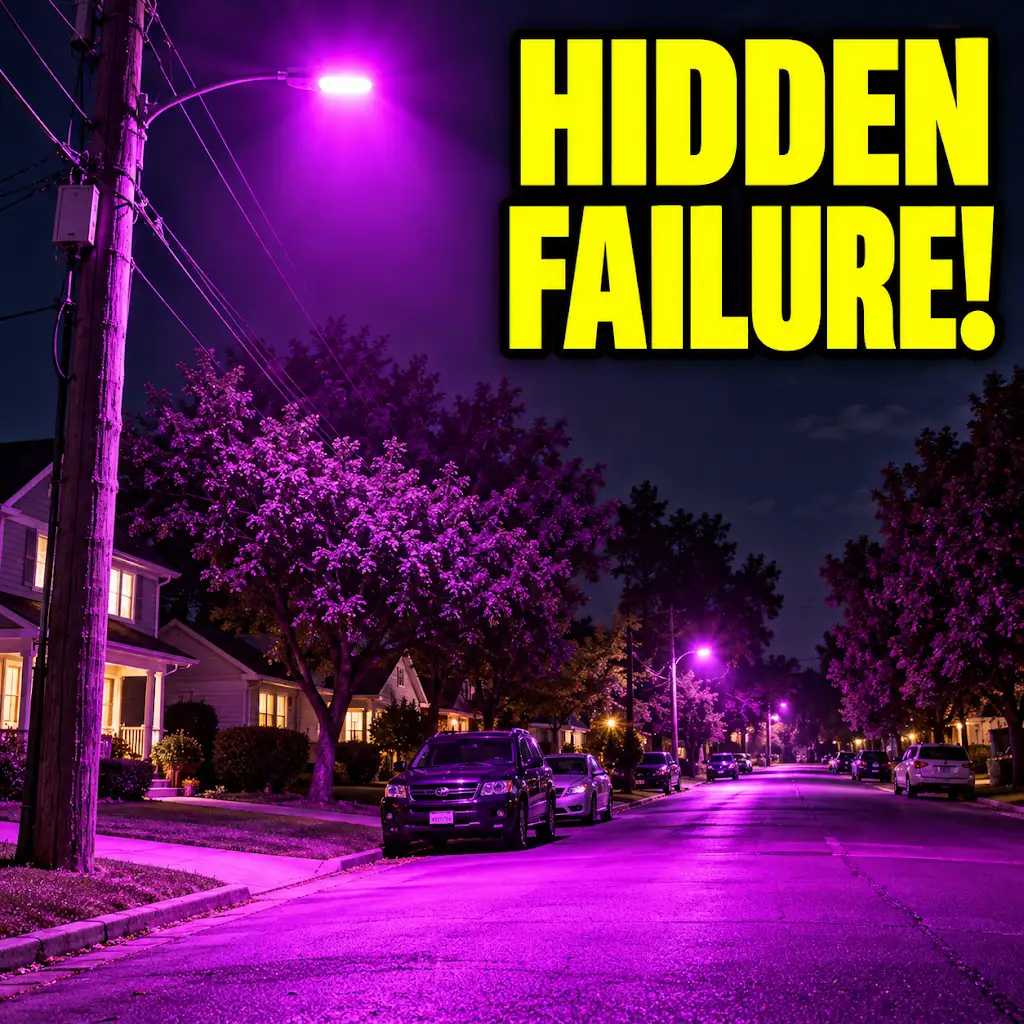
Why The Streetlights Are Turning Purple
FAQs
1. Why are some streetlights purple?
Some streetlights are purple because they use LED technology that emits a bluish-white light, which can appear purple to the human eye due to the way our eyes perceive different colors.
2. Are purple streetlights energy-efficient?
Yes, purple streetlights are typically energy-efficient because they use LED bulbs, which consume less energy compared to traditional streetlights like high-pressure sodium or mercury vapor lights.
3. Do purple streetlights affect visibility at night?
Purple streetlights may affect visibility at night for some people, as the color can make it harder to distinguish objects and may cause glare. However, the impact on visibility can vary depending on individual sensitivity to different light colors.
4. Are there specific reasons why purple streetlights are chosen for certain areas?
Purple streetlights may be chosen for certain areas for aesthetic reasons, to create a unique ambiance, or to support specific events or causes that are associated with the color purple, such as domestic violence awareness campaigns.
5. Do purple streetlights have any impact on wildlife or the environment?
There is limited research on the specific impact of purple streetlights on wildlife or the environment. However, like other artificial light sources, purple streetlights can potentially disrupt nocturnal animals’ behavior and ecosystems if not properly managed to minimize light pollution.