The Fundamental Principle: Heat Transfer and Your Comfort
You’ve probably felt it on a sweltering summer day: the comforting blast of cool air from your vent, a welcome reprieve from the oppressive heat. But have you ever stopped to wonder where that heat actually goes? It doesn’t simply vanish into thin air. Instead, your air conditioner performs a remarkable feat of engineering, actively pumping that unwanted heat from your indoor sanctuary to the outside world. This outward expulsion of heat is not a mere byproduct; it’s the very engine that drives the cooling process. Understanding this fundamental principle of heat transfer is key to appreciating how your AC keeps you cool.
Imagine your home as a sealed box. Inside, the air molecules are buzzing with energy, contributing to the ambient temperature. When you turn on your air conditioner, you’re not creating cold; you’re essentially orchestrating a system to remove the existing heat. This removal is achieved by a refrigerant, a special chemical that has a unique ability to absorb and release heat at different pressures and temperatures. The AC unit, therefore, acts as a sophisticated heat pump, moving thermal energy from a cooler environment (your home) to a warmer environment (the outdoors). This process defies the natural tendency of heat to flow from hot to cold. Without the work done by the air conditioner, the heat would simply remain trapped within your living space, making it increasingly uncomfortable.
The thermodynamic cycle at play is a marvel of applied physics. It’s a closed loop where the refrigerant continuously circulates, undergoing changes in its physical state. When it’s inside your home, in the evaporator coil, it’s in a low-pressure, liquid state. As heat from your indoor air comes into contact with these cold coils, the refrigerant absorbs that heat and begins to evaporate, turning into a low-pressure gas. This absorption of heat is what cools the air that is then blown back into your rooms. Once the refrigerant has absorbed as much heat as it can, it’s pumped to the outdoor unit, where the magic of expelling that heat truly begins.
The Role of the Refrigerant
The refrigerant is the unsung hero of your air conditioning system. It’s a substance designed to easily change between liquid and gaseous states within a specific temperature and pressure range. This ability is crucial because the absorption and release of heat are directly linked to these phase changes. Think of it like a sponge. When the refrigerant is inside your home, it’s like a dry sponge, eager to soak up moisture (heat). As it passes through the evaporator coils, it absorbs the heat from your indoor air, becoming saturated with thermal energy. Then, this “heat-laden” refrigerant is pumped to the outdoor unit, where it’s put under pressure. This pressure increase raises its temperature, making it hotter than the outside air. At this point, it’s like a wet sponge being squeezed – it releases its stored moisture (heat) into the surrounding environment.
Pressure and Phase Changes
The entire cooling process hinges on manipulating the pressure of the refrigerant. Inside your home, in the evaporator coil, the refrigerant is at a low pressure. This low pressure allows it to boil and evaporate at a relatively low temperature, readily absorbing heat from your warm indoor air. Once this heat has been absorbed and the refrigerant has turned into a gas, a compressor in the outdoor unit significantly increases its pressure. This pressure increase dramatically raises the refrigerant’s temperature, often well above the ambient temperature of the outside air. It’s this elevated temperature that facilitates the transfer of heat to the outside. Without the compressor’s work, the refrigerant wouldn’t get hot enough to efficiently release its absorbed heat outdoors.
Air conditioners are designed to cool indoor spaces by removing heat and humidity, which is then expelled outside, leading to a noticeable increase in outdoor temperatures. This process is explained in detail in the article “How Air Conditioners Work” found at Freaky Science. The article delves into the mechanics of heat exchange and the principles of thermodynamics that govern the operation of air conditioning systems, providing a comprehensive understanding of why these units release more heat into the environment.
Deconstructing the Outdoor Unit: Where the Heat Goes

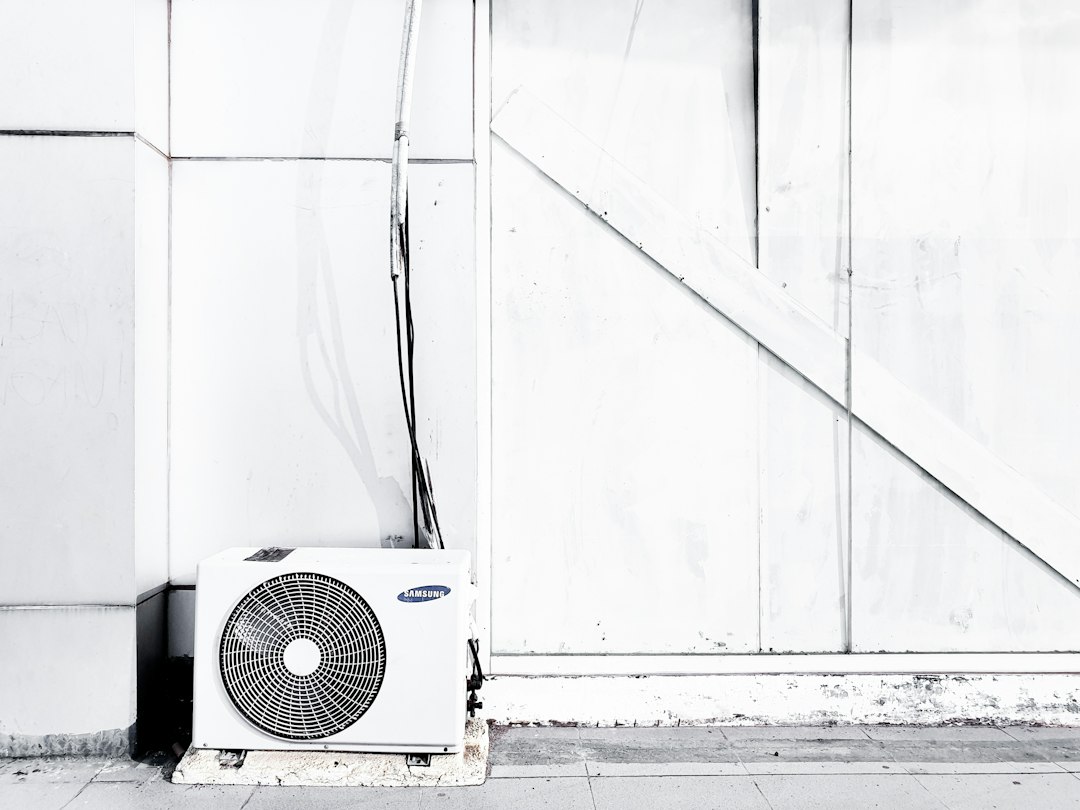
The outdoor unit of your air conditioner, often a humming metal box with a fan, is where the primary heat rejection occurs. It’s a complex interplay of components working in concert to efficiently transfer the absorbed indoor heat to the external environment. When you stand near your AC unit on a hot day, you’ll feel a noticeable blast of warm air. This isn’t just a little bit of heat; it’s the accumulated thermal energy from your entire home being actively pushed out. This process is essential for the continuous cycle of cooling your home.
The outdoor unit houses several critical components, most notably the condenser coils and the fan. The condenser coils are essentially the reverse of the evaporator coils inside your home. Here, the hot, high-pressure refrigerant gas, having absorbed heat from your living space, flows through these coils. The fan’s role is to draw the outdoor air across these hot coils. As the cooler outdoor air passes over the hotter condenser coils, heat is transferred from the refrigerant to the air. This is a passive transfer of heat, similar to how a hot pan cools down when placed on a counter. The refrigerant, now cooler and having released its heat, begins to condense back into a high-pressure liquid, ready to be pumped back inside to repeat the cycle.
The Condenser Coils: A Heat Exchanger’s Work
The condenser coils are a vital heat exchanger. Think of them as a radiator, but instead of cooling engine coolant, they are designed to dissipate the heat from your refrigerant into the surrounding air. These coils are typically made of copper or aluminum and are arranged in a serpentine pattern to maximize the surface area exposed to the airflow. The hot refrigerant flows through these tubes, and as the fan pushes ambient air across the fins attached to the tubes, the heat is effectively transferred from the refrigerant to the air. The greater the surface area and the more efficient the airflow, the more heat can be expelled. This is why you’ll often see outdoor AC units with large fan blades and extensive coil surfaces.
The Role of the Fan
The fan in the outdoor unit is indispensable for the heat rejection process. Its sole purpose is to create a constant flow of air across the condenser coils. Without this airflow, the heat absorbed by the refrigerant would have nowhere to go. The fan draws in the ambient outdoor air and forces it through the fins of the condenser coils. This continuous movement of air prevents the coils from becoming excessively hot and allows for efficient heat transfer. The speed and efficiency of the fan directly impact how quickly and effectively your air conditioner can remove heat from your home. A well-functioning fan ensures that the heat expelled is carried away from the unit, preventing it from recirculating and hindering the cooling process.
The Thermodynamics of Heat Dissipation

The concept of heat dissipation is rooted in the fundamental laws of thermodynamics. Specifically, your air conditioner operates on the principle of the second law of thermodynamics, which states that heat naturally flows from a region of higher temperature to a region of lower temperature. However, air conditioners are designed to move heat in the opposite direction – from a cooler inside to a warmer outside. This seemingly counterintuitive feat is achieved by expending energy, primarily through the compressor. By doing work on the refrigerant, the AC system forces the heat to move against its natural flow.
The process of dissipating heat involves increasing the temperature of the refrigerant above that of the ambient outdoor air. As mentioned, the compressor is the component responsible for this critical step. It takes the low-pressure, gaseous refrigerant that has absorbed heat from your home and compresses it. This compression significantly increases the pressure and, consequently, the temperature of the refrigerant. At this elevated temperature, the refrigerant is now hotter than the outside air. This temperature difference is what allows for heat to flow from the refrigerant to the outside air, a process that occurs within the condenser coils.
The Work of the Compressor
The compressor is the heart of your air conditioning system, and its primary function is to increase the pressure and temperature of the refrigerant. Imagine squeezing a balloon; the air inside becomes more compressed and, if you were to measure it, hotter. The compressor does something similar to the refrigerant gas. It draws in the low-pressure, heat-laden refrigerant vapor from the evaporator and compresses it into a high-pressure, superheated gas. This compression requires electrical energy, which is why your air conditioner consumes power. Without the compressor doing this work, the refrigerant would not become hot enough to effectively transfer its heat to the outside air.
Entropy and Energy Expenditure
The second law of thermodynamics also speaks to the concept of entropy, which generally refers to the measure of disorder or randomness in a system. In a closed system, entropy tends to increase over time, meaning that energy tends to spread out and become less concentrated. Your air conditioner, by moving heat from a concentrated area (your cool home) to a more dispersed area (the outside), is effectively increasing the overall entropy of the combined system of your home and the outdoors. However, this process isn’t spontaneous; it requires a constant input of energy to overcome the natural tendency for heat to spread and equalize. This is why your AC uses electricity. The energy you pay for is what fuels the compressor and fans, enabling the refrigerant to perform its heat-moving task and maintain your comfortable indoor temperature.
The Impact on Your Surroundings
While your air conditioner is providing you with a cool oasis, it’s also contributing to the heat load of your immediate surroundings. The warm air expelled from your outdoor unit has a direct impact on the temperature of the area around it. This is why you’ll often notice that the area directly in front of your AC unit is significantly warmer than the rest of your yard. This heat can affect nearby plants, outdoor seating areas, and even the exterior walls of your home.
The efficiency of your air conditioner plays a significant role in how much heat is expelled and how concentrated that heat is. An older or poorly maintained unit may be less efficient, meaning it expends more energy and potentially releases more heat to achieve the same level of cooling. This can lead to a higher localized temperature around the unit. Furthermore, the placement of your outdoor unit is crucial. If it’s located in a confined space with poor airflow, the expelled heat can accumulate, making the unit work harder and reducing its overall efficiency.
Localized Heat Zones
The constant expulsion of heated air creates localized heat zones. This is particularly noticeable during the hottest parts of the day when your AC is working hardest. The air coming out of the unit can be several degrees warmer than the ambient temperature, creating a noticeable difference in the immediate vicinity. For gardeners, this can mean strategically placing heat-sensitive plants away from the outdoor unit. For those who enjoy spending time outdoors, it might influence where they place patio furniture. While this localized heat might seem insignificant in the grand scheme of things, it’s a direct consequence of the cooling process and a reminder of the energy being moved.
Environmental Considerations
The heat expelled by air conditioners contributes to the urban heat island effect, especially in densely populated areas. Buildings, roads, and other infrastructure absorb and retain more heat than natural landscapes, leading to higher ambient temperatures. The widespread use of air conditioning exacerbates this effect by adding a significant amount of waste heat to the urban environment. While individual AC units might seem to have a small impact, the collective heat output from millions of units can influence local weather patterns and increase energy demand for cooling, creating a feedback loop. Efforts to improve AC efficiency and promote green building practices aim to mitigate this environmental impact.
When discussing the mechanics of air conditioning systems, it’s interesting to explore why an air conditioner releases more heat outside than it absorbs from indoors. This phenomenon occurs due to the principles of thermodynamics, where the unit removes heat from the indoor air and expels it outside, resulting in a cooler indoor environment. For a deeper understanding of this process and its implications, you can read a related article that delves into the science behind air conditioning systems at Freaky Science.
Maintaining Efficiency for Optimal Heat Rejection
| Metric | Description | Value/Example | Unit |
|---|---|---|---|
| Heat Absorbed from Indoors | Amount of heat energy extracted from indoor air by the AC | 5000 | BTU/hr |
| Compressor Work Input | Electrical energy consumed by the compressor to transfer heat | 1500 | BTU/hr |
| Total Heat Released Outside | Sum of heat absorbed indoors plus compressor work, released to outside air | 6500 | BTU/hr |
| Coefficient of Performance (COP) | Ratio of heat removed from indoors to electrical energy consumed | 3.33 | Unitless |
| Heat Transfer Direction | Heat moves from indoor air to refrigerant, then to outdoor air | Indoor → Outdoor | Conceptual |
The effective expulsion of heat is not just about keeping you cool; it’s also about the efficiency and longevity of your air conditioning system. A well-maintained AC unit will operate at peak performance, ensuring that it’s removing heat from your home as effectively as possible and expelling it efficiently to the outdoors. Neglecting your AC can lead to a cascade of problems, including reduced cooling capacity, increased energy consumption, and premature wear and tear on components. Regular maintenance ensures that all parts of the system, from the refrigerant levels to the cleanliness of the coils and the functionality of the fan, are in optimal condition.
One of the most straightforward yet crucial maintenance tasks is keeping the outdoor unit clean. Dust, debris, leaves, and even grass clippings can accumulate on the condenser coils, obstructing airflow and hindering heat transfer. This buildup acts like a blanket, insulating the coils and making it difficult for the refrigerant to release its heat. Similarly, ensuring that the area around the outdoor unit is clear of obstructions allows for proper airflow, preventing the buildup of hot air and allowing the unit to dissipate heat more effectively.
Cleaning the Condenser Coils
The condenser coils are the primary site for heat rejection. Over time, these coils can become clogged with dirt, pollen, and other airborne debris. This buildup acts as an insulator, preventing the heat from escaping the refrigerant. Regular cleaning of the condenser coils is essential for maintaining efficient heat transfer. You can often do this yourself by gently rinsing the coils with a garden hose, taking care not to use high pressure that could damage the fins. For a more thorough cleaning, a professional AC technician can use specialized cleaning solutions and tools.
Ensuring Proper Airflow
Adequate airflow around the outdoor unit is critical for efficient heat dissipation. The fan needs to be able to draw in fresh, cooler air from the surroundings and expel the heated air without impediment. This means ensuring that the unit is not placed in a confined space, such as a small utility closet or directly against a wall. There should be ample clearance around the unit to allow for unobstructed airflow. Trim back any overgrown vegetation that might be blocking the unit, and avoid placing large objects nearby. A well-ventilated outdoor unit can operate more efficiently, expend less energy, and ultimately provide better cooling for your home.

Your AC Blows Hot Air Outside. Is That Heat From Your Room?
FAQs
1. Why does an air conditioner release more heat outside?
Air conditioners release more heat outside because they work by removing heat from inside a building and transferring it outside. This process involves the refrigerant absorbing heat indoors and releasing it outside through the condenser coils.
2. How does an air conditioner transfer heat outside?
Air conditioners transfer heat outside through the refrigeration cycle. The refrigerant absorbs heat from inside the building, then travels to the outdoor unit where it releases the heat through the condenser coils. The fan in the outdoor unit helps to dissipate the heat into the surrounding air.
3. Does the amount of heat released outside vary based on the type of air conditioner?
The amount of heat released outside can vary based on the efficiency of the air conditioner. More efficient air conditioners are designed to transfer heat more effectively, resulting in less heat being released outside. In contrast, older or less efficient units may release more heat outside.
4. What factors can impact the amount of heat released outside by an air conditioner?
Several factors can impact the amount of heat released outside by an air conditioner, including the size of the unit, the temperature difference between indoors and outdoors, the efficiency of the system, and the condition of the coils and filters. Proper maintenance and regular servicing can help optimize the heat transfer process.
5. Is it normal for an air conditioner to release heat outside during operation?
Yes, it is normal for an air conditioner to release heat outside during operation. Air conditioners are designed to remove heat from inside a building and release it outside to maintain a comfortable indoor temperature. The heat released outside is a byproduct of the cooling process and is essential for the air conditioner to function effectively.