
The Invisible Engine: How Electricity Fuels Your Comfort
You flip the switch, and a cool breeze washes over you, banishing the oppressive heat of a summer day. It feels like magic, doesn’t it? That sudden transformation from stifling discomfort to blissful coolness is all thanks to your air conditioner, a marvel of modern engineering. But have you ever stopped to consider the fundamental force that powers this magical transformation? It’s not some inherent property of the refrigerant or the coils; it’s the invisible, ubiquitous power of electricity. You might think an air conditioner cools things down, so why does it need to push or move heat? The answer lies in a fundamental principle of thermodynamics that dictates you can’t simply destroy heat; you can only relocate it. And to orchestrate this relocation, your air conditioner requires a constant supply of electrical energy. Without electricity, your AC unit becomes an inert collection of metal and pipes, incapable of performing its essential function. This article will delve into the intricate relationship between electricity and your air conditioner, explaining precisely why this vital resource is indispensable for heat movement and, consequently, for your comfort.
Air conditioning systems rely on electricity to move heat because they operate based on the principles of thermodynamics and the refrigeration cycle. This process involves the use of a refrigerant that absorbs heat from the indoor air and releases it outside, which requires electrical energy to power the compressor and fans. For a deeper understanding of the science behind how air conditioning systems function and the role of electricity in this process, you can read more in this related article on Freaky Science: Freaky Science.
The Thermodynamic Imperative: Why Heat Must Be Moved, Not Eliminated

The core concept underpinning air conditioning is not the creation of cold, but the removal of heat. You can’t simply “make” cold; you can only transfer heat from a warmer area to a cooler one. This is a fundamental law of physics, specifically the second law of thermodynamics. It states that heat naturally flows from hotter objects to colder objects. Your air conditioner, however, is tasked with doing the opposite: moving heat from a cool indoor space to the already warmer outdoors. This is where electricity enters the picture, acting as the crucial enabler for this seemingly counter-intuitive process. Without the work performed by electricity, the natural tendency of heat to flow from hot to cold would leave your indoor environment exactly as it is – warm.
Understanding Heat Transfer Principles
To grasp why electricity is essential, you must first understand how heat moves. There are three primary mechanisms: conduction, convection, and radiation. Conduction is the transfer of heat through direct contact, like touching a hot stove. Convection involves heat transfer through the movement of fluids (liquids or gases), such as how a radiator heats the air around it. Radiation is the transfer of heat through electromagnetic waves, like the warmth you feel from the sun. In an air conditioner, all these principles are at play, but the active manipulation of heat flow requires more than just natural tendencies.
The “Cold” is a Byproduct, Not the Goal
It’s a common misconception that air conditioners “create” cold. In reality, they are highly efficient heat pumps. They extract heat from the air inside your home and transfer it outside. The “cold” air you feel is simply the result of this heat removal process. Think of it like bailing water out of a leaky boat. You’re not creating dryness; you’re removing the water that’s causing the boat to be wet. Similarly, your AC isn’t manufacturing cold; it’s diligently removing the heat that makes your home warm. This removal process is an active one, requiring energy to overcome the natural flow of heat.
The Heart of the Matter: The Refrigeration Cycle and Electrical Components
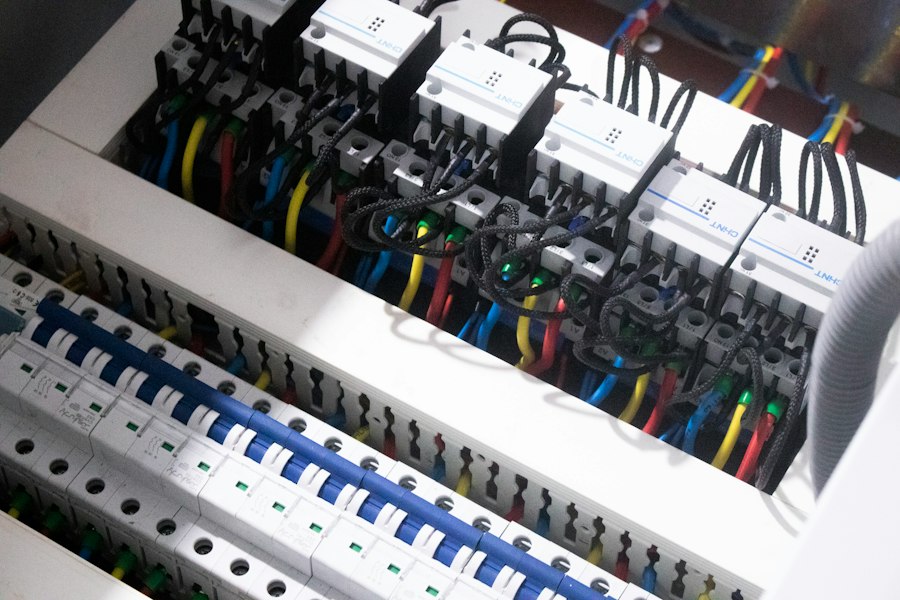
The magic of your air conditioner happens within its refrigeration cycle, a closed loop where a special fluid called refrigerant circulates, undergoing changes in pressure and state. Electricity is the indispensable power source that drives the key components of this cycle, enabling the continuous movement of heat. Without electricity, the refrigerant would simply sit there, unable to perform its heat-absorbing and heat-releasing duties.
The Compressor: The Electrical Workhorse
The compressor is arguably the most critical component of an air conditioner, and it is entirely electrically powered. Its primary function is to compress the refrigerant gas, significantly increasing its pressure and temperature. This high-pressure, high-temperature gas then moves to the condenser coils. The compressor is essentially the engine of the AC unit, doing the heavy lifting to initiate the thermodynamic cycle. Imagine trying to pump water uphill without a pump; it’s an impossible task without an external energy source. The compressor, powered by electricity, is that pump for your refrigerant.
The Evaporator and Condenser Coils: Facilitating Heat Exchange
While the compressor is the powerhouse, the evaporator and condenser coils are where the actual heat transfer takes place. The evaporator coil, located inside your home, is where the refrigerant absorbs heat from the indoor air. As the warm indoor air passes over the cold evaporator coils, heat is transferred from the air to the refrigerant, causing the refrigerant to evaporate into a gas. The condenser coil, located outside, is where the hot refrigerant releases the absorbed heat into the outdoor air. This process of evaporation and condensation, while occurring naturally to some extent, is dramatically accelerated and controlled by the pressure changes driven by the electrical compressor.
The Fan Motors: Circulating Air and Refrigerant
Your air conditioner has multiple fan motors, also powered by electricity. The indoor fan circulates the cooled air throughout your home, ensuring even temperature distribution. The outdoor fan helps to expel the heat from the condenser coils into the ambient air. These fans are crucial for efficient heat exchange. Without them, the warm air would linger around the condenser, and the cool air wouldn’t reach all corners of your living space. They are the circulatory system of your AC, powered by the electrical current.
Beyond the Basics: Ancillary Electrical Systems and Controls
While the compressor and fan motors are the most prominent electrical consumers, your air conditioner relies on a network of other electrical components to operate efficiently and safely. These systems, though less obvious, are just as critical for the overall function of heat movement.
The Thermostat: The Brain of the Operation
The thermostat is your interface with the air conditioner, and it’s an electrical device. It monitors the indoor temperature and signals the AC unit when to turn on and off to maintain your desired set point. Modern thermostats also incorporate sophisticated electronics for programming, energy efficiency, and even remote control. Without its electrical brain, the AC unit would have no way of knowing when to cool your home or when to stop.
Capacitors and Relays: The Electrical Orchestrators
Capacitors and relays are essential electrical components that play a vital role in starting and controlling the flow of electricity to the various motors within the AC unit. Capacitors provide the initial surge of power needed to start the compressor and fans. Relays act as electrically operated switches, directing power to the correct components at the right time. These seemingly small parts are critical for the smooth and efficient operation of the entire system.
Safety Features: Protecting Your Investment
Modern air conditioners are equipped with numerous electrical safety features designed to protect the unit from damage and prevent potential hazards. These include overload protectors, high and low-pressure switches, and defrost controls. All of these safety mechanisms rely on electrical circuits to monitor system performance and shut down the unit if necessary. This electrical oversight ensures that your AC operates within safe parameters, preventing costly repairs and ensuring your peace of mind.
Air conditioning systems rely on electricity to move heat because they utilize a refrigeration cycle that involves compressing and expanding refrigerant. This process requires energy to operate components like the compressor and fans, which are essential for transferring heat from inside a building to the outside environment. For a deeper understanding of how these systems function and the science behind their operation, you can read more in this insightful article on Freaky Science.
The Energy Exchange: Quantifying the Electrical Demand for Heat Movement
| Metric | Description | Value/Example |
|---|---|---|
| Electric Power Consumption | Amount of electrical energy used by the AC to operate the compressor and fans | 1000 Watts (1 kW) typical for a small room AC |
| Heat Transfer Rate | Amount of heat moved from inside to outside per unit time | 3500 Watts (3.5 kW) cooling capacity |
| Coefficient of Performance (COP) | Ratio of heat moved to electrical energy consumed | 3.5 (means 3.5 units of heat moved per unit of electricity) |
| Compressor Work | Electrical energy used to compress refrigerant and enable heat transfer | Majority of power consumption, e.g., 800 Watts |
| Fan Motor Energy | Electricity used to circulate air over evaporator and condenser coils | Approximately 100-200 Watts |
| Refrigerant Cycle | Process requiring electrical energy to pump refrigerant and move heat | Continuous cycle powered by electricity |
The amount of electricity an air conditioner consumes is directly proportional to the amount of heat it needs to move. Larger homes, higher outdoor temperatures, and greater temperature differentials between the inside and outside all require more work from the AC unit, thus demanding more electrical energy. Understanding this relationship can help you make informed decisions about energy efficiency and managing your electricity bills.
Understanding BTU and Electrical Load
British Thermal Units (BTUs) are a measure of heat energy. An air conditioner’s cooling capacity is rated in BTUs per hour. The higher the BTU rating, the more heat the unit can remove. Correspondingly, a higher BTU rating generally translates to a higher electrical load, meaning the unit will draw more electricity to achieve that cooling capacity. The electrical power consumption of an AC unit is typically measured in watts or kilowatts.
Energy Efficiency Ratings: Making Informed Choices
Energy efficiency ratings, such as the Seasonal Energy Efficiency Ratio (SEER) in the United States, provide a standardized way to compare the energy performance of different air conditioning units. A higher SEER rating indicates a more energy-efficient unit, meaning it can move more heat with less electricity. When you choose an energy-efficient AC, you’re essentially selecting a unit that has been designed to perform the work of heat movement with optimal electrical input.
The Cost of Comfort: Electricity Bills and AC Usage
Your electricity bill is a direct reflection of the energy your air conditioner consumes. During hot summer months, the AC often becomes one of the largest contributors to household energy usage. Optimizing your AC usage, such as setting appropriate thermostat temperatures and ensuring proper insulation, can significantly reduce your electricity consumption and, consequently, your energy costs. The desire for comfort is directly tied to the electricity you expend to achieve it.
Conclusion: The Indispensable Link Between Electricity and Cool Comfort
In conclusion, your air conditioner is a sophisticated system that relies entirely on electricity to perform its fundamental task: moving heat. It’s not about creating cold, but about actively relocating heat from your indoor environment to the outdoors. The electrical energy you supply powers the compressor, the fans, and a host of other intricate components that orchestrate this thermodynamic ballet. From the initial compression of refrigerant to the circulation of cool air, every step of the cooling process is a testament to the power of electricity. Without it, the natural tendency of heat to remain where it is would leave you sweltering. So, the next time you flip that switch and feel the welcome wave of coolness, remember the invisible engine working tirelessly behind the scenes, powered by the indispensable force of electricity, to bring you comfort on even the hottest of days. It’s a testament to human ingenuity and our ability to harness energy to improve our lives, transforming the very air we breathe.

Your AC Blows Hot Air Outside. Is That Heat From Your Room?
FAQs
1. Why does an air conditioner need electricity to move heat?
An air conditioner requires electricity to power the compressor, which is responsible for circulating refrigerant through the system to absorb and release heat.
2. How does electricity help in the cooling process of an air conditioner?
Electricity powers the fan that blows air over the evaporator coils, where the refrigerant absorbs heat from the indoor air. It also drives the condenser fan that expels the heat absorbed from the indoor air to the outside.
3. Can an air conditioner function without electricity to move heat?
No, an air conditioner cannot effectively cool a space without electricity to power the components that move heat. The cooling process relies on the circulation of refrigerant, which requires electricity to operate.
4. What role does the compressor play in the cooling process of an air conditioner?
The compressor in an air conditioner pressurizes the refrigerant, causing it to change from a low-pressure gas to a high-pressure gas. This process allows the refrigerant to absorb heat from the indoor air and release it outside.
5. Are there any alternative methods to power an air conditioner without electricity?
While there are some experimental and off-grid air conditioning systems that utilize alternative energy sources like solar power or geothermal energy, the majority of air conditioners rely on electricity to move heat efficiently and effectively.