The humble pressure cooker, a marvel of culinary engineering, has revolutionized cooking times and infused efficiency into kitchens worldwide. Its ability to drastically reduce cooking durations for tough meats, legumes, and grains is undeniable. However, this remarkable speed and efficiency are born from a fundamental principle: the controlled build-up of steam pressure. This immense pressure, while crucial for unlocking culinary wonders, also presents inherent risks. Without crucial safety mechanisms, the power of a pressure cooker could quickly turn from a kitchen ally into a formidable hazard. Central to its safe operation stands the unassuming yet indispensable safety valve, a guardian of both the cooker and the cook. Understanding the “why” behind this essential component is paramount for anyone who wields this potent kitchen tool.
The Science of Steam and Pressure
The fundamental principle behind a pressure cooker’s operation lies in the behavior of water when heated under confinement. Water boils at 100 degrees Celsius (212 degrees Fahrenheit) at standard atmospheric pressure. However, within the sealed environment of a pressure cooker, the escaping steam cannot dissipate into the atmosphere. Instead, it accumulates, increasing the pressure inside the pot. This elevated pressure has a profound effect on the boiling point of water. As pressure rises, the boiling point of water also rises significantly, often reaching well over 100 degrees Celsius, sometimes as high as 121 degrees Celsius (250 degrees Fahrenheit) or even higher, depending on the cooker’s design and pressure level. This higher cooking temperature is the primary driver behind the accelerated cooking times associated with pressure cookers. Foods exposed to this intense heat and steam are cooked much faster than they would be in conventional cookware.
The Thermodynamics of Confinement
At a molecular level, the increased temperature means water molecules possess more kinetic energy, leading to a more vigorous vapor pressure. In an open pot, this vapor pressure is balanced by atmospheric pressure, allowing steam to escape freely and the water to reach its normal boiling point. In a sealed pressure cooker, however, the lid prevents the escape of steam. As more steam is generated, it exerts an outward force on the walls of the cooker. This force is the internal pressure. The greater the pressure, the higher the temperature at which water will boil. This thermodynamic principle is the very foundation upon which the efficiency of a pressure cooker is built, allowing it to break down tough food fibers and cook them to tenderness in a fraction of the time.
The Role of Gaskets and Seals
The effectiveness of a pressure cooker in reaching and maintaining high internal pressures relies heavily on its sealing mechanism. A robust gasket, typically made of rubber or silicone, lines the rim of the lid, creating an airtight seal against the pot. This seal is critical for preventing any steam from escaping prematurely. Any compromise in this seal, such as a worn-out or damaged gasket, will prevent the cooker from reaching its designated operating pressure, negating its primary benefit and, more importantly, compromising safety. The lid itself is also designed to lock securely, ensuring it cannot be accidentally opened while the cooker is under pressure.
A pressure cooker is an essential kitchen appliance that relies on high-pressure steam to cook food quickly and efficiently. One of the critical safety features of a pressure cooker is the safety valve, which prevents excessive pressure buildup that could lead to dangerous situations. For a deeper understanding of the importance of safety mechanisms in pressure cookers, you can read a related article on this topic at Freaky Science. This article delves into the engineering behind pressure cookers and the vital role that safety valves play in ensuring safe cooking practices.
The Dangers of Uncontrolled Pressure
The very force that makes a pressure cooker so effective is also its greatest potential danger if not managed correctly. Imagine a soda bottle that has been vigorously shaken. The built-up carbonation creates significant internal pressure, and if opened carelessly, the contents can erupt forcefully. A pressure cooker operates on a similar, albeit far more potent, principle. If the internal pressure is allowed to rise beyond what the cooker is designed to withstand, or if it is not released in a controlled manner, catastrophic failure can occur. This failure can manifest in various destructive ways, posing severe risks to anyone in its vicinity.
The Risk of Explosion
The most severe consequence of a malfunctioning or misused pressure cooker is an explosion. If the safety mechanisms fail and the pressure continues to build, the cooker’s vessel can no longer contain the immense forces. The metal will eventually give way, leading to a violent rupture. This explosion can send shrapnel flying with considerable force, causing severe injuries such as lacerations, burns, and even more life-threatening trauma. The contents of the cooker, which are extremely hot and under high pressure, will also be expelled outwards, exacerbating the danger. This risk underscores the absolute necessity of a reliable pressure-release system.
Potential for Burns and Scalding
Even if a full-blown explosion doesn’t occur, uncontrolled pressure release can still be incredibly dangerous. If a faulty valve allows steam to escape erratically or if the cooker is opened prematurely while still under pressure, a sudden burst of scalding steam can be released. This superheated steam can cause severe burns and inflict deep tissue damage almost instantaneously. The liquid contents, also at a high temperature, can further contribute to serious scald injuries. The visual and auditory warnings of a properly functioning pressure cooker are designed to prevent such uncontrolled releases, giving the cook time to react and ensure their safety.
Damage to the Cooker and Kitchen
Beyond the immediate risk to human safety, a pressure cooker experiencing uncontrolled pressure can also suffer significant damage. The extreme forces can warp or deform the cooker’s body, rendering it unusable. In the case of an explosion, the cooker can be completely destroyed. The force of such an event can also cause damage to the surrounding kitchen environment, including walls, cabinets, and appliances, leading to costly repairs and disruptions.
The Indispensable Safety Valve Explained
The safety valve, often referred to as the pressure-release valve or regulator, is the primary guardian against the dangers of uncontrolled pressure. It is a meticulously engineered component designed to automatically vent excess steam when the internal pressure of the cooker exceeds a safe operating limit. Think of it as the pressure cooker’s conscience, ensuring that the exuberance of steam generation is always tempered by a responsible release. Its presence transforms a potentially volatile piece of equipment into a reliable and safe kitchen appliance.
How the Safety Valve Functions
At its core, a safety valve operates on a simple yet effective principle of counteracting pressure. Typically, it consists of a spring-loaded mechanism or a weighted plug that sits over an opening. When the internal pressure inside the cooker builds up to a predetermined point, it exerts an upward force on the valve mechanism. If this force exceeds the opposing force (either the tension of the spring or the weight of the plug), the valve will lift or open, allowing steam to escape. This release of steam reduces the internal pressure, bringing it back down to a safe level. The valve then reseats itself, sealing the opening once more, and the cycle can repeat if pressure begins to build again.
Different Types of Safety Valves
Pressure cookers employ various designs for their safety valves, each with its own characteristics and operating mechanisms.
Spring-Loaded Valves
This is one of the most common types. A spring is compressed under a small cap or plug. As pressure inside the cooker increases, it pushes against the cap. When the pressure is sufficient to overcome the spring’s resistance, the cap lifts, releasing steam. The spring’s tension is calibrated to ensure the valve opens at the correct pressure.
Weighted or Jiggler Valves
These valves are simpler in design. They consist of a small, weighted piece that sits on top of a vent. When the internal pressure reaches a critical level, it lifts the weight, allowing steam to escape with a characteristic “jiggling” sound. These are often found on older or stovetop models and are generally less precise than spring-loaded valves, but they are still effective at releasing excess pressure.
Fuse Plug or Meltable Metal Valves
Some cookers incorporate a secondary safety feature in the form of a fuse plug. This is a small plug made of a metal alloy with a low melting point. If the primary safety valve fails and the temperature and pressure continue to rise to a dangerous level, the fuse plug will melt, creating a larger opening for steam to escape and preventing a catastrophic explosion. This acts as a last line of defense.
The Importance of Regular Maintenance
The effectiveness of any safety valve is directly tied to its proper maintenance. Over time, food particles, mineral deposits from water, or wear and tear can cause the valve to become clogged or stiff. A clogged valve will not open correctly, or it might not open at all, rendering it useless as a safety device. Therefore, it is crucial to regularly clean the safety valve and its associated vents according to the manufacturer’s instructions. Inspecting the valve for any visible damage or signs of wear is also a vital part of ensuring its functionality. A quick rinse and a gentle poke with a toothpick (when the cooker is cool and depressurized, of course) can often prevent a potentially hazardous situation.
The Interplay Between Pressure, Heat, and Safety
The safety valve doesn’t operate in isolation. It is an integral part of a system where pressure, heat, and the valve’s ability to regulate them are in constant interplay. The entire design of a pressure cooker is a delicate balance, and the safety valve is the mechanism that maintains that balance within safe parameters. Understanding this relationship highlights why a functioning safety valve is not an optional extra, but a fundamental requirement for the appliance’s intended purpose.
Maintaining Optimal Cooking Pressure
The safety valve is not designed to be a constant vent. Its primary role is to act as a failsafe. The cooker is designed to reach and maintain a specific operating pressure for efficient cooking. This is typically achieved through a primary regulator, often a weighted or spring-loaded device that maintains a consistent, albeit high, pressure. The safety valve is set to a higher pressure than the normal operating pressure. This means it only intervenes when the pressure exceeds the safe operating range, indicating a problem with the primary regulator or an overfilling of the cooker. This two-tiered approach ensures both efficient cooking and ultimate safety.
Responding to Abnormal Conditions
When abnormal conditions arise – such as an overfilled pot, a blockage in the vent pipe, or a primary regulator malfunction – the internal pressure will climb unchecked. This is when the safety valve becomes the hero of the story. It recognizes the dangerous deviation from the norm and takes decisive action to alleviate the pressure, preventing the situation from escalating into a disaster. It’s the emergency brake for the steam engine, ensuring the cook has time to react and address the underlying issue.
The Safety Valve as a Warning Indicator
Beyond its primary function of releasing pressure, the operation of the safety valve can also serve as an important warning to the cook. The characteristic hissing or whistling sound of steam escaping from the safety valve is a clear indication that the pressure inside the cooker has reached an elevated level. If this occurs during normal cooking, it might suggest that the cooker is overfilled or that the primary regulator is not functioning optimally. This audible cue provides an opportunity for the cook to investigate and make adjustments before a truly dangerous situation develops.
A pressure cooker is an essential kitchen tool that allows for faster cooking by increasing the boiling point of water, but it is crucial for it to have a safety valve to prevent dangerous pressure build-up. The safety valve acts as a critical component that ensures excess steam can escape, thereby reducing the risk of explosions or accidents. For a deeper understanding of the importance of safety mechanisms in kitchen appliances, you can read this related article on the topic of pressure cookers and their safety features at Freaky Science.
Ensuring a Safe and Satisfying Culinary Experience
| Metric | Description | Relevance to Safety Valve |
|---|---|---|
| Maximum Pressure | Typical operating pressure inside a pressure cooker (usually 15 psi above atmospheric pressure) | Safety valve releases excess pressure to prevent explosion |
| Temperature Range | Temperature inside cooker can reach up to 121°C (250°F) | Safety valve helps maintain safe temperature by controlling pressure |
| Pressure Build-up Rate | Speed at which pressure increases during cooking | Safety valve activates if pressure rises too quickly or exceeds limits |
| Valve Activation Pressure | Pressure at which safety valve opens (usually slightly above normal operating pressure) | Prevents dangerous overpressure conditions |
| Failure Risk Without Valve | Risk of cooker rupture or explosion due to uncontrolled pressure | Safety valve significantly reduces this risk |
| Pressure Release Capacity | Amount of steam the valve can release per minute | Ensures rapid pressure reduction in emergency situations |
The presence and proper functioning of a safety valve are not merely technical specifications; they are the bedrock upon which safe and satisfying pressure cooking experiences are built. When a cook understands the role of this component and takes steps to ensure its integrity, they can harness the full power of the pressure cooker with confidence and peace of mind. The joy of perfectly cooked meals, prepared in a fraction of the time, is amplified when it is achieved without compromising personal safety or the integrity of the kitchen.
User Responsibility and Best Practices
While the safety valve is a critical piece of hardware, user responsibility plays an equally vital role in safe pressure cooking. This includes diligently following the manufacturer’s instructions for operation and maintenance. Overfilling the pressure cooker is a common mistake that can lead to pressure build-up issues and the safety valve activating unnecessarily or, in extreme cases, failing to do so. Ensuring that the vent pipe is clear of any obstructions before each use is also paramount. Never attempting to force the lid open when the cooker is under pressure is a fundamental rule that, while seemingly obvious, bears constant reinforcement.
The Modern Pressure Cooker: Evolution of Safety
Modern pressure cookers, especially electric models, often feature sophisticated multi-stage safety systems that go beyond a single safety valve. These can include multiple pressure vents, lid-locking mechanisms that prevent opening under pressure, and electronic sensors that monitor and control pressure and temperature. This evolution reflects a continuous commitment to enhancing safety and making these appliances more user-friendly. However, even with these advanced features, the underlying principle of pressure regulation remains, and the spirit of the safety valve as the ultimate failsafe continues to be embodied in these designs.
Embracing Efficiency with Confidence
The pressure cooker is an indispensable tool for the modern cook, offering unparalleled efficiency and the ability to create delicious meals with speed. The safety valve is not a hindrance to this efficiency; rather, it is the enabler of it. By ensuring that the immense forces generated within the cooker are always managed and controlled, the safety valve allows us to confidently embrace the speed and convenience that pressure cooking offers. It transforms a potentially volatile appliance into a reliable partner in the culinary journey, ensuring that every meal cooked is not only delicious but, most importantly, safe. The investment in understanding and maintaining this crucial component is an investment in a safer and more enjoyable cooking experience.
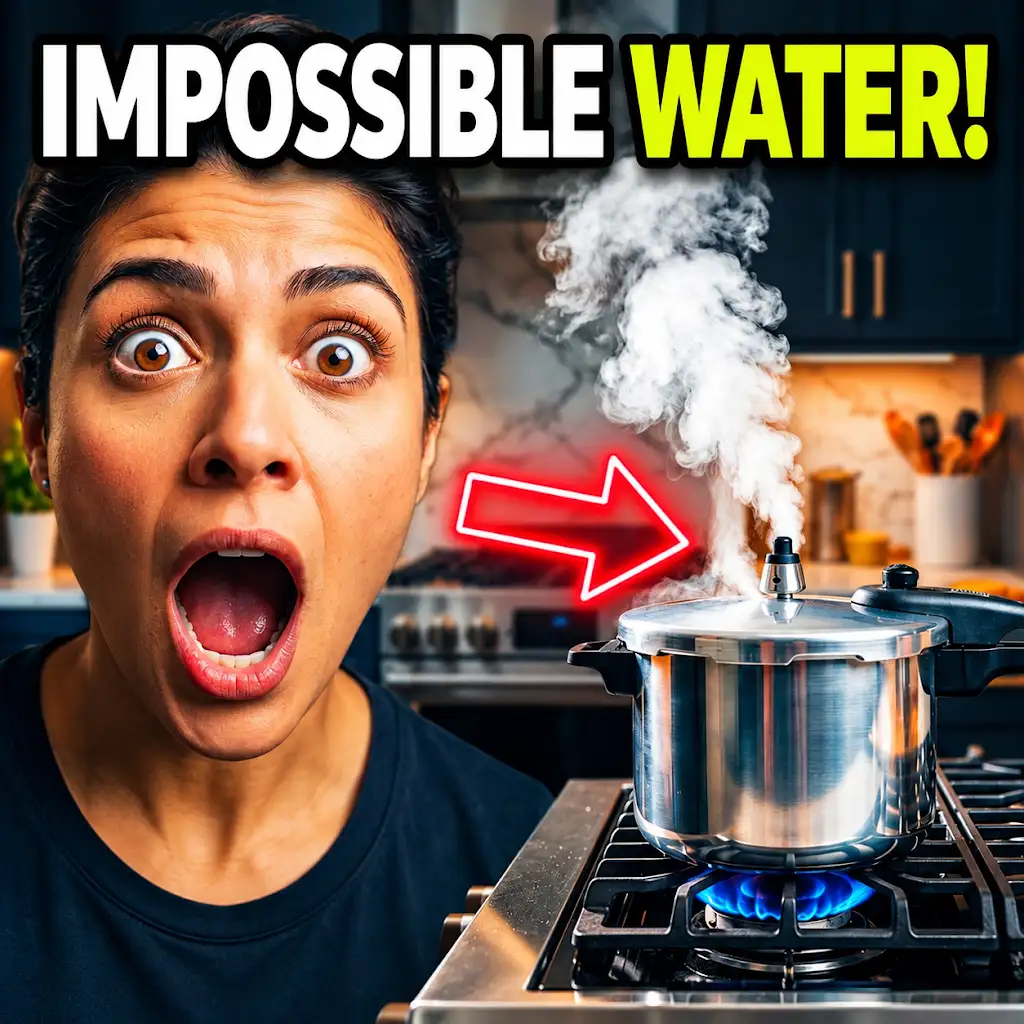
Why This Water Doesn’t Boil at 100°C
FAQs
1. Why does a pressure cooker need a safety valve?
A pressure cooker needs a safety valve to release excess pressure that may build up during the cooking process. This helps prevent the pressure cooker from exploding or causing any potential hazards.
2. How does the safety valve work in a pressure cooker?
The safety valve in a pressure cooker is designed to automatically release steam if the pressure inside the cooker exceeds a safe level. This helps regulate the pressure and prevent any dangerous situations from occurring.
3. What happens if a pressure cooker does not have a safety valve?
If a pressure cooker does not have a safety valve, there is a risk of the pressure building up to dangerous levels, which could lead to the cooker exploding. This can cause serious injuries and damage.
4. Can a safety valve fail in a pressure cooker?
While safety valves are designed to function reliably, they can fail due to blockages or malfunctions. It is important to regularly inspect and maintain the safety valve to ensure it is working properly and replace it if necessary.
5. Are there different types of safety valves used in pressure cookers?
Yes, there are different types of safety valves used in pressure cookers, including weighted valves, spring-loaded valves, and modified valves. Each type operates slightly differently but serves the same purpose of releasing excess pressure to maintain safety.