You’re sweltering. The sun beats down relentlessly, and your home feels like a convection oven. You flip the switch on your air conditioner, and a wave of blessed relief washes over you. But have you ever stopped to wonder, as the cool air blasts out, where does all that heat actually go? It’s not magic; it’s a clever process of heat transfer, and understanding it demystifies the hum of your AC unit. Your air conditioner doesn’t create cold; it relocates heat, moving it from the inside of your home to the outside. This fundamental principle is the cornerstone of how your cooling system functions, and grasping it unlocks a deeper appreciation for this modern marvel.
The Fundamental Principle: Heat Exchange in Action
At its core, your air conditioner is a heat exchanger. It’s designed to absorb heat from one place and release it in another. Think of it like a transfer station for thermal energy. The “cold” you feel inside is simply the absence of heat, achieved by aggressively removing it from your living space. This process is governed by the laws of thermodynamics, specifically the concept that heat naturally flows from warmer areas to cooler areas. Your AC system, however, uses a bit of engineering wizardry and a special substance called refrigerant to reverse this natural flow, pumping heat from your cooler interior to the warmer exterior.
The Role of Refrigerant: The Heat Carrier
The unsung hero of your AC system is the refrigerant. This is not just any fluid; it’s a chemical compound specifically engineered to change its state between liquid and gas at the temperatures and pressures encountered within your AC unit. This phase change is crucial. When refrigerant is in its liquid state, it readily absorbs heat. As it evaporates into a gas, it draws that heat energy with it. Conversely, when it’s compressed into a gas, it gets hot, and when it condenses back into a liquid, it releases that heat. Your AC system manipulates these properties through a cycle of evaporation and condensation, driven by a compressor.
The Compressor: The Powerhouse of the Cycle
The compressor is the heart of your air conditioning system. It’s an electric pump that circulates the refrigerant and, crucially, compresses it. This compression increases the temperature and pressure of the refrigerant gas. Think of it like pumping up a bicycle tire – the effort you put in makes the air hotter. This hot, high-pressure gas is then sent to the condenser coils. Without the compressor, the refrigerant would simply circulate and equalize temperatures without effectively transferring heat. It’s the energy input from the compressor that allows your AC to defy the natural tendency of heat to spread out evenly.
Evaporation and Condensation: The State Changes
The magic of heat removal happens through the repeated cycles of evaporation and condensation of the refrigerant. Inside your home, in the evaporator coils, the liquid refrigerant is at a low pressure. This low pressure causes it to boil and evaporate, absorbing heat from the air passing over the coils. This is where the cooling effect originates. The now warm, gaseous refrigerant then travels to the compressor, where it’s compressed. From there, it flows to the outdoor condenser coils. Here, the hot, high-pressure gas releases its heat to the outside air, condensing back into a liquid. This continuous loop is what keeps your home cool.
When considering the operation of an air conditioning unit, it’s important to understand what happens to the heat that is removed from the indoor environment. The heat extracted by the AC is expelled outside, often through a condenser unit, which plays a crucial role in the cooling process. For a deeper dive into the science behind air conditioning and the management of heat, you can read a related article on this topic at Freaky Science. This resource provides insights into the principles of thermodynamics that govern how air conditioners function and the implications for energy efficiency.
Inside Your Home: The Evaporator’s Embrace
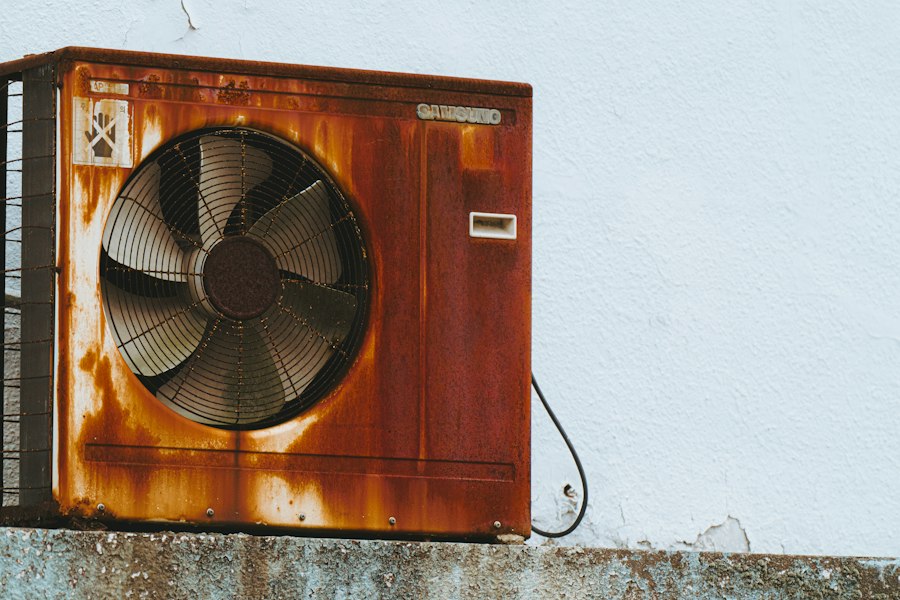
The evaporator coil is located inside your home, typically within the air handler unit or furnace. This is where the actual cooling of your indoor air takes place. As warm, humid air from your rooms is drawn across the cold evaporator coils, heat is transferred from the air to the refrigerant. This process not only cools the air but also dehumidifies it. As the air cools, its ability to hold moisture decreases, causing water vapor to condense on the cold coils, much like dew forms on a cold glass on a humid day. This collected water is then drained away.
Drawing in the Warm Air
The process begins with your thermostat sensing that the indoor temperature has risen above your set point. This signal activates the blower motor, which draws in the warm, stale air from your living spaces. This air is pulled through return vents and directed towards the air handler. The efficiency of this air movement is crucial; poor airflow can lead to uneven cooling and reduced AC performance. Ensure your return vents are unobstructed for optimal circulation.
The Refrigerant’s Thirst for Heat
Once the warm air reaches the evaporator coils, the magic happens. The refrigerant inside these coils is kept at a very low temperature and pressure. As the warm air passes over these coils, the refrigerant absorbs the heat from the air. This is a form of convective heat transfer. The refrigerant’s chemical properties allow it to readily absorb this thermal energy and transition from a liquid to a gas. The colder the refrigerant, the more heat it can absorb from the warmer air.
Capturing Moisture: The Dehumidification Bonus
Beyond just cooling, your AC also acts as a dehumidifier. As the warm, moist air cools down below its dew point when it contacts the cold evaporator coils, water vapor condenses out of the air. This collected water drips down into a condensate drain pan and is typically expelled outside your home. This is why you often see a small pipe dripping water from your outdoor AC unit. While primarily a byproduct of cooling, this dehumidification contributes significantly to your comfort by reducing that sticky, muggy feeling.
Outside Your Home: The Condenser’s Release
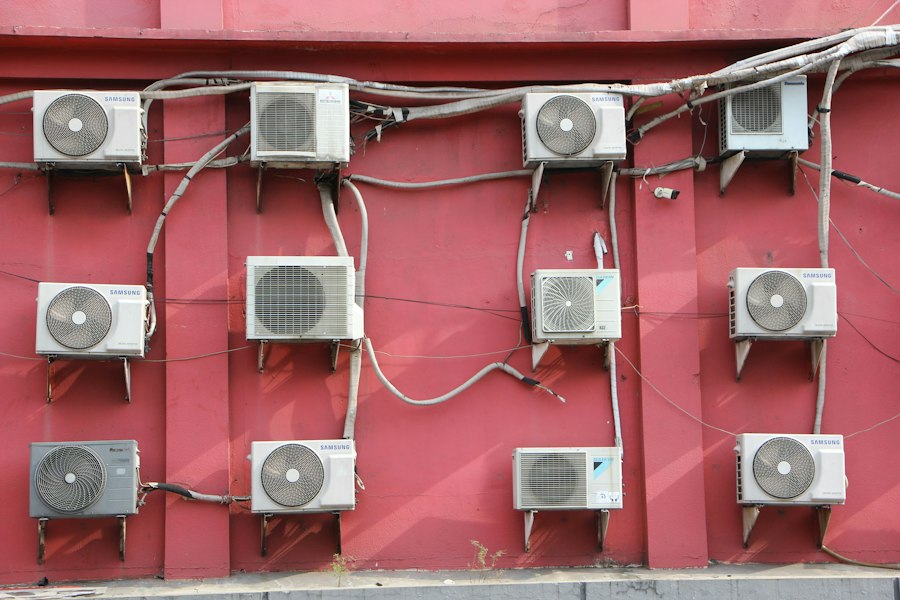
The condenser coil is located in your outdoor unit, the box that sits outside your house. This is where the heat that was absorbed from your indoor air is released into the environment. It’s the hot, gaseous refrigerant that arrives here after being compressed, carrying the unwanted thermal energy. The condenser’s job is to efficiently transfer this heat to the outside air.
The Hot Gas Arrives
After absorbing heat and evaporating inside, the refrigerant gas is compressed by the compressor. This process significantly raises its temperature and pressure, making it a very hot gas. This hot gas then travels through the copper tubing to the condenser coils in the outdoor unit. It’s now ready to shed the heat it has diligently collected from your home.
The Fan’s Role in Dissipation
Attached to the condenser coil is a large fan. This fan is essential for blowing ambient outside air across the hot condenser coils. As the outside air passes over the coils, it absorbs the heat from the hot refrigerant. This is another form of convective heat transfer, but in reverse of what happens indoors. The fan ensures a constant flow of cooler outside air to effectively “quench” the hot refrigerant, allowing it to cool down and condense back into a liquid.
Releasing Heat to the Atmosphere
The net effect is that the heat from your indoor environment, along with the heat generated by the compressor itself, is now being expelled into the outdoor air. This is why the air blowing from your outdoor AC unit feels warm, even on a hot day. Your AC is essentially a heat pump, moving heat from your cool interior to the even warmer exterior. The continuous operation of the fan and the heat exchange process in the condenser coils allow for the efficient disposal of this unwanted thermal energy.
The Refrigerant Cycle: A Continuous Journey
The refrigerant doesn’t just go through these processes once; it’s a continuous cycle. The refrigerant is constantly flowing through a closed loop, undergoing transformations that enable the persistent removal of heat from your home. This cycle is meticulously managed by the various components of your AC system, working in concert to maintain your desired indoor temperature.
Expansion Valve: The Pressure Drop
Before entering the evaporator coil inside your home, the liquid refrigerant passes through an expansion valve (also known as a metering device). This valve dramatically reduces the pressure of the refrigerant. This sudden drop in pressure causes the refrigerant to cool down significantly, preparing it to absorb heat in the evaporator. Think of spraying an aerosol can; the liquid inside becomes cold as it rapidly expands and turns into a gas. This controlled pressure drop is a critical step in initiating the cooling process.
The Cycle Repeats: From Warm to Cool and Back
Once the refrigerant has released its heat in the condenser and returned to a liquid state, it’s ready to begin the cycle anew. It travels back towards the expansion valve, where its pressure and temperature will be reduced, and then into the evaporator coils to pick up more heat. This continuous loop, driven by the compressor and facilitated by the phase changes of the refrigerant, ensures that your air conditioner can efficiently and consistently cool your home, moving heat from where you don’t want it to where it will dissipate.
When an air conditioning unit operates, it not only cools the air inside a space but also removes heat, which is then expelled outside. This process raises questions about what happens to the heat that is removed. For a deeper understanding of this phenomenon, you can explore a related article that discusses the science behind air conditioning systems and their impact on the environment. To learn more about this topic, check out this informative piece on heat removal in air conditioning.
The Efficiency Factor: Why Some ACs Work Better
| Aspect | Description | Typical Values / Metrics |
|---|---|---|
| Heat Removed from Indoor Air | Amount of heat extracted from the indoor environment by the evaporator coil. | 5,000 – 24,000 BTU/hr (1.5 – 7 kW) for residential units |
| Heat Rejected to Outdoor Air | Heat expelled to the outside environment by the condenser coil, including the heat removed plus the compressor work. | Typically 20-30% higher than heat removed; e.g., 6,000 – 30,000 BTU/hr |
| Compressor Work (Electrical Energy Input) | Energy consumed by the compressor to transfer heat from inside to outside. | 1,000 – 5,000 BTU/hr (0.3 – 1.5 kW) depending on unit size and efficiency |
| Heat Transfer Process | Heat absorbed inside is carried by refrigerant and released outside, plus additional heat from compressor work. | Heat rejected = Heat removed + Compressor work |
| Effect on Outdoor Temperature | Outdoor air temperature near condenser increases due to heat rejection. | Temperature rise of 5-15°F (3-8°C) around condenser unit |
Not all air conditioners are created equal when it comes to how effectively they move heat. Several factors influence an AC’s efficiency, including its design, the condition of its components, and how it’s maintained. Understanding these elements can help you make informed decisions about your cooling system and ensure it’s operating at its best.
SEER and EER Ratings: Measuring Performance
You’ve likely seen labels on AC units with ratings like SEER (Seasonal Energy Efficiency Ratio) or EER (Energy Efficiency Ratio). These numbers are your indicators of how efficiently the unit transfers heat. A higher SEER or EER rating means the AC uses less energy to provide the same amount of cooling. This translates to lower electricity bills and a smaller environmental footprint. Essentially, a more efficient unit can move more heat for every unit of energy consumed.
Maintenance: Keeping the Heat Transfer Flowing
Regular maintenance is crucial for your AC’s efficiency. Dirty air filters restrict airflow, forcing the system to work harder and reducing its ability to transfer heat. Dirty condenser coils on the outdoor unit can’t release heat effectively, leading to higher operating temperatures and decreased performance. Similarly, a refrigerant leak means the system doesn’t have enough of the heat-carrying substance to do its job properly. Professional tune-ups can address these issues, ensuring optimal heat transfer and longevity of your system.
Proper Sizing and Installation: The Foundation of Efficiency
An AC unit that is too large or too small for your home will struggle to operate efficiently. An oversized unit will cool your home too quickly, leading to short cycling (turning on and off frequently). This prevents proper dehumidification and can create uneven temperatures. An undersized unit will run constantly without adequately cooling your home. Proper sizing and professional installation are paramount to ensuring your AC can efficiently manage heat transfer and keep you comfortable.
In conclusion, your air conditioner is a sophisticated device that doesn’t magically create cold. Instead, it’s a masterful orchestrator of heat transfer, employing a closed-loop system with a refrigerant to move unwanted thermal energy from the comfortable interior of your home to the vast expanse of the outside world. By understanding the roles of the evaporator, compressor, and condenser, and by appreciating the continuous journey of the refrigerant, you gain a clearer picture of how this essential appliance keeps you cool during the hottest months. And by prioritizing regular maintenance and ensuring proper sizing, you can maximize its efficiency and enjoy lasting comfort for years to come.

Your AC Blows Hot Air Outside. Is That Heat From Your Room?
FAQs
1. What happens to the heat removed by an AC unit?
When an AC unit removes heat from the indoor air, it transfers that heat to the outdoor environment.
2. How does an AC unit remove heat from the air?
AC units remove heat from the air through a process called refrigeration, where refrigerant absorbs heat from the indoor air and releases it outside.
3. Where does the heat go after being removed by the AC unit?
The heat removed by the AC unit is expelled outside through the condenser coils, where it is released into the outdoor air.
4. Can the heat removed by an AC unit be reused or recycled?
The heat removed by an AC unit is typically dissipated into the atmosphere and cannot be reused or recycled for other purposes.
5. Why is it important for an AC unit to effectively remove heat from the indoor air?
Efficient removal of heat by an AC unit is crucial for maintaining a comfortable indoor temperature and humidity levels, as well as for ensuring the proper functioning of the cooling system.