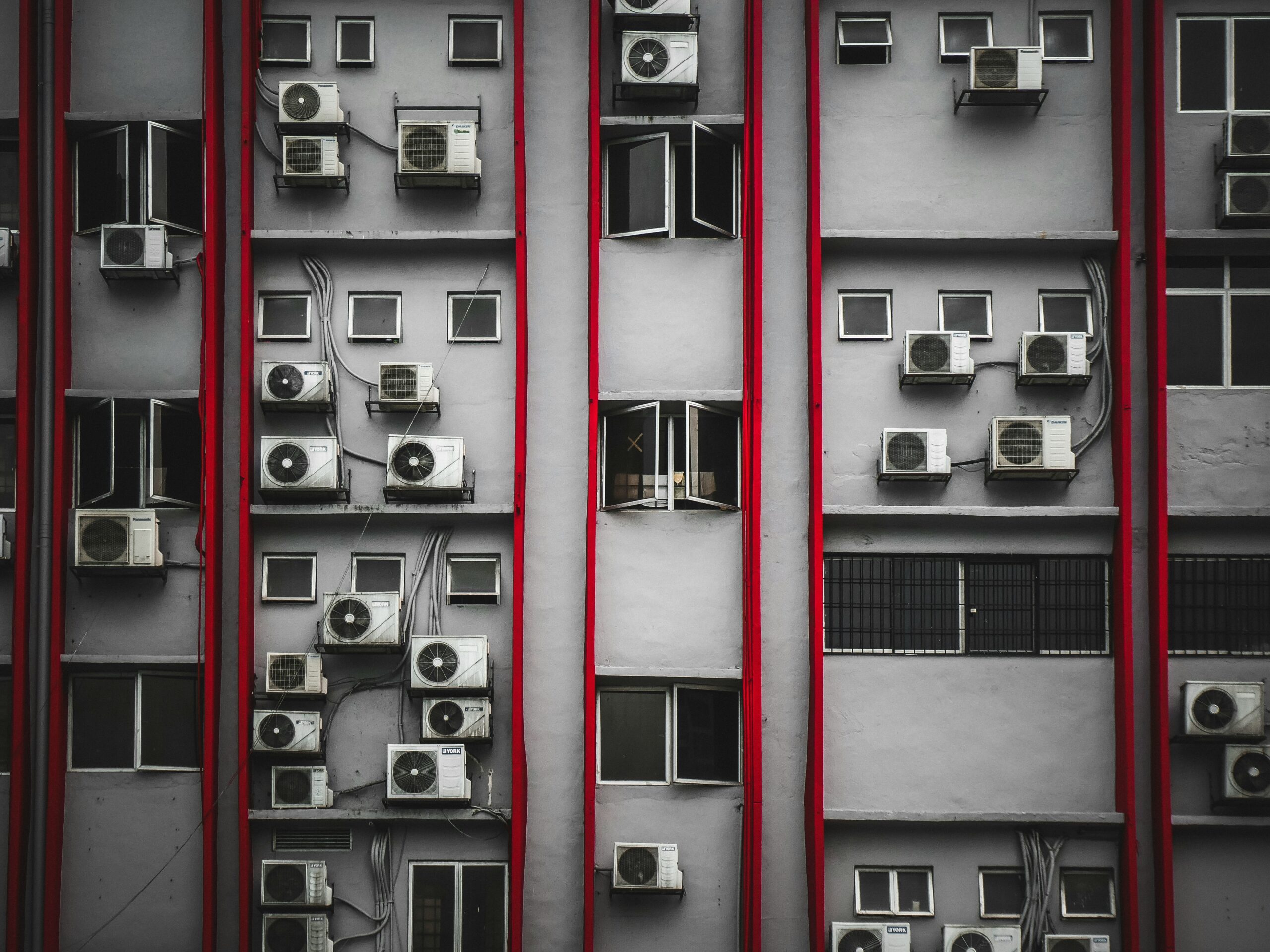
You’ve probably stood in front of your window air conditioner, feeling the cool breeze emanating from the front, and wondered, “Where does all that hot air go?” It seems like magic, doesn’t it? You have a box blowing cold air into your room, and yet you don’t see any heat accumulating in the room itself. The answer, as you might suspect, isn’t magic, but a clever application of thermodynamics and some essential mechanical components working in harmony. To truly understand this phenomenon, you need to delve into the inner workings of your window AC unit and follow the journey of heat as it’s extracted from your living space and unceremoniously ejected outdoors.
The Core Principle: Thermodynamics in Action
At its heart, your window AC unit is a refrigerator for your room. Both appliances operate on the same fundamental principle: moving heat from a cooler place to a warmer place. This might sound counterintuitive – we usually think of heat naturally flowing from hot to cold. However, a refrigeration cycle, like the one in your AC, uses mechanical work and a special fluid to force this heat transfer in the opposite direction. It’s not about creating cold; it’s about removing heat.
The Refrigerant: The Heat-Moving Hero
The unsung hero of your air conditioner is the refrigerant. This is a specialized chemical compound with a very low boiling point, meaning it can easily transition between a liquid and a gas state at relatively low temperatures and pressures. Common refrigerants used in older units include R-22 (Freon), but newer units typically use more environmentally friendly options like R-410A. This refrigerant circulates in a closed loop within the AC unit, undergoing a series of phase changes that are crucial for its heat-moving capabilities. Think of it as a tiny, tireless courier, constantly picking up heat in one place and dropping it off in another.
The Cycle of Heat Transfer
The entire process relies on a cycle of evaporation and condensation. The refrigerant, in its liquid state, absorbs heat from the air inside your room. As it absorbs this heat, it evaporates into a gas. This gaseous refrigerant then travels to the outdoor portion of the AC unit, where it is compressed, increasing its temperature and pressure. Finally, in the outdoor unit, this hot, gaseous refrigerant releases its absorbed heat to the outside air, condensing back into a liquid. This liquid refrigerant then returns to the indoor unit to begin the cycle anew. It’s a continuous loop, and as long as the unit is running, this process of heat absorption and rejection is occurring.
When exploring the mechanics of a window air conditioner, it’s essential to understand where the heat goes during the cooling process. For a deeper dive into the science behind air conditioning systems and their efficiency, you can check out this informative article on Freaky Science. It provides insights into the principles of thermodynamics that govern how heat is transferred and managed in various cooling systems, including window units.
The Indoor Unit: The Heat Grabber

The part of your window AC unit that you interact with most – the part that blows cool air into your room – is responsible for the initial act of heat removal. This is where the magic, or rather, the thermodynamics, truly begins its work on your indoor environment. Understanding this section is key to appreciating how your room gets cooler.
The Evaporator Coil: Where Heat Meets Its Match
Inside the indoor unit, you’ll find the evaporator coil. This is a network of thin, finned tubes through which the cold, liquid refrigerant flows. As the indoor fan draws warm room air across these fins, the heat from the air is transferred to the refrigerant inside the tubes. Because the refrigerant is at a very low temperature and pressure, it readily absorbs this heat, causing it to evaporate from a liquid into a low-pressure gas. This absorption of heat is what cools the air that is then blown back into your room. The fins on the coil significantly increase the surface area for heat exchange, making the process more efficient. Think of it like a radiator, but in reverse, designed to absorb heat rather than dissipate it.
The Indoor Fan: Circulating the Coolness
The indoor fan plays a vital role in this heat-grabbing process. It continuously pulls warm air from your room, forces it across the cold evaporator coil, and then pushes the now-cooled air back into the room. This circulation is essential for maintaining a consistent cool temperature. Without the fan, the cool air would simply remain around the coil, and the warm air would stagnate. The fan ensures that the heat exchange is constantly happening across the entire volume of your room, making the cooling effect noticeable and effective.
The Outdoor Unit: The Heat Expeller

Now, let’s turn our attention to the part of the AC unit that you typically don’t see or interact with directly, but which is absolutely crucial for the entire cooling process: the outdoor unit. This is where all the heat that was extracted from your room is ultimately dumped.
The Compressor: The Heat Intensifier
The gaseous refrigerant, now carrying the heat it absorbed from your room, travels from the indoor unit to the compressor, which is usually located in the outdoor unit. The compressor’s job is to increase the pressure and, consequently, the temperature of the refrigerant gas significantly. It does this by physically squeezing the gas molecules together. This increased temperature is essential because, for the heat to be transferred to the outside air, the refrigerant must be hotter than the ambient outdoor temperature. If it weren’t hotter, heat would naturally flow back into the AC unit, and your room would never cool down.
The Condenser Coil: Releasing the Burden
After being compressed, the hot, high-pressure gaseous refrigerant flows into the condenser coil, also located in the outdoor unit. This coil is designed similarly to the evaporator coil, with fins to increase surface area. The outdoor fan blows ambient outside air across these fins. Since the refrigerant in the condenser coil is now much hotter than the outside air, heat naturally transfers from the refrigerant to the outside air. As the refrigerant loses heat, it cools down and condenses back into a high-pressure liquid. This is the point where the heat you wanted out of your room is finally released into the environment. You can often feel this hot air being blown out of the outdoor portion of your window AC unit, especially on a hot day.
The Journey of Heat: A Complete Picture
To truly grasp where the heat goes, you need to visualize the entire closed loop of the refrigerant. It’s not just about heat being sucked out of your room and vanishing; it’s a journey with distinct stages.
From Room to Refrigerant: The Evaporation Phase
The process begins with the warm air in your room. This air is drawn by the indoor fan over the cold evaporator coil. The refrigerant within this coil is in a liquid state at low pressure and temperature. As the warm room air contacts the coil, heat energy is transferred from the air to the refrigerant. This heat absorption causes the refrigerant to boil and transform into a gas. This is the “evaporation” phase. The air, now stripped of some of its heat, is cooler and is blown back into your room. The refrigerant, now a low-pressure gas laden with heat, is ready for its next stop.
To the Compressor: Concentrating the Heat
The gaseous refrigerant then travels through the connecting tubes to the compressor in the outdoor unit. The compressor acts like a pump, pressurizing the refrigerant gas. This compression dramatically increases the temperature of the refrigerant. Imagine squeezing a sponge; the molecules get closer and hotter. This hot, high-pressure gas is now primed to release its heat to the even hotter outside environment.
To the Outdoors: The Condensation and Release
The superheated refrigerant gas then flows into the condenser coil in the outdoor unit. The outdoor fan blows ambient air across these coils. Because the refrigerant is now hotter than the surrounding air, heat transfers from the refrigerant to the outdoor air. This heat loss causes the refrigerant to condense back into a liquid. This liquid refrigerant, still under pressure, then travels back towards the indoor unit, ready to start the cycle again by entering the expansion valve (which reduces its pressure and temperature, preparing it for the evaporator coil). The heat you feel being blown out of the outdoor unit is precisely this released thermal energy.
When considering how a window air conditioner operates, it’s essential to understand where the heat goes during the cooling process. The unit absorbs heat from the indoor air and expels it outside, effectively lowering the temperature in your living space. For a more in-depth exploration of this topic, you can check out a related article that delves into the mechanics of air conditioning systems and their efficiency. This informative piece can be found here, providing valuable insights into how these devices manage heat transfer.
The Role of the Expansion Valve: Controlling the Flow
| Component | Heat Transfer Location | Percentage of Heat Removed | Description |
|---|---|---|---|
| Evaporator Coil (Indoor) | Inside the room | 100% of indoor heat absorbed | Absorbs heat from indoor air, cooling the room air |
| Compressor | Releases heat to outdoor coil | Heat plus compressor work | Compresses refrigerant, increasing temperature and pressure |
| Condenser Coil (Outdoor) | Outside environment | Heat from indoor air + compressor work | Releases absorbed heat and compressor-generated heat to outside air |
| Air Flow | Indoor and outdoor air streams | N/A | Indoor air loses heat; outdoor air gains heat expelled by condenser |
While we’ve focused on the coils and the compressor, there’s another crucial component that orchestrates the entire cycle: the expansion valve (or a similar throttling device). This seemingly simple component plays a critical role in preparing the refrigerant for its heat-absorbing task.
Regulating Pressure and Temperature
As the high-pressure liquid refrigerant returns from the outdoor unit, it encounters the expansion valve. This valve restricts the flow of the refrigerant, causing a significant drop in its pressure and temperature. This sudden decompression causes the liquid refrigerant to partially flash into a gas, creating a very cold, low-pressure mixture. This super-cooled, low-pressure state is essential for the refrigerant to effectively absorb heat from the warmer room air in the evaporator coil. Without the expansion valve, the refrigerant would remain too warm and at too high a pressure to efficiently pick up heat, rendering the entire cooling process ineffective. It’s the gatekeeper that sets the stage for the refrigerant to become a heat-grabbing champion.
Preparing for the Next Cycle
By precisely controlling the flow and pressure of the refrigerant, the expansion valve ensures that the right amount of refrigerant enters the evaporator coil at the correct temperature. This optimized state allows the refrigerant to absorb the maximum amount of heat from your room air before it cycles back to the compressor. It’s a crucial step in maintaining the efficiency and effectiveness of your window air conditioner, ensuring that the cycle of heat removal and expulsion continues seamlessly. You can think of it as the precise timing mechanism that allows the whole system to function as intended.

Your AC Blows Hot Air Outside. Is That Heat From Your Room?
FAQs
1. How does a window air conditioner work to cool a room?
Window air conditioners work by taking in warm air from the room, cooling it using a refrigerant, and then releasing the cooled air back into the room while expelling the heat outside.
2. Where does the heat go in a window air conditioner?
The heat removed from the indoor air is expelled outside through the back of the air conditioner unit. This is why you may feel warm air blowing outside when the air conditioner is running.
3. What is the purpose of the exhaust hose in a window air conditioner?
The exhaust hose in a window air conditioner is used to release the hot air generated during the cooling process outside of the room. This helps maintain a consistent cooling effect inside the room.
4. Can a window air conditioner cool a room without expelling heat outside?
No, a window air conditioner needs to expel the heat outside in order to effectively cool the room. If the heat is not properly vented, the air conditioner will not be able to efficiently cool the room.
5. How can I improve the efficiency of a window air conditioner in expelling heat?
To improve the efficiency of a window air conditioner in expelling heat, make sure the exhaust hose is properly installed and not blocked. Additionally, keeping the area around the air conditioner unit clear of obstructions will help the heat dissipate more effectively.