You’ve probably heard the term “refrigerant” thrown around when talking about air conditioners. It’s the magical stuff that makes your home cool and comfortable, especially when those sweltering summer days hit. But what exactly is this refrigerant, and where does it live within your air conditioning system? You might picture it as a liquid sloshing around, but the reality is far more complex and fascinating. The refrigerant lines, those copper tubes that snake from your outdoor unit to your indoor air handler, are the arteries of your AC, carrying this vital substance through its transformative cycle. Understanding what’s inside them isn’t just for HVAC technicians; it’s for you, the homeowner who relies on this technology to escape the heat. This article will peel back the layers and reveal the secrets held within your air conditioner’s refrigerant lines, demystifying the science behind your comfort.
The Invisible Workhorse: What Refrigerant Truly Is
The term “refrigerant” itself can be a bit of a misnomer. While it certainly refrigerates your home, it doesn’t actually get consumed in the process. Instead, it acts as a working fluid, constantly changing its state – from liquid to gas and back again – to absorb heat from your indoor air and release it outside. Think of it as a heat sponge. This continuous cycle of evaporation and condensation is the core principle behind how your air conditioner cools your home. Modern refrigerants are specifically engineered for this purpose, designed to have low boiling points and high latent heats of vaporization, meaning they can absorb a significant amount of heat as they transition from liquid to gas.
The Evolution of Refrigerant Chemistry
The refrigerants you find in today’s air conditioners are the result of decades of scientific advancement and, unfortunately, some environmental lessons learned. Early refrigeration systems, dating back to the late 19th and early 20th centuries, often used substances like ammonia, sulfur dioxide, and methyl chloride. While effective, these were highly toxic and flammable, posing significant safety risks. The development of chlorofluorocarbons (CFCs) and later hydrochlorofluorocarbons (HCFCs) in the mid-20th century revolutionized the industry. These chemicals, like the well-known R-12 and R-22, were non-toxic, non-flammable, and incredibly efficient. However, their widespread use led to a devastating discovery: they were depleting the Earth’s ozone layer. This led to international agreements like the Montreal Protocol, which phased out CFCs and HCFCs.
The Era of HFCs and Beyond
The refrigerant landscape has continued to evolve. Hydrofluorocarbons (HFCs) emerged as the primary replacements for HCFCs. Refrigerants like R-410A, commonly found in newer systems, are highly efficient and do not deplete the ozone layer. However, HFCs have a high global warming potential (GWP), meaning they contribute significantly to climate change if released into the atmosphere. This has prompted a new wave of innovation, leading to the development of hydrofluoroolefins (HFOs) and natural refrigerants like propane (R-290) and carbon dioxide (R-744). These newer alternatives have much lower GWPs, addressing the environmental concerns associated with HFCs. You’ll increasingly see systems designed for these next-generation refrigerants, a testament to the ongoing commitment to sustainability in the HVAC industry.
Air conditioner refrigerant lines play a crucial role in the cooling process by transporting refrigerant between the indoor and outdoor units. Understanding the components and functions of these lines can help homeowners maintain their air conditioning systems more effectively. For a deeper insight into the science behind air conditioning and the materials involved, you can read a related article at Freaky Science. This resource provides valuable information that can enhance your knowledge of HVAC systems and their operation.
The Lifeblood of Cooling: Refrigerant’s Role in the Cycle

The refrigerant lines are not just passive tubes; they are conduits for a dynamic process. The refrigerant’s journey through these lines is a continuous loop, expertly orchestrated by the components of your air conditioning system. It’s a closed system, meaning the refrigerant should ideally never escape. The efficiency and longevity of your AC depend heavily on the integrity of these lines and the correct charge of refrigerant within them.
Evaporation: The Cooling Process Begins
Your air conditioner works by exploiting the principle that when a liquid evaporates, it absorbs heat from its surroundings. Inside your home, in the evaporator coil (usually located within your indoor air handler), the liquid refrigerant is at low pressure and temperature. As warm air from your house is blown across this coil, the heat from the air is transferred to the refrigerant. This heat causes the refrigerant to absorb energy and transition from a liquid to a low-pressure gas. As it absorbs this heat, the refrigerant cools the air, which is then circulated back into your home, providing that comforting coolness. The refrigerant lines connected to the evaporator coil carry this low-pressure gas away to the compressor.
Compression: Raising the Stakes (and the Temperature)
Once the refrigerant has absorbed the heat from your home and turned into a gas, it travels through the larger of the two refrigerant lines to the compressor, located in your outdoor unit. The compressor is the heart of the AC system. Its job is to take this low-pressure, low-temperature gas and compress it. This compression significantly increases both the pressure and the temperature of the refrigerant gas. Imagine squeezing a sponge – the pressure increases, and in the case of the refrigerant, so does its heat content. This superheated gas is now ready to release the heat it has absorbed.
Condensation: Releasing the Heat Outdoors
The high-pressure, high-temperature refrigerant gas then flows through the smaller of the two refrigerant lines to the condenser coil, also in your outdoor unit. Here, the hot refrigerant gas is exposed to the cooler outdoor air. A fan in the outdoor unit blows air across the condenser coils, facilitating the transfer of heat from the refrigerant to the outside environment. As the refrigerant loses heat, it condenses back into a high-pressure liquid. This is why your outdoor unit feels warm and emits heat – it’s actively shedding the heat from your home.
Expansion: Preparing for Another Round
Finally, the high-pressure liquid refrigerant travels through the refrigerant lines back towards your indoor unit. Before it reaches the evaporator coil again, it passes through an expansion valve (or a capillary tube in some older systems). This device acts like a nozzle, causing a sudden drop in pressure and temperature. This abrupt expansion is crucial because it cools the refrigerant back down to the low temperature and pressure required for it to start absorbing heat again in the evaporator coil. The cycle then repeats, continuously removing heat from your home and keeping you cool.
The Anatomy of the Refrigerant Lines
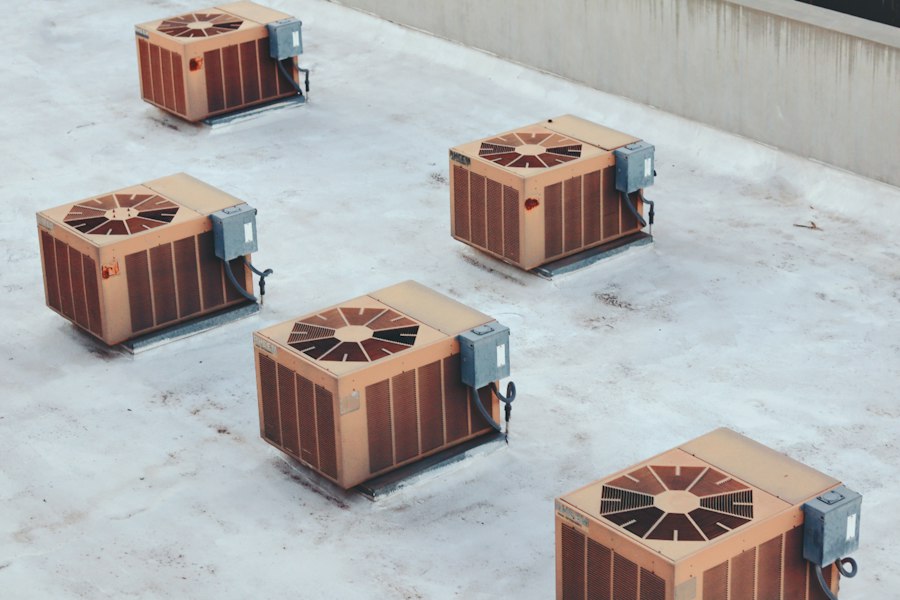
Those copper tubes aren’t just simple plumbing. They are specifically chosen and installed for a reason, and their condition is paramount to your AC’s performance. They are designed to withstand the pressure and temperature fluctuations of the refrigerant, and their insulation plays a vital role in efficiency.
Copper: The Preferred Material
You’ll almost always find refrigerant lines made of copper. Copper is an excellent conductor of heat, which is essential for efficient heat transfer within the AC system. It’s also malleable, making it easy to bend and shape during installation, allowing technicians to route the lines effectively around obstacles. Furthermore, copper is resistant to corrosion, ensuring a long lifespan for the lines, even when exposed to various environmental conditions. The smooth interior surface of copper tubing also minimizes resistance to refrigerant flow, further contributing to the system’s efficiency.
The Two Distinct Tubes: Suction and Liquid
When you look at the refrigerant lines connecting your indoor and outdoor units, you’ll notice two distinct tubes, typically of different diameters. These represent the two main stages of the refrigerant’s journey. The larger, insulated line is the “suction line” or “vapor line.” It carries the low-pressure, low-temperature refrigerant gas from the evaporator coil in your indoor unit to the compressor in your outdoor unit. The insulation on this line is crucial because it prevents the cold gas from absorbing unwanted heat from the ambient air as it travels, and it also prevents condensation from forming on the outside of the pipe. The smaller, uninsulated line is the “liquid line.” It carries the high-pressure liquid refrigerant from the condenser coil in your outdoor unit to the expansion valve in your indoor unit. Because this line carries warmer liquid, it doesn’t require insulation, although some systems might have minimal insulation to prevent minor condensation.
The Importance of Insulation
The insulation on the suction line is far more than just a cosmetic addition; it’s a critical component for energy efficiency. As we’ve discussed, the refrigerant in the suction line is cold. Without insulation, the warmer air surrounding the line would transfer heat to the cold gas. This would mean the compressor would have to work harder to cool the refrigerant further before it enters the evaporator, leading to increased energy consumption and reduced cooling capacity. The insulation acts as a barrier, minimizing heat gain and ensuring that the refrigerant arrives at the compressor at the optimal temperature and pressure for efficient operation. It also prevents the formation of condensation on the outside of the pipe, which can lead to water damage on surrounding surfaces if left unchecked.
Potential Problems Lurking Within the Lines
While refrigerant lines are designed for durability, they are not immune to issues. These problems can significantly impact your air conditioner’s performance, leading to discomfort and potentially costly repairs. Regular maintenance is key to identifying and addressing these issues before they become major problems.
Refrigerant Leaks: The Silent Killer of Performance
One of the most common and detrimental problems that can affect refrigerant lines is a leak. Refrigerant leaks can occur due to various reasons, including corrosion, vibration-induced cracks, or damage from external impacts. When refrigerant leaks out, the system loses its cooling capacity. You might notice that your AC is not cooling as effectively, or that it’s blowing warm air. You might also hear hissing or bubbling sounds coming from the outdoor unit or near the refrigerant lines. A significant leak can lead to the compressor overheating and damaging itself, as it relies on the refrigerant for lubrication and cooling.
Contamination: More Than Just Dirt
The refrigerant lines should ideally contain only the refrigerant and a small amount of specialized lubricating oil for the compressor. However, the system can become contaminated with air, moisture, or debris. Air and moisture are particularly problematic. If air enters the system, it can reduce the system’s efficiency and potentially lead to compressor damage due to increased operating pressures. Moisture, when combined with refrigerant, can form acids that corrode internal components. Debris, such as solder flux or metal shavings from installation, can clog the expansion valve or other critical parts, hindering refrigerant flow.
Blockages and Restrictions: Hindering the Flow
Blockages or restrictions within the refrigerant lines can also cause significant problems. These can be caused by kinks in the tubing, debris that has entered the system, or even the formation of ice if there’s a significant moisture issue. A restriction in the liquid line, for instance, can prevent sufficient refrigerant from reaching the evaporator coil, leading to poor cooling. A blockage in the suction line can starve the compressor of refrigerant, causing it to overheat. You might notice unusual noises, fluctuating pressures, or a complete loss of cooling when these blockages occur.
Understanding the components of air conditioning systems can be quite fascinating, especially when it comes to the refrigerant lines that play a crucial role in cooling. These lines are filled with refrigerant, a substance that absorbs and releases heat as it circulates through the system, ensuring that your indoor environment remains comfortable. For a deeper dive into the science behind refrigerants and their functions, you might find this article on Freaky Science particularly enlightening. It explores various aspects of how refrigerants work and their importance in modern HVAC systems.
Maintaining the Integrity of Your Refrigerant Lines
| Component | Description | Function | Typical Pressure Range (psi) | Temperature Range (°F) |
|---|---|---|---|---|
| Refrigerant | Fluid inside the lines, commonly R-410A or R-22 | Absorbs and releases heat to cool air | Low side: 60-100 High side: 150-300 |
-40 to 150 |
| Suction Line | Larger diameter line carrying low-pressure refrigerant gas | Returns refrigerant vapor from evaporator to compressor | 60-100 | 40-70 (cool) |
| Liquid Line | Smaller diameter line carrying high-pressure liquid refrigerant | Delivers liquid refrigerant from condenser to expansion valve | 150-300 | 90-130 (warm) |
| Oil | Lubricant mixed with refrigerant | Lubricates compressor moving parts | N/A | Varies |
| Moisture and Contaminants | Unwanted particles or water vapor | Can cause corrosion and blockages | N/A | N/A |
The health of your air conditioner’s refrigerant lines is directly linked to the health and efficiency of your entire cooling system. Proactive maintenance and careful handling can prevent many common issues and ensure your AC operates at its peak performance for years to come.
The Role of Regular Professional Inspections
Your air conditioner is a complex piece of machinery, and its refrigerant lines are a crucial, albeit often unseen, part. The single most effective way to ensure the integrity of these lines is through regular professional inspections by a qualified HVAC technician. During routine maintenance, a technician will check the refrigerant levels, inspect the lines for any signs of leaks, corrosion, or damage, and ensure the insulation is intact. They can also check for proper system pressures and temperatures, which can indicate underlying issues within the refrigerant lines or other components. Catching small problems early during these inspections can save you from much larger, more expensive repairs down the line.
Signs You Might Have a Refrigerant Line Issue
While professional inspections are vital, you can also be an active participant in maintaining your AC’s health by being aware of potential warning signs. If you notice a significant drop in cooling performance, especially on hot days, it could be a sign of a refrigerant leak. Any visible signs of oily residue on the refrigerant lines or around the outdoor unit can indicate a leak, as refrigerant oil often escapes with the refrigerant. Unusual noises, such as hissing, buzzing, or gurgling, coming from the outdoor unit or the lines themselves, are also cause for concern. Persistent condensation or ice buildup on the suction line is another red flag.
DIY Dos and Don’ts: What You Can and Can’t Do
It’s important to understand the limits of DIY when it comes to refrigerant lines. Never attempt to add refrigerant yourself. Refrigerant is a hazardous substance, and improper handling can lead to serious injury and damage to your AC system. Adding the wrong type or amount of refrigerant can unbalance the system and cause catastrophic failure. Similarly, attempting to repair a refrigerant leak yourself is not recommended. These systems operate under high pressures, and a faulty repair can lead to further leaks or safety hazards.
However, there are some things you can do. You can visually inspect the refrigerant lines for obvious signs of damage or corrosion. You can ensure that the area around your outdoor unit is kept clear of debris and vegetation, which can prevent airflow to the condenser coil and put undue stress on the system. You can also keep the outdoor unit clean by gently rinsing the condenser coils with a garden hose if they appear dirty (following manufacturer guidelines, of course). If you suspect any issues with your refrigerant lines, the best course of action is always to contact a qualified HVAC professional. They have the specialized tools, knowledge, and experience to diagnose and repair any problems safely and effectively, ensuring your air conditioner continues to provide you with comfort for years to come.

Your AC Blows Hot Air Outside. Is That Heat From Your Room?
FAQs
What are air conditioner refrigerant lines?
Air conditioner refrigerant lines are the copper tubes that carry refrigerant between the indoor and outdoor units of an air conditioning system.
What is inside air conditioner refrigerant lines?
Inside air conditioner refrigerant lines, there is the refrigerant gas that absorbs heat from inside the building and releases it outside, allowing the air conditioning system to cool the indoor space.
How do air conditioner refrigerant lines work?
Air conditioner refrigerant lines work by circulating refrigerant gas between the indoor evaporator coil and the outdoor condenser unit. The refrigerant absorbs heat from the indoor air, moves it outside, releases the heat, and then returns to the indoor unit to repeat the process.
Can air conditioner refrigerant lines leak?
Yes, air conditioner refrigerant lines can develop leaks over time due to factors such as corrosion, vibration, or poor installation. It is important to have any leaks repaired promptly by a professional to ensure the system operates efficiently.
How can I maintain air conditioner refrigerant lines?
To maintain air conditioner refrigerant lines, it is important to schedule regular professional maintenance to check for leaks, ensure proper refrigerant levels, and clean the system. Additionally, keeping the area around the outdoor unit clear of debris can help prevent damage to the refrigerant lines.