The sleek, glossy coat of a feline companion is often the first thing that captures the admiration of an observer. It’s a testament to their grooming habits and, more importantly, a powerful indicator of their overall well-being. While the aesthetic appeal of cat fur is undeniable, its color, texture, and condition can speak volumes about a cat’s health. For the discerning cat owner, understanding these subtle cues can be instrumental in identifying potential health issues early on, leading to quicker intervention and a better prognosis for their beloved pet. This exploration delves into how your cat’s fur color and its associated characteristics can offer insights into their health.
The Spectrum of Health: Understanding Coat Color and its Significance
The vast array of fur colors seen in domestic cats – from the deepest blacks and the purest whites to the fiery oranges and the intricate tabby patterns – is a result of genetics and pigmentation. However, a sudden or dramatic shift in these colors, or the appearance of unusual markings, can signal underlying health problems. It is crucial to note that while color itself is a starting point, it is often the changes within that color or the coat’s texture and density that are most telling.
Variations in Pigmentation and Underlying Causes
The primary pigments responsible for cat fur color are melanin, specifically eumelanin (producing black and brown hues) and phaeomelanin (producing red and yellow hues). Various genes control the production, distribution, and dilution of these pigments.
Dilution Genes and Their Health Implications
Dilution genes are responsible for lightening the base color of a cat’s fur. For example, a black cat with a dilution gene will appear as a blue-grey (often called “Russian Blue” or “Chartreux” in some breeds). Similarly, a red cat with a dilution gene will appear as cream. While dilution itself is a genetic trait, disruptions in normal pigment production can manifest as unusual dilutions or patches. For instance, some rare genetic disorders can lead to albinism, a complete lack of pigment, which not only affects fur color but also significantly increases the risk of sunburn and certain eye conditions due to the absence of protective melanin in the skin and eyes.
Chinchilla and Agouti Gene Expressions
The chinchilla gene, often seen in breeds like the Persian and Exotic Shorthair, results in a ghost-tipped effect where only the tips of the hairs are colored, leaving the base white. This creates a shimmering, ethereal appearance. The agouti gene controls the tabby pattern, causing each individual hair to have bands of light and dark pigment. Variations in the intensity and clarity of these patterns can sometimes be linked to nutritional deficiencies or hormonal imbalances, though in most cases, they are simply natural expressions of genetics.
The Impact of Illness on Coat Sheen and Texture
Beyond color, the overall condition of a cat’s fur – its shine, softness, and density – is a powerful indicator of their health. A healthy cat typically boasts a lustrous, smooth coat that lies flat against their body and is free of mats or excessive shedding.
Dullness and Brittleness: Signs of Compromised Health
A dull, dry, and brittle coat is one of the most common outward signs that something is amiss. This can be a symptom of a wide range of issues, from simple dehydration to more serious conditions.
Nutritional Deficiencies and Their Visible Effects
Cats are obligate carnivores, and their diet plays a pivotal role in the health of their skin and fur. A diet lacking essential fatty acids (omega-3 and omega-6), vitamins (especially B vitamins and vitamin A), and minerals (like zinc) can lead to a dull coat, increased shedding, and skin problems. Poor quality commercial cat food or a diet that is not balanced can contribute to these deficiencies. The fur may lose its natural oils, making it appear lifeless and feel rough to the touch.
Chronic Illnesses Affecting Coat Quality
Many systemic illnesses can indirectly impact the quality of a cat’s fur. Conditions such as kidney disease, liver disease, hyperthyroidism, diabetes, and inflammatory bowel disease can all lead to a cat feeling unwell. When a cat doesn’t feel well, their grooming habits often suffer. They may groom less frequently, leading to matting and a generally unkempt appearance. Furthermore, these illnesses can affect nutrient absorption and metabolism, directly impacting the hair follicles and the production of healthy fur. For example, a cat with chronic pain might be reluctant to groom its back and tail, leading to significant matting in those areas.
Parasitic Infestations and Their Contribution to Poor Coat
External parasites, such as fleas, ticks, and mites, can wreak havoc on a cat’s skin and coat. Flea bites cause intense itching, leading to excessive scratching, which can damage hair follicles and cause hair loss. Some cats are also allergic to flea saliva, exacerbating the problem and leading to dermatitis. Mites, like those causing mange, can cause significant hair loss, crusting of the skin, and a generally unhealthy appearance of the fur. Even internal parasites, while not directly affecting the fur’s appearance, can deplete the cat of vital nutrients, indirectly contributing to a dull coat.
Understanding the connection between a cat’s fur color and its health can be quite fascinating. For instance, certain fur colors may indicate genetic predispositions to specific health issues. If you’re interested in exploring this topic further, you might find the article on feline health and genetics insightful. You can read more about it here: Freaky Science. This resource delves into how various traits, including fur color, can provide clues about a cat’s overall well-being.
Specific Coloration and Potential Health Correlates
While a cat’s base fur color is primarily genetic, certain color patterns and their variations can sometimes be associated with specific health considerations or predispositions. It’s important to emphasize that these are not definitive diagnoses but rather observations that, when combined with other symptoms, can warrant further investigation by a veterinarian.
The Enigma of White Fur: More Than Just Appearance
White cats, often cherished for their striking appearance, have unique health considerations tied to their lack of pigment.
Deafness in White Cats
A significant correlation exists between white fur and deafness in cats, particularly in those with blue eyes. The gene responsible for the dominant white coat color is also linked to the W locus, which can affect the development of the cochlea in the inner ear. Approximately 15-30% of white cats with one blue eye are deaf in the ear on the same side as the blue eye, and about 10-20% of white cats with two blue eyes are deaf in both ears. This deafness is not a sign of illness but a congenital condition. However, deaf cats require special care to ensure their safety, as they cannot hear approaching dangers like traffic or other animals.
Sunburn and Skin Cancer Risks
The absence of melanin means that white cats have very little natural protection from the sun’s harmful ultraviolet (UV) rays. Their skin, particularly on the ears, nose, and eyelids, is highly susceptible to sunburn. Chronic sun exposure can lead to skin damage, inflammation, and, in severe cases, the development of squamous cell carcinoma, a type of skin cancer. Owners of white cats should be vigilant about protecting them from prolonged sun exposure, especially during the hottest parts of the day, and consider using pet-specific sunscreen on exposed areas.
Orange (Ginger) Cats: A Colorful Clue?
Orange, or ginger, cats are known for their vibrant coats and often their amiable personalities. While their coloration is generally benign, some anecdotal evidence and breed-specific considerations exist.
Genetic Predispositions and Coat Variations
The gene responsible for orange coloration is located on the X chromosome. This is why male cats are more likely to be solid orange, as they only have one X chromosome. Female cats, with two X chromosomes, can be orange or tortoiseshell/calico if the gene is expressed differently on each X chromosome. While not a direct health issue, the genetics of orange coloration can sometimes be intertwined with other genetic traits in certain breeds. For example, some studies have suggested a slightly higher incidence of certain heart conditions in some breeds with predominantly orange coats, but this is highly breed-dependent and not a universal rule.
Tabby Cats: Patterns of Health and Genetics
The classic tabby pattern, with its swirls, stripes, and spots, is the most common coat pattern in domestic cats. While the agouti gene is responsible for this beautiful banding, subtle variations in the pattern can sometimes be linked to overall health.
The Clarity and Vibrancy of Markings
In healthy cats, tabby markings are typically distinct and vibrant. A dulling or fading of these markings, accompanied by a general decline in coat quality, could indicate underlying health problems. As mentioned earlier, nutritional deficiencies can affect the production of pigments, potentially leading to less defined tabby patterns.
Black Cats: The Mystery and the Misconceptions
Black cats are often associated with superstition, but in reality, their coat color is a result of a high concentration of eumelanin.
Melanin and its Protective Qualities
The abundance of melanin in black cats actually offers some degree of protection against UV radiation compared to their lighter-furred counterparts. However, this does not make them immune to sunburn or skin cancer, especially on exposed areas like the nose. Changes in the depth of their blackness, or the appearance of reddish or greyish undertones, might, in some instances, be related to nutritional issues or even hormonal changes.
The Importance of Coat Changes: When to Seek Veterinary Advice

It is crucial for cat owners to understand that observing changes in their cat’s fur color, texture, or density is not always a cause for alarm. Cats naturally shed and their coats can change subtly with the seasons. However, certain changes warrant a visit to the veterinarian.
Red Flags in Coat Appearance
When a cat’s coat undergoes a significant and rapid transformation, it is a signal to pay close attention.
Sudden Hair Loss (Alopecia)
Localized or widespread hair loss, known as alopecia, is a common symptom of various health problems. It can be caused by:
- Allergies: Food allergies, environmental allergies (pollen, dust mites), or flea allergy dermatitis can lead to intense itching and subsequent hair loss.
- Infections: Bacterial or fungal skin infections (like ringworm) can cause patchy hair loss and skin lesions.
- Parasites: Mites and fleas are frequent culprits behind hair loss.
- Stress and Anxiety: In some cats, significant stress can lead to psychogenic alopecia, where they over-groom themselves to the point of hair loss.
- Underlying Medical Conditions: Hormonal imbalances (like hyperthyroidism or hypothyroidism), autoimmune diseases, and even some cancers can manifest as hair loss.
Excessive Shedding or Matting
While some shedding is normal, a sudden increase in shedding, or the development of significant mats, can indicate a problem.
- Poor Grooming: As mentioned, if a cat feels unwell, is in pain, or is overweight, they may struggle to groom themselves effectively, leading to matting.
- Nutritional Deficiencies: A lack of essential nutrients can lead to a dry, brittle coat that sheds excessively and is prone to matting.
- Skin Irritation: Constant itching from allergies or infections will cause a cat to lick and scratch excessively, leading to hair breakage and matting.
Changes in Texture and Coloration
- Greasy Coat: A greasy or oily coat that doesn’t improve with grooming can be a sign of underlying health issues, including hormonal imbalances or problems with the sebaceous glands.
- Patchy or Uneven Coloration: While some color variations are natural, sudden patches of lighter or darker fur, or the appearance of unusual speckling, could indicate issues with pigment production.
- Redness or Irritation: Any redness, swelling, or signs of irritation on the skin, especially in conjunction with coat changes, should be evaluated by a vet.
The Role of Veterinarians in Interpreting Coat Clues
A veterinarian is the most qualified professional to interpret changes in a cat’s fur. They will consider the coat’s condition in conjunction with other physical signs, the cat’s history, and may perform diagnostic tests to determine the underlying cause.
Diagnostic Approaches to Coat Abnormalities
When presented with coat issues, a veterinarian may:
- Perform a Physical Examination: This includes checking the skin for parasites, lesions, dryness, or greasiness, and assessing the overall condition of the fur.
- Conduct Skin Scrapings and Cytology: These tests can identify the presence of mites, fungi, or bacteria.
- Perform Allergy Testing: If allergies are suspected, intradermal skin testing or blood tests may be recommended.
- Analyze Blood Work: Blood tests can help diagnose systemic illnesses like kidney disease, liver disease, thyroid problems, and diabetes, all of which can affect coat health.
- Dietary Evaluation: The vet may inquire about the cat’s diet to identify potential nutritional deficiencies.
- Biopsy: In cases of suspected skin cancer or other serious skin conditions, a biopsy may be performed.
Nurturing a Healthy Coat: Prevention and Care Strategies
While genetics play a role in a cat’s fur color, maintaining a healthy coat is largely within the owner’s control through proper care and attention to their cat’s overall health.
The Foundation of a Healthy Coat: Nutrition and Hydration
A well-balanced diet is paramount for a lustrous and healthy coat.
Essential Nutrients for Fur Health
- Protein: Hair is primarily made of protein, so a diet rich in high-quality animal protein is crucial for hair growth and strength.
- Essential Fatty Acids: Omega-3 and omega-6 fatty acids are vital for maintaining skin hydration and a glossy coat. These are found in fish oils and certain plant oils.
- Vitamins: B vitamins, vitamin E, and vitamin A are important for skin and hair health.
- Minerals: Zinc is essential for cell growth and repair, including hair follicles.
The Importance of Water Intake
Adequate hydration is as important as good nutrition. Dehydration can lead to dry, brittle fur. Ensuring a cat has constant access to fresh, clean water, and encouraging water intake through various methods (fountains, wet food), is critical.
Grooming Practices for Optimal Coat Condition
Regular grooming not only keeps a cat’s coat looking its best but also provides an opportunity to check for any abnormalities.
Brushing: More Than Just Aesthetics
Brushing removes loose fur, preventing mats and reducing hairballs. It also distributes natural oils throughout the coat, enhancing its shine. The frequency of brushing depends on the cat’s fur length. Long-haired cats require daily brushing, while short-haired cats can be brushed a few times a week.
Bathing: When and How
While most cats are meticulous groomers and rarely require bathing, occasional baths may be necessary for cats with specific skin conditions, or if they have gotten into something sticky or dirty. It is important to use a cat-specific shampoo, as human shampoos can be too harsh for their delicate skin.
Environmental and Lifestyle Factors Affecting Fur
A cat’s environment and lifestyle can also influence their coat’s appearance.
Stress Reduction for a Healthy Coat
As mentioned, stress can contribute to over-grooming and hair loss. Creating a calm and stimulating environment for your cat, with plenty of places to hide, climb, and play, can help reduce stress.
Protection from Environmental Hazards
Protecting cats from excessive sun exposure, particularly white and light-colored cats, is vital to prevent sunburn and the risk of skin cancer. Keeping cats indoors or providing shaded outdoor areas can mitigate these risks.
Understanding the connection between a cat’s fur color and its health can be quite fascinating, as certain colors may indicate specific genetic traits or health issues. For instance, a recent article explores how different fur colors can be linked to various health conditions in cats, shedding light on the importance of monitoring these traits. If you’re interested in learning more about this intriguing topic, you can read the full article here. This information can be invaluable for cat owners who want to ensure the well-being of their furry companions.
Beyond Color: A Holistic View of Feline Health Through Their Fur
| Fur Color | Possible Health Indicators | Notes |
|---|---|---|
| White | Higher risk of deafness | White cats, especially those with blue eyes, are more prone to congenital deafness. |
| Black | Generally no specific health issues linked to color | Black fur is often associated with good health; however, sun exposure can cause skin issues. |
| Orange (Ginger) | Higher likelihood of male cats; some studies suggest increased risk of obesity | Orange fur is linked to the X chromosome; most orange cats are male. |
| Calico/Tortoiseshell | Mostly female; rare males may have genetic abnormalities | Male calico cats are usually sterile and may have Klinefelter’s syndrome. |
| Gray/Blue | Generally no specific health issues linked to color | Gray cats may have a slightly higher risk of skin cancer if exposed to excessive sunlight. |
| Albino (Pinkish skin with white fur) | High sensitivity to sunlight, risk of skin cancer | Albino cats lack pigment and require protection from UV rays. |
In conclusion, while a cat’s fur color is a genetic lottery, its condition – its sheen, texture, density, and freedom from abnormalities – offers a profound window into their health. A dull, brittle coat can be an early warning sign of nutritional deficiencies, chronic illnesses, or parasitic infestations. Sudden hair loss, excessive matting, or changes in skin appearance accompanying coat alterations are all signals that demand veterinary attention. By understanding these subtle cues and practicing diligent care through proper nutrition, hydration, and regular grooming, cat owners can not only ensure their feline companions look their best but, more importantly, that they are feeling their best from the inside out. The fur is not merely a beautiful covering; it is a dynamic indicator of well-being, a silent narrator of a cat’s journey through health and vitality. Therefore, observing and understanding the story your cat’s fur is telling is an essential part of responsible and loving pet ownership.
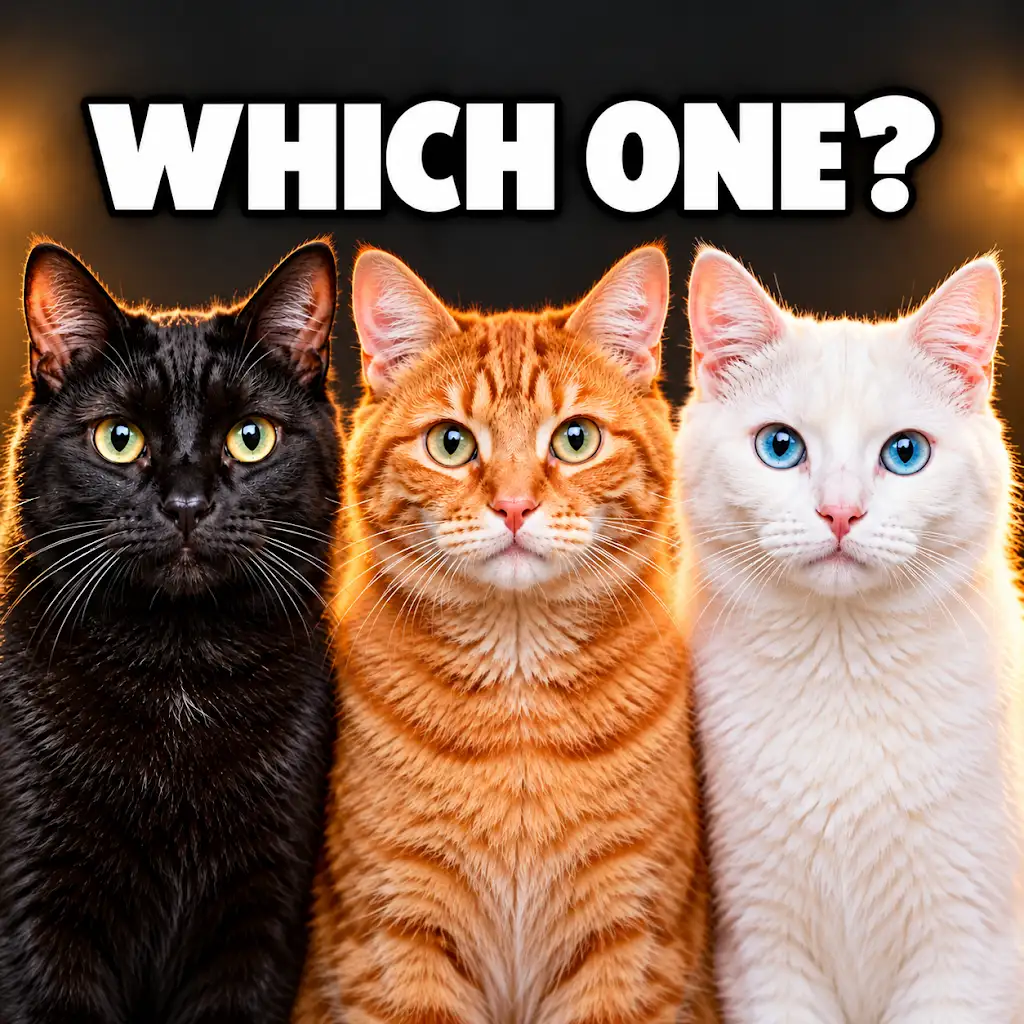
Which Cat Color Lives Longest? The Research Has a Twist
FAQs
1. What can a cat’s fur color indicate about their health?
Different fur colors in cats can be associated with certain health conditions or genetic predispositions. For example, white cats with blue eyes are more prone to deafness, while orange cats are more likely to be male.
2. Can a cat’s fur color affect their susceptibility to skin cancer?
Yes, cats with light-colored fur, such as white or cream, are more susceptible to skin cancer due to their lack of pigmentation and protection from the sun’s harmful UV rays. It is important to provide these cats with sun protection if they spend time outdoors.
3. Are there any specific health concerns associated with black cats?
Black cats are not specifically associated with any health concerns based solely on their fur color. However, all cats, regardless of fur color, should receive regular veterinary check-ups to monitor their overall health and well-being.
4. Can a cat’s fur color indicate their likelihood of developing certain allergies?
There is no direct correlation between a cat’s fur color and their likelihood of developing allergies. Allergies in cats are typically triggered by proteins found in their saliva, dander, or urine, rather than their fur color.
5. How can a cat owner use their cat’s fur color to monitor their health?
While fur color can provide some insights into potential health concerns, it is not a definitive indicator of a cat’s overall health. Cat owners should focus on regular veterinary check-ups, proper nutrition, grooming, and monitoring their cat’s behavior and habits to ensure their well-being.