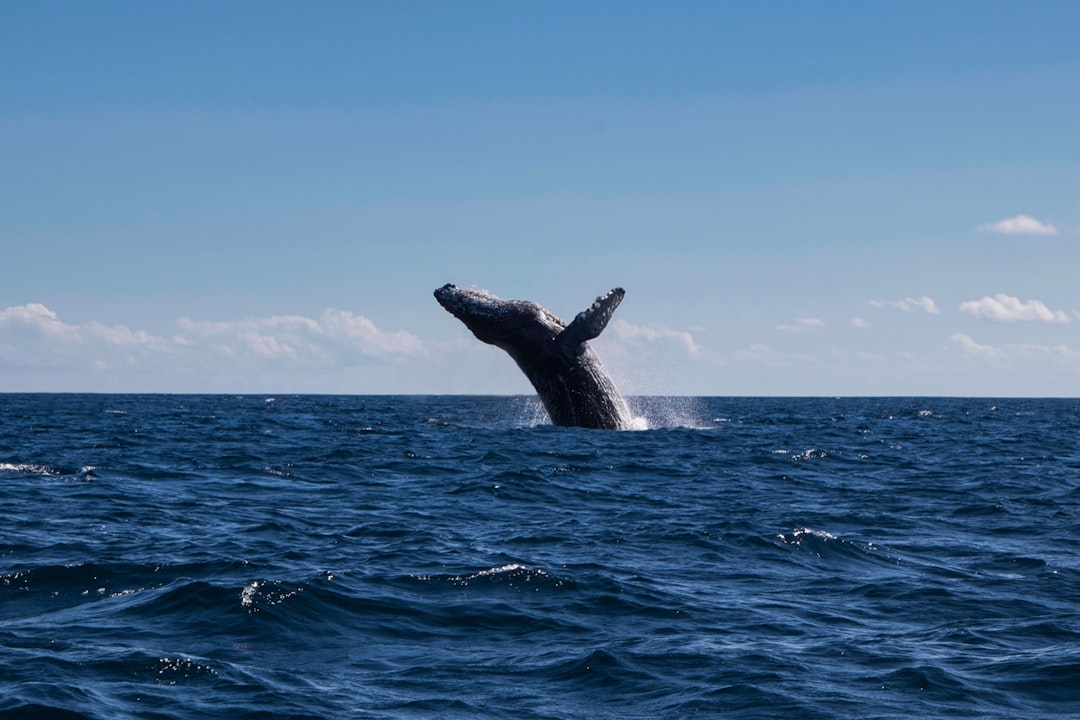
The vast, silent expanse of the ocean, a realm still largely enigmatic to humanity, is anything but devoid of conversation. Below the shimmering surface, a complex and ancient system of communication thrives, orchestrated by the planet’s largest inhabitants: whales. These marine giants, from the immense blue whale to the gregarious humpback, possess an astonishing repertoire of vocalizations, songs, and clicks that weave a sophisticated tapestry of sound through the water column. Understanding this language of the deep is not merely an academic pursuit; it is a crucial endeavor for appreciating the intricate social structures, ecological roles, and overall well-being of these magnificent creatures.
The underwater world is a surprisingly acoustically rich environment. Sound travels approximately five times faster in water than in air, and it attenuates far less over distance, allowing for communication across vast oceanic stretches. This fundamental physical property of water has shaped the evolution of marine life, particularly cetaceans, pushing them to develop elaborate auditory systems and diverse vocalizations.
The Physics of Underwater Sound
Sound waves in water behave differently than in air. The density of water allows for more efficient propagation of pressure variations, meaning a sound generated underwater can be heard by another marine animal much farther away than its aerial equivalent. This acoustic advantage is a cornerstone of whale communication.
Sound Propagation and Attenuation
While sound travels efficiently, it is not without limitations. Factors like water temperature, salinity, and depth can influence how far sound travels. Nevertheless, compared to visual cues, which are severely limited by the ocean’s opacity, sound is the primary medium for long-distance interaction.
Frequency Ranges and Their Uses
Whale vocalizations span an impressive range of frequencies. Low-frequency sounds, like the powerful moans of blue whales, can travel for hundreds, even thousands, of kilometers, likely used for inter-group communication or to gauge the vastness of their environment. High-frequency clicks, characteristic of toothed whales, are used for echolocation and shorter-range communication.
Beyond Human Perception: The Ultrasonics and Infrasonics
Many whale vocalizations fall outside the range of human hearing. While humans can typically hear frequencies between 20 Hz and 20 kHz, whales utilize frequencies both below (infrasound) and above (ultrasound) this spectrum.
Infrasound: The Earth-Shaking Murmurs
The infrasonic calls of some baleen whales, particularly the fin whale and blue whale, are incredibly powerful and can travel immense distances. These low-frequency vibrations might serve to communicate across entire ocean basins, perhaps for breeding purposes or to sense changes in the oceanic environment.
Ultrasound: The Precise Clicks of Toothed Whales
Toothed whales, such as dolphins and sperm whales, are masters of ultrasound. Their rapid, high-frequency clicks are not only used for echolocation to navigate and hunt in the murky depths but also for intricate social exchanges.
Whales are known for their complex communication methods, which include a variety of sounds such as songs, clicks, and whistles. These vocalizations play a crucial role in their social interactions and navigation in the vast ocean. For a deeper understanding of how these magnificent creatures communicate underwater, you can explore a related article that delves into the science behind whale communication. Check it out here: Whale Communication.
The Symphony of Baleen Whales: Songs of the Giants
Baleen whales, characterized by their baleen plates instead of teeth, are renowned for their complex and often beautiful vocalizations, most famously the songs of the humpback whale. These songs, however, are not limited to humpbacks, with other baleen species also possessing unique sound repertoires.
Humpback Whale Songs: An Evolving Opera
The most extensively studied and iconic whale vocalizations are those of the humpback whale. Male humpbacks produce long, complex, and ever-changing songs, particularly during the breeding season.
Song Structure and Complexity
Humpback songs are not random arrangements of sounds. They are highly structured, consisting of repeating phrases and themes that can last for minutes and hours. These songs are not static; they evolve over time, with entirely new songs emerging and spreading through populations.
The Purpose and Function of Humpback Songs
The precise function of humpback songs remains a subject of ongoing research. Hypotheses include attracting females, competing with other males, establishing dominance, or even mapping their environment. The shared nature of songs within a population suggests a significant role in social cohesion and mating.
Geographic Variation and Cultural Transmission
Interestingly, humpback songs exhibit regional dialects. For example, whales in the North Atlantic sing different songs than those in the North Pacific. Furthermore, songs can spread rapidly through a whale population, leading to dramatic shifts in the dominant song over short periods, suggesting a form of cultural transmission analogous to human learning.
Other Baleen Whale Vocalizations: Beyond the Song
While humpbacks are the most celebrated singers, other baleen whales also communicate through distinct sounds.
Blue Whale’s Earth-Shattering Groans
The blue whale, the largest animal on Earth, produces incredibly powerful, low-frequency calls that have been detected thousands of kilometers away. These calls are often described as groans or moans and are thought to be crucial for long-distance communication in their vast oceanic habitats.
Fin Whale’s Resonant Pulses
Fin whales emit a series of rhythmic, low-frequency pulses, often referred to as “gunshots.” These sounds are also capable of traveling great distances and have been hypothesized to play a role in long-range communication, territorial signaling, or even mating.
Sei Whale’s Staccato Calls
Sei whales produce a variety of sounds, including pulses and downswept frequency calls. Their vocalizations are generally higher in frequency than those of blue and fin whales and are thought to be used for shorter-range communication.
The Clicks and Whistles of Toothed Whales: Intelligence and Echolocation
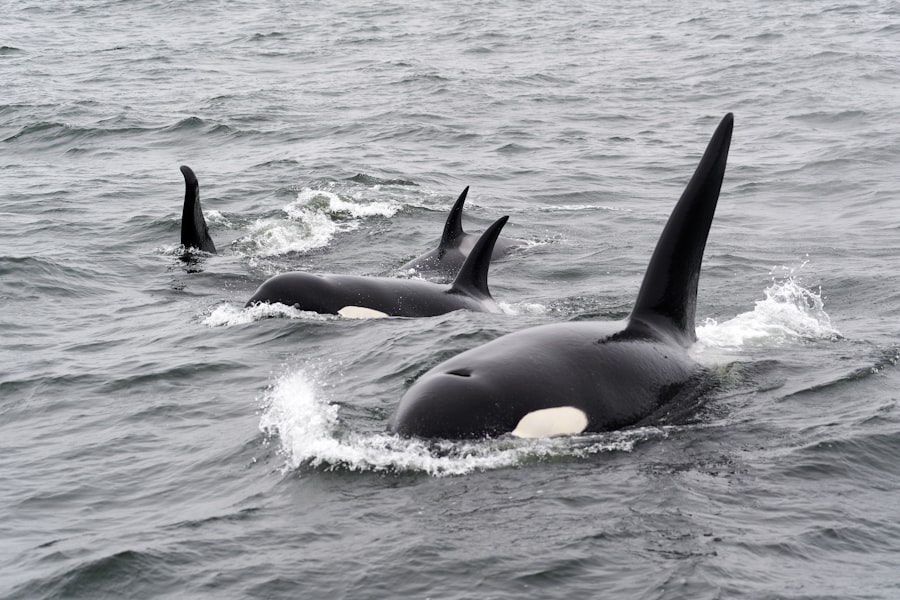
Toothed whales, a diverse group encompassing dolphins, porpoises, killer whales, and sperm whales, employ a different, yet equally sophisticated, communication strategy. Their arsenal of clicks and whistles is crucial for their survival, enabling them to navigate, hunt, and interact within their complex social groups.
Echolocation: Seeing with Sound
One of the most remarkable abilities of toothed whales is echolocation. They emit rapid trains of high-frequency clicks, which bounce off objects in their environment, providing them with a detailed acoustic map.
The Mechanism of Click Production
Toothed whales produce clicks using phonic lips, specialized tissues in their nasal passages. These clicks are incredibly short and high-frequency, allowing for precise localization of prey and other objects.
Navigating the Dark Depths
Echolocation allows toothed whales to “see” their surroundings even in the pitch-black depths of the ocean and in turbid waters. This ability is essential for finding prey, avoiding obstacles, and navigating complex underwater terrain.
Prey Detection and Discrimination
The intricate nature of echolocation allows toothed whales to not only detect prey but also to discern its size, shape, and even its internal structure, making them formidable hunters.
Social Whistles: The Language of Dolphins and Others
In addition to clicks for echolocation, toothed whales use a variety of whistles for social communication. These whistles are often tonal and can vary in pitch and duration.
Signature Whistles: Individual Identities
Dolphins, in particular, are known for their unique “signature whistles.” Each dolphin develops and uses a distinct whistle that acts as its personal identifier, allowing individuals to recognize and call out to each other.
Group Cohesion and Coordination
Whistles play a vital role in maintaining group cohesion, coordinating foraging activities, and reinforcing social bonds within dolphin pods.
Killer Whale Calls: Dialects and Communication within Pods
Killer whales (orcas) exhibit remarkable vocal diversity. Different killer whale populations, known as “ecotypes” or “pods,” have distinct dialects of calls that are passed down through generations. These calls are crucial for coordinating their complex hunting strategies and maintaining their social structures.
Sperm Whale Clicks: The Deepest Conversations
Sperm whales are the largest toothed whales and are renowned for their powerful clicks, which are used for both echolocation and communication.
Codas: The Click-Based Language of Sperm Whales
Sperm whales communicate using “codas,” complex patterns of clicks. These codas vary significantly between sperm whale social units, known as “cosorts,” and are thought to convey information about identity, social status, and potentially even emotions.
Deep Diving and Communication
Sperm whales are adept deep divers, and their codas are believed to be effective for communication in the vast, dark depths where they hunt for squid.
Factors Influencing Whale Communication: The Ocean’s Dynamic Environment
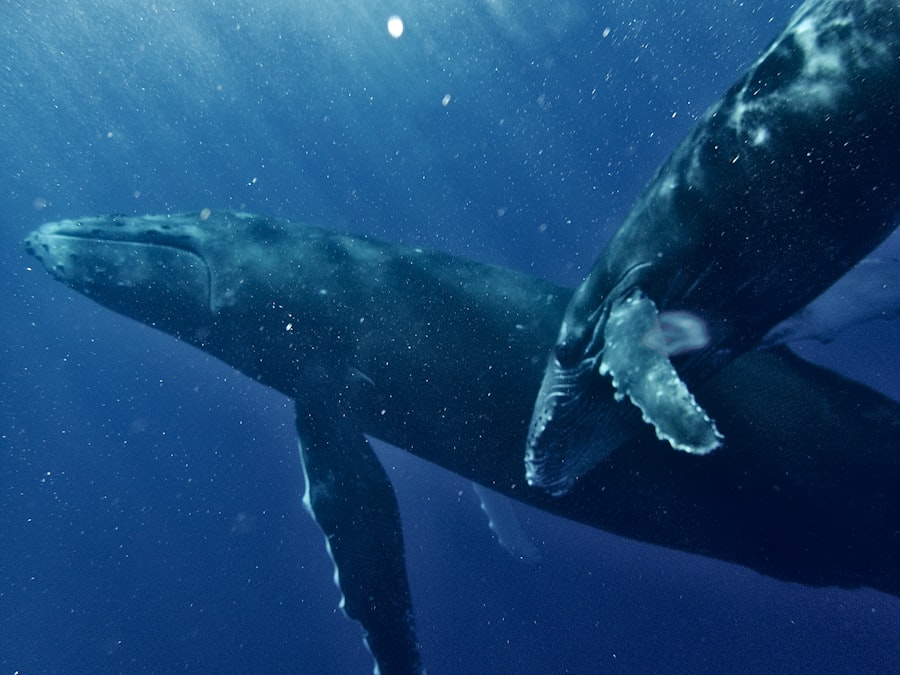
The effectiveness of whale communication is not solely dependent on the whales themselves but is also significantly influenced by the characteristics of their underwater environment.
The Role of Ambient Noise
The ocean is not a silent place. Natural sounds and increasingly, anthropogenic noises, can interfere with whale communication.
Natural Ocean Sounds
The natural soundscape of the ocean includes a cacophony of sounds from wind, waves, rain, seismic activity, and the vocalizations of other marine organisms. These natural sounds can mask or distort whale calls.
Anthropogenic Noise Pollution
Human activities, such as shipping, sonar use, seismic surveys for oil and gas exploration, and underwater construction, generate significant noise pollution. This artificial noise can severely disrupt whale communication, leading to stress, disorientation, and avoidance of important habitats.
Water Clarity and Depth
The physical properties of the water also play a role in how far and how effectively sounds can travel.
Visibility and Sound Transmission
In clear, deep waters, sound can travel farther with less attenuation. Conversely, in shallower, murkier waters, sound may be absorbed or scattered more readily.
Pressure and Temperature Effects
Variations in water pressure and temperature can also influence the speed and propagation of sound, creating acoustic boundaries and affecting the range of underwater communication.
Whales are known for their complex communication methods, utilizing a variety of sounds to convey messages underwater. Researchers have been fascinated by how these majestic creatures use vocalizations to establish social bonds, navigate their environment, and even locate food. For a deeper understanding of this fascinating topic, you can explore an insightful article on whale communication at Freaky Science, which delves into the intricacies of their underwater language and the science behind it.
Conservation Implications: Protecting the Voice of the Deep
| Communication Method | Frequency Range | Types of Sounds |
|---|---|---|
| Echolocation | 20 Hz to 160 kHz | Clicks, whistles, pulsed calls |
| Social Calls | 10 Hz to 40 kHz | Whistles, moans, groans |
| Song | 25 Hz to 8 kHz | Complex patterns of sounds |
Understanding whale communication is not just about deciphering their language; it directly informs crucial conservation efforts. By recognizing the importance of sound in their lives, we can better protect them from the threats they face.
The Impact of Noise Pollution on Whales
As mentioned, noise pollution is a significant threat. Disrupting their ability to communicate can impair their foraging, mating, and navigation, ultimately impacting their survival.
Mitigation Strategies for Noise Control
Efforts to reduce noise pollution include developing quieter ship technologies, implementing regulations on sonar use, and choosing less disruptive methods for offshore activities.
Acoustic Monitoring and Research
By listening to the ocean, scientists can gather invaluable data about whale populations, their movements, and their health.
Passive Acoustic Monitoring (PAM)
Passive acoustic monitoring involves deploying hydrophones (underwater microphones) to record whale vocalizations. This non-invasive technique allows researchers to monitor whale presence, distribution, migration patterns, and even to detect and identify different species without disturbing them.
Identifying Critical Habitats
Acoustic data can help identify critical habitats for whales, areas where they are most vocal, and therefore, likely to feed, breed, or rest. This information is vital for establishing marine protected areas and implementing spatially targeted conservation strategies.
Preserving the Acoustic Environment for Future Generations
Just as we strive to protect the visual landscapes of our planet, it is imperative to preserve the acoustic integrity of the ocean. The vibrant soundscape that whales rely on is a vital part of their existence.
The Need for Global Cooperation
Addressing the challenges of noise pollution and protecting whale communication requires global cooperation. International agreements and coordinated research efforts are essential to ensure the long-term survival of these magnificent creatures and the health of our oceans. The language of the deep, though often unheard by us, is a testament to the enduring power and complexity of life on Earth, a symphony of clicks, whistles, and songs that deserves our utmost respect and protection.

The Secret Ocean Layer That Lets Sound Travel for Thousands of Miles
FAQs
What are the main methods of communication used by whales underwater?
Whales communicate underwater using a variety of methods, including vocalizations such as songs, clicks, and whistles. They also use body language, such as breaching, slapping their tails, and spyhopping, to communicate with each other.
How far can whale vocalizations travel underwater?
Whale vocalizations can travel long distances underwater, with some species’ calls being heard over hundreds of miles. This is due to the fact that sound travels much more efficiently in water than in air.
Do different whale species have their own unique vocalizations?
Yes, different whale species have their own unique vocalizations, which are specific to their species. These vocalizations can vary in frequency, duration, and pattern, and are used for various purposes such as mating, feeding, and social interactions.
How do whales use echolocation to communicate underwater?
Whales use echolocation to communicate and navigate underwater by emitting high-frequency sounds and listening for the echoes that bounce back off objects in their environment. This helps them locate prey, navigate through the water, and communicate with other whales.
What are the potential threats to whale communication underwater?
Potential threats to whale communication underwater include human-generated noise from activities such as shipping, sonar use, and oil and gas exploration. This noise pollution can interfere with whales’ ability to communicate, navigate, and locate prey, and can have negative impacts on their overall well-being.