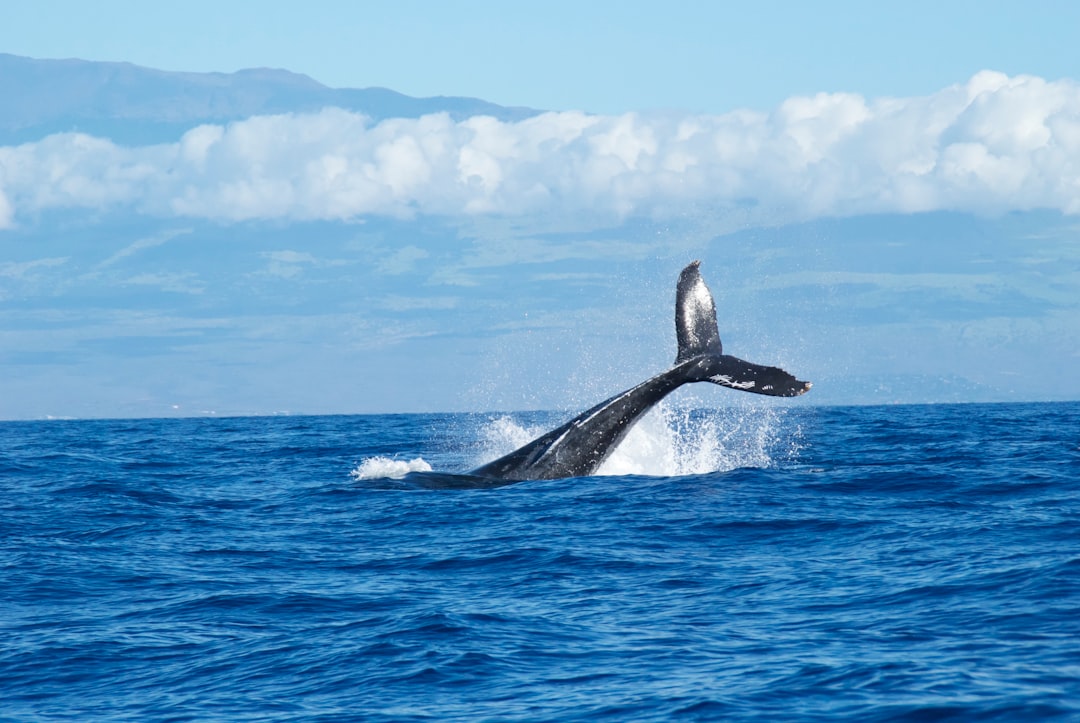
Whale songs, those hauntingly beautiful and complex vocalizations, possess an almost mythical quality. For centuries, humans have been captivated by the ethereal melodies emanating from the deep. Yet, beyond their aesthetic appeal, these underwater symphonies serve a profound biological purpose, enabling communication and navigation across vast oceanic distances. The realization that these resonant calls can traverse entire oceans, bridging continents and connecting seemingly disparate populations, is a testament to the extraordinary capabilities of these gentle giants. This article delves into the remarkable phenomenon of whale songs traveling across oceans, exploring the science behind their propagation, the ecological significance of this long-distance communication, and the awe-inspiring journeys these sonic messages undertake.
The ocean, far from being a silent void, is a vibrant acoustic environment. Sound travels through water with remarkable efficiency, far faster and with less attenuation than in air. This fundamental physical property is the bedrock upon which the phenomenon of transatlantic whale songs is built. Understanding the mechanics of sound propagation in the marine realm is crucial to appreciating the sheer scale of these sonic journeys.
The Physics of Underwater Acoustics
Sound waves are essentially vibrations, and their speed and range depend on the medium through which they travel. Water is significantly denser than air, and its molecules are closer together, allowing vibrations to pass from one to another more readily. This increased density leads to a higher speed of sound in water compared to air. While the speed of sound in dry air at 20°C is approximately 343 meters per second, in seawater, it can range from 1500 to 1550 meters per second, depending on temperature, salinity, and pressure.
This difference in speed is not the only factor contributing to the impressive reach of whale songs. Attenuation, the gradual loss of sound intensity as it travels, is also considerably lower in water than in air. External factors like wind and atmospheric turbulence can quickly disrupt sound waves in the air, scattering and weakening them. In contrast, the relatively uniform and dense nature of seawater allows sound to propagate much further with minimal loss of energy.
The Role of Sound Channels
The ocean’s acoustic environment is not uniform. Layers of varying temperature and salinity create acoustic shadows and channels that can either hinder or amplify sound propagation. The sound fixing and ranging (SOFAR) channel, also known as the deep sound channel, is a prime example of such a phenomenon. This channel exists at a depth where the speed of sound is at its minimum due to a balance between decreasing temperature with depth and increasing pressure. Sound waves that enter the SOFAR channel at or near its axis tend to be refracted back towards the axis, effectively trapping them and allowing them to travel hundreds, even thousands, of kilometers with remarkably little loss of energy. While the exact depth of this channel varies, it typically lies between 600 and 1200 meters.
Whale songs, often produced at depths that can intersect with or be amplified by these sound channels, are thus uniquely positioned to exploit these natural acoustic highways. The low-frequency components of whale vocalizations are particularly effective at traveling long distances, as lower frequencies are less susceptible to absorption and scattering.
Frequency and Amplitude: Optimizing for Distance
The characteristics of whale songs themselves are finely tuned for long-distance communication. Most baleen whale songs, exemplified by those of humpback whales, are characterized by their low frequencies, often falling within the infrasound range (below 20 Hz) and extending into the audible range for humans. These low frequencies have longer wavelengths, which allows them to diffract more effectively around underwater obstacles and penetrate further through the water column. The sheer amplitude, or loudness, of these vocalizations also plays a crucial role. Some whale songs can be incredibly loud, reaching levels that, if heard in air, would be deafening. This powerful output ensures that the sound has enough energy to overcome the inherent losses over vast distances.
Navigational Aids for Sound
Beyond the SOFAR channel, other oceanic features can influence sound propagation. Underwater mountains, seamounts, and the ocean floor itself can reflect and refract sound waves, potentially redirecting them over longer distances or creating complex echo patterns. The way sound interacts with different seabed topographies can create acoustic landscapes, and whales, with their highly developed auditory systems, may be able to utilize these features to their advantage, or at least navigate through them without significant loss of their vocalizations.
Whale sounds are known to travel thousands of miles across the ocean, allowing these magnificent creatures to communicate over vast distances. This fascinating phenomenon highlights the importance of sound in the underwater world and the intricate social structures of whales. For more insights into the science behind whale communication and other intriguing topics, you can explore this related article at Freaky Science.
The Architects of the Deep: Understanding Whale Vocalizations
The concept of “whale songs” often conjures images of humpback whales, yet the diversity of vocalizations across different whale species is vast. Understanding the nature of these sounds, their production, and their meaning is central to unraveling the mystery of their long-distance travel.
Baleen Whales: The Masters of Melodies
Baleen whales, belonging to the suborder Mysticeti, are renowned for their complex and often melodious songs. These whales, which include species like humpback whales, blue whales, fin whales, and right whales, lack teeth and instead filter feed using baleen plates. Their vocalizations are produced by specialized structures in the larynx, though the precise mechanisms are still a subject of active research.
Humpback whale songs are perhaps the most famous. These intricate, evolving sequences of moans, groans, cries, and whistles can last for minutes and are repeated in patterns that change over time, both within a season and across generations. These songs are primarily produced by males, and their function is believed to be related to breeding, potentially attracting females or establishing dominance among males. The remarkably consistent structure of songs within a population, and the gradual changes observed over time, suggest a form of cultural transmission.
Toothed Whales: Clicks, Whistles, and Echolocation
Toothed whales, belonging to the suborder Odontoceti, encompass a much wider range of species, from dolphins and porpoises to sperm whales and orcas. Their vocalizations are generally more varied and include clicks, whistles, and pulsed sounds. Unlike baleen whales, toothed whales primarily use clicks for echolocation, a sophisticated biological sonar system used for navigation, hunting, and communicating.
Sperm whales, the largest toothed whales, are known for their distinctive “codas”—patterns of clicks that are believed to be their primary form of communication. These codas can be highly complex and vary regionally, suggesting distinct dialects. While not typically referred to as “songs” in the same way as baleen whale vocalizations, the long-distance travel of these pulsed sounds is also significant for their social structure and foraging strategies. Orcas, or killer whales, also utilize complex click patterns and whistles, with distinct “ecotypes” within the species exhibiting unique vocal repertoires and dialects, enabling communication within their matrilineal pods and even across different populations.
The Purpose of the Song: Communication Strategies
The precise functions of whale songs are multifaceted and continue to be investigated. However, several key roles are widely accepted:
- Mating and Reproduction: For many baleen whale species, songs are believed to play a crucial role in attracting mates and establishing reproductive success. The complex and prolonged nature of these songs suggests a significant energetic investment, implying a strong evolutionary driver.
- Social Cohesion: Vocalizations help to maintain social bonds within whale groups, especially for species that live in pods or form dispersed aggregations. This is particularly evident in toothed whales, where specific call patterns can identify individuals and their group affiliation.
- Navigation and Environmental Sensing: While echolocation in toothed whales is a well-established navigation tool, the low-frequency sounds produced by baleen whales may also aid in sensing their environment over long distances, detecting prey, or identifying potential hazards.
- Territoriality and Species Identification: In some cases, vocalizations might serve to announce presence or define territories, particularly for males during breeding seasons. They also likely play a role in recognizing conspecifics across vast ocean expanses.
Echoes Across Continents: Documenting Long-Distance Whale Vocalizations
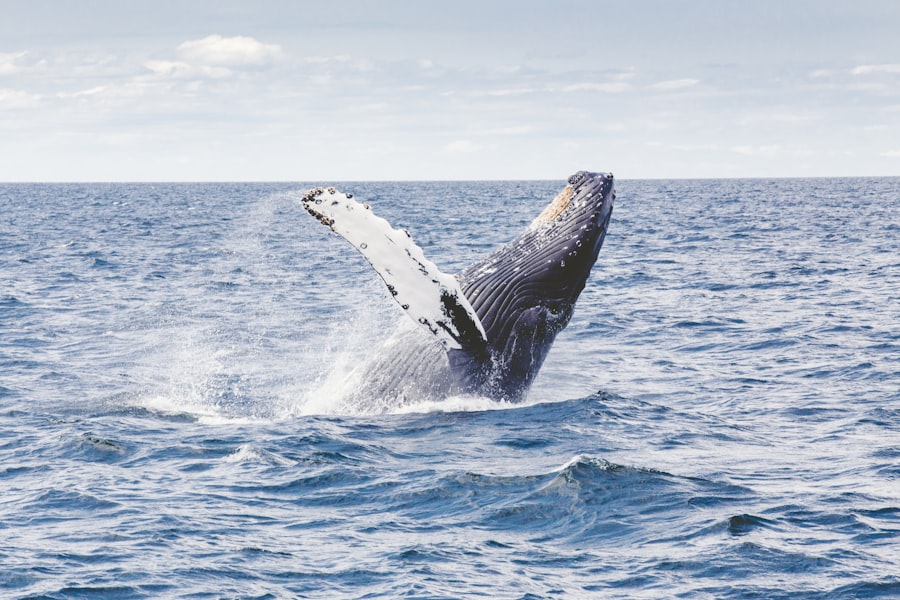
The evidence for whale songs traveling across oceans is not merely theoretical; it is supported by a growing body of scientific research, utilizing advanced acoustic monitoring technologies. These studies have provided irrefutable proof of the extraordinary range of these underwater soundscapes.
Hydrophone Networks: Listening to the Deep
The development of sophisticated hydrophone networks, both fixed and towed, has revolutionized our ability to monitor underwater acoustics. These sensitive microphones, deployed at strategic locations in oceans worldwide, can capture the faint whispers and powerful roars of marine life. By analyzing the recorded sounds, scientists can identify species, quantify vocalization rates, and track the movement of sound sources over incredible distances.
Initiatives like the Ocean Networks Canada (ONC) or the U.S. National Oceanic and Atmospheric Administration (NOAA) have deployed extensive hydrophone arrays that provide continuous acoustic data from various oceanic regions. These networks have been instrumental in detecting the presence of whales in remote areas and tracking their migrations through their vocalizations.
Acoustic Tagging: Following the Singers
Attaching acoustic tags to whales allows researchers to not only record their vocalizations but also to track their precise location and movement patterns. These tags can transmit data wirelessly to nearby hydrophones or record internal data that is later retrieved when the whale is re-sighted or the tag detaches. By correlating vocalizations with geographical positions, scientists can directly observe how far individual songs travel and infer the pathways they take. Studies using acoustic tags on humpback whales, for instance, have revealed individuals singing continuously for days or even weeks while traveling thousands of kilometers.
Satellite Tracking and Acoustic Triangulation
Combining satellite tracking data with acoustic monitoring further enhances our understanding. When a tagged whale is also transmitting its location via satellite, researchers can correlate its movement with the widespread detection of its vocalizations. Furthermore, by using multiple hydrophone stations, scientists can triangulate the source of a sound, pinpointing the location of the singing whale and even estimating the direction and range of its calls. This has been crucial in confirming that songs detected at one location are indeed originating from a whale thousands of kilometers away.
Case Studies: Unveiling Transatlantic Journeys
Numerous studies have documented whale songs crossing vast oceanic basins. One of the most compelling examples involves humpback whales. Researchers have recorded songs produced by whales in the Caribbean being detected by hydrophones off the coast of Iceland, a distance of several thousand kilometers. Similarly, songs originating from the breeding grounds of humpback whales in Hawaii have been heard in Alaska, demonstrating considerable longitudinal travel.
Fin whales, the second-largest whale species, are also known for their powerful, low-frequency calls that can travel hundreds, if not thousands, of kilometers. These calls, often described as “twenty-hertz pulses” due to their dominant frequency, are crucial for their long-range communication. Studies have shown these calls to be detectable across entire ocean basins, linking populations that may be geographically separated for much of the year.
The Ecological Significance: Why Do They Sing So Far?
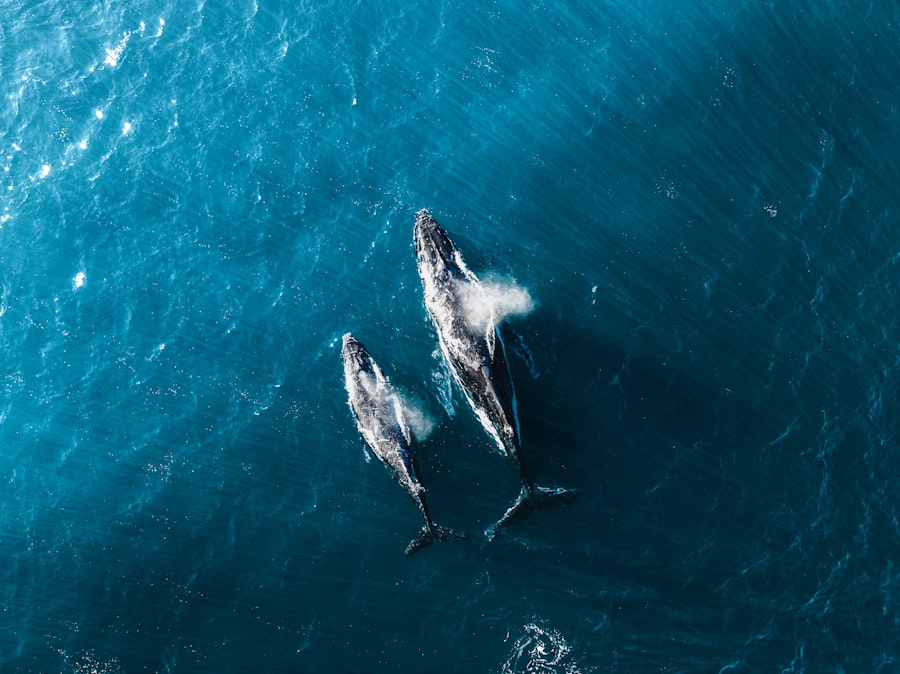
The ability of whale songs to travel across oceans is not merely a marvel of bioacoustics; it has profound ecological implications, shaping whale behavior, population dynamics, and the overall health of marine ecosystems.
Bridging Dispersed Populations
Many whale species undertake long migrations between feeding and breeding grounds. During these epic journeys, individuals can become widely dispersed. Their vocalizations act as vital communication links, allowing individuals to find each other, coordinate movements, and maintain social structures even when separated by vast distances. This is particularly important for species that aggregate for breeding, ensuring that individuals can locate suitable mates.
For example, the North Atlantic humpback whale population, while considered a single unit, utilizes distinct breeding and feeding grounds that can be thousands of kilometers apart. The songs allow for communication between individuals at different stages of their migratory cycle and across these geographically separated areas.
Facilitating Gene Flow and Population Connectivity
The ability of whale songs to travel across oceans is instrumental in facilitating gene flow and maintaining the connectivity of whale populations. By enabling individuals from different geographic regions to find each other, this auditory link promotes interbreeding and genetic mixing. This genetic diversity is crucial for the long-term health and resilience of whale populations, helping them adapt to environmental changes and resist diseases. Without this long-range communication, isolated breeding groups could become genetically impoverished, increasing their vulnerability.
Information Exchange Beyond Mating
While mating is often cited as a primary driver of long-distance singing, the information exchanged likely extends beyond reproductive purposes. Whale songs may carry information about food availability, migratory routes, or even the presence of predators. The complex and evolving nature of some whale songs suggests a sophisticated form of information transfer.
For toothed whales, the long-range propagation of clicks and codas is vital for maintaining social bonds within large, dispersed family groups and for coordinating foraging efforts across considerable distances. The acoustic signatures of different pods or ecotypes can also serve as identity markers, contributing to social recognition and avoidance of inter-group conflict.
An Indicator of Ocean Health
The patterns and range of whale vocalizations can also serve as an important indicator of ocean health. Changes in the frequency, amplitude, or migratory behavior associated with whale songs could signal shifts in prey distribution, ocean noise pollution, or other environmental stressors. The presence and health of whale populations, strongly linked to their ability to communicate effectively, are often seen as indicators of the overall well-being of marine ecosystems.
Whale sounds are fascinating as they can travel thousands of miles across the ocean, allowing these majestic creatures to communicate over vast distances. This remarkable ability not only helps them find mates but also plays a crucial role in their social interactions and navigation. For those interested in learning more about this phenomenon, you can explore a related article that delves deeper into the science behind whale communication and the environmental factors that influence sound travel. Check it out here for more insights.
Threats to the Sonic Symphony: The Growing Challenge of Ocean Noise
| Distance | Time | Depth |
|---|---|---|
| Thousands of miles | Months to years | Up to 3,000 meters |
Despite the remarkable ability of whale songs to travel vast distances, their effectiveness is increasingly threatened by the growing cacophony of anthropogenic noise in our oceans. Human activities, from shipping and seismic surveys to sonar use and offshore construction, are flooding the marine environment with sound, masking or disrupting natural acoustic signals.
The Escalation of Underwater Noise Pollution
The advent of industrial-scale shipping, offshore oil and gas exploration using seismic airguns, and military sonar operations have dramatically increased the ambient noise levels in the world’s oceans. These man-made sounds are often broadband and intense, overwhelming the delicate acoustic signals used by whales.
Shipping traffic, with its continuous rumble of machinery and propeller cavitation, creates a pervasive noise floor that can extend for hundreds of kilometers. Seismic surveys, designed to map underwater geological structures, produce extremely loud blasts of sound that can be heard for thousands of kilometers, causing acute stress and displacement in marine mammals. Military sonar, particularly mid-frequency active sonar, has been linked to mass strandings of whales, suggesting direct physiological impacts from intense sound exposure.
Masking and Interference: Drowning Out the Songs
The primary impact of anthropogenic noise on whale songs is acoustic masking. Just as it becomes difficult to hear a conversation in a noisy room, the loud sounds generated by human activities can make it impossible for whales to detect and interpret the calls of their conspecifics. Low-frequency whale songs are particularly vulnerable to masking by low-frequency shipping noise and seismic surveys.
This masking effect can have severe consequences, disrupting crucial activities such as foraging, mating, and social communication. Whales may be forced to vocalize louder, sing for longer periods, or change their song patterns to overcome the noise, all of which come at a significant energetic cost. In extreme cases, they may cease vocalizing altogether, effectively silencing themselves.
Physiological and Behavioral Impacts
Beyond masking, intense underwater noise can also have direct physiological and behavioral impacts on whales. Studies have shown that exposure to loud noises can cause temporary or permanent hearing damage, stress responses (elevated heart rate, hormone levels), changes in diving behavior, and avoidance of important feeding or breeding areas. The link between certain types of sonar and mass whale strandings highlights the potentially fatal consequences of auditory disturbance.
The Urgent Need for Mitigation and Conservation
Addressing the threat of ocean noise pollution is critical for the survival of whale populations and the preservation of their songs. This requires a multi-pronged approach:
- Quieter Technologies: Developing and implementing quieter ship propulsion systems, seismic survey techniques, and sonar technologies.
- Regulation and Zoning: Implementing regulations to limit noisy activities in sensitive marine areas and during critical whale migration or breeding periods. This can include speed restrictions for shipping and temporal or spatial closures for seismic surveys.
- Noise Mapping and Monitoring: Comprehensive mapping of underwater noise levels and continuous monitoring of acoustic environments to identify areas of high concern.
- Further Research: Continued research into the impacts of noise on whale physiology and behavior, as well as the development of more effective mitigation strategies.
The haunting melodies of whale songs, traveling across oceans, represent a vital element of our planet’s natural heritage. Their ability to bridge vast distances speaks to the profound evolutionary adaptations of these magnificent creatures. As we continue to explore and understand these oceanic symphonies, we must also recognize and address the growing threats that jeopardize their future, ensuring that these ancient songs continue to resonate through the deep for generations to come.

The Secret Ocean Layer That Lets Sound Travel for Thousands of Miles
FAQs
What are whale sounds?
Whale sounds are the vocalizations made by whales, which can include clicks, whistles, and pulsed calls. These sounds are used for communication, navigation, and locating prey.
How far can whale sounds travel?
Whale sounds can travel thousands of miles through the ocean. This is due to the fact that sound travels much more efficiently in water than in air, allowing whale calls to propagate over long distances.
Why do whales communicate using sound?
Whales use sound to communicate with each other, locate food, and navigate their environment. Sound is particularly effective in the underwater environment where visibility is limited, making it a crucial tool for survival.
How do scientists study whale sounds?
Scientists study whale sounds using hydrophones, which are underwater microphones that can detect and record the sounds made by whales. This allows researchers to analyze the acoustic behavior of whales and gain insights into their communication and behavior.
What are the implications of whale sounds traveling long distances?
The ability of whale sounds to travel thousands of miles has important implications for conservation and management efforts. It means that human activities such as shipping, construction, and sonar use can impact whales over large areas, highlighting the need for careful consideration of the potential effects of these activities on marine mammal populations.