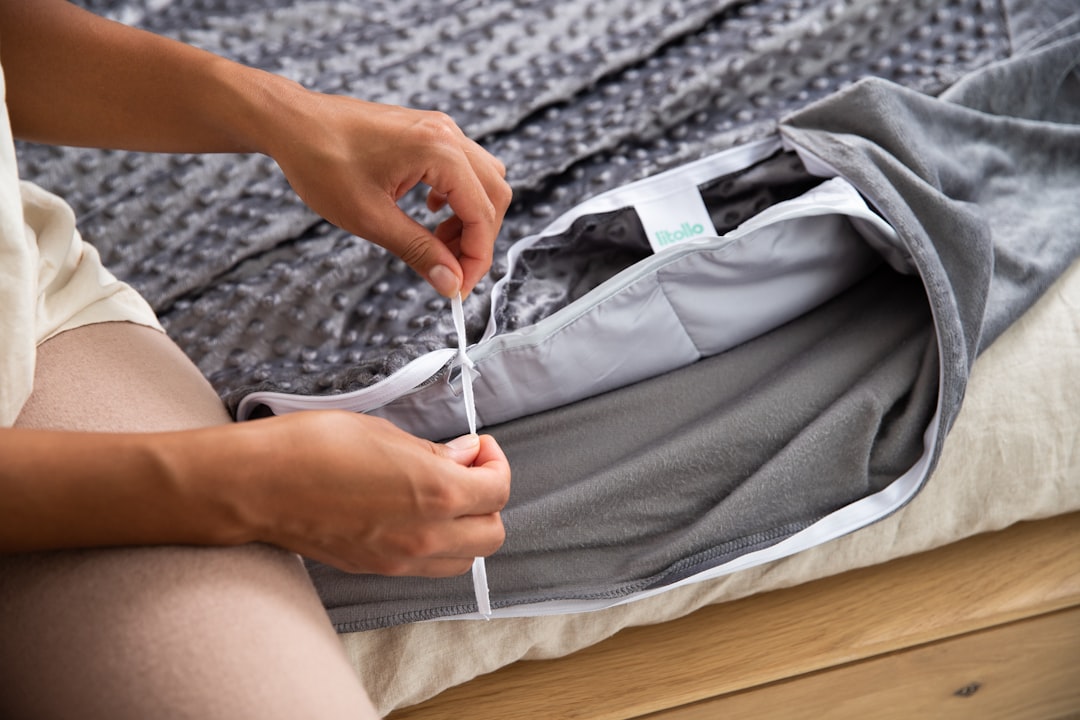
You’ve likely encountered them – the heavy, dense blankets that have become a popular fixture in home goods stores and online marketplaces. You might have even felt a strange allure, a curiosity about what makes these weighted blankets so appealing. But beyond the trend, there’s a tangible reason for their growing presence: their potential to directly influence your nervous system. This article will delve into how these blankets work, exploring the science and the practical application of their therapeutic properties.
Your nervous system is the intricate network that governs everything you do, from the simplest reflex to the most complex thought. It’s responsible for receiving sensory information from your environment, processing it, and then sending signals to your muscles and organs to react. Within this vast system, two key branches are particularly relevant to how you experience the world: the sympathetic nervous system and the parasympathetic nervous system.
The Sympathetic Nervous System: The “Fight or Flight” Response
When you encounter a perceived threat, whether it’s a loud noise, a tight deadline, or a stressful social interaction, your sympathetic nervous system kicks into high gear. This is your body’s ancient alarm system, designed to prepare you for immediate action.
Physiological Manifestations of Sympathetic Activation
You’ll recognize the signs of sympathetic activation: your heart rate increases, your breathing becomes shallower and faster, your pupils dilate, and your muscles tense. Blood is diverted away from your digestive system and towards your limbs, preparing you for exertion. While this is crucial for survival in dangerous situations, chronic or excessive sympathetic activation can lead to a variety of health problems, including anxiety, insomnia, and digestive issues.
Impact on Sensory Input
Under sympathetic dominance, your senses can become heightened, but not necessarily in a pleasant way. You might feel more sensitive to light, sound, and touch. This can contribute to a feeling of being overwhelmed and on edge, further fueling the cycle of stress.
The Parasympathetic Nervous System: The “Rest and Digest” State
In contrast, the parasympathetic nervous system is responsible for calming your body and allowing it to recover and conserve energy. When this system is active, your heart rate slows, your breathing deepens, your digestion improves, and your muscles relax. This is the state you ideally want to be in for sleep, recovery, and overall well-being.
Promoting Relaxation and Recovery
The parasympathetic nervous system is essential for counteracting the effects of stress. It facilitates the body’s natural repair processes, allowing tissues to mend and energy reserves to be replenished. A healthy balance between sympathetic and parasympathetic activity is key to maintaining physical and mental health.
The Importance of Balance
Life is a constant interplay between these two systems. However, in modern society, many individuals experience prolonged periods of sympathetic arousal due to chronic stressors. This imbalance can significantly impact your quality of life, making it difficult to relax, sleep, and feel at ease.
Weighted blankets have gained popularity for their potential benefits in regulating the nervous system and promoting relaxation. For those interested in exploring this topic further, an insightful article can be found at Freaky Science, which delves into the science behind how weighted blankets can help reduce anxiety and improve sleep quality by providing deep pressure stimulation. This article offers a comprehensive overview of the mechanisms at play and how they can contribute to overall well-being.
How Weighted Blankets Interact with Your Nervous System
The efficacy of weighted blankets lies in their ability to provide deep pressure stimulation (DPS). This is a type of tactile sensory input that gently but firmly presses on your body. This pressure is thought to trigger a cascade of physiological responses that can modulate nervous system activity.
The Science of Deep Pressure Stimulation (DPS)
DPS is not a new concept. It’s been used for centuries in various forms of therapeutic touch and massage, and it’s a fundamental aspect of occupational therapy for individuals with sensory processing differences. The consistent, firm pressure of a weighted blanket is a passive way to deliver this beneficial input.
Mechanoreceptors and Sensory Input
Your skin is covered in specialized sensory receptors called mechanoreceptors. These receptors respond to touch, pressure, and vibration. When a weighted blanket applies pressure, it stimulates these mechanoreceptors, sending signals to your brain.
The Brain’s Response to Pressure
The signals generated by DPS are then processed by your brain. Research suggests that DPS can influence the activity of neurotransmitters, the chemical messengers that transmit signals between nerve cells. Specifically, it’s believed to promote the release of serotonin and melatonin and reduce the levels of cortisol.
Serotonin and Melatonin: The “Feel-Good” and “Sleep” Hormones
Two neurotransmitters that are significantly impacted by DPS are serotonin and melatonin. Serotonin is often referred to as the “happy hormone” as it plays a crucial role in mood regulation, appetite, and sleep. Melatonin is the primary hormone responsible for regulating your sleep-wake cycle.
Serotonin’s Role in Mood and Well-being
A balanced level of serotonin is associated with feelings of calmness, contentment, and well-being. When serotonin levels are low, you might experience symptoms of depression, anxiety, and irritability. DPS, by potentially increasing serotonin release, could contribute to a more stable and positive mood.
Melatonin’s Function in Sleep Regulation
Melatonin production increases in the evening, signaling to your body that it’s time to sleep. It helps you fall asleep faster and experience more restful sleep. By influencing melatonin levels, a weighted blanket could assist individuals who struggle with sleep onset or maintaining sleep.
Cortisol: The “Stress” Hormone
Cortisol is a hormone released by your adrenal glands in response to stress. While essential for short-term survival, chronically elevated cortisol levels are linked to numerous negative health outcomes, including increased blood pressure, impaired immune function, and disrupted sleep.
The Impact of Chronic Stress on Cortisol Levels
In our fast-paced world, many of you may experience persistently high cortisol levels. This can leave you feeling constantly on edge, fatigued, and susceptible to illness. Lowering cortisol levels is a key goal in managing stress and improving overall health.
How DPS May Reduce Cortisol
Studies suggest that DPS can lead to a reduction in cortisol levels. This calming effect is a significant factor in why weighted blankets can be so beneficial for individuals experiencing anxiety or high levels of stress. By signaling safety and reducing perceived threats, your body can downregulate its stress response.
Applications of Weighted Blankets for Nervous System Regulation

The principles of DPS, delivered through weighted blankets, can be applied to a range of situations where nervous system dysregulation is a concern. You might find them useful for managing everyday stressors, improving sleep quality, or supporting individuals with specific sensory needs.
Addressing Anxiety and Stress
Anxiety and stress manifest in various ways, often involving an overactive sympathetic nervous system. The feeling of being overwhelmed, the racing thoughts, and the physical tension are all hallmarks of this state. Weighted blankets offer a simple, non-pharmacological approach to counteracting these symptoms.
The Calming Embodiment of Pressure
Imagine being gently but firmly held, a sensation that can evoke feelings of security and grounding. This is the essence of how a weighted blanket can help. The consistent pressure provides a sensory anchor, distracting from anxious thoughts and promoting a sense of being present and safe.
Reducing Physiological Symptoms of Anxiety
The physical manifestations of anxiety, such as a rapid heart rate and shallow breathing, can be alleviated by the parasympathetic activation that DPS promotes. By slowing your heart rate and encouraging deeper breathing, the blanket can help you transition out of a state of panic or heightened arousal.
Improving Sleep Quality
Sleep is a fundamental pillar of health, and for many, achieving restful sleep can be a challenge. Weighted blankets have shown promise in assisting individuals who struggle with insomnia or other sleep disturbances.
Facilitating Sleep Onset
The ability to fall asleep can be hindered by a racing mind or physical restlessness. The calming sensory input from a weighted blanket can help quiet your thoughts and relax your body, making it easier to drift off to sleep.
Enhancing Sleep Depth and Continuity
Beyond just falling asleep, the quality of your sleep is crucial. DPS may contribute to more consolidated and restorative sleep by promoting deeper sleep stages and reducing the frequency of awakenings. This can lead to feeling more refreshed and energized upon waking.
Supporting Individuals with Sensory Processing Differences
For individuals with conditions like Autism Spectrum Disorder (ASD) or Attention-Deficit/Hyperactivity Disorder (ADHD), sensory processing can be a significant challenge. They may be either over- or under-sensitive to various stimuli, leading to difficulties with regulation and comfort.
Providing a Grounding Sensory Experience
Weighted blankets provide proprioceptive input, which is the awareness of your body’s position in space. This input is incredibly grounding and organizing for many individuals with sensory processing differences. It can help them feel more contained and in control of their bodily sensations.
Creating a Predictable Sensory Environment
The consistent and predictable nature of the pressure from a weighted blanket can be very comforting for those who find their sensory environment unpredictable or overwhelming. It creates a safe space where they can retreat and regulate their nervous system.
Choosing the Right Weighted Blanket

Selecting the appropriate weighted blanket is crucial for its effectiveness and comfort. There are several factors to consider to ensure you find a blanket that meets your individual needs.
Understanding Weight Guidelines
A common recommendation is to choose a blanket that is approximately 7-12% of your body weight. However, this is a guideline, and individual preferences can vary. It’s important to strike a balance between feeling a comforting pressure and feeling restricted or too warm.
Factors Influencing Individual Needs
Your personal preference for pressure, your body temperature regulation, and the intended use of the blanket (e.g., for sleep, relaxation, or during activities) should all influence your choice. Some people may prefer a lighter pressure, while others find deeper pressure more effective.
The Importance of Trial and Error
It might take some experimentation to find the perfect weight for you. Don’t be discouraged if your initial choice isn’t ideal. Many retailers offer trial periods, allowing you to test a blanket before committing to a purchase.
Material and Construction Considerations
The materials used in weighted blankets can significantly impact your comfort, breathability, and the overall sensory experience. The construction also plays a role in even weight distribution.
Breathability and Temperature Regulation
If you tend to sleep hot, opting for a blanket made from breathable materials like cotton or bamboo is advisable. Some blankets also feature cooling technology or can be used with a breathable duvet cover to help manage temperature.
Durability and Ease of Cleaning
Consider the quality of the stitching and the materials used in the construction to ensure the blanket is durable and will withstand regular use. Most weighted blankets are not machine washable due to their weight, so checking the cleaning instructions and selecting a blanket with a removable, washable cover can be beneficial.
Blanket Size and Coverage
The size of the blanket is also an important factor. You’ll want a blanket that adequately covers your body without being excessively large or small for your personal use.
Personal Preference for Coverage
Do you prefer a blanket that covers you entirely, including your feet, or one that you can use primarily to drape over your torso and legs? Consider your sleeping position and how you typically use blankets.
Avoiding Overhang and Instability
A blanket that is too large can become cumbersome and may not provide consistent pressure. Conversely, a blanket that is too small might not offer the full therapeutic benefit. Aim for a size that feels secure and well-distributed.
Weighted blankets have gained popularity for their potential benefits in regulating the nervous system, providing a calming effect that can help reduce anxiety and improve sleep quality. For those interested in exploring this topic further, a related article discusses the science behind how these blankets can promote a sense of security and comfort. You can read more about it in this informative piece on Freaky Science, which delves into the mechanisms of sensory input and its impact on mental well-being.
Potential Concerns and Considerations
| Weighted Blanket Type | Weight (lbs) | Effect on Nervous System Regulation |
|---|---|---|
| 5 lbs | 5 | Calming effect, reduces anxiety and stress |
| 10 lbs | 10 | Deep pressure stimulation, improves sleep quality |
| 15 lbs | 15 | Enhanced relaxation, promotes feelings of safety and security |
While weighted blankets offer numerous benefits, it’s important to be aware of potential concerns and consult with professionals when necessary. Responsible use and awareness of contraindications are key.
When to Consult a Healthcare Professional
Certain individuals may have contraindications for using weighted blankets. It is always advisable to consult with a healthcare professional, such as a doctor or an occupational therapist, if you have any underlying health conditions.
Respiratory or Circulatory Issues
Individuals with severe respiratory conditions, such as asthma or sleep apnea, or significant circulatory problems should exercise caution and seek medical advice before using a weighted blanket, as the added weight could potentially exacerbate these conditions.
Skin Conditions and Sensory Sensitivities
For those with certain severe skin conditions or extreme sensory sensitivities, the pressure from a weighted blanket might be uncomfortable or irritating. A healthcare professional can help assess your individual needs and provide guidance.
Managing Temperature and Comfort
As mentioned earlier, temperature can be a concern for some users. It’s important to find strategies to ensure comfort throughout the night or during relaxation periods.
Layering and Breathable Fabrics
Using a weighted blanket in conjunction with breathable bedding and appropriate sleepwear can help manage temperature effectively. You can also opt for a weighted blanket with a lighter fill or a more breathable outer fabric.
Gradual Acclimation
If you’re new to weighted blankets, it’s advisable to start with shorter periods of use and gradually increase the duration as you become accustomed to the sensation. This allows your body to adjust.
The Importance of Proper Usage and Maintenance
Following recommended usage and maintenance guidelines will ensure the longevity and effectiveness of your weighted blanket.
Avoiding Overheating and Restrictive Use
Never use a weighted blanket in a way that feels restrictive or causes you to overheat. Your comfort and safety are paramount. The goal is relaxation, not discomfort.
Regular Inspection and Cleaning
Periodically inspect your weighted blanket for any signs of wear and tear. Follow the manufacturer’s cleaning instructions carefully to maintain hygiene and prolong the life of the blanket.
The Future of Weighted Blanket Technology
As the understanding of sensory input and its effects on the nervous system grows, so too does the innovation in weighted blanket technology. You can expect to see advancements that further enhance their therapeutic benefits and user experience.
Integrating Sensory Input with Smart Technology
The integration of smart technology into weighted blankets is an emerging area. This could involve features that monitor sleep patterns, adjust pressure distribution based on individual needs, or even incorporate gentle vibrations for enhanced sensory input.
Personalized Pressure Adjustments
Imagine a blanket that could dynamically adjust its weight distribution throughout the night based on your sleep cycle or detected restlessness. This level of personalization could significantly enhance the therapeutic benefits.
Biofeedback and Sleep Tracking
Future iterations might incorporate biofeedback mechanisms that allow users to see real-time data on their physiological responses, such as heart rate and breathing patterns, while using the blanket. This could provide valuable insights into their nervous system regulation.
Exploring New Materials and Design Innovations
The quest for optimal comfort and therapeutic efficacy continues to drive research into new materials and design approaches for weighted blankets.
Advanced Cooling and Heating Technologies
Beyond basic breathability, you might see weighted blankets incorporating advanced cooling or heating technologies, allowing for a customizable temperature experience for users regardless of their environment.
Ergonomic Designs for Targeted Support
Future designs might move beyond a one-size-fits-all approach, offering weighted blankets with ergonomic features that provide targeted pressure and support to specific areas of the body, addressing unique needs and preferences.
In conclusion, weighted blankets are more than just a comforting trend; they are a tangible tool for directly influencing your nervous system. By understanding the science behind deep pressure stimulation and its impact on your sympathetic and parasympathetic responses, you can better appreciate how these blankets can contribute to a sense of calm, improved sleep, and overall enhanced well-being. As technology advances, the potential of weighted blankets to support nervous system regulation is likely to expand, offering even more personalized and effective solutions for navigating the demands of modern life.
FAQs
What are weighted blankets?
Weighted blankets are blankets filled with materials such as plastic pellets or glass beads to make them heavier than traditional blankets. They are designed to provide deep touch pressure, which can have a calming effect on the nervous system.
How do weighted blankets help with nervous system regulation?
The deep touch pressure provided by weighted blankets can stimulate the production of serotonin and dopamine, which are neurotransmitters that help regulate mood and sleep. This can help calm the nervous system and reduce feelings of anxiety and stress.
Who can benefit from using a weighted blanket?
Weighted blankets can benefit individuals who experience symptoms of anxiety, stress, insomnia, ADHD, autism, and other sensory processing disorders. However, it is important to consult with a healthcare professional before using a weighted blanket, especially for children or individuals with certain medical conditions.
Are there any risks associated with using a weighted blanket?
While weighted blankets can be beneficial for many individuals, there are some risks to consider. These include potential discomfort from the weight, difficulty regulating body temperature, and the risk of suffocation for infants and young children. It is important to use weighted blankets under the guidance of a healthcare professional.
How do I choose the right weighted blanket for me?
When choosing a weighted blanket, it is important to consider your body weight and personal preferences. A general guideline is to choose a weighted blanket that is about 10% of your body weight. Additionally, consider the size, material, and distribution of weight within the blanket to ensure a comfortable and effective experience.