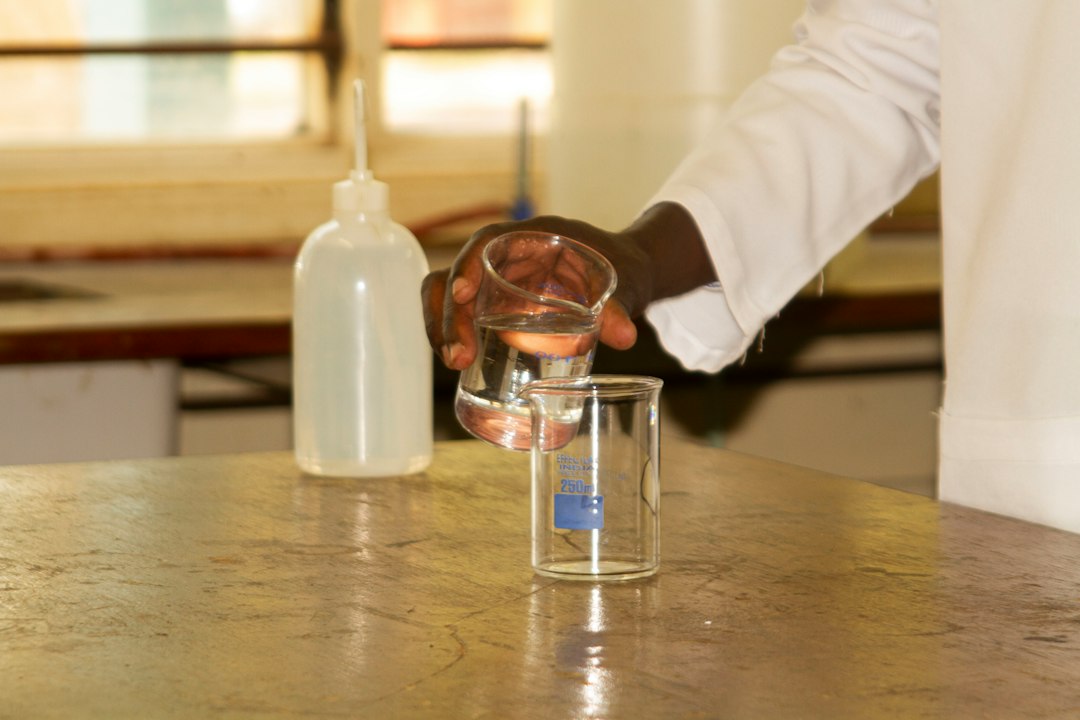
The Gentle Flow: Exploring the Principles of Fluid Dynamics Through Low-Pressure Water Experiments
The seemingly simple act of water flowing from a tap, or a hose, is a complex ballet of physics. Understanding the fundamental principles governing this movement, known as fluid dynamics, can be achieved through even the most rudimentary experiments. While high-pressure systems often grab the spotlight in engineering and scientific discussions, the subtle behaviors observed in low-pressure scenarios offer invaluable insights into the core concepts. This exploration delves into the foundational elements of fluid dynamics, utilizing low-pressure water experiments as a tangible and accessible medium for understanding concepts like pressure, flow rate, viscosity, and surface tension. By observing how water behaves when its driving force is minimized, one can gain a deeper appreciation for the intricate forces that shape its motion.
In exploring the fascinating world of fluid dynamics, a related article that delves into the intricacies of water low pressure experiments can be found at Freaky Science. This resource provides valuable insights into the principles governing water behavior under varying pressure conditions, making it an excellent complement to any study on the subject. Whether you’re a student or an enthusiast, the experiments highlighted in this article can enhance your understanding of how pressure influences fluid motion and behavior.
The Driving Force: Pressure and Its Influence on Water Flow
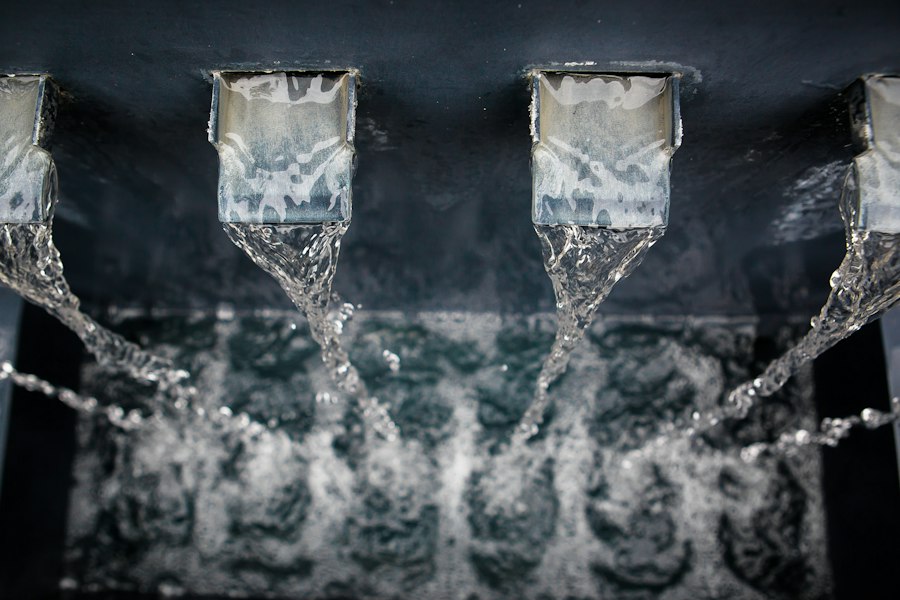
Pressure, in the context of fluids, is the force exerted per unit area. In a low-pressure system, this force is relatively small, yet its impact on water movement is profound. The absence of a significant pressure gradient means that external forces, or subtle variations in the fluid’s properties, become more prominent in dictating its flow. Understanding how pressure differentials are created and how they influence the speed and direction of water is a cornerstone of fluid dynamics.
Understanding Hydrostatic Pressure
Even in a static body of water, pressure exists. This is known as hydrostatic pressure, and it increases with depth. Imagine a submerged object; the water above it exerts a downward force. This concept can be visualized in a low-pressure scenario by observing how water levels behave in connected vessels. If two containers of water are linked at the bottom, and the water level in one is higher than the other, water will flow from the higher level to the lower level until equilibrium is reached. This flow is driven by the difference in hydrostatic pressure. In a low-pressure experiment, this difference might be minimal, leading to a slow, almost imperceptible transfer of water, highlighting the importance of even slight pressure gradients.
The Role of Atmospheric Pressure
Atmospheric pressure, the weight of the air above us, also plays a role in water behavior, especially in low-pressure systems. When one attempts to draw water using a straw from a container, the process relies on reducing the pressure inside the straw. The higher atmospheric pressure pushing down on the surface of the liquid then forces the water up into the straw. In a low-pressure experiment, the effect of atmospheric pressure can be more readily observed if the experiment is conducted in a near-vacuum or a situation where other pressure influences are carefully controlled. For instance, partially submerging an open-ended tube into a basin of water and then gently drawing air from the top of the tube will cause a small amount of water to rise, demonstrating the subtle but significant impact of external atmospheric forces.
Pressure Gradients and Flow Velocity
The rate at which a fluid flows is directly related to the pressure difference across its path. A larger pressure difference, or gradient, results in a faster flow. In low-pressure experiments, the pressure gradients are typically small, leading to slow and steady flow rates. This can be observed by measuring the volume of water that passes a specific point over a given time. For example, a dripping faucet, a quintessential low-pressure scenario, allows for the measurement of how often droplets form and fall, which is directly influenced by the minimal pressure pushing the water out. By analyzing these slow flows, one can infer the magnitude of the pressure differences involved, even if they are not directly measured.
The Dynamics of Movement: Flow Rate and Its Determinants
Flow rate, the volume of fluid that passes a given point per unit time, is a critical parameter in fluid dynamics. In low-pressure systems, the factors that influence flow rate become more apparent as the overwhelming force of high pressure is absent. Understanding these determinants helps in predicting and controlling fluid movement in various applications.
Laminar vs. Turbulent Flow
One of the most fundamental distinctions in fluid dynamics is between laminar and turbulent flow. Laminar flow is characterized by smooth, parallel layers of fluid, with no mixing between them. Turbulent flow, on the other hand, is chaotic and irregular, with eddies and swirls. In low-pressure experiments, it is often easier to achieve and observe laminar flow. For instance, if water is poured slowly from a container into a narrow tube, it will likely flow in a laminar fashion. One can visually confirm this by observing the absence of splashing or erratic movement. As the pressure or velocity increases, the flow can transition to turbulent, and observing this transition point is a key learning outcome of such experiments.
The Impact of Pipe Geometry
The shape and dimensions of the conduit through which water flows significantly affect the flow rate. Narrower pipes or those with rougher inner surfaces will offer more resistance to flow, thus reducing the flow rate, especially under low-pressure conditions. A simple experiment can illustrate this: connect two identical containers with different diameter tubes, both filled to the same initial height. The container with the wider tube will drain faster due to lower resistance. This demonstrates how friction and the physical constraints of the pipe play a crucial role in regulating the movement of the fluid, even when the driving pressure is low.
Viscosity: The Fluid’s Internal Friction
Viscosity is a measure of a fluid’s resistance to flow. In essence, it’s the “thickness” of the fluid. Water, compared to honey or oil, has relatively low viscosity. However, even this low viscosity has an impact, particularly in low-pressure scenarios where it contributes to frictional losses within the fluid itself. Experiments involving different liquids, such as water, oil, and glycerol, poured through the same apparatus under similar low-pressure conditions, will clearly show variations in their flow rates. The more viscous fluid will flow much slower, illustrating the direct correlation between viscosity and flow resistance.
Surface Phenomena: The Unseen Forces at Play
Beyond the bulk movement of water, surface phenomena are crucial aspects of fluid dynamics that are often more evident in low-pressure environments where their influence is less masked by higher forces. These include surface tension and capillary action, which govern how water interacts with its boundaries and with itself.
Surface Tension: The Skin of the Water
Surface tension is the cohesive force between liquid molecules at the surface, causing the surface to behave like a stretched elastic membrane. This phenomenon is responsible for the formation of droplets, the ability of small insects to walk on water, and the meniscus observed in narrow tubes. In a low-pressure drip experiment, one can observe how a droplet of water forms at the opening of a tap. Surface tension holds the water together, preventing it from immediately falling until its weight overcomes the cohesive forces. This delicate balance is a clear demonstration of surface tension at work.
Capillary Action: Climbing Against Gravity
Capillary action is the ability of a liquid to flow in narrow spaces without the assistance of, or even in opposition to, external forces like gravity. This occurs due to a combination of surface tension and adhesive forces between the liquid and the walls of the narrow space. If one places the edge of a paper towel into a shallow dish of water, the water will be observed to “climb” up the paper. This is capillary action, where the water adheres to the cellulose fibers of the paper and is then pulled upwards by the cohesive forces of the water molecules above. In a low-pressure setting, this phenomenon is particularly noticeable as it can draw water upwards against a negligible external driving force.
Meniscus Formation: The Curved Surface
The curved surface of a liquid in a narrow tube or container is known as a meniscus. In most cases, like water in a glass tube, the meniscus is concave upwards. This is because the adhesive forces between the water molecules and the glass are stronger than the cohesive forces between the water molecules themselves. The water “wets” the glass and is pulled up along the edges. Observing this subtle curvature in a low-pressure experiment, such as when water rises in a narrow pipette with minimal external suction, provides a visual confirmation of these surface forces.
In exploring the fascinating world of fluid dynamics, a recent article delves into the intricacies of water low pressure experiments, shedding light on their significance in various scientific applications. This informative piece not only discusses the principles behind low pressure systems but also highlights practical experiments that can be conducted at home. For those interested in further expanding their knowledge, you can read more about these experiments in the article found here.
Practical Applications: Where Low-Pressure Dynamics Matter
| Parameter | Value | Unit | Notes |
|---|---|---|---|
| Initial Water Pressure | 0.2 | MPa | Measured at inlet |
| Final Water Pressure | 0.05 | MPa | Measured at outlet |
| Flow Rate | 15 | L/min | Steady state flow |
| Pipe Diameter | 25 | mm | Internal diameter |
| Temperature | 22 | °C | Ambient temperature |
| Pressure Drop | 0.15 | MPa | Difference between inlet and outlet |
| Experiment Duration | 30 | minutes | Continuous measurement time |
While high-pressure systems are often associated with powerful applications, understanding low-pressure fluid dynamics is crucial for a wide range of everyday scenarios and specialized fields.
Household Plumbing and Drainage
The plumbing in our homes is a prime example of a system that relies on carefully managed low-pressure dynamics. The flow of water from taps, the functioning of toilets, and the drainage of sinks and showers all operate within specific, often low, pressure ranges. A faulty faucet that drips incessantly is a direct manifestation of a low-pressure leak, where the minimal pressure is insufficient to prevent water from seeping through. Understanding how pressure affects these systems allows for effective maintenance and troubleshooting.
Biological Systems and Medicine
Many biological processes involve the movement of fluids under low-pressure conditions. The circulation of blood within the human body, for instance, is a complex network where pressure plays a vital role. While arteries carry blood under higher pressure, veins and capillaries operate under significantly lower pressures. The absorption of nutrients in the intestines or the filtration of waste in the kidneys also involves delicate fluid dynamics influenced by subtle pressure gradients. Understanding these biological fluid dynamics is essential for medical diagnostics and treatments.
Environmental Flow and Irrigation
The movement of water in natural environments, such as rivers, streams, and groundwater, often occurs under low-pressure regimes. Understanding these flows is critical for water resource management, flood prediction, and the design of efficient irrigation systems. For example, gravity-fed irrigation systems rely on the controlled flow of water from a higher elevation to lower fields, a process governed by gravitational forces and the resistance of the delivery channels, all operating within a low-pressure framework.
Designing for Subtlety: Engineering with Low-Pressure Fluids
The principles learned from low-pressure water experiments translate directly into the design and optimization of various technological systems. Engineers meticulously consider fluid properties and flow behaviors to ensure efficient and effective operation.
Material Selection and Surface Properties
The choice of materials for pipes, containers, and interfaces is crucial, especially in low-pressure applications. The surface properties of these materials, such as their roughness and their affinity for water (wettability), can significantly impact flow. For example, using materials with smoother surfaces can reduce frictional losses and improve flow efficiency in low-pressure systems. In medical devices that involve fluid transfer, the biocompatibility and surface characteristics of the materials are paramount to prevent unwanted interactions and ensure smooth fluid passage.
Optimizing Flow Control Devices
Devices designed to control fluid flow, even at low pressures, require careful engineering. This includes the design of valves, nozzles, and flow restrictors. In a simple dripping faucet, the mechanism that controls the water flow is a low-pressure flow control device. Its design determines the size and frequency of the drips, which can be adjusted for water conservation or aesthetic purposes. Understanding how these devices interact with the fluid’s properties under low pressure allows for their precise calibration and efficient performance.
The Importance of Precision in Measurement
Accurate measurement of fluid properties and flow rates is essential for any study or application of fluid dynamics. In low-pressure experiments, where the forces are subtle, precision becomes even more critical. The development of sensitive sensors and measurement techniques allows scientists and engineers to quantify these small forces and flow rates, leading to a deeper understanding and more refined designs. Whether it’s measuring the minute flow of ink in a inkjet printer or the slow seepage of groundwater, precision in measurement unlocks the secrets of low-pressure fluid dynamics.
The exploration of low-pressure water experiments offers a gateway to understanding the fundamental principles of fluid dynamics. From the subtle yet powerful influence of pressure to the intricate dance of surface phenomena, water, even in its gentle flow, reveals the elegant laws that govern its movement. By engaging with these concepts through practical observation and experimentation, individuals can develop a more profound appreciation for the physics that shapes our world, from the everyday functionality of our homes to the complex workings of nature and technology.
Water Boiled While Ice Formed. Could a Lander Sink Into It?
FAQs
What is the purpose of the water low pressure experiment?
The purpose of the water low pressure experiment is to study the effects of low water pressure on various systems and devices, such as plumbing, water heaters, and appliances.
How is low water pressure defined in the context of the experiment?
In the context of the experiment, low water pressure is typically defined as water flowing at a rate lower than the standard pressure required for efficient operation of household appliances and plumbing fixtures.
What are some common causes of low water pressure that may be tested in the experiment?
Common causes of low water pressure that may be tested in the experiment include clogged pipes, leaks in the system, malfunctioning pressure regulators, and issues with the municipal water supply.
What are the potential consequences of prolonged low water pressure in a residential setting?
Prolonged low water pressure in a residential setting can lead to issues such as slow water flow from faucets, inefficient operation of appliances like washing machines and dishwashers, and potential damage to plumbing systems due to increased strain.
How can the results of the water low pressure experiment be used to improve water pressure in a household?
The results of the water low pressure experiment can be used to identify the specific cause of low water pressure and implement targeted solutions, such as repairing leaks, replacing faulty components, or adjusting pressure regulators, to improve water pressure in a household.