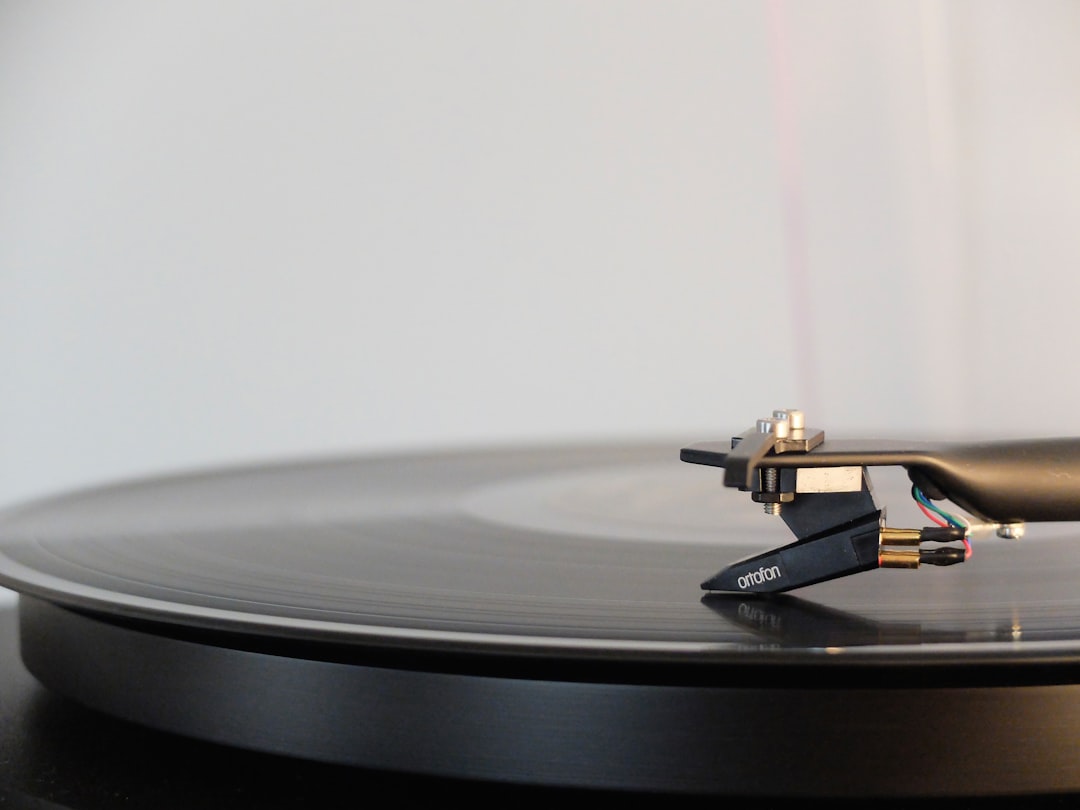
In contemporary music consumption, vinyl records and digital streaming represent two major formats that appeal to different listener preferences and habits. Each format provides distinct advantages and experiences.
Streaming platforms, conversely, offer immediate access to extensive music catalogs, fundamentally changing music discovery and consumption patterns. This article examines the historical development of both formats, their technical specifications, comparative sound quality analysis, and vinyl’s renewed popularity in the modern digital era. The discussion aims to help listeners identify which format aligns with their audio preferences and listening requirements.
Experience the clarity and depth of sound like never before with high resolution audio.
Key Takeaways
- Vinyl offers a nostalgic, tactile listening experience, while streaming provides unmatched convenience and accessibility.
- Technical differences include analog warmth in vinyl versus digital clarity and compression in streaming.
- The debate over sound quality centers on vinyl’s rich, authentic sound versus streaming’s potential loss due to compression.
- Vinyl has seen a resurgence as collectors and enthusiasts value its physicality and unique audio characteristics.
- Choosing between vinyl and streaming depends on personal preferences for sound quality, convenience, and music consumption habits.
The History of Vinyl and Streaming
The journey of vinyl records began in the late 19th century, evolving from earlier formats like cylinders and shellac discs. By the mid-20th century, vinyl had become the standard for music distribution, cherished for its warm sound and durability. As you explore this history, you’ll discover how vinyl records became synonymous with musical culture, influencing everything from album artwork to listening rituals.
The tactile experience of placing a needle on a record and the anticipation of hearing your favorite tracks created a deep connection between listeners and their music. In stark contrast, the rise of digital streaming began in the late 1990s and early 2000s, driven by technological advancements and changing consumer habits. The introduction of MP3 files allowed for easy sharing and downloading of music, paving the way for platforms like Spotify, Apple Music, and others.
As you reflect on this transition, consider how streaming has democratized music access, enabling you to explore diverse genres and artists from around the globe without the constraints of physical media. This shift has not only transformed how you consume music but also how artists distribute their work.
The Technical Differences Between Vinyl and Streaming
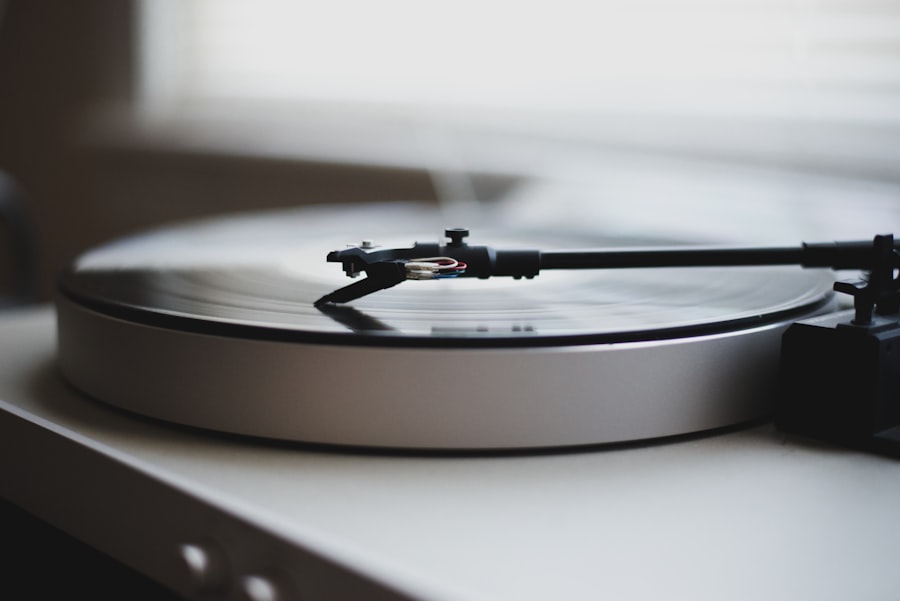
When it comes to the technical aspects of vinyl and streaming, there are significant differences that impact your listening experience. Vinyl records operate on an analog system, where sound waves are physically etched into grooves on a disc. When you play a record, a needle traverses these grooves, converting the vibrations into audio signals.
This analog process captures a wide range of frequencies and nuances that many audiophiles appreciate. If you enjoy the warmth and depth of sound that vinyl provides, you may find that it offers a more immersive listening experience compared to digital formats. Streaming, on the other hand, relies on digital technology to deliver music.
Audio files are compressed into formats like MP3 or AAC, which can lead to a loss of some sound quality due to data reduction. While streaming services have made significant strides in improving audio fidelity—offering high-resolution options like FLAC or lossless audio—there is still a fundamental difference between analog and digital sound reproduction. As you consider your preferences, think about how these technical distinctions influence your enjoyment of music and whether you prioritize warmth or convenience in your listening habits.
The Debate Over Sound Quality
The debate over sound quality between vinyl and streaming is a passionate one, often fueled by personal preferences and experiences. Many vinyl enthusiasts argue that the analog format provides a richer, more authentic sound that captures the essence of a recording. They often cite the warmth and depth of vinyl as key factors that enhance their listening experience.
If you’ve ever listened to a favorite album on vinyl, you may have noticed how certain details emerge more vividly compared to digital versions. Conversely, proponents of streaming emphasize the convenience and accessibility it offers without compromising too much on sound quality.
As you weigh these arguments, consider what aspects of sound quality matter most to you. Is it the nostalgic warmth of vinyl or the crisp clarity of digital audio? Your answer may guide your choices in how you consume music.
The Appeal of Vinyl
| Metric | Vinyl | Streaming |
|---|---|---|
| Audio Quality | Warm, analog sound with potential surface noise | Digital clarity, often compressed but lossless options available |
| Portability | Low – requires turntable and physical records | High – accessible on multiple devices anywhere |
| Ownership | Physical ownership of music | Access-based, no physical ownership |
| Cost | Higher initial cost per album | Subscription or free with ads |
| Music Library Size | Limited by physical collection | Millions of tracks instantly available |
| Durability | Susceptible to scratches and wear | Not applicable (digital files) |
| Environmental Impact | Manufacturing and shipping of physical media | Energy consumption of data centers and streaming |
| User Experience | Engaging, tactile, and collectible | Convenient, instant access, personalized playlists |
Vinyl records possess an undeniable charm that captivates many music lovers. The physicality of handling records—the weight of the disc, the ritual of cleaning it before play, and the visual appeal of album artwork—creates an experience that transcends mere listening. For you, collecting vinyl can become a hobby that fosters a deeper connection with artists and their work.
Each record tells a story, not just through its music but also through its packaging and history. Moreover, vinyl has become a cultural symbol in recent years, representing a return to authenticity in an increasingly digital world. Many artists release special editions or exclusive tracks on vinyl, appealing to collectors like yourself who appreciate limited releases.
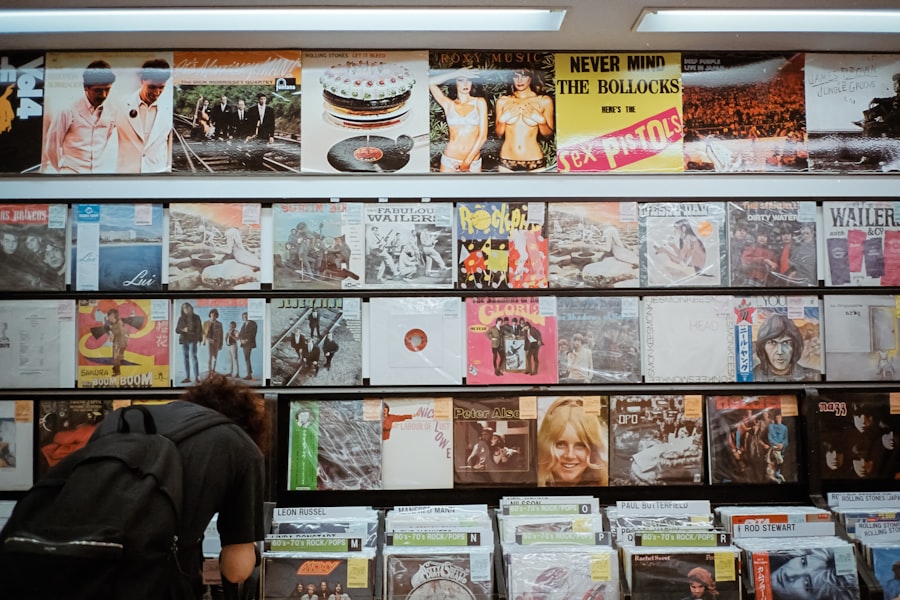
The act of browsing through record stores or attending vinyl fairs can be an adventure in itself, allowing you to discover hidden gems and connect with fellow enthusiasts who share your passion for music.
The Convenience of Streaming
While vinyl offers a unique experience, streaming services excel in convenience and accessibility. With just a few taps on your smartphone or clicks on your computer, you can access an extensive library of music spanning various genres and eras. This ease of use allows you to explore new artists and discover songs that resonate with your mood or interests at any given moment.
If you’re someone who values spontaneity in your music choices, streaming may be the ideal format for you. Additionally, streaming platforms often curate personalized playlists based on your listening habits, making it easier than ever to find new favorites without extensive searching. You can create playlists for different occasions or moods, allowing for a tailored listening experience that suits your lifestyle.
As you consider your daily routines—whether commuting, working out, or relaxing at home—think about how streaming can seamlessly integrate into your life while providing endless musical possibilities.
The Impact of Digitalization on Sound Quality
Digitalization has undeniably transformed how we consume music, but it has also raised questions about sound quality. The compression involved in creating digital audio files can lead to a loss of detail that some listeners find unacceptable. If you’ve ever compared a high-quality vinyl record to its digital counterpart, you may have noticed subtle differences in clarity and depth.
This phenomenon has sparked discussions among audiophiles about what constitutes “true” sound quality. However, it’s essential to recognize that advancements in technology have led to improvements in digital audio formats. High-resolution streaming options now allow for lossless audio quality that can rival vinyl in terms of fidelity.
As you explore these options, consider how much sound quality matters to you versus the convenience offered by digital formats. Your preferences will ultimately shape your listening experience as you navigate this digital landscape.
The Resurgence of Vinyl in the Digital Age
Despite the dominance of streaming services, vinyl has experienced a remarkable resurgence in recent years. Many people are rediscovering the joys of collecting records and engaging with music in a more tactile way. This revival is not merely a trend; it reflects a broader desire for authenticity in an age dominated by digital consumption.
If you’ve found yourself drawn to vinyl’s charm or nostalgia, you’re not alone—record sales have soared as new generations embrace this timeless format. Record labels have responded by releasing new albums on vinyl alongside digital versions, catering to both collectors and casual listeners alike. Special editions with unique artwork or colored vinyl have become popular among fans who appreciate the artistry behind physical media.
As you explore this resurgence, consider how it aligns with your own musical journey and whether adding vinyl to your collection could enhance your appreciation for music.
As technology continues to evolve, so too will the conversation around sound quality between vinyl and streaming. While vinyl enthusiasts will always champion its analog warmth and character, streaming services are likely to keep improving their audio fidelity options. The future may see even more innovations in both formats as they adapt to changing consumer preferences and technological advancements.
For you as a listener, this means having more choices than ever before when it comes to how you experience music. Whether you lean towards the nostalgic allure of vinyl or embrace the convenience of streaming, understanding these evolving dynamics will empower you to make informed decisions about your listening habits. Ultimately, finding the right balance between sound quality and convenience will shape your musical journey moving forward.
The Role of Music Collectors and Enthusiasts
Music collectors and enthusiasts play a vital role in shaping the landscape of both vinyl and streaming cultures. For those who cherish physical media like vinyl records, collecting becomes an art form—a way to preserve musical history while celebrating their favorite artists. You may find joy in hunting for rare pressings or attending record fairs where fellow collectors share their passion for music.
On the other hand, digital enthusiasts contribute to the evolution of streaming platforms by curating playlists and sharing recommendations within their communities. Their engagement helps foster a sense of connection among listeners who may never meet face-to-face but share similar tastes in music. As you navigate these communities—whether online or offline—you’ll discover opportunities to connect with others who share your love for music while expanding your own horizons.
Finding the Right Sound Quality for You
In conclusion, both vinyl records and streaming services offer distinct advantages that cater to different preferences and lifestyles. As you explore these formats further, consider what aspects resonate most with you—whether it’s the tactile experience of handling records or the convenience of having an entire library at your fingertips. Ultimately, finding the right sound quality is a personal journey shaped by your tastes and experiences.
As technology continues to evolve alongside musical trends, remember that there’s no one-size-fits-all answer when it comes to enjoying music. Embrace what speaks to you—whether it’s collecting vinyl records or curating playlists on streaming platforms—and allow yourself to fully immerse in the rich world of sound that awaits you. Your musical journey is uniquely yours; savor every moment as you discover new artists and revisit beloved classics along the way.
If you’re curious about the ongoing debate between vinyl and streaming music, you might find the article on Freaky Science insightful. It explores various aspects of audio quality, nostalgia, and the overall experience of listening to music in different formats. For more information, check out the article [here](https://www.freakyscience.com/sample-page/).
WATCH THIS! Can You Really Hear High-Res Audio? 🎶
FAQs
What is vinyl music?
Vinyl music refers to audio recordings pressed onto vinyl records, which are analog sound storage mediums played on turntables.
What is music streaming?
Music streaming is the digital delivery of audio content over the internet, allowing users to listen to music on-demand without owning physical copies.
Does vinyl offer better sound quality than streaming?
Vinyl provides an analog sound that some listeners describe as warmer and richer, but streaming quality depends on the bitrate and codec used. High-resolution streaming can offer sound quality comparable to or better than vinyl.
Is vinyl more durable than streaming?
Vinyl records can degrade over time with repeated play and improper storage, while streaming does not involve physical media and is not subject to wear.
Which format is more convenient, vinyl or streaming?
Streaming is generally more convenient due to instant access to vast music libraries on multiple devices, whereas vinyl requires physical storage and playback equipment.
Are vinyl records more expensive than streaming subscriptions?
Yes, vinyl records typically cost more per album than monthly streaming subscription fees, which provide access to millions of songs.
Can streaming services offer lossless audio?
Yes, many streaming platforms offer lossless or high-resolution audio options for improved sound quality.
Do vinyl records have a nostalgic or collectible value?
Yes, vinyl records often have collectible value and appeal to enthusiasts who appreciate the physical format and album artwork.
Is the environmental impact different between vinyl and streaming?
Vinyl production involves physical materials and manufacturing, which have environmental impacts, while streaming relies on data centers and energy consumption, each with different ecological footprints.
Can both vinyl and streaming coexist as music formats?
Yes, many music fans use both formats depending on their preferences for sound quality, convenience, and physical media enjoyment.