# The Resurgence of Vinyl Records
Vinyl records have experienced a significant increase in popularity over the past decade. Once considered outdated technology, vinyl has become a notable cultural trend among both experienced audiophiles and younger music enthusiasts. This revival extends beyond nostalgic appeal and demonstrates a genuine interest in the physical aspects of music consumption.
Record stores and vinyl markets have become gathering places where collectors actively engage with the format. The characteristic sound produced when a stylus contacts the record groove has become valued for its acoustic qualities, which many listeners associate with higher fidelity compared to compressed digital formats. Several factors have contributed to vinyl’s resurgence.
The format appeals to consumers seeking tangible products in an increasingly digital marketplace. The process of handling a record, placing it on a turntable, and manually flipping it between sides creates a deliberate listening experience that differs substantially from the immediate access provided by streaming services. Contemporary artists have recognized vinyl’s commercial and artistic value.
Many musicians now release albums on vinyl alongside digital formats, acknowledging that the medium offers distinct presentation possibilities. The vinyl format typically includes larger artwork and liner notes, providing additional context for the music. The vinyl revival reflects broader consumer preferences for physical media and intentional engagement with entertainment products rather than passive, on-demand consumption.
Experience the clarity and depth of sound like never before with high resolution audio.
Key Takeaways
- Vinyl records offer a nostalgic and tangible music experience with unique sound warmth and collectible value.
- Digital music provides unmatched convenience, portability, and on-demand customization for modern listeners.
- Vinyl album covers add artistic and visual appeal, enhancing the overall music experience.
- Environmental impacts vary between vinyl production and digital streaming, influencing sustainability considerations.
- Choosing between vinyl and digital depends on personal preferences for sound quality, accessibility, and music engagement.
The Convenience of Digital: The Modern Way to Listen
While vinyl has made a significant comeback, digital music remains the dominant force in how you consume audio today. The convenience of streaming services and digital downloads allows you to access millions of songs at your fingertips.
This accessibility is particularly appealing in our fast-paced lives, where time is often limited, and you want to maximize your listening experience. Digital music also offers unparalleled portability. You can take your entire music library with you wherever you go, whether you’re commuting to work, exercising at the gym, or traveling across the globe.
The ability to listen to music on various devices—smartphones, laptops, or even smart speakers—means that you can enjoy your favorite tunes anytime and anywhere. This flexibility is a significant advantage over vinyl, which requires a dedicated setup and careful handling. As you navigate your daily routine, the convenience of digital music allows you to seamlessly integrate sound into your life.
Sound Quality: Comparing the Clarity and Warmth
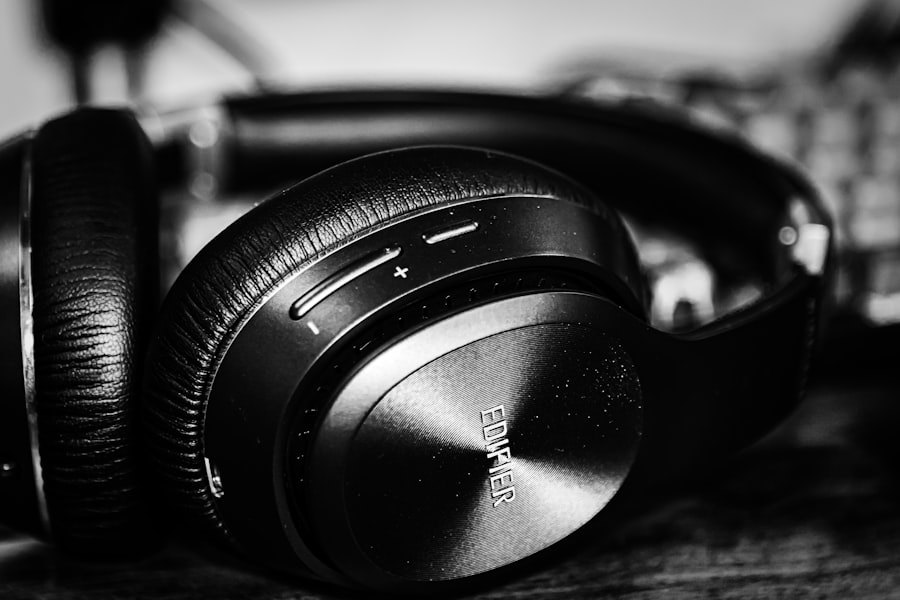
When it comes to sound quality, the debate between vinyl and digital is often passionate and subjective. You may have heard arguments from both sides regarding which format delivers a superior listening experience. Vinyl enthusiasts often argue that records provide a warmth and depth that digital formats struggle to replicate.
The analog nature of vinyl captures subtle nuances in music, creating a rich soundscape that many find appealing. As you listen to your favorite albums on vinyl, you might notice how certain instruments come alive in ways that digital recordings sometimes fail to convey. On the other hand, digital music has made significant strides in sound quality over the years.
High-resolution audio files and lossless formats have emerged, allowing you to enjoy music with remarkable clarity and detail. You may appreciate the precision of digital recordings, where every note is crisp and clear. Additionally, digital formats eliminate issues like surface noise and pops that can occur with vinyl records.
Ultimately, your preference for sound quality may depend on your personal taste and listening habits. Whether you lean towards the warmth of vinyl or the clarity of digital, both formats offer unique auditory experiences that cater to different sensibilities.
The Art of Album Cover: Vinyl’s Visual Appeal
One of the most captivating aspects of vinyl records is their album artwork. As you hold a large, beautifully designed cover in your hands, you can’t help but appreciate the artistry that goes into creating these visual representations of music. Vinyl covers often feature intricate designs, vibrant colors, and stunning photography that enhance your overall experience as a listener.
You may find yourself drawn to specific albums not just for their music but also for their visual appeal, making them worthy additions to your collection. In contrast, digital music often relegates album art to a small thumbnail on your screen. While some platforms allow for larger images when browsing through your library, they simply cannot replicate the immersive experience of holding a physical record cover.
The tactile nature of vinyl encourages you to engage with the artwork in a way that digital formats do not allow. As you explore your favorite albums on vinyl, you might find that the visual aspect enhances your connection to the music itself, creating a more holistic experience.
Portability and Accessibility: Digital’s Advantage
| Aspect | Vinyl | Digital Audio |
|---|---|---|
| Sound Quality | Warm, analog sound with natural distortion and harmonic richness | Clear, precise, and consistent sound with no analog noise |
| Dynamic Range | Typically around 55-70 dB | Up to 96 dB or higher (depending on format and bit depth) |
| Frequency Response | Approximately 20 Hz to 20 kHz (varies with pressing quality) | Typically 20 Hz to 20 kHz (CD quality and higher) |
| Durability | Susceptible to scratches, warping, and wear over time | Not subject to physical wear; files can be copied without degradation |
| Portability | Requires turntable and physical records; less portable | Highly portable; playable on many devices including smartphones |
| Storage Space | Large physical space needed for records | Minimal digital storage space required |
| Cost of Playback Equipment | Turntables and amplifiers can be costly and require maintenance | Wide range of affordable playback devices available |
| Editing and Manipulation | Limited; requires physical cutting and splicing | Easy and precise digital editing and manipulation |
| Noise | Surface noise and pops common | Generally noise-free unless low bitrate or compression artifacts |
| Authenticity and Experience | Physical interaction and nostalgic value | Convenience and accessibility prioritized |
While vinyl records offer a unique listening experience, they come with inherent limitations regarding portability and accessibility. You may find it challenging to carry multiple records with you when you’re on the go or traveling. The weight and fragility of vinyl make it less practical for everyday use compared to digital formats.
With digital music, you can easily store thousands of songs on your device without worrying about space or damage. This advantage allows you to curate playlists tailored to any occasion or mood. Moreover, digital platforms provide instant access to an extensive library of music from around the world.
This immediacy is particularly appealing in today’s fast-paced environment where time is often limited. As you navigate through various streaming services or download platforms, you’ll appreciate how easy it is to find exactly what you’re looking for without any hassle.
Collectability and Value: The Appeal of Vinyl Records
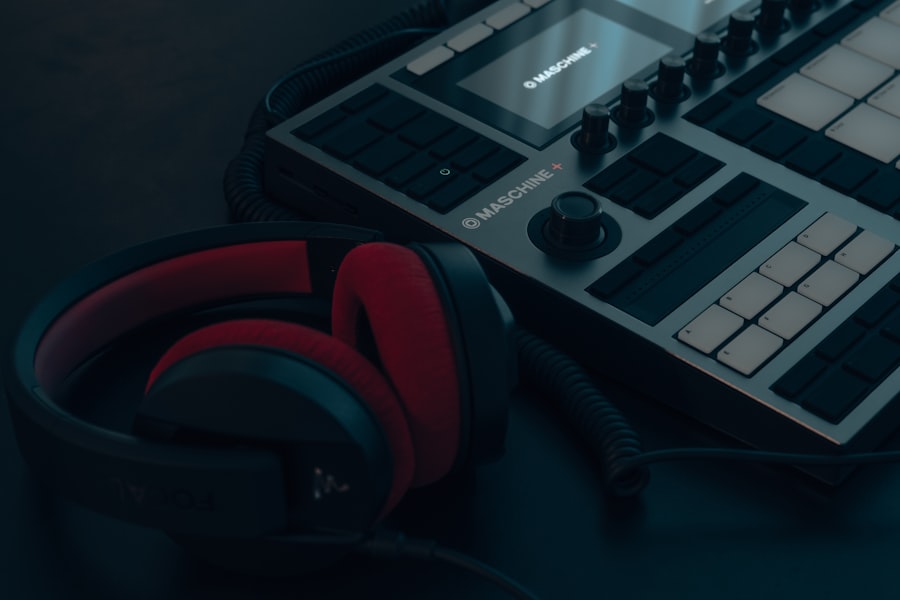
For many music lovers, collecting vinyl records goes beyond mere nostalgia; it represents a passion for preserving music history. You may find joy in hunting for rare pressings or limited editions that hold significant value among collectors. Vinyl records often come with unique features such as colored vinyl or special packaging that make them desirable items for enthusiasts like yourself.
This collectability adds an element of excitement to the hobby as you search for elusive gems to add to your collection. Additionally, vinyl records can appreciate in value over time, making them not only a source of enjoyment but also an investment opportunity. You might discover that certain albums have become highly sought after in collector circles, leading to increased prices on the resale market.
This potential for value growth adds another layer of appeal to vinyl collecting, as it allows you to engage with music in a way that transcends simple consumption.
The Vinyl Experience: Engaging with Music in a Tangible Way
Listening to vinyl records is an experience unlike any other; it invites you to engage with music in a tangible way. As you set up your turntable and carefully place the needle on the record, you’re participating in a ritual that connects you directly with the artist’s work. This hands-on approach fosters a deeper appreciation for the music itself as you become an active participant rather than a passive listener.
You may find yourself savoring each track as it plays through your speakers, allowing yourself to be fully immersed in the sound. Moreover, the act of flipping through your record collection can be an enjoyable journey down memory lane. Each album tells a story—whether it’s a cherished childhood favorite or a recent discovery—and as you explore your collection, you’re reminded of moments associated with those songs.
This emotional connection enhances your overall listening experience and reinforces why many people continue to choose vinyl as their preferred format.
The Digital Experience: Customization and On-Demand Listening
In contrast to the tactile nature of vinyl, digital music offers unparalleled customization options that cater to your individual preferences. With streaming services at your disposal, you can create personalized playlists based on mood, genre, or activity. This level of customization allows you to curate your listening experience in ways that align perfectly with your lifestyle.
Whether you’re looking for upbeat tracks for a workout or soothing melodies for relaxation, digital platforms make it easy for you to find exactly what you need. Additionally, on-demand listening has revolutionized how you consume music today. Instead of waiting for an album release or searching through record stores for specific titles, you can instantly access any song or album at any time.
This immediacy empowers you as a listener and allows for spontaneous musical exploration without limitations. As you navigate through vast libraries filled with diverse genres and artists from around the globe, you’ll appreciate how digital formats have transformed the way we engage with music.
Environmental Impact: Exploring the Sustainability of Vinyl and Digital
As concerns about environmental sustainability continue to grow, it’s essential to consider the ecological impact of both vinyl and digital formats. You may be aware that producing vinyl records involves significant resources—plastic production contributes to pollution while manufacturing processes generate waste materials. However, many record labels are now taking steps toward sustainability by using recycled materials and eco-friendly packaging options.
On the other hand, digital music has its own environmental footprint associated with data storage and streaming services’ energy consumption. While it eliminates physical waste associated with manufacturing records, data centers require substantial energy resources to operate efficiently. As you weigh these factors in your decision-making process regarding audio formats, it’s crucial to consider how each option aligns with your values surrounding sustainability.
The Future of Audio: Predictions for Vinyl and Digital Trends
Looking ahead into the future of audio consumption, it’s clear that both vinyl and digital formats will continue to coexist but evolve in distinct ways. You might anticipate further innovations within digital platforms—enhanced sound quality options like spatial audio could redefine how we experience music online while maintaining convenience as a priority. Conversely, vinyl’s resurgence shows no signs of slowing down; collectors will likely continue seeking out rare pressings while new generations embrace this nostalgic format as part of their musical journey.
As technology advances alongside cultural shifts toward authenticity and craftsmanship appreciation—both formats will adapt accordingly—creating exciting possibilities for listeners like yourself.
Making the Choice: Finding the Right Format for You
Ultimately, choosing between vinyl and digital formats comes down to personal preference and lifestyle considerations. If you’re drawn to nostalgia and enjoy engaging with music in a tangible way—vinyl may be your ideal choice; its warmth and collectability offer an enriching experience that transcends mere listening. However, if convenience and accessibility are paramount—digital formats provide unparalleled flexibility tailored specifically for modern living; allowing seamless integration into daily routines without sacrificing quality or variety.
As you navigate this decision-making process—consider what aspects resonate most deeply within yourself—whether it’s immersing yourself fully into each note through analog warmth or curating playlists effortlessly via streaming services—there’s no right answer—only what feels right for YOU!
For those interested in exploring the ongoing debate between vinyl and digital audio, a related article can be found on Freaky Science. This article delves into the nuances of sound quality, listener experience, and the resurgence of vinyl in the digital age. You can read more about it by visiting Freaky Science.
WATCH THIS! Can You Really Hear High-Res Audio? 🎶
FAQs
What is the main difference between vinyl and digital audio?
Vinyl audio is an analog format that stores sound as physical grooves on a record, while digital audio converts sound into binary data, which is then played back through electronic devices.
Does vinyl audio provide better sound quality than digital?
Sound quality depends on various factors including equipment, recording quality, and personal preference. Vinyl is often praised for its warm, natural sound, while digital audio offers clarity, precision, and consistency without degradation over time.
Can digital audio replicate the sound of vinyl?
Digital audio can be processed with effects and filters to mimic vinyl characteristics such as warmth and surface noise, but it is inherently different due to its digital nature.
Which format is more durable, vinyl or digital?
Digital audio files do not degrade with use and can be backed up easily, making them more durable in the long term. Vinyl records can wear out or get damaged from handling and playback.
Is vinyl more expensive than digital audio?
Vinyl records and the necessary playback equipment generally cost more than digital audio files and devices, which can be accessed and stored at minimal cost.
Can digital audio be easily shared compared to vinyl?
Yes, digital audio files can be easily copied, shared, and streamed over the internet, whereas vinyl records are physical items that require shipping or in-person exchange.
Do vinyl records require special equipment to play?
Yes, vinyl records require a turntable and often additional components like amplifiers and speakers, while digital audio can be played on a wide range of devices including smartphones, computers, and digital players.
Is there a difference in audio resolution between vinyl and digital?
Digital audio resolution is defined by sample rate and bit depth, allowing for very high fidelity recordings. Vinyl’s resolution is limited by physical groove size and playback equipment, resulting in a different but often subjectively pleasing sound.
Which format is better for collectors?
Vinyl is often preferred by collectors due to its tangible nature, artwork, and nostalgic value, whereas digital audio is more practical for everyday listening and portability.
Can vinyl records be damaged by environmental factors?
Yes, vinyl records are sensitive to heat, dust, scratches, and warping, which can affect playback quality. Digital audio files are immune to such physical damage.