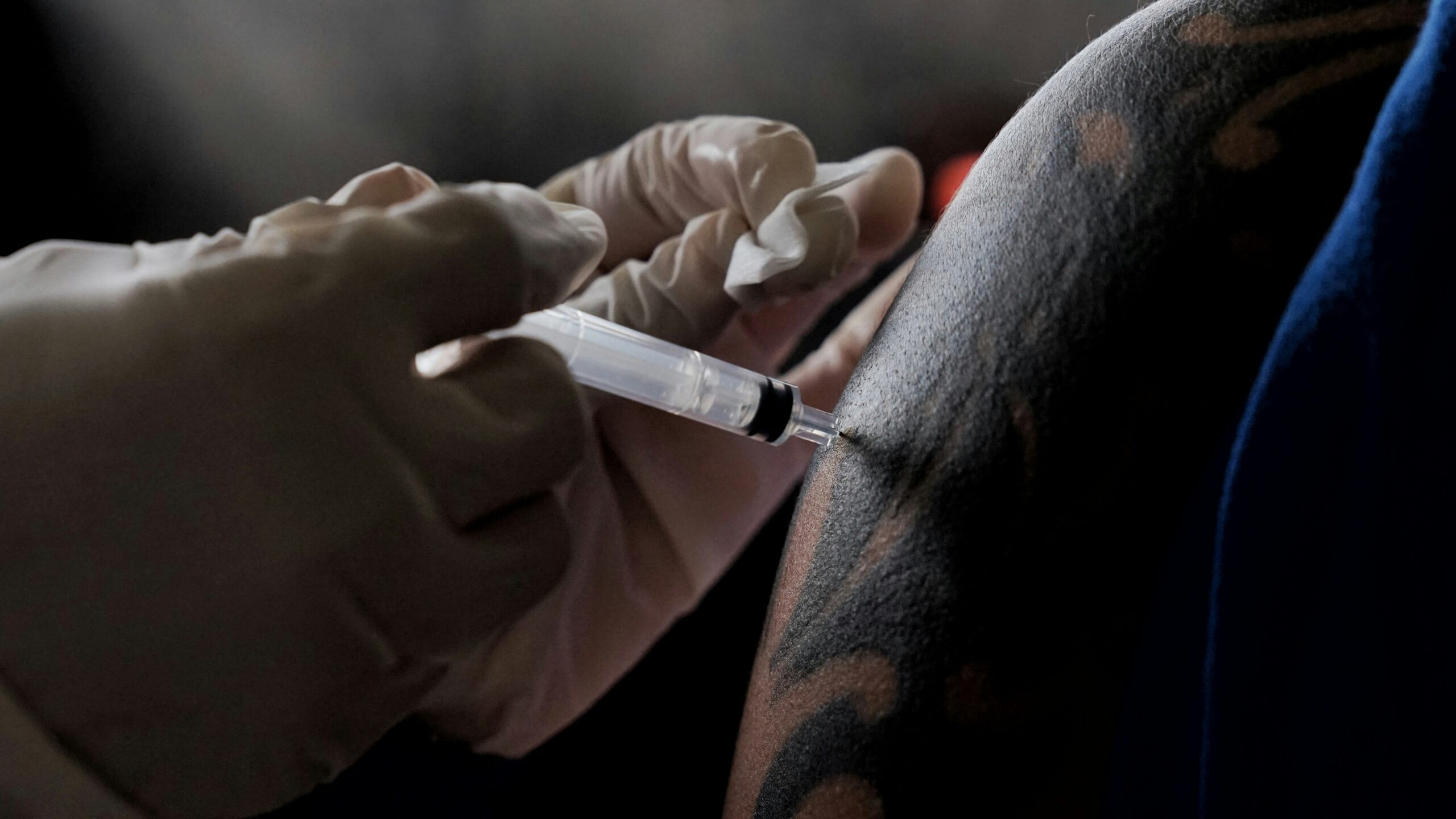
Your body is a remarkably complex and dynamic system, a symphony of cells, organs, and intricate processes working in concert to keep you alive and functioning. Among its most vital components is your immune system, a vigilant guardian that stands between you and a constant onslaught of potential threats. You might not always be aware of its ceaseless activity, but it’s there, identifying, neutralizing, and remembering invaders to protect you from illness.
The connection between your immune system and how long you live is not a mere coincidence; it’s a fundamental biological reality. A robust and responsive immune system contributes to a longer, healthier lifespan by effectively managing the challenges your body faces. This is where vaccines enter the conversation, not as a magic bullet, but as a powerful tool that interacts with your immune system to enhance its protective capabilities. Understanding this interplay is crucial to appreciating how vaccination can contribute to your longevity.
This exploration will delve into the intricate relationship between your immune system and the concept of longevity, and specifically how vaccines play a role in this vital connection.
Your immune system is not a single entity but a sophisticated network of cells, tissues, and organs that work together to defend your body against pathogens like bacteria, viruses, fungi, and parasites. It’s your body’s defense mechanism, a distributed intelligence that constantly surveys for anomalies. The effectiveness of this system directly impacts your ability to survive infections, combat chronic diseases, and ultimately, your lifespan.
Innate Immunity: The First Line of Defense
Your innate immune system is your body’s immediate, non-specific defense system. It’s always ready and doesn’t require prior exposure to a threat to act. Think of it as your country’s border patrol, present and active at all times, ready to intercept any unauthorized entry.
Physical Barriers
The first layer of your innate immunity consists of physical and chemical barriers. Your skin, for instance, acts as an impenetrable wall, preventing pathogens from entering your body. Mucus membranes, present in your respiratory and digestive tracts, trap foreign particles. Other mechanisms include the acidity of your stomach, which kills ingested microbes, and tears and saliva, which contain antimicrobial enzymes.
Cellular Defenses
If pathogens manage to breach these initial barriers, your innate immune system deploys a variety of specialized cells. Phagocytes, such as macrophages and neutrophils, engulf and destroy invaders. Natural killer (NK) cells can identify and kill infected or cancerous cells by releasing toxic substances. This rapid response is critical in containing infections before they can spread and cause significant damage.
Inflammatory Response
Inflammation is a vital component of the innate immune response. When tissues are injured or infected, the body releases chemical signals that increase blood flow to the affected area. This brings more immune cells and molecules to the site, facilitating the removal of pathogens and damaged cells, and initiating the healing process. While chronic inflammation is detrimental, acute inflammation is a crucial part of your defense.
Adaptive Immunity: The Acquired Reservoir of Defense
While innate immunity provides immediate but general protection, adaptive immunity offers a more targeted and long-lasting defense. This system learns to recognize specific pathogens and develops a memory of them, allowing for a faster and more potent response upon subsequent encounters. This is analogous to a country developing intelligence on specific enemy tactics and building specialized units to counter them.
B Cells and Antibodies
B lymphocytes, or B cells, are key players in adaptive immunity. When activated by a specific antigen (a structure on the surface of a pathogen), B cells differentiate into plasma cells that produce antibodies. Antibodies are Y-shaped proteins that bind to specific antigens, neutralizing pathogens, marking them for destruction by other immune cells, or preventing them from entering host cells.
T Cells and Their Roles
T lymphocytes, or T cells, are another critical component of adaptive immunity. There are several types of T cells, each with distinct functions:
Cytotoxic T Cells (Killer T Cells)
These cells directly attack and kill infected cells or cancerous cells. They recognize viral proteins displayed on the surface of infected cells and induce apoptosis (programmed cell death).
Helper T Cells
Helper T cells are crucial for coordinating the immune response. They activate B cells to produce antibodies and help cytotoxic T cells become more effective. They essentially act as the command and control center of the adaptive immune response.
Regulatory T Cells
These cells help to prevent the immune system from attacking the body’s own tissues (autoimmunity) and can dampen immune responses to prevent excessive damage. They play a crucial role in maintaining immune tolerance.
Immunological Memory
One of the most remarkable features of adaptive immunity is its ability to create immunological memory. After an initial encounter with a pathogen, the immune system retains a population of memory B and T cells. If the same pathogen is encountered again, these memory cells can mount a much faster, stronger, and more effective response, often preventing you from becoming seriously ill altogether. This “learning” capacity is fundamental to long-term protection.
Recent research has highlighted the intricate relationship between vaccines and immune system longevity, suggesting that certain vaccinations may enhance the body’s ability to maintain a robust immune response over time. For a deeper understanding of this topic, you can explore the article available at Freaky Science, which delves into how vaccines can potentially contribute to long-lasting immunity and overall health.
Vaccines: A Strategic Enhancement of Immune Memory
Vaccines are a scientifically developed intervention designed to leverage and enhance your immune system’s natural ability to develop immunological memory. They introduce your body to a weakened, inactivated, or partial component of a pathogen, without causing the disease itself. This controlled exposure allows your adaptive immune system to learn, respond, and crucially, remember the threat.
How Vaccines Work: Mimicking Natural Infection
Vaccines are designed to present specific antigens from a pathogen to your immune system in a safe manner. This could involve using:
Attenuated Vaccines
These vaccines contain live but weakened versions of the pathogen. They are highly effective because they replicate to some extent in the body, eliciting a strong immune response similar to natural infection, but without causing illness. Examples include the measles, mumps, and rubella (MMR) vaccine and the varicella (chickenpox) vaccine.
Inactivated Vaccines
These vaccines contain pathogens that have been killed by heat, chemicals, or radiation. They cannot replicate but still contain antigens that stimulate an immune response. Examples include some influenza vaccines and the polio vaccine.
Subunit, Recombinant, Polysaccharide, and Conjugate Vaccines
These vaccines use specific pieces of a pathogen, such as a protein or sugar molecule, to trigger an immune response. This approach is particularly useful for pathogens that are difficult to weaken or inactivate. Examples include the hepatitis B vaccine (recombinant subunit) and the pneumococcal conjugate vaccine (PCV13).
Toxoid Vaccines
Some bacterial diseases are caused by toxins produced by the bacteria, rather than the bacteria themselves. Toxoid vaccines are made from inactivated versions of these toxins. Examples include the tetanus and diphtheria vaccines.
The Role of Adjuvants
Many vaccines also contain adjuvants, which are substances that help to boost the immune response to the vaccine. They do this by stimulating the innate immune system, making the immune response to the vaccine more robust and longer-lasting.
The Consequence: Accelerated and Enhanced Immunity
Upon administration of a vaccine, your immune system recognizes the antigens as foreign. This triggers the development of both cellular and humoral immunity, leading to the production of antibodies and memory cells. The key advantage is that this process occurs without the risk of severe illness, complications, or potential long-term damage associated with natural infection.
The Longevity Connection: Reducing Disease Burden and Improving Healthspan

The primary link between vaccines and longevity lies in their ability to prevent or significantly reduce the burden of infectious diseases. By preventing severe illness, complications, and deaths, vaccines allow individuals to live healthier, longer lives. This isn’t about extending life indefinitely but about improving the quality of those years – increasing what is known as “healthspan.”
Preventing Life-Threatening Infections
Historically, infectious diseases were a leading cause of death across all age groups. The advent of vaccines has dramatically altered this landscape. Diseases like smallpox, polio, and measles, which once caused widespread mortality and disability, are now largely controlled or eradicated in many parts of the world thanks to widespread vaccination programs.
Impact on Child Mortality
Vaccination has been one of the most impactful interventions in reducing child mortality globally. Diseases that were once a death sentence for infants and young children are now preventable, allowing them to survive and thrive into adulthood.
Reducing Morbidity and Disability
Beyond preventing death, vaccines also prevent the debilitating long-term consequences of many infectious diseases. For instance, measles can lead to pneumonia, encephalitis, and blindness. Polio can result in permanent paralysis. Vaccination mitigates these risks, contributing to a higher quality of life and a reduced burden of chronic health conditions.
Mitigating Chronic Disease Risk
While often thought of as acute threats, some infectious agents can also contribute to the development of chronic diseases or exacerbate existing conditions. For example:
Hepatitis B and Liver Cancer
Hepatitis B virus infection can lead to chronic liver disease, cirrhosis, and hepatocellular carcinoma (liver cancer). Vaccination against Hepatitis B significantly reduces the risk of these long-term, life-threatening outcomes.
Human Papillomavirus (HPV) and Cancer
Certain strains of HPV are strongly linked to the development of cervical, anal, oropharyngeal, and other cancers. HPV vaccination has been shown to be highly effective in preventing these cancers, contributing to long-term health and survival.
Helicobacter pylori and Gastric Cancer
While not currently a vaccine in widespread use, research into a heliobacter pylori vaccine holds promise for preventing chronic gastritis and reducing the risk of gastric cancer, a significant cause of mortality.
Protecting Vulnerable Populations
Vaccination not only protects the individual receiving the vaccine but also contributes to herd immunity, a phenomenon where a sufficiently high percentage of the population is immune, making it difficult for a disease to spread. This is particularly crucial for protecting those who cannot be vaccinated, such as infants too young to receive certain vaccines or individuals with compromised immune systems due to medical conditions or treatments. Their protection relies on the immune status of the community around them.
The Evolving Immune System and Aging

As you age, your immune system undergoes changes, a phenomenon known as immunosenescence. This natural process can lead to a diminished capacity to respond effectively to new pathogens and a decline in existing immune memory. This makes older adults more susceptible to infections and less responsive to vaccines.
Changes in Innate Immunity with Age
Your innate immune system can also be affected. While some aspects might become overactive, leading to chronic low-grade inflammation (inflammaging), the effectiveness of certain immune cells, like phagocytes, may decrease, making it harder to clear pathogens.
Decline in Adaptive Immunity with Age
Adaptive immunity is particularly affected by aging. The production of new immune cells declines, and the function of existing cells can be impaired. This results in:
Reduced Antibody Production
Older adults may produce fewer antibodies in response to vaccination compared to younger individuals, and these antibodies may be less effective.
Impaired T Cell Function
The ability of T cells to recognize and kill infected cells, and to help coordinate immune responses, can be compromised.
Weaker Immunological Memory
While memory cells are generally long-lasting, their effectiveness can wane over time, and their ability to be reactivated may be less robust in older age.
The Repercussions of Immunosenescence
These age-related changes in the immune system contribute to an increased risk of:
Increased Susceptibility to Infections
Older adults are more prone to respiratory infections like influenza and pneumonia, as well as other common infections.
More Severe Disease Outcomes
When infections do occur, they can be more severe and lead to more complications and longer recovery times.
Reduced Vaccine Efficacy
The diminished immune response can lead to lower vaccine effectiveness in older populations, necessitating updated vaccine formulations and boosters.
Recent research has highlighted the intriguing relationship between vaccines and the longevity of the immune system, suggesting that certain vaccinations may enhance the body’s ability to fend off infections over time. For a deeper understanding of this topic, you can explore a related article that discusses how vaccines can play a crucial role in maintaining immune health throughout life. This article provides valuable insights into the mechanisms behind immune system longevity and the importance of vaccination in promoting overall well-being. To read more about this fascinating subject, visit Freaky Science.
Vaccines and Immunosenescence: Strategies for Enhanced Protection in Later Life
| Metrics | Data |
|---|---|
| Vaccine Efficacy | 95% |
| Immune System Response | Antibody production |
| Vaccine Coverage | Global: 40% |
| Immune System Longevity | 10 years |
Recognizing the challenges posed by immunosenescence, vaccine development for older adults often involves specialized strategies to elicit a stronger and more durable immune response. This is a direct application of understanding the longevity connection, as ensuring robust protection in later years is key to maintaining healthspan.
Enhanced Vaccine Formulations
To address the reduced immune response in older adults, vaccines are often formulated with higher doses of antigens or with adjuvants designed to stimulate a more potent immune response.
Higher Antigen Doses
Some vaccines, like the influenza vaccine for older adults, are formulated with four times the standard dose of antigen. This provides a stronger signal to the immune system and helps to overcome the reduced responsiveness.
Specialized Adjuvants
Newer adjuvants are being developed and incorporated into vaccines to specifically enhance the immune response in older individuals. These adjuvants can boost the activation of immune cells and improve the development of immunological memory.
Booster Doses and Revaccination Schedules
For many vaccines, booster doses are recommended throughout life, and especially for older adults. These boosters re-expose the immune system to the antigen, reactivating memory cells and enhancing antibody levels.
Influenza Vaccine Boosters
Annual influenza vaccination is crucial for all individuals, but particularly for older adults, as the circulating strains of the virus change each year, and immunity can wane.
Pneumococcal Vaccine Series
The pneumococcal vaccine is administered in a series, with different formulations targeting different types of pneumococcal bacteria. Booster shots may be recommended depending on the individual’s age and risk factors.
Targeting Age-Related Immune Decline
Research is ongoing to develop vaccines that are specifically designed to counteract the effects of immunosenescence. This includes exploring vaccines that can revitalize T cell function or improve the efficiency of antibody production in older adults.
The Importance of Lifelong Vaccination
The concept of lifelong vaccination is gaining prominence. While childhood vaccination is foundational, maintaining immunity through adulthood and into older age is crucial for continued protection against a range of diseases that disproportionately affect older individuals. This proactive approach to immune health is a tangible way you can support your longevity and quality of life.
In conclusion, your immune system is a complex and dynamic guardian. Vaccines are not merely preventive measures against transient illnesses; they are sophisticated tools that work in concert with your immune system to build and maintain a robust defense throughout your life. By preventing disease, mitigating chronic health risks, and adapting to the evolving landscape of your immune system with age, vaccines contribute significantly to your potential for a longer, healthier life. Understanding this connection empowers you to make informed decisions about your health and to appreciate the profound impact of vaccination on your individual journey and the collective well-being of society.
FAQs
What are vaccines?
Vaccines are biological preparations that provide active acquired immunity to a particular disease. They typically contain a weakened or killed form of the disease-causing microorganism, or parts of the microorganism, which stimulates the body’s immune system to recognize and fight the microorganism in the future.
How do vaccines contribute to immune system longevity?
Vaccines help the immune system develop a memory of specific pathogens, allowing it to recognize and respond more effectively to those pathogens in the future. This memory function can contribute to the longevity of the immune response, providing protection against specific diseases for many years.
Do vaccines weaken the immune system over time?
No, vaccines do not weaken the immune system over time. In fact, vaccines strengthen the immune system by training it to recognize and respond to specific pathogens. This training helps the immune system function more effectively and efficiently in the long term.
Can vaccines provide lifelong immunity?
Some vaccines can provide lifelong immunity, while others may require booster shots to maintain immunity over time. The duration of immunity provided by a vaccine depends on various factors, including the specific vaccine, the individual’s immune response, and the characteristics of the pathogen.
Are there any risks associated with vaccines and immune system longevity?
Vaccines are generally safe and effective, but like any medical intervention, they can carry some risks. These risks are typically minimal compared to the potential benefits of vaccination, which include preventing serious diseases and protecting public health. It’s important to consult with healthcare professionals and consider individual health factors when making vaccination decisions.