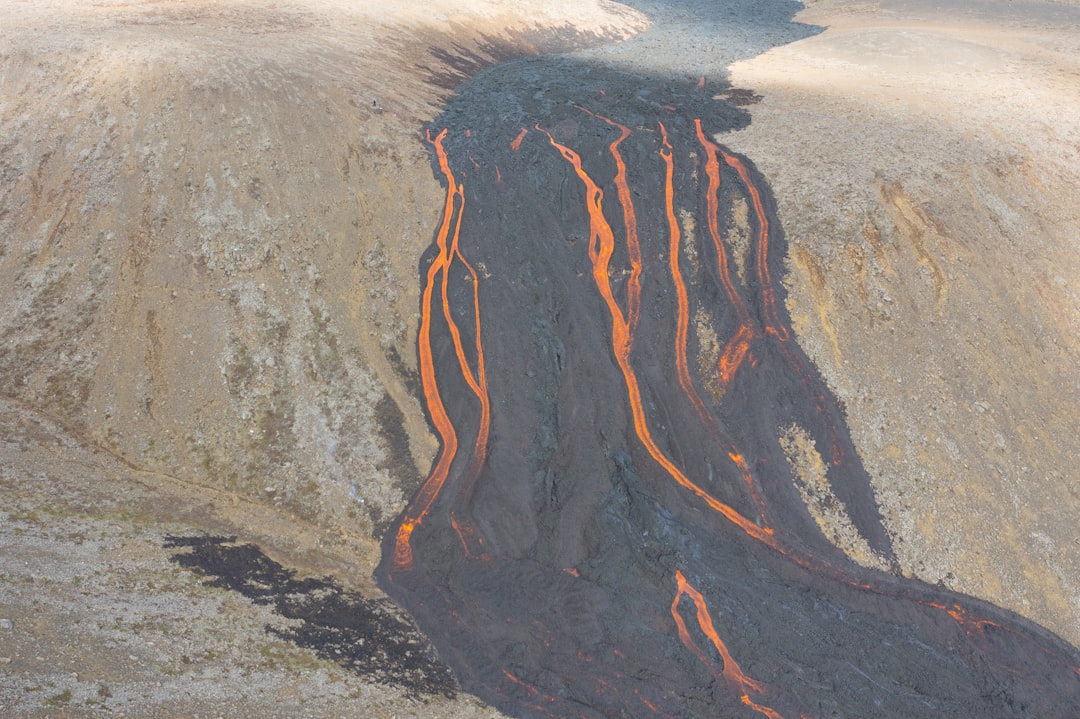
Mantle plume hotspot volcanism is a significant geological process in which hot, buoyant material rises from the Earth’s deep mantle and causes volcanic activity at the surface. This type of volcanism differs from typical volcanic eruptions that occur along tectonic plate boundaries, as hotspot volcanism can take place within the interior of tectonic plates, producing isolated volcanic islands and extensive lava fields. The mantle plume theory has substantially advanced scientific understanding of volcanic processes and revealed important information about the mechanisms that modify Earth’s surface.
Understanding mantle plumes is essential for comprehending both volcanic activity and the broader mechanisms of plate tectonics. Mantle plumes are believed to originate from deep within the mantle, potentially at the core-mantle boundary, and their upward movement creates significant geological features. As research progresses, scientists continue to identify the connections between mantle plumes, tectonic movements, and the development of various geological structures.
This article examines the formation, characteristics, and significance of mantle plume hotspot volcanism and its contribution to Earth’s geological development.
Key Takeaways
- Mantle plumes are upwellings of hot rock from deep within the Earth that create hotspot volcanism independent of plate boundaries.
- These plumes form from thermal instabilities in the mantle and produce distinctive volcanic features like island chains.
- Mantle plume activity plays a significant role in plate tectonics by influencing lithospheric movement and volcanic activity.
- Famous hotspots such as Hawaii and Yellowstone provide key evidence for mantle plume processes and their geological impact.
- Ongoing research and debate focus on the origin, dynamics, and implications of mantle plumes for Earth’s geological history and future.
The Formation of Mantle Plumes
The formation of mantle plumes is a complex process that begins deep within the Earth’s mantle. Scientists theorize that these plumes originate from thermal anomalies—areas where heat is concentrated due to various geological processes. As heat rises from the core, it can create a localized region of molten rock that becomes less dense than its surroundings.
This buoyant material then begins to ascend through the mantle, often taking thousands to millions of years to reach the Earth’s crust. As mantle plumes rise, they can interact with surrounding materials, causing melting and generating magma. This process is influenced by factors such as pressure, temperature, and the composition of the surrounding rocks.
The ascent of a mantle plume can lead to the formation of a hotspot, where volcanic activity occurs at the surface. Over time, as the plume continues to feed magma to the surface, it can create a series of volcanic eruptions that contribute to the development of large volcanic islands or extensive lava plateaus. The Earth’s Magnetic Field plays a crucial role in protecting our planet from solar radiation.
Characteristics of Mantle Plume Hotspot Volcanism

Mantle plume hotspot volcanism is characterized by several distinct features that set it apart from other types of volcanic activity. One of the most notable characteristics is its location; hotspots can occur far from tectonic plate boundaries, often in the middle of tectonic plates. This unique positioning allows for the formation of volcanic islands, such as those found in Hawaii, which are created by the continuous eruption of magma from a stationary mantle plume beneath a moving tectonic plate.
Another defining feature of mantle plume volcanism is its longevity. Hotspots can remain active for millions of years, producing a series of volcanic eruptions over an extended period. This sustained activity can lead to the creation of extensive volcanic chains or island arcs as tectonic plates move over the stationary plume.
The age progression of these volcanic features provides valuable information about the movement of tectonic plates and the history of volcanic activity in a region.
The Role of Mantle Plumes in Plate Tectonics
Mantle plumes play a significant role in the dynamics of plate tectonics, influencing both volcanic activity and the movement of tectonic plates themselves. As a tectonic plate moves over a stationary mantle plume, it can create a series of volcanic islands or seamounts that trace the path of the plate’s movement. This phenomenon is evident in the Hawaiian Islands, where each island represents a different stage in the life cycle of volcanic activity associated with a single hotspot.
This can lead to rifting or other forms of tectonic deformation as the crust responds to changes in temperature and pressure. The interaction between mantle plumes and tectonic plates highlights the interconnectedness of geological processes and underscores the importance of studying these phenomena to gain a comprehensive understanding of Earth’s geology.
Famous Examples of Mantle Plume Hotspot Volcanism
| Metric | Description | Example | Typical Value/Range |
|---|---|---|---|
| Temperature Anomaly | Temperature increase in mantle plume compared to surrounding mantle | Hawaii hotspot | 100-300 °C above ambient mantle |
| Volcanic Output Rate | Volume of magma produced per year | Yellowstone hotspot | 0.1 to 1 km³/year |
| Plume Diameter | Width of the mantle plume conduit | Reykjanes hotspot | 100-300 km |
| Age Progression Rate | Rate at which volcanic islands or seamounts age away from hotspot | Hawaiian-Emperor seamount chain | 5-10 cm/year (plate movement rate) |
| Depth of Plume Origin | Depth in mantle where plume originates | General mantle plume | ~2,800 to 3,000 km (core-mantle boundary) |
| Seismic Velocity Anomaly | Reduction in seismic wave velocity due to hot plume material | Afro-Arabian hotspot | Up to 5-10% slower than surrounding mantle |
Several well-known examples illustrate the impact and significance of mantle plume hotspot volcanism. The Hawaiian Islands are perhaps the most famous case, formed by a hotspot located beneath the Pacific Plate. As this plate moves northwestward over the stationary plume, it has created a chain of islands and seamounts that provide insight into both volcanic activity and plate tectonics.
The youngest island, Hawaii (the Big Island), is currently situated directly above the hotspot and continues to experience active eruptions. Another notable example is Yellowstone National Park in the United States, which sits atop a massive hotspot that has produced some of the largest volcanic eruptions in Earth’s history. The Yellowstone Caldera is a result of repeated explosive eruptions fueled by magma generated from a mantle plume.
The geothermal features found in Yellowstone today, such as geysers and hot springs, are direct manifestations of this ongoing volcanic activity and serve as reminders of the power and potential hazards associated with mantle plumes.
The Impact of Mantle Plumes on Earth’s Surface
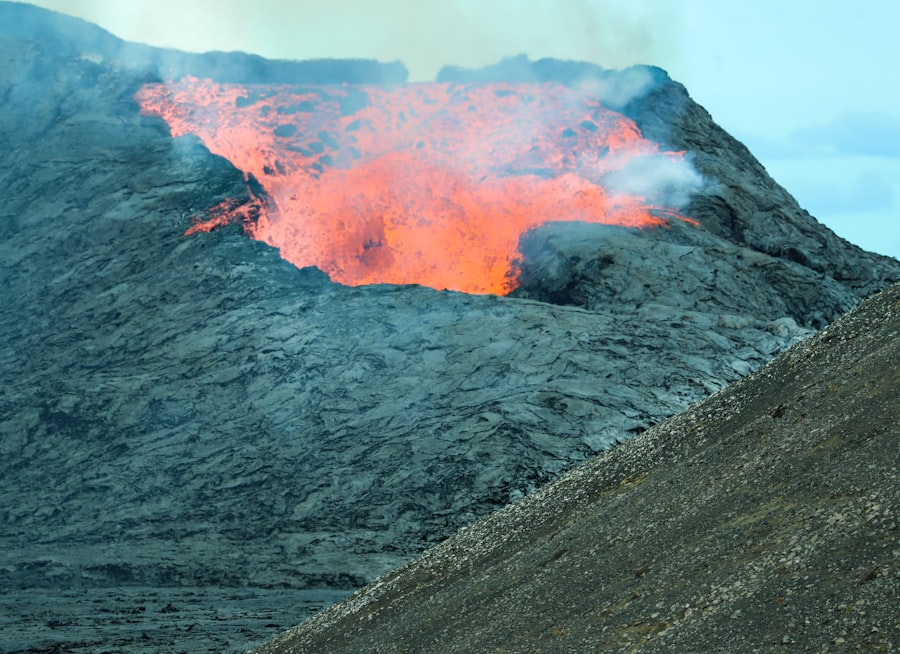
The impact of mantle plumes on Earth’s surface is profound and multifaceted. Through their volcanic activity, mantle plumes contribute to the formation of new landforms and geological features. The creation of volcanic islands, such as those in Hawaii or Iceland, alters coastal landscapes and provides unique ecosystems that thrive in these environments.
Additionally, lava flows from hotspot eruptions can reshape entire regions, creating vast plateaus or altering existing topography.
Large-scale eruptions associated with mantle plumes can release significant amounts of ash and gases into the atmosphere, potentially leading to short-term climate changes.
For instance, past supereruptions from hotspots like Yellowstone have been linked to global cooling events due to their ability to inject aerosols into the stratosphere. Understanding these impacts is crucial for assessing both historical climate patterns and potential future changes driven by volcanic activity.
The Connection Between Mantle Plumes and Hotspot Tracks
The relationship between mantle plumes and hotspot tracks is an essential aspect of understanding geological processes on Earth. Hotspot tracks are linear chains of volcanoes that form as tectonic plates move over stationary mantle plumes. As a plate shifts position over time, it creates new volcanic islands while older ones become inactive and erode away.
This sequential formation results in a trail that reflects both the movement of the tectonic plate and the persistence of the underlying mantle plume. The study of hotspot tracks provides valuable insights into plate tectonics and helps geologists reconstruct past movements of tectonic plates. By analyzing the age and composition of volcanic rocks along these tracks, scientists can infer information about plate velocities and directions over millions of years.
This connection between mantle plumes and hotspot tracks not only enhances understanding of Earth’s geological history but also aids in predicting future volcanic activity associated with these dynamic systems.
The Debate Surrounding Mantle Plume Theory
Despite its significance in geology, mantle plume theory has not been without controversy. Some scientists argue against the existence or importance of mantle plumes, suggesting alternative explanations for hotspot volcanism based on other geological processes such as rifting or subduction dynamics. Critics point out that not all hotspots exhibit clear evidence of underlying plumes, leading to debates about whether these features are truly stationary or if they are influenced by other factors.
Furthermore, advancements in geophysical imaging techniques have provided new data that challenge traditional views on mantle plumes. Some researchers propose that what were once thought to be plumes may instead be manifestations of broader mantle convection patterns or other complex interactions within Earth’s interior. This ongoing debate highlights the need for continued research and exploration into the nature and behavior of mantle plumes as scientists strive to unravel the complexities of Earth’s geology.
The Future of Research on Mantle Plume Hotspot Volcanism
The future of research on mantle plume hotspot volcanism holds great promise as advancements in technology and methodology continue to enhance scientific understanding. Improved imaging techniques such as seismic tomography allow researchers to visualize structures deep within the Earth’s mantle with greater clarity than ever before. These tools enable scientists to investigate the characteristics and behavior of mantle plumes more effectively, potentially leading to new discoveries about their origins and impacts.
Additionally, interdisciplinary approaches that combine geology with geophysics, geochemistry, and even climate science will likely yield richer insights into how mantle plumes interact with other geological processes. As researchers continue to explore these connections, they may uncover new relationships between mantle plumes and phenomena such as earthquakes or climate change. The ongoing study of mantle plume hotspot volcanism promises not only to deepen understanding but also to inform strategies for mitigating potential hazards associated with volcanic activity.
Implications for Understanding Earth’s Geological History
The study of mantle plume hotspot volcanism has far-reaching implications for understanding Earth’s geological history. By examining hotspot tracks and associated volcanic features, scientists can reconstruct past tectonic movements and gain insights into how continents have shifted over millions of years. This knowledge contributes to broader theories about continental drift and plate tectonics, helping to piece together Earth’s dynamic history.
Moreover, understanding mantle plume activity provides context for significant geological events such as mass extinctions or climate shifts linked to large-scale volcanic eruptions. By analyzing past eruptions associated with hotspots like Yellowstone or Deccan Traps in India, researchers can better comprehend how these events influenced biodiversity and climate patterns throughout Earth’s history. Ultimately, unraveling the complexities surrounding mantle plume hotspot volcanism enriches our understanding not only of geological processes but also their profound effects on life on Earth.
Unveiling the Power of Mantle Plume Hotspot Volcanism
In conclusion, mantle plume hotspot volcanism represents a powerful force shaping Earth’s surface and influencing its geological history. From their formation deep within the mantle to their impact on landscapes and ecosystems at the surface, these phenomena offer valuable insights into both volcanic activity and plate tectonics. Famous examples like Hawaii and Yellowstone illustrate how these processes create unique geological features while also posing potential hazards.
As research continues to evolve, scientists are poised to uncover even more about mantle plumes and their role in Earth’s dynamic systems. The ongoing debate surrounding their existence underscores the complexity inherent in geological processes and highlights the need for continued exploration in this field. Ultimately, understanding mantle plume hotspot volcanism not only enriches knowledge about Earth’s past but also informs predictions about its future—unveiling a world where deep geological forces continue to shape life on our planet.
Mantle plume hotspot volcanism is a fascinating geological phenomenon that has significant implications for our understanding of plate tectonics and volcanic activity. For a deeper exploration of this topic, you can read the article on Freaky Science, which delves into the mechanisms behind mantle plumes and their role in creating some of the world’s most iconic volcanoes.
WATCH THIS! 💡 NASA KNEW: The Magnetic Field Secret They Didn’t Tell You
FAQs
What is a mantle plume?
A mantle plume is an upwelling of abnormally hot rock within the Earth’s mantle that rises from deep within the Earth, possibly near the core-mantle boundary. This hot material can cause melting in the overlying lithosphere, leading to volcanic activity.
What is hotspot volcanism?
Hotspot volcanism refers to volcanic activity that occurs at a fixed location on the Earth’s surface, above a mantle plume. Unlike volcanism at tectonic plate boundaries, hotspots are thought to be caused by plumes of hot mantle material rising from deep within the Earth.
How do mantle plumes cause hotspot volcanism?
Mantle plumes bring hot material from deep within the Earth closer to the surface. When this hot mantle material reaches the base of the lithosphere, it partially melts due to decompression, creating magma that can rise and erupt as volcanoes, forming a hotspot.
Where are some examples of mantle plume hotspots?
Famous examples include the Hawaiian Islands, Yellowstone in the United States, and the Iceland hotspot. These locations are characterized by volcanic activity that is not directly related to plate boundaries.
How do mantle plume hotspots differ from volcanic activity at plate boundaries?
Volcanism at plate boundaries is typically caused by interactions between tectonic plates, such as subduction or rifting. In contrast, hotspot volcanism is caused by mantle plumes rising independently of plate boundaries, creating volcanic activity in the middle of tectonic plates.
Can mantle plume hotspots move over time?
The mantle plume itself is generally considered to be relatively stationary, but the tectonic plates above it move. This movement can create chains of volcanoes, such as the Hawaiian-Emperor seamount chain, which records the movement of the Pacific Plate over a fixed hotspot.
What geological features are associated with mantle plume hotspot volcanism?
Features include volcanic island chains, large igneous provinces, and flood basalts. These features result from prolonged volcanic activity as the tectonic plate moves over the mantle plume.
How do scientists study mantle plumes and hotspot volcanism?
Scientists use a combination of seismic imaging, geochemical analysis of volcanic rocks, and geophysical data to study mantle plumes. These methods help to understand the temperature, composition, and dynamics of mantle plumes and their role in hotspot volcanism.
Are all hotspots caused by mantle plumes?
While many hotspots are believed to be caused by mantle plumes, some scientists propose alternative explanations, such as shallow mantle processes or lithospheric extension. The mantle plume hypothesis remains the most widely accepted model for many hotspot volcanoes.
What is the significance of studying mantle plume hotspot volcanism?
Understanding mantle plume hotspot volcanism helps scientists learn about Earth’s internal processes, plate tectonics, and the formation of volcanic landforms. It also has implications for natural hazards, mineral resources, and the Earth’s thermal evolution.