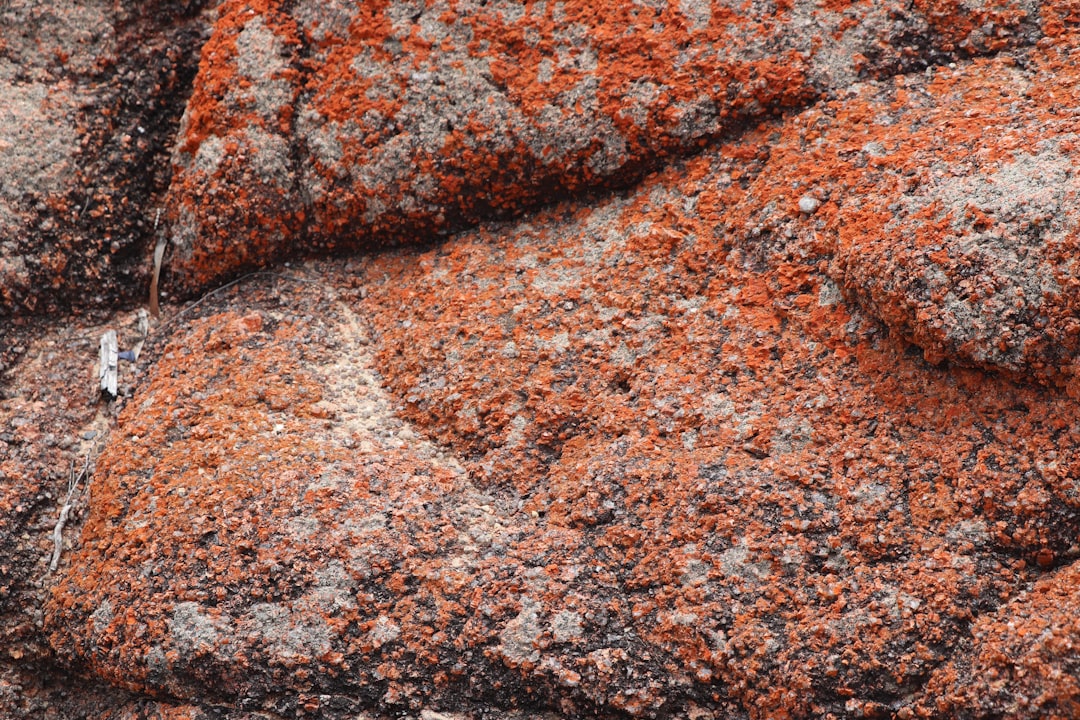
Red bed iron oxide sandstones, often simply referred to as red beds, represent a significant and enduring enigma within the realm of sedimentary geology. These distinctive rock formations, characterized by their striking brick-red to reddish-brown coloration, are prevalent across numerous geological basins worldwide, spanning vast stretches of geological time from the Proterozoic to the present day. Their ubiquity and sometimes immense thickness demand a thorough investigation into their genesis and the conditions that fostered their formation. This geological phenomenon is not merely an aesthetic curiosity; it holds crucial insights into past atmospheric compositions, paleoclimates, and the intricate interplay between geological processes and biological evolution. To unravel the mysteries entombed within these crimson strata, a multi-faceted approach, integrating disciplines from sedimentology and geochemistry to paleontology, is essential.
Red beds are not defined solely by their color, though it is their most immediately recognizable feature. Their distinctiveness stems from a confluence of compositional, textural, and structural attributes that differentiate them from other sedimentary rocks. Understanding these characteristics provides the foundational framework for deciphering their origin.
Mineralogical Signatures
The eponymous color of red beds is primarily attributed to the presence of iron oxides, predominantly hematite ($\text{Fe}_2\text{O}_3$). This mineral typically occurs as fine-grained coatings on individual detrital grains, cementing pore spaces, or as disseminated pigment throughout the rock matrix. The specific iron oxide phase, its crystallinity, and its distribution are critical factors influencing the intensity and hue of the red coloration. Lesser amounts of goethite ($\text{FeOOH}$) may also be present, particularly in more hydrated environments. Beyond iron oxides, red bed sandstones are composed of typical detrital minerals such as quartz, feldspar, and various rock fragments, reflecting the source area geology. The relative proportions of these minerals can vary widely, influencing the overall lithological classification of the red bed.
Textural and Structural Features
Red bed sandstones exhibit a wide range of grain sizes, from fine to coarse, and may include conglomerates. Sorting can vary from well-sorted mature sandstones to poorly sorted immature types. Sedimentary structures commonly observed in red beds provide invaluable clues about their depositional environments. These include:
- Cross-bedding: Indicative of fluvial or eolian processes, reflecting the movement of sediment by currents or wind.
- Ripple marks: Suggesting shallow water or eolian deposition where current or wind action was gentle.
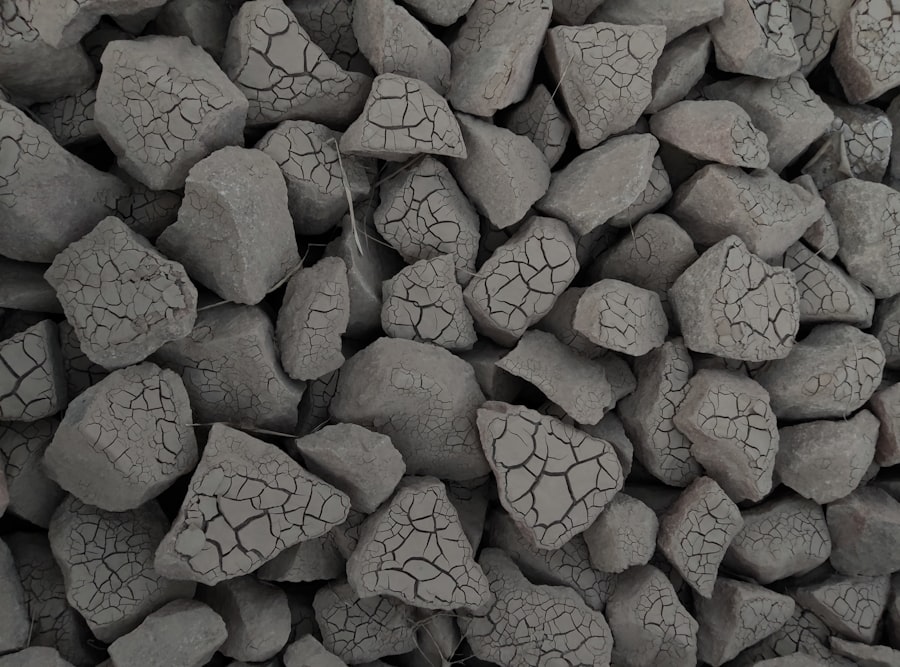
- Mud cracks: Signifying periods of subaerial exposure and desiccation, often associated with floodplains or tidal flats.
- Desiccation features: Similar to mud cracks, indicating periodic drying of the depositional surface.
- Conglomeratic lenses: Suggesting higher energy depositional events or proximity to source areas.
The presence and character of these structures help geologists reconstruct the ancient landscapes where these sediments accumulated.
Unoxidized Counterparts
It is important to note that not all sediments deposited under the same conditions as red beds become red. Unoxidized, often grey or greenish, strata can interbed with red beds, representing localized reducing conditions within a predominantly oxidizing environment. These “grey beds” or “green beds” often contain organic matter or iron sulfides, which prevent the oxidation of iron. The juxtaposition of oxidized and unoxidized horizons provides compelling evidence for dynamic redox conditions within the depositional system and offers valuable insights into the diagenetic history of these formations.
Red beds iron oxide sandstones are fascinating geological formations that provide insights into ancient environments and sedimentary processes. For a deeper understanding of the formation and significance of these unique sandstones, you can explore a related article that discusses their characteristics and the role of iron oxides in their coloration and composition. To read more about this topic, visit Freaky Science.
Hypotheses on Red Bed Formation
The genesis of red beds has been a subject of intense scientific debate for centuries. Multiple hypotheses have been proposed, each attempting to explain the conditions conducive to their distinctive iron oxide pigmentation. These hypotheses can be broadly categorized into primary and secondary depositional models.
Primary Oxidation Hypothesis
This hypothesis posits that iron oxidation occurred simultaneously with or very shortly after deposition, under conditions of high atmospheric oxygen and warm, humid climates. This scenario implies that the source sediments were already iron-rich, and the oxidizing environment prevented the reduction of iron. Proponents of this view often point to modern tropical and subtropical environments where lateritic soils, rich in hematite, are common.
Secondary Oxidation Hypothesis (Post-Depositional Alteration)
The secondary oxidation hypothesis suggests that the red coloration developed after deposition, during diagenesis or even later weathering. This model envisions that iron-bearing minerals, often ferromagnesian silicates or iron sulfides, were subsequently oxidized to hematite. The oxidizing fluids could be groundwater, meteoric water, or even oxygen derived from the decomposition of organic matter in adjacent strata. This hypothesis allows for red beds to form in environments that were not initially oxidizing, with the red color being a later imposition.
Climatic Controls
Climate plays a pivotal role in both primary and secondary oxidation scenarios. Warm temperatures accelerate chemical reactions, and sufficient precipitation allows for the leaching and transport of iron, and its subsequent oxidation. Alternating wet and dry seasons are particularly effective at producing the conditions for iron oxidation, as wetting allows for hydration and dissolution, while drying promotes the formation of hematite. Therefore, red beds are often interpreted as proxies for tropical or subtropical paleoclimates, although this interpretation is not universally applicable across all geological timescales.
The Role of Atmospheric Oxygen
One of the most profound implications of red bed formation relates to the Earth’s atmospheric oxygen levels. The presence of significant volumes of iron oxides in ancient sedimentary rocks provides a tangible record of past oxygenation events.
The Great Oxidation Event
The Proterozoic Eon witnessed the widespread appearance of red beds, particularly after the Great Oxidation Event (GOE) approximately 2.4 billion years ago. Prior to the GOE, the Earth’s atmosphere was predominantly anoxic, and iron typically existed in its reduced, soluble $\text{Fe}^{2+}$ state, leading to the deposition of banded iron formations (BIFs) rather than red beds. The proliferation of oxygen-producing cyanobacteria during the GOE led to a dramatic increase in atmospheric oxygen, creating the conditions necessary for the large-scale oxidation of iron and the subsequent formation of the earliest vast red bed sequences. These early red beds serve as a geological thermometer of sorts, indicating the rising levels of molecular oxygen ($\text{O}_2$) in the atmosphere and oceans.
Subsequent Oxygenation Stages
While the GOE marked a significant inflection point, the Earth’s oxygenation was not a singular event but rather a protracted process. The presence of younger red beds throughout the Phanerozoic indicates sustained or recurrent periods of atmospheric oxygenation. The abundance and distribution of red beds can thus provide insights into the long-term evolution of oxygen levels, acting as a geological barometer measuring the atmospheric pressure of oxygen over immense timescales. Variations in red bed prevalence can be correlated with major evolutionary trends, highlighting the intricate link between geological and biological processes.
Depositional Environments of Red Beds
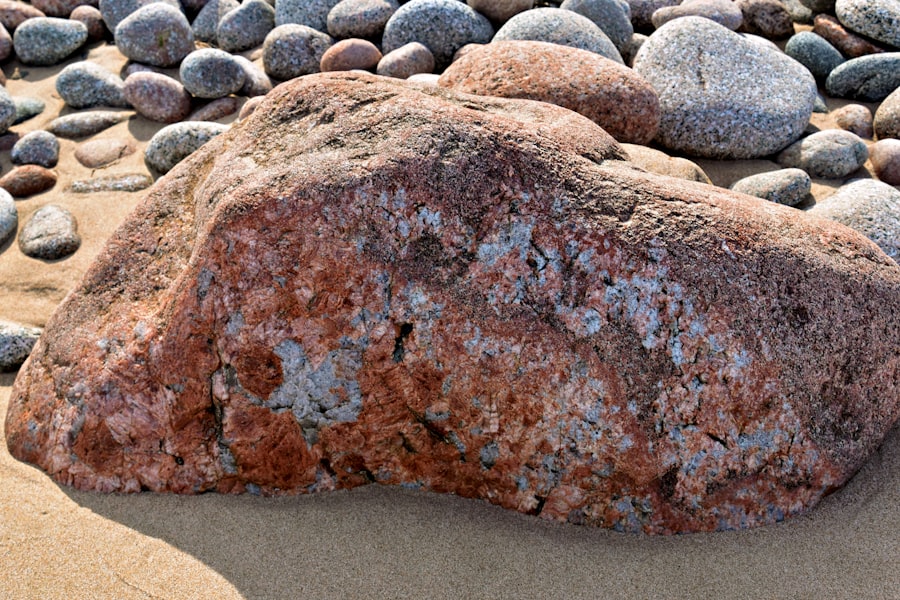
Red beds are not confined to a single depositional setting; rather, they can form in a diversity of environments, each contributing unique characteristics to the resulting rock. Understanding these environments is crucial for reconstructing paleogeography and paleoclimate.
Fluvial and Alluvial Systems
River systems and their associated floodplains are among the most common settings for red bed accumulation. The active transport of sediment, coupled with intermittent exposure to the atmosphere on floodplains, creates ideal conditions for iron oxidation. Here, sediments derived from weathering landmasses are transported and deposited, with iron-bearing minerals undergoing oxidation during periods of low flow or desiccation. The characteristic sedimentary structures—cross-bedding, ripple marks, and mud cracks—are frequently observed in these deposits. Alluvial fans, where high-energy braided rivers deposit coarse sediment, can also host significant red bed sequences.
Eolian Environments
While less common than fluvial red beds, wind-deposited sandstones in arid and semi-arid regions can also exhibit red coloration. The constant agitation of sand grains by wind in oxygen-rich atmospheric conditions, coupled with the presence of fine-grained hematite dust, can lead to the formation of eolian red beds. The iconic “painted deserts” of the American Southwest, with their vivid red dunes and sandstones, offer a modern analogue for ancient eolian red bed formation.
Lacustrine and Deltaic Systems
Lakes and deltaic environments, particularly those experiencing periodic desiccation or located in climatically sensitive regions, can also host red bed sequences. In these settings, fluctuating water levels and the interaction of terrestrial and aquatic processes can create suitable conditions for iron oxidation. The fine-grained nature of many lacustrine sediments, often rich in clays, provides ample surface area for iron oxide coatings. The presence of evaporite minerals in some lacustrine red beds further underscores the arid to semi-arid conditions prevalent during their formation.
Marginal Marine Environments
While less common than terrestrial settings, some marginal marine environments, such as tidal flats or lagoons with restricted circulation, can also accumulate red beds. These environments are characterized by intermittent subaerial exposure and the potential for iron-rich terrestrial input, which can be sufficient to impart the red coloration. The interplay between fluvial input, tidal currents, and atmospheric exposure creates complex redox conditions that can favor iron oxidation.
Red beds iron oxide sandstones are fascinating geological formations that provide insight into ancient environments and sedimentary processes. For a deeper understanding of the significance of these formations, you can explore a related article that discusses their mineral composition and the conditions under which they were formed. This information can enhance your appreciation of the intricate relationships between geology and the Earth’s history. To learn more, visit this informative article that delves into the subject.
Economic and Scientific Significance
| Parameter | Description | Typical Values | Significance |
|---|---|---|---|
| Rock Type | Iron oxide cemented sandstone | Sandstone with hematite and goethite | Indicates oxidizing conditions during deposition |
| Color | Red to reddish-brown | Reddish hues due to iron oxides | Used as an indicator of paleoenvironment |
| Iron Oxide Content | Percentage of iron oxide minerals | 5% – 15% by weight | Controls color and cementation strength |
| Grain Size | Size of sand grains | Fine to medium sand | Affects porosity and permeability |
| Porosity | Percentage of void space | 10% – 25% | Important for reservoir quality |
| Permeability | Ability to transmit fluids | 10 – 500 millidarcies (mD) | Determines fluid flow potential |
| Depositional Environment | Environment where sediments were deposited | Fluvial, alluvial, or desert settings | Influences sediment characteristics |
| Age | Geological age of formation | Permian to Triassic periods | Helps in stratigraphic correlation |
Beyond their aesthetic appeal and scientific intrigue, red bed iron oxide sandstones hold considerable economic and scientific importance, offering insights into various geological endeavors.
Hydrocarbon Reservoirs and Aquifers
Many red bed sequences serve as important hydrocarbon reservoirs and aquifers. Their often high porosity and permeability, particularly in fluvial and eolian facies, make them excellent conduits for fluid flow. The cementation by iron oxides can, in some cases, reduce porosity and permeability, but in others, it is relatively minor, allowing for economic accumulation of oil, gas, or groundwater. Understanding the facies architecture and diagenetic history of red beds is therefore critical for effective resource exploration and management. Their paleoclimatic significance helps in the broader context of basin analysis for energy resources.
Paleoclimatic and Paleogeographic Reconstruction
As discussed, red beds are powerful indicators of past climates, primarily warm, oxidizing, and often arid to semi-arid conditions. Their global distribution across different geological periods provides invaluable data for reconstructing ancient continental configurations, atmospheric compositions, and global climatic patterns. The shifting distribution of red beds through geological time acts as a geological compass, pointing towards areas that experienced specific climatic conditions during different epochs.
Iron Ore Deposits
While iron within red beds is typically disseminated and not concentrated enough for economic mining, some red bed formations are spatially or genetically associated with significant iron ore deposits. For instance, processes involving the remobilization and concentration of iron from extensive red bed sequences can lead to the formation of economic iron ore bodies, especially in specific tectonic and diagenetic settings. The widespread occurrence of iron in red beds testifies to the sheer volume of iron being weathered and transported in these ancient environments.
In essence, the red bed iron oxide sandstones are not merely pretty rocks; they are voluminous chapters in Earth’s history, written in strokes of rust. Deciphering their intricate mineralogy, textures, and distribution allows geologists to reconstruct ancient landscapes, track the evolution of atmospheric oxygen, and discover vital natural resources. They serve as a testament to the dynamic and ever-changing nature of our planet, offering a window into deep time and the powerful geological forces that have shaped Earth’s surface and atmosphere. The ongoing study of these enigmatic crimson strata continues to peel back layers of geological time, unveiling more nuanced insights into the complex history of our planet.

WATCH NOW ▶️ SHOCKING: Why Your Air Is Literally A Lie
FAQs
What are red beds iron oxide sandstones?
Red beds iron oxide sandstones are sedimentary rocks characterized by their reddish color, which is primarily due to the presence of iron oxide minerals such as hematite. These sandstones typically form in continental environments and are often associated with ancient river, lake, or desert deposits.
How do red beds iron oxide sandstones form?
They form through the deposition of sand-sized particles in environments where iron is present and can oxidize. The iron minerals coat the sand grains or fill the pore spaces, giving the rock its distinctive red color. Oxidizing conditions during or after sediment deposition lead to the formation of iron oxide minerals.
What geological environments are associated with red beds iron oxide sandstones?
Red beds iron oxide sandstones are commonly found in terrestrial settings such as alluvial plains, river channels, floodplains, and desert basins. These environments promote the oxidation of iron, which results in the characteristic red coloration of the rocks.
Why is the red color significant in these sandstones?
The red color indicates the presence of iron oxides, mainly hematite, which forms under oxidizing conditions. This coloration can provide geologists with information about the paleoenvironment, such as the presence of oxygen-rich conditions during sediment deposition or diagenesis.
What are the economic or scientific uses of red beds iron oxide sandstones?
Red beds iron oxide sandstones can serve as important reservoirs for groundwater and hydrocarbons due to their porosity and permeability. Additionally, studying these rocks helps geologists understand past climatic and environmental conditions, sedimentary processes, and the geological history of an area.