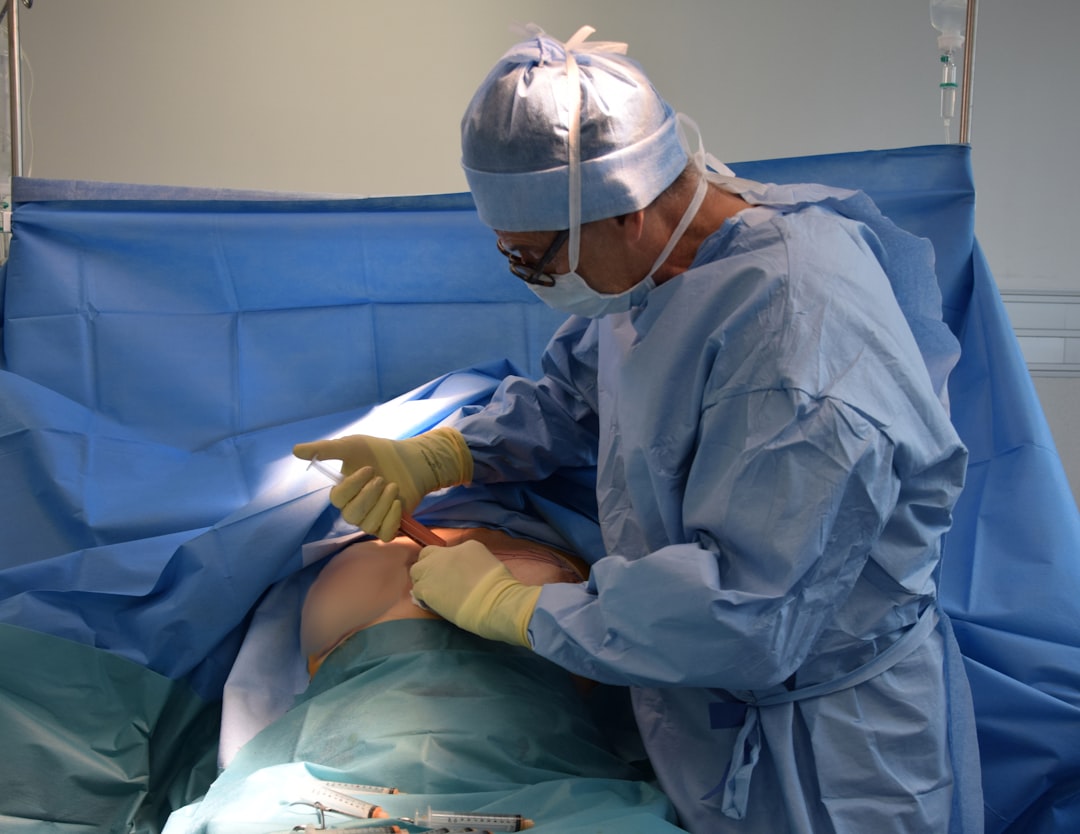
You’ve probably experienced it. The gentle fade to black, the feeling of being adrift, and then, a slow return to consciousness, perhaps with a lingering grogginess. General anesthesia is one of the marvels of modern medicine, allowing for complex surgeries that would otherwise be impossible. But have you ever truly wondered how it works? What happens inside your brain when you’re rendered unconscious, unaware, and unable to feel pain? This is precisely the mystery that “Unveiling the Mysteries of General Anesthesia: A Neuroscience Documentary” sets out to explore, and as you dive into its depths, you’ll discover a world of intricate neural networks and fascinating scientific inquiry.
Imagine your brain as a bustling metropolis, with billions of neurons communicating at lightning speed. Now, picture that metropolis being gradually silenced, its usual cacophony of electrical signals replaced by a quiet hum. This documentary takes you on a journey into that altered state, demystying what happens at the cellular and network levels when anesthesia takes hold. You’ll witness firsthand the complex choreography of brain activity, or rather, the deliberate disruption of it, as anesthetics weave their magic.
The Pillars of Anesthesia: Consciousness, Amnesia, Analgesia, and Muscle Relaxation
The documentary effectively breaks down the multifaceted effects of general anesthesia into four key components, each crucial for surgical success and patient well-being. As you learn about these, you’ll begin to appreciate the precision and power of these drugs.
The Elusive Nature of Consciousness: Where Does It Go?
One of the most profound questions addressed is the nature of consciousness itself. You’ll be introduced to cutting-edge research that attempts to pinpoint the neural correlates of consciousness – the specific brain activity that underlies your subjective experience of being aware. The documentary then explores how different anesthetic agents disrupt these correlates, leading to the loss of awareness. You might find yourself contemplating the philosophical implications of this as well, pondering what it truly means to “be” when your conscious mind is temporarily extinguished.
The Memory Void: A Necessary Amnesia
Painful memories of surgery are something no one wants. The documentary delves into the mechanisms by which anesthetics induce amnesia, preventing you from forming new memories during the procedure. This is not simply a passive forgetting; rather, it’s an active suppression of memory formation pathways. You’ll learn about the hippocampus, a key structure for memory, and how anesthetics interfere with its function. This aspect of anesthesia highlights the intricate control over brain function that these drugs exert.
The Silence of Pain: Analgesia and Its Neural Underpinnings
The absence of pain is, of course, paramount. The documentary explores the pathways involved in pain perception – from the initial signal detection at the site of injury to its transmission and interpretation in the brain. You’ll discover how anesthetics block these signals at various points, ensuring you remain pain-free throughout the surgery. This section will likely illuminate the complex pain matrix within your brain and the ingenious ways anesthetics can dampen its activity.
The Relaxed State: The Role of Muscle Relaxation
For surgeons to operate effectively, the patient’s muscles must be relaxed. The documentary explains how certain anesthetic agents, often used in conjunction with others, target the neuromuscular junction, preventing the transmission of nerve signals that cause muscle contraction. This ensures immobility and allows for safer, more precise surgical interventions. You’ll gain an understanding of the interplay between the nervous system and muscular system and how anesthetics can selectively disrupt this communication.
For those interested in the intricate relationship between general anesthesia and neuroscience, a fascinating article can be found on Freaky Science. This resource delves into the latest research and discoveries regarding how anesthesia affects the brain’s neural pathways and consciousness. To explore this captivating topic further, you can read the article here: Freaky Science.
Mapping the Brain’s Response: Neuroimaging and Electrophysiology
“Unveiling the Mysteries of General Anesthesia” doesn’t just talk about brain activity; it shows it. A significant portion of the documentary is dedicated to the sophisticated tools and techniques used by neuroscientists to observe and measure the brain in action, or rather, in its altered state. You’ll witness the power of these technologies to provide unprecedented insights into the anesthetic process.
The Power of the Scan: fMRI and PET in Anesthesia Research
You’ll be introduced to functional magnetic resonance imaging (fMRI) and positron emission tomography (PET) scans, and understand how these techniques are employed to track blood flow and metabolic activity in the brain during anesthesia. This allows researchers to see which brain regions become less active and how different anesthetic agents affect these patterns. Imagine seeing real-time visualizations of your brain “shutting down” in specific areas.
Listening to the Neurons: EEG and MEG
Beyond imaging, the documentary highlights the importance of electroencephalography (EEG) and magnetoencephalography (MEG). These methods measure the electrical and magnetic activity of neurons, providing a more direct window into neural communication. You’ll learn how changes in brainwave patterns, observed through EEG, can indicate the depth of anesthesia and the presence of different stages. The documentary will likely showcase how these tools help differentiate between a patient who is deeply asleep and one who is merely sedated.
Decoding the Signals: Computational Neuroscience and Modeling
The sheer volume of data generated by these techniques is staggering. The documentary will then introduce you to the field of computational neuroscience, where advanced algorithms and mathematical models are used to analyze and interpret these complex neural signals. You’ll see how scientists build predictive models of anesthetic effects, aiming to understand the underlying principles that govern the loss and recovery of consciousness. This aspect underscores the interdisciplinary nature of modern neuroscience.
The Diverse Landscape of Anesthetic Agents
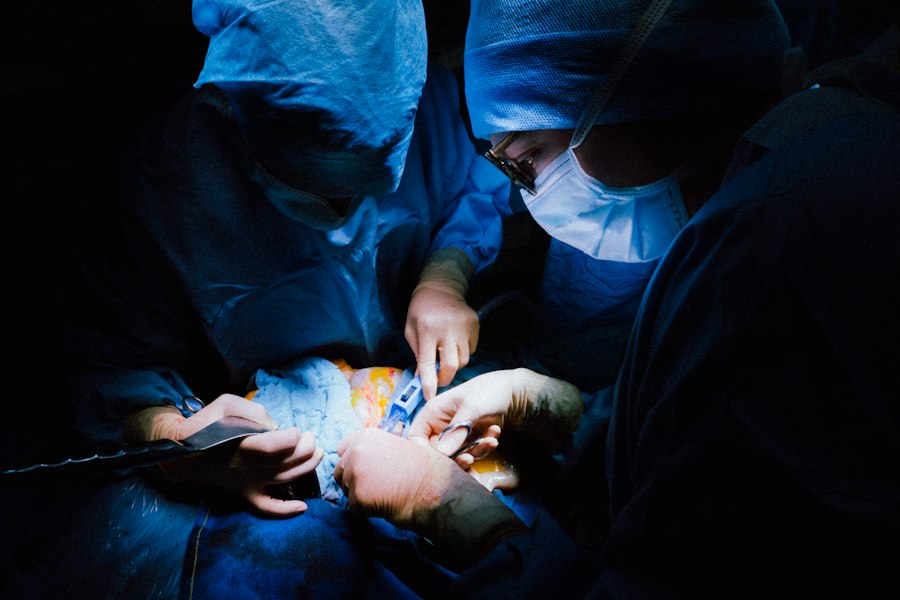
Not all anesthetics are created equal. The documentary takes you on a tour of the various classes of anesthetic drugs, explaining their distinct mechanisms of action and how they interact with different neurotransmitter systems in the brain. You’ll gain a newfound appreciation for the pharmacological arsenal available to anesthesiologists.
In exploring the fascinating world of general anesthesia, one can gain deeper insights into its effects on the brain and consciousness through a captivating documentary. This film delves into the neuroscience behind how anesthetics alter brain activity and perception, providing a comprehensive look at the mechanisms involved. For those interested in further reading, a related article can be found at Freaky Science, which discusses the latest research and findings in this intriguing field.
Inhalational Anesthetics: The Gas that Quiets the Brain
You’ll learn about the inhaled anesthetics, such as sevoflurane and isoflurane, which are administered through a mask or breathing tube. The documentary will explain how these volatile compounds travel from your lungs to your brain, where they exert their effects by modulating the activity of ion channels and receptors. You’ll understand how subtle changes in their concentration can lead to different levels of anesthetic depth.
Intravenous Anesthetics: The Fast-Acting Agents
The documentary also explores the intravenously administered anesthetics, like propofol and ketamine. You’ll discover how these drugs, injected directly into the bloodstream, reach the brain rapidly and induce anesthesia quickly. The specific targets and mechanisms of these agents will be elucidated, highlighting their distinct advantages and potential side effects.
The Synergistic Dance: Combining Agents for Optimal Effect
Modern anesthesia rarely relies on a single agent. The documentary emphasizes the concept of synergistic drug combinations, where different anesthetics are used together to achieve a desired effect with minimized side effects. You’ll learn how anesthesiologists artfully combine drugs to tailor the anesthetic experience to each individual patient and surgical procedure, optimizing both safety and comfort.
The Unfolding Mystery: Current Research and Future Directions
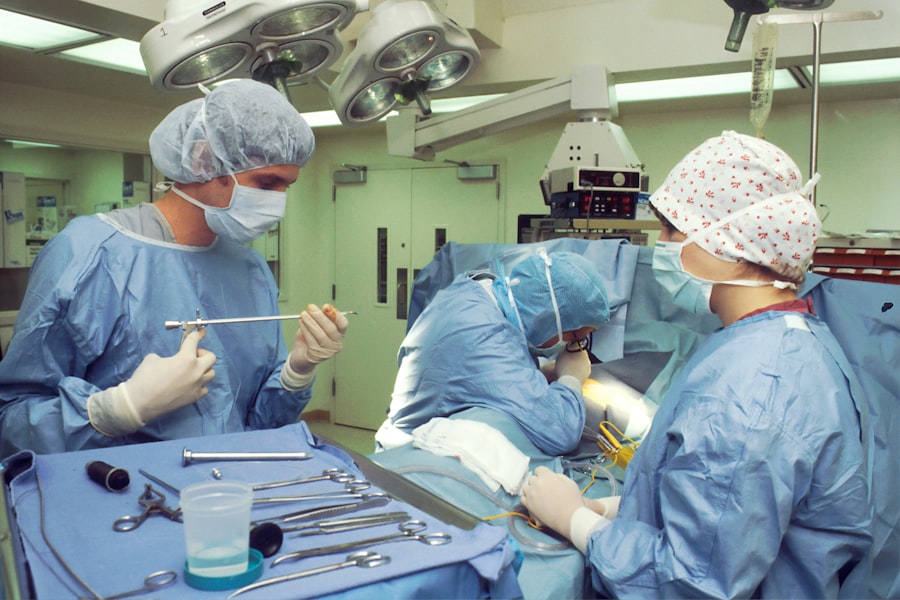
The documentary doesn’t present general anesthesia as a fully solved puzzle. Instead, it highlights the ongoing research and the exciting avenues being explored to further understand and refine anesthetic practices. You’ll be inspired by the dedication of scientists pushing the boundaries of knowledge.
Tailoring Anesthesia: Personalized Medicine and Predictive Models
The future of anesthesia, as presented in the documentary, lies in personalization. You’ll learn about efforts to develop predictive models that can anticipate how an individual patient will respond to specific anesthetic agents, allowing for highly tailored and optimized care. This could involve genetic profiling and other biomarkers.
Navigating the Post-Anesthesia Landscape: Emergence and Recovery
The journey doesn’t end with the surgery. The documentary also touches upon the critical period of emergence from anesthesia and the factors influencing recovery. You’ll gain insights into how the brain “wakes up” and the ongoing efforts to minimize post-operative delirium and cognitive dysfunction.
Ethical Considerations and the Future of Anesthesia
Finally, the documentary might also explore some of the ethical considerations surrounding anesthesia, such as informed consent and the potential for adverse events. It will likely conclude by looking towards the future, envisioning new anesthetic agents, improved monitoring techniques, and a deeper understanding of the brain that will continue to revolutionize surgical care.
As you watch “Unveiling the Mysteries of General Anesthesia: A Neuroscience Documentary,” prepare to have your perception of this common medical procedure transformed. You’ll leave with a profound respect for the intricate workings of your own brain and the remarkable scientific endeavors that allow you to safely navigate the unconscious realm for the benefit of your health and well-being. It’s a journey into the unknown that promises to illuminate the very essence of your awareness.

You’re Not Asleep Under Anesthesia. So Where Do You Go?
FAQs
What is general anesthesia?
General anesthesia is a state of controlled unconsciousness where a patient is put to sleep to undergo surgery or other medical procedures. It is achieved through the administration of anesthetic drugs that affect the brain and nervous system.
How does general anesthesia work on the brain?
General anesthesia works by disrupting the normal functioning of the brain and nervous system. The drugs used in general anesthesia act on specific receptors in the brain, altering the activity of neurotransmitters and blocking the transmission of signals that would normally keep a person awake and aware.
What are the potential risks and side effects of general anesthesia?
While general anesthesia is generally safe, there are potential risks and side effects associated with its use. These can include nausea and vomiting, sore throat, confusion or memory loss, and in rare cases, more serious complications such as allergic reactions, nerve damage, or even death.
How is general anesthesia used in neuroscience research?
General anesthesia is used in neuroscience research to study the effects of anesthetics on the brain and nervous system. Researchers use animal models and advanced imaging techniques to investigate how anesthetics impact brain activity, neural networks, and cognitive function.
Are there any advancements in general anesthesia and neuroscience?
Advancements in general anesthesia and neuroscience research continue to improve our understanding of how anesthetics affect the brain and how to make anesthesia safer and more effective. New technologies and techniques are being developed to monitor brain activity during anesthesia and to tailor anesthetic regimens to individual patients.