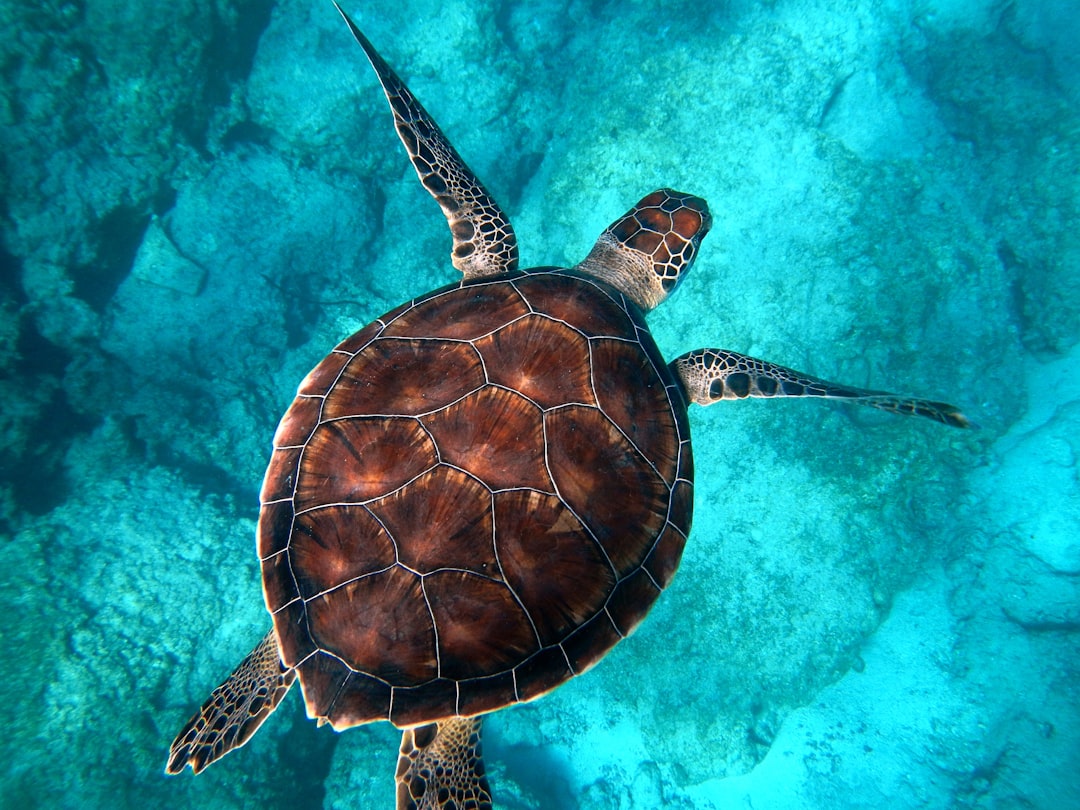
The abyssal plains, the vast, lightless realms that carpet the ocean floor, remain one of the planet’s most enigmatic frontiers. Beneath layers of water so immense that the pressure would crush most terrestrial life, a unique and extraordinary ecosystem thrives. Unveiling the mysteries of deep ocean biology is a scientific endeavor fraught with challenges, yet it promises profound insights into the resilience of life, the origins of biodiversity, and the potential for novel biomaterials and medicines. This journey into the abyss is a testament to human curiosity and our relentless pursuit of understanding the unknown.
The deep ocean is defined by its extreme conditions, a stark contrast to the sunlit surface waters. These environments demand specialized adaptations for survival, pushing the boundaries of what is biologically possible.
Crushing Pressures: The Hydrostatic Gauntlet
The immense weight of the water column above generates staggering hydrostatic pressure. At depths of 1,000 meters (3,280 feet), the pressure is over 100 times that at sea level. Descending further, to the abyssal plains at 4,000 meters (13,123 feet) and beyond, the pressure can exceed 1,000 atmospheres. For surface-dwelling organisms, this would be instantly fatal. Deep-sea creatures, however, have evolved to thrive under these conditions. Their cellular structures, enzymes, and proteins are intrinsically designed to function under high pressure. Many lack gas-filled spaces, like swim bladders, which would collapse. Instead, they possess tissues with high water content, rendering them almost incompressible. The molecular machinery of deep-sea life has been finely tuned by eons of evolution to resist the compressive forces that would obliterate most life as we know it. Understanding these adaptations offers a window into the fundamental principles of molecular biology and the limits of biochemical stability.
Perpetual Darkness: The Absence of Light
Sunlight penetrates only the uppermost layers of the ocean, the photic zone. Below approximately 200 meters (656 feet), the ocean becomes perpetually dark, a realm of absolute blackness. This absence of light has profound implications for the sensory biology and ecological strategies of deep-sea organisms.
Vision in the Void: Bioluminescence and Specialized Eyes
Life in the deep has adapted to the lack of ambient light in several remarkable ways. Many species have evolved bioluminescence, the ability to produce their own light. This light serves a multitude of purposes: attracting prey, warding off predators, communication, and even camouflage through counter-illumination. The chemical reactions producing this light are incredibly diverse, involving specialized luciferin-luciferase systems. Organisms have also developed highly sensitive eyes, often with large lenses and a high density of photoreceptor cells, optimized to detect the faintest glimmers of bioluminescent light. Some species have lost their eyes entirely, relying on other senses to navigate and find food.
Sensory Compensation: Beyond Vision
In the absence of sight, other senses become paramount. Many deep-sea creatures possess highly developed chemosensory organs, allowing them to detect chemical gradients in the water, guiding them towards food sources or mates. Tactile senses are also crucial, with organisms employing specialized appendages or body structures to feel their way through the darkness. Sonar, or echolocation, while less common than in marine mammals, is employed by some deep-sea fish to map their surroundings.
Extreme Temperatures: From Icy Depths to Hydrothermal Vents
The deep ocean is characterized by consistently low temperatures, typically hovering around 2-4°C (36-39°F) in the abyssal and hadal zones. However, pockets of extreme thermal variation exist, most notably around hydrothermal vents.
The Cold Embrace: Slow Metabolism and Resilience
The frigid temperatures of the deep sea slow down metabolic rates, leading to slower growth, reproduction, and lifespan for many organisms. This also means that energy conservation is a critical survival strategy. Organisms must be highly efficient in their energy acquisition and utilization. Despite the cold, deep-sea life exhibits remarkable resilience, with some species capable of surviving periods of extreme cold or even freezing.
Hydrothermal Vents: Oases of Life in the Abyss
Hydrothermal vents, fissures in the ocean floor where superheated, mineral-rich water erupts from the Earth’s crust, are extraordinary exceptions to the deep-sea cold. These vents create unique ecosystems that flourish in complete darkness and under immense pressure, fueled not by sunlight, but by chemosynthesis.
Deep ocean biology is a fascinating field that explores the unique ecosystems and organisms thriving in the depths of our oceans, often in extreme conditions. For those interested in learning more about the mysteries of deep-sea life, a related article can be found at Freaky Science, which delves into the adaptations of deep-sea creatures and the significance of these ecosystems in our planet’s health.
The Pillars of Deep Ocean Ecosystems: Chemosynthetic Life
Unlike surface ecosystems, which are powered by photosynthesis, deep-sea ecosystems around hydrothermal vents are built upon the foundation of chemosynthesis. This process harnesses chemical energy to produce organic matter, supporting a unique array of life forms.
The Power of Chemicals: Chemosynthesis at Work
At hydrothermal vents, specialized bacteria and archaea utilize hydrogen sulfide, methane, and other inorganic compounds released from the Earth’s interior as their energy source. These microbes oxidize these chemicals, converting them into energy that fuels their growth and reproduction. This process forms the base of a food web that is entirely independent of solar energy.
Symbiotic Relationships: A Delicate Balance
A hallmark of vent ecosystems is the prevalence of symbiotic relationships between chemosynthetic microbes and larger invertebrates. Giant tube worms (Riftia pachyptila) are a prime example. Lacking a mouth and digestive system, these worms host symbiotic bacteria within a specialized organ called the trophosome. The bacteria metabolize hydrogen sulfide from the vent fluids, providing the worm with all its nutritional needs. Mussels, clams, and shrimp also host chemosynthetic symbionts, demonstrating the pervasive nature of this partnership in vent communities.
Unique Food Webs: Beyond the Photosynthetic Paradigm
The food webs at hydrothermal vents are distinct from those on land or in the surface ocean. They are characterized by a scarcity of the diverse plankton that form the base of most aquatic food chains. Instead, the abundance of bacteria and archaea supports specialized grazers, filter feeders, and predators that have adapted to consume or coexist with these chemosynthetic communities. This radically different trophic structure highlights the plasticity of life and its ability to adapt to diverse energy sources.
Biodiversity Beneath the Waves: Uncharted Realms of Life
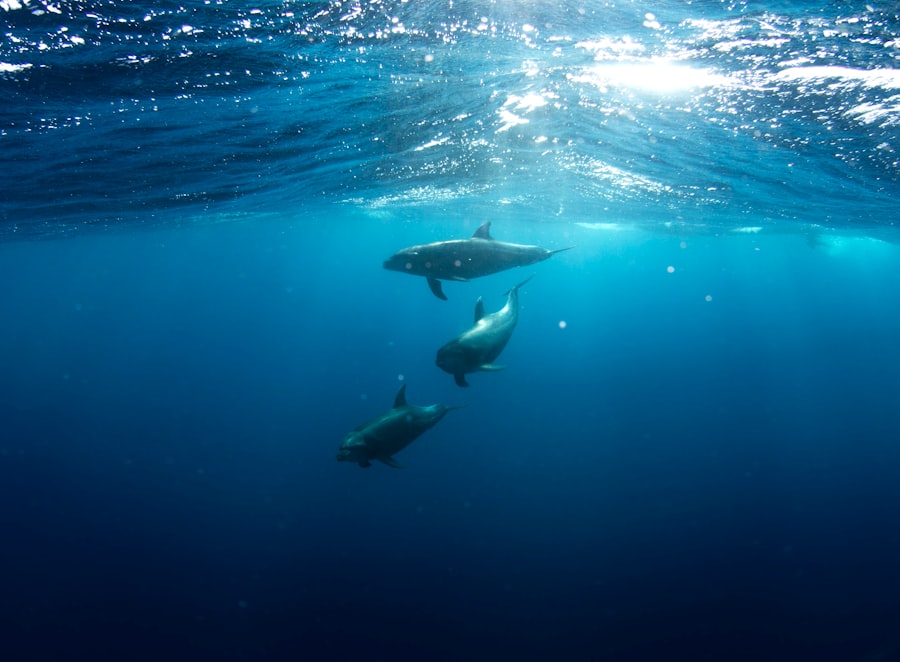
The deep ocean harbors an astonishing diversity of life, much of which remains undiscovered and undescribed. From microscopic organisms to colossal squids, the inhabitants of the abyss are as varied as they are mysterious.
The Abyssal Plains: A Desert or a Hidden Metropolis?
The vast abyssal plains, covering over 60% of the Earth’s surface, were once thought to be biological deserts. However, recent exploration has revealed surprisingly rich and complex communities adapted to the soft sediments and extreme conditions.
Benthic Invertebrates: The Foundation of the Seafloor
Numerous species of invertebrates, including sea cucumbers, starfish, brittle stars, and polychaete worms, burrow through or live on the surface of the abyssal sediments. These organisms play crucial roles in nutrient cycling and bioturbation, the stirring of sediments. Their slow metabolism and ability to survive on scarce food resources are testaments to their remarkable adaptations.
Deep-Sea Fish: Masters of Camouflage and Ambush
The fish of the abyssal plains are often characterized by their unusual appearances, with features like large mouths, sharp teeth, and bioluminescent lures. Many are ambush predators, lying in wait for unsuspecting prey, conserving energy in the resource-limited environment. Their adaptations for finding mates and navigating in darkness are equally impressive.
Microscopic Marvels: The Unseen Majority
The true abundance of life in the deep ocean likely resides in the microscopic realm. Bacteria, archaea, and protists form vast populations in the water column and within sediments, playing vital roles in nutrient cycling and decomposition. Their genetic diversity is immense, and their metabolic capabilities are still largely unknown.
The Hadal Zone: The Ultimate Frontier
The hadal zone, comprising the deepest trenches of the ocean, represents the ultimate frontier in deep-sea exploration. These environments, characterized by crushing pressures and complete darkness, are home to some of the most extreme life forms on Earth.
Life Under Extreme Pressure: Specialized Adaptations
Organisms in the hadal zone have evolved even more specialized adaptations to cope with pressures exceeding 1,000 atmospheres. Their cellular membranes are more fluid, and their enzymes are more stable under these extreme conditions. Some hadal amphipods have been found at depths exceeding 11,000 meters (36,000 feet), a remarkable feat of biological engineering.
Unique Inhabitants: The Edge of Life
The hadal zone harbors a unique assemblage of organisms, including specialized amphipods, holothurians (sea cucumbers), and polychaete worms. The scarcity of food is a major challenge, and many hadal species are scavengers, relying on organic matter that drifts down from shallower waters. The exploration of these trenches is incredibly challenging, requiring highly specialized submersibles and sampling equipment.
Innovations and Applications: Harnessing the Power of Deep Ocean Biology
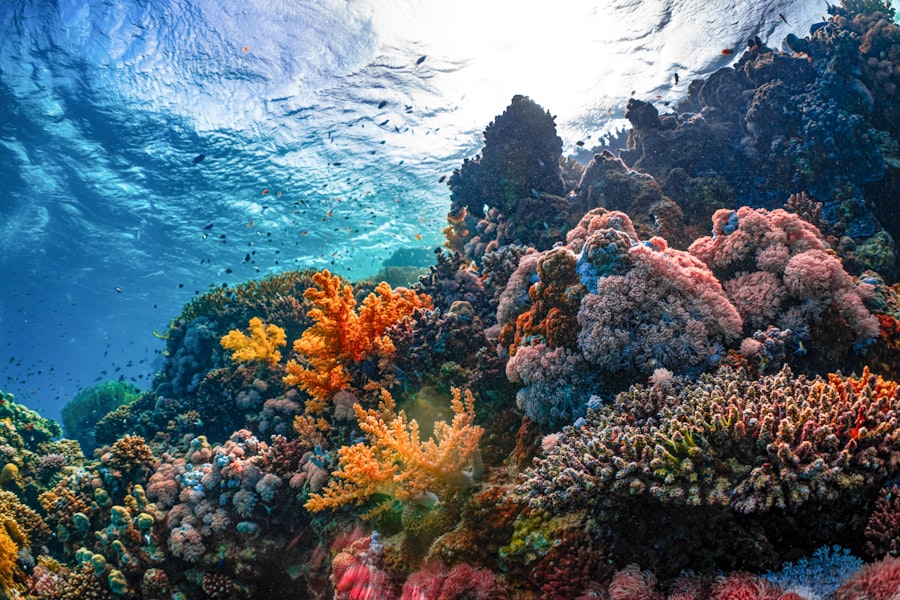
The study of deep ocean biology is not merely an academic pursuit; it holds immense potential for innovation and application across various fields.
Biomedical Breakthroughs: A Reservoir of Novel Compounds
The extreme environments of the deep ocean have driven the evolution of unique biochemicals with potential therapeutic applications.
Antimicrobials and Anticancer Agents: Nature’s Pharmacy
Many deep-sea microbes produce novel compounds in response to their harsh environment. These compounds have demonstrated antimicrobial activity against drug-resistant bacteria and anticancer properties. The isolation and characterization of these molecules offer hope for developing new antibiotics and cancer therapies.
Enzymes for Industry: Resilient Catalysts
Deep-sea organisms have evolved enzymes that function optimally under high pressure, low temperatures, and high salinity. These “extremozymes” have significant potential for industrial applications, such as in detergents, food processing, and biotechnology, where their resilience can offer advantages over conventional enzymes.
Biomaterials and Biotechnology: Inspiration for the Future
The structural adaptations of deep-sea organisms can inspire the development of new biomaterials and biotechnological processes.
Lightweight and Strong Materials: Lessons from Deep-Sea Structures
The skeletal structures and exoskeletons of deep-sea creatures are often remarkably strong yet lightweight, a desirable trait for material science. Studying their composition and arrangement could lead to the development of novel composites and structural materials.
Bio-inspired Engineering: Mimicking Nature’s Solutions
The principles of locomotion, sensory perception, and energy efficiency employed by deep-sea organisms can inform the design of new robots, sensors, and underwater vehicles. For instance, the efficient swimming mechanisms of deep-sea fish or the sensory arrays of deep-sea invertebrates could inspire advancements in underwater robotics.
Deep ocean biology is a fascinating field that explores the unique ecosystems and organisms thriving in the depths of our oceans. For those interested in learning more about the incredible adaptations of deep-sea creatures, a related article can be found at Freaky Science, which delves into the mysterious life forms that inhabit these extreme environments. Understanding these organisms not only sheds light on biodiversity but also has implications for biotechnology and environmental conservation.
The Future of Deep Ocean Exploration: Challenges and Opportunities
| Metrics | Data |
|---|---|
| Depth of the deep ocean | Below 200 meters |
| Temperature | 2-4°C |
| Pressure | Average of 380 atm |
| Biodiversity | Highly diverse, with many undiscovered species |
| Adaptations | Bioluminescence, high pressure tolerance, slow metabolism |
Despite significant advancements, the deep ocean remains largely unexplored, presenting both formidable challenges and exciting opportunities for future research.
Technological Hurdles: Reaching the Unreachable
Exploring the deep ocean requires sophisticated and robust technologies capable of withstanding extreme pressures, corrosive environments, and vast distances.
Advanced Submersibles and ROVs: Eyes in the Abyss
The development of increasingly advanced human-occupied submersibles and remotely operated vehicles (ROVs) is crucial for direct observation and sampling. These vehicles are equipped with high-resolution cameras, manipulators, and a suite of sensors to collect data.
Autonomous Systems and Sensors: Expanding Our Reach
Autonomous underwater vehicles (AUVs) and sensor networks are becoming increasingly important for long-term monitoring and exploration of vast areas. These systems can collect data on a continuous basis, providing a more comprehensive understanding of deep-sea processes.
Sampling and Preservation Techniques: Capturing the Ephemeral
Collecting delicate deep-sea specimens and preserving their biological integrity in the face of rapid pressure and temperature changes is a significant challenge. Innovative sampling and preservation techniques are continuously being developed to address this.
Conservation Concerns: Protecting a Fragile Frontier
As human activities increasingly encroach upon the deep ocean, understanding and protecting these unique ecosystems is paramount.
The Impact of Human Activities: Fishing, Mining, and Pollution
Deep-sea trawling can cause irreversible damage to seafloor habitats. Potential deep-sea mining operations raise significant concerns about habitat destruction and the release of pollutants. Plastic pollution has also been found in even the deepest ocean trenches.
Establishing Marine Protected Areas: Safeguarding Biodiversity
The establishment of marine protected areas in the deep ocean is crucial for safeguarding vulnerable ecosystems and biodiversity. These areas can allow for natural recovery and provide valuable reference sites for scientific research.
The Need for International Collaboration: A Shared Responsibility
The deep ocean is a global commons, and its protection requires international collaboration and effective governance. Sharing data, resources, and expertise is essential for understanding and conserving these vast and vital ecosystems.
The ongoing exploration of deep ocean biology is a testament to the enduring spirit of scientific inquiry. Each dive into the abyss, each sample collected, and each genetic sequence analyzed brings us closer to understanding the profound resilience and breathtaking diversity of life on our planet. The mysteries of the deep ocean continue to unfold, promising not only profound scientific discoveries but also invaluable insights that could benefit humanity for generations to come.

The Deeper You Go, the Less Life Looks Like Life
FAQs
What is deep ocean biology?
Deep ocean biology is the study of living organisms and ecosystems that exist in the deep ocean, typically below 200 meters (656 feet) in depth. This field of study focuses on the unique adaptations and behaviors of organisms that have evolved to survive in the extreme conditions of the deep sea.
What are some examples of deep ocean organisms?
Some examples of deep ocean organisms include anglerfish, gulper eels, giant tube worms, vampire squid, and deep-sea jellyfish. These organisms have adapted to the lack of sunlight, high pressure, and cold temperatures that are characteristic of the deep ocean environment.
How do deep ocean organisms survive in extreme conditions?
Deep ocean organisms have evolved a variety of adaptations to survive in extreme conditions. These adaptations may include bioluminescence for communication and camouflage, specialized body shapes and sizes to conserve energy and withstand high pressure, and unique feeding strategies to obtain nutrients in a food-limited environment.
What role do deep ocean organisms play in the ecosystem?
Deep ocean organisms play a crucial role in the global ecosystem. They contribute to nutrient cycling, carbon sequestration, and energy transfer within the deep ocean and between the deep sea and the surface ocean. Some deep ocean organisms also serve as indicators of environmental change and can provide valuable insights into the health of the ocean.
Why is the study of deep ocean biology important?
Studying deep ocean biology is important for understanding the biodiversity and ecological processes of the deep sea, as well as for discovering potential biotechnological applications and pharmaceutical compounds. Additionally, deep ocean organisms can provide valuable information for conservation and management of deep ocean resources.