You stand within a hushed corridor, the air sterile and faintly medicinal. Your gaze drifts, perhaps towards a gleaming nurses’ station or the quiet hum of machinery. But consider for a moment, what flows beneath the surface of this environment, the unseen arteries that sustain its very function? You are about to embark on a journey into the mirror life of hospital plumbing systems, a complex network often overlooked, yet utterly critical to patient care, hygiene, and the operational integrity of any healthcare facility. This isn’t a tale of gleaming chrome alone; it’s an exploration of an intricate ecosystem, a lifeblood that courses through the building, silent and indispensable.
Before the water even reaches your tap or the sterilized surgical instruments, it undergoes a rigorous journey. Your hospital’s plumbing begins at the point of entry, where municipal or well water is received. This initial intake is the first of many guardians of purity.
Municipal Supply Integration
You might assume that water arriving from the city is already pure enough. However, hospitals operate under far stricter regulations than residential buildings. The connection to the municipal system is more than just a pipe; it’s a carefully managed interface. Backflow prevention devices are paramount here, acting as silent sentinels, ensuring that contaminated water within the hospital cannot re-enter the public supply. Think of them as one-way gates, allowing water in but preventing any backward flow, a crucial defence against cross-contamination on a city-wide scale. The size and capacity of these intake pipes are substantial, designed to meet the immense and varied demands of a healthcare institution.
On-Site Water Treatment and Storage
In many advanced facilities, a degree of on-site water treatment occurs even before distribution. This can involve sophisticated filtration systems to remove particulate matter, ion exchange processes to soften the water and prevent mineral buildup in pipes, and chemical disinfection if necessary. Large storage tanks, often located underground or in secured areas, act as reservoirs, ensuring a consistent supply even during periods of high demand or municipal interruptions. These tanks are not mere containers; they are meticulously monitored for water quality, temperature, and stagnation. The water you perceive as simple H₂O is, in fact, a carefully managed commodity, prepared for its demanding role.
Redundancy and Emergency Supply
A critical aspect you will find is redundancy. Hospitals cannot afford a complete loss of water. Therefore, multiple water sources and backup storage facilities are often implemented. In some cases, hospitals may have their own wells as a secondary supply, or agreements with neighboring facilities for emergency water sharing. Understanding this infrastructure is key to appreciating the resilience built into the system. It’s like having multiple redundant power grids; the failure of one does not mean a total blackout.
In exploring the intricate connections between hospital plumbing systems and the overall functionality of healthcare facilities, one can draw parallels to the complexities of life itself. Just as the plumbing systems must efficiently manage the flow of water and waste to ensure a sterile and safe environment for patients, our lives require a careful balance of various elements to maintain health and well-being. For a deeper understanding of how such systems operate and their critical role in healthcare, you can read a related article at Freaky Science.
Distribution: The Veins of the Hospital
Once treated and stored, water embarks on its journey throughout the entire hospital. This distribution network is a marvel of engineering, designed to deliver water of appropriate temperature and pressure to every corner, from the patient room to the operating theater.
Main Water Distribution Lines
The primary distribution lines are the superhighways of this internal water system. Large diameter pipes, often made of durable materials like copper or specialized plastics, carry vast quantities of water from the storage and treatment areas to various zones within the hospital. These pipes are strategically routed, often within dedicated service shafts or beneath floors, to facilitate maintenance and minimize disruption. Imagine these as the main arteries of the human body, carrying the bulk of the vital fluid.
Branching and Zone Control
As the main lines enter different sections of the building, they branch out into smaller distribution pipes, like capillaries reaching individual cells. Each zone or floor often has its own set of valves, allowing for isolation in case of leaks or maintenance. This zoning is crucial for operational efficiency; a problem on one floor doesn’t necessitate shutting down the entire hospital’s water supply. This methodical segmentation ensures that essential services can remain operational.
Pressure Regulation and Flow Management
Maintaining consistent water pressure is paramount. Too low, and fixtures won’t function correctly; too high, and pipes and connections could be stressed. Pressure reducing valves (PRVs) are strategically placed throughout the system to ensure that the water delivered to different areas is within the optimal range. Similarly, flow meters and sensors monitor water usage, providing valuable data for system management and leak detection. You might not see them, but these silent regulators are constantly working to ensure that each faucet, shower, and sterilization unit receives the water it needs, precisely when it needs it.
Specialized Water Systems: Beyond the Ordinary
Not all water requirements in a hospital are the same. Certain areas demand unique water treatment or delivery methods, creating specialized sub-systems that operate in parallel with the main distribution network.
Potable Water for Consumption and Hygiene
This is the water you most directly interact with – the water that fills your drinking glass, washes your hands, and irrigates wounds. It must meet the highest standards of potability, free from harmful microorganisms and chemical contaminants. Regular testing and stringent disinfection protocols are standard for these lines. You can trust that the water intended for drinking and personal hygiene has undergone a gauntlet of checks to ensure your safety.
Non-Potable Water for Utility Purposes
Hospitals also utilize non-potable water for various utility functions. This might include flushing toilets, cooling systems, and even some industrial cleaning processes. Drawing water from a separate, potentially less treated source for these purposes can conserve the more rigorously treated potable water, improving overall efficiency and reducing costs. Think of it as using greywater for irrigation; it’s still water, but its intended use dictates the level of treatment required.
Medical Gas Systems: A Related, Crucial Network
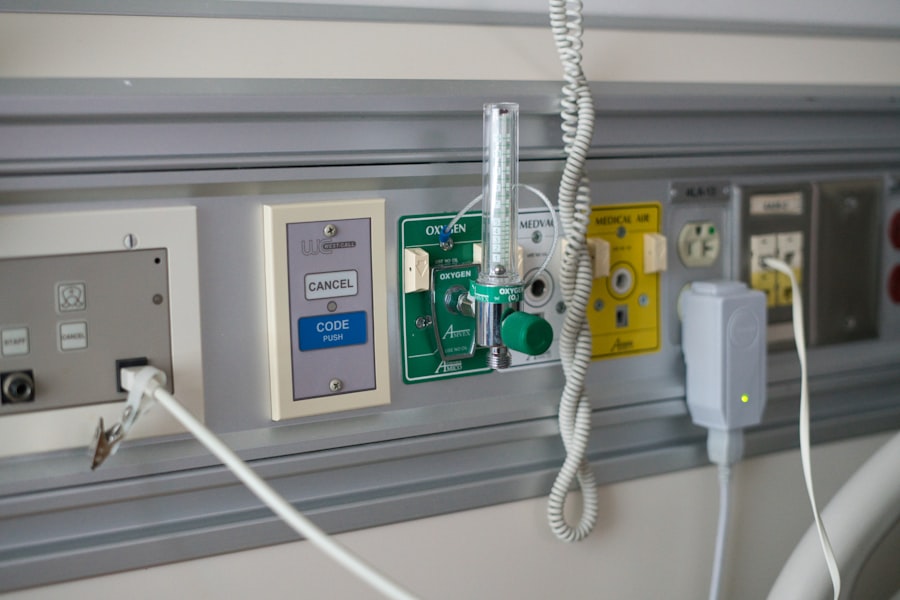
While not technically “water” plumbing, it’s impossible to discuss hospital infrastructure without acknowledging the interconnectedness with medical gas systems. These networks, carrying oxygen, nitrogen, and other medical gases, often run alongside water pipes and are subject to similar principles of pressure regulation, distribution, and safety. Leaks or failures in either system can have severe consequences. Understanding one helps appreciate the complexity of the other.
Drains and Waste Management: The Counterpart Flow
For every incoming flow of water, there is an outgoing flow of wastewater. The drainage system is the equally vital counterpart to the water supply. This network of pipes carries wastewater from sinks, toilets, showers, and specialized equipment away from patient areas to either the municipal sewer system or an on-site treatment facility.
Sanitary Drainage Systems
This is the most visible part of the drainage network, carrying sewage and greywater. These pipes are designed with a specific slope to facilitate gravity flow, but in some instances, pumps are used to move waste uphill or over long distances. Cleanliness and odor control are primary concerns, with traps in sinks and floor drains preventing sewer gases from entering occupied spaces. You might hear the gurgle of water draining, a reminder of the constant, necessary egress.
Special Waste Handling
Certain medical procedures and laboratory work generate specialized waste that requires separate handling. This can include chemical disinfectants, radioactive materials, or biohazardous waste. Dedicated drainage lines and collection systems are employed for these substances, ensuring they are treated or disposed of safely and in compliance with environmental regulations. These are not your average drains; they are highly specialized conduits for potentially hazardous substances.
Stormwater Management
Beyond indoor plumbing, hospitals also have robust stormwater management systems. These systems collect rainwater from roofs and paved areas, preventing flooding and directing water to appropriate discharge points or retention ponds. This aspect of plumbing is crucial for the structural integrity of the building and for protecting the surrounding environment.
Maintenance and Monitoring: The Guardians of Purity and Functionality
The most sophisticated plumbing system is only as good as its maintenance. Hospitals employ dedicated teams and advanced technologies to ensure that these critical networks function flawlessly, 24/7.
Routine Inspections and Preventative Maintenance
Regular inspections are scheduled for all parts of the plumbing system, from major distribution lines to individual fixtures. This includes checking for leaks, corrosion, blockages, and the proper functioning of valves and meters. Preventative maintenance schedules are established for tasks like flushing certain lines, cleaning strainers, and servicing pumps. This proactive approach aims to identify and address potential issues before they escalate into major problems. Imagine a doctor performing regular physicals on the building’s circulatory system.
Water Quality Testing and Monitoring
As previously mentioned, water quality is paramount. Hospitals conduct frequent testing of water from various points within the system to ensure it meets all regulatory standards. This includes testing for bacterial contamination, chemical levels, and overall clarity. Continuous monitoring systems can alert staff to any deviations from normal parameters, allowing for immediate intervention. This diligent oversight is the unwavering watch over the hospital’s lifeblood.
Emergency Response and Repair Protocols
Despite the best preventative measures, emergencies can still occur. Hospitals have detailed protocols for responding to leaks, pipe bursts, or other plumbing failures. This includes having trained technicians on call, spare parts readily available, and clear communication channels to affected departments. The goal is to minimize downtime and restore essential services as quickly as possible. This is the emergency room for the building’s plumbing.
Asset Management and Capital Planning
Long-term planning for plumbing system upgrades and replacements is also a crucial component of maintenance. As pipes age, they degrade, and materials can become outdated. Hospitals invest in asset management systems to track the condition of their plumbing infrastructure, allowing them to plan for capital expenditures and ensure that systems are replaced before they fail. This foresight ensures the continued health of the hospital’s vital network.
In exploring the intricate connections between hospital plumbing systems and the overall functionality of healthcare facilities, one can draw parallels to the essential role that these systems play in maintaining hygiene and safety. A related article discusses how these plumbing networks are often overlooked yet are crucial for preventing infections and ensuring patient comfort. For a deeper understanding of this vital aspect of hospital infrastructure, you can read more in this insightful piece here.
The Unsung Heroes: The Impact on Patient Care and Operational Efficiency
| Parameter | Value | Unit | Notes |
|---|---|---|---|
| Average Biofilm Thickness | 150 | micrometers | Measured on mirror surfaces in plumbing pipes |
| Microbial Load | 1.2 x 10⁵ | CFU/cm² | Colony forming units per square centimeter |
| Water Temperature | 22-25 | °C | Typical cold water temperature in hospital plumbing |
| Flow Rate | 5-10 | liters/min | Average flow rate in hospital plumbing systems |
| pH Level | 6.8-7.2 | pH units | Neutral to slightly acidic water conditions |
| Chlorine Residual | 0.2-0.5 | mg/L | Free chlorine concentration in water |
| Mirror Surface Corrosion Rate | 0.01 | mm/year | Corrosion rate observed on mirror surfaces |
| Frequency of Biofilm Removal | Monthly | Interval | Recommended cleaning schedule |
You may not see the pipes, but your experience within a hospital is deeply influenced by the efficacy of its plumbing. From simple comfort to life-saving procedures, this unseen network plays an integral role.
Hygiene and Infection Control
The most direct impact of a well-functioning plumbing system is on hygiene and infection control. Clean water for handwashing, flushing toilets, and sterilizing equipment is fundamental to preventing the spread of healthcare-associated infections (HAIs). A compromised water system can inadvertently become a breeding ground for pathogens, posing a significant threat to vulnerable patients. The silent flow of clean water is a primary weapon against unseen microbial invaders.
Comfort and Well-being of Patients and Staff
Beyond direct medical needs, plumbing contributes to the overall comfort and well-being of everyone within the hospital. Reliable access to hot and cold water for showers, comfortable room temperatures maintained by hydronic heating and cooling systems, and the efficient removal of waste all contribute to a more pleasant and less stressful environment for both patients recovering and staff working tirelessly. The gentle flow of water can soothe, and its consistent availability is a cornerstone of everyday living, even within a clinical setting.
Support for Clinical Procedures
Many sophisticated medical procedures rely heavily on precise water delivery and drainage. From dialysis machines requiring specific water purification to imaging equipment that utilizes cooling water, the plumbing system is an indispensable partner in advanced medical care. The sterile, precisely controlled water or efficient waste removal is not just a convenience; it is an absolute necessity for the successful execution of these life-saving interventions.
Operational Continuity and Resource Management
Ultimately, a robust plumbing system ensures the operational continuity of the hospital. Without it, essential services would grind to a halt, impacting everything from patient care to administrative functions. Effective management of water resources, including tracking consumption and identifying leaks, also contributes to significant cost savings and environmental responsibility. You are insulated from the potential chaos of a system failure because of the meticulous, behind-the-scenes work of maintaining these vital networks. They are the silent, constant enablers of healing.
FAQs
What is meant by “mirror life” in hospital plumbing systems?
“Mirror life” in hospital plumbing systems refers to the concept of maintaining a clean and sterile environment within the plumbing infrastructure to prevent contamination and ensure patient safety. It involves regular monitoring, cleaning, and maintenance to mirror the hygienic standards required in hospital settings.
Why is maintaining mirror life important in hospital plumbing systems?
Maintaining mirror life is crucial because hospital plumbing systems can harbor harmful bacteria and pathogens if not properly managed. These contaminants can lead to healthcare-associated infections (HAIs), posing serious risks to patients, especially those with weakened immune systems.
What are common challenges in preserving mirror life in hospital plumbing?
Common challenges include biofilm formation, water stagnation, corrosion of pipes, and the presence of resistant microorganisms. These factors can compromise water quality and make it difficult to maintain a sterile plumbing environment.
How do hospitals ensure the plumbing system maintains mirror life?
Hospitals implement routine cleaning protocols, use antimicrobial materials, conduct regular water quality testing, and employ advanced disinfection methods such as chlorination or ultraviolet (UV) treatment to maintain mirror life in their plumbing systems.
Can mirror life practices in hospital plumbing systems reduce healthcare-associated infections?
Yes, effective mirror life practices significantly reduce the risk of healthcare-associated infections by minimizing the presence of harmful microorganisms in the water supply and plumbing infrastructure, thereby protecting patients and healthcare workers.