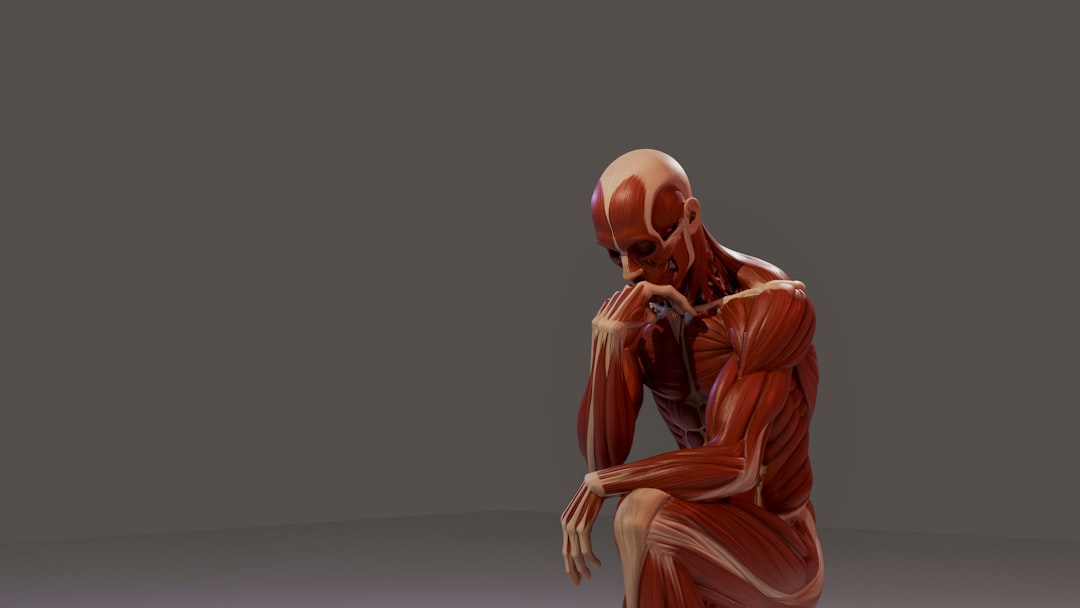
You stand at the threshold of an extraordinary expedition, not across continents or through historical epochs, but deep within the most familiar yet profoundly mysterious landscape imaginable: your own human body. You likely move through your days with a certain effortless grace, a taken-for-granted fluency of action and thought. You breathe without conscious command, your heart beats a rhythmic drum, and your mind conjures images and ideas. Yet, behind this familiar facade lies a universe of intricate, interconnected systems, performing astonishing feats with silent efficiency. This is an unveiling, a journey into the hidden realms that orchestrate your very existence.
Imagine a vast, instantaneous communication network, far surpassing any artificial technology you know. This is your nervous system, the command center that governs every sensation, every movement, every thought. It’s a symphony of electrical impulses and chemical messengers, orchestrating a constant dialogue between your brain and every cell in your body.
The Brain: The Command Citadel
At the heart of this network lies your brain, a complex marvel of grey and white matter. It’s not just a passive recipient of information; it’s an active architect of your reality.
The Cerebrum: The Seat of Consciousness and Cognition
This is the largest part of your brain, responsible for your highest cognitive functions. You experience the world, learn, remember, and make decisions because of the intricate workings of your cerebrum.
The Lobes: Specialized Zones of Operation
Consider the cerebrum not just as one massive unit, but as a collection of distinct regions, each with its own specialized role. The frontal lobe, the planning and personality hub, allows you to strategize and express yourself. The parietal lobe, your sensory integrator, processes touch, temperature, pain, and spatial awareness. The temporal lobe, vital for hearing, memory, and language comprehension, lets you understand the sounds around you and recall past experiences. And the occipital lobe, the visual processing center, translates light into the vibrant images you see.
Neurons: The Brain’s Electrified Messengers
Within these lobes, countless neurons, specialized nerve cells, fire in a dazzling display of electrochemical activity. Each neuron is a tiny biological computer, receiving signals, processing them, and transmitting them onward. The connections between these neurons, the synapses, are where the magic truly happens, forming the basis of learning, memory, and all conscious experience.
The Cerebellum: The Master of Coordination
Tucked away at the back of your brain, beneath the cerebrum, is the cerebellum. You might not consciously think about it, but it’s the unsung hero behind your smooth, coordinated movements.
Fine-Tuned Motor Control
Whether you’re playing a musical instrument, catching a ball, or simply walking, your cerebellum is constantly adjusting and refining your muscle actions, ensuring balance and precision. It learns from practice, becoming more adept with repetition.
Posture and Balance
The cerebellum also plays a crucial role in maintaining your posture and balance, allowing you to stand upright and navigate your environment without constant effort.
The Brainstem: The Life Support System
Connecting the cerebrum and cerebellum to the spinal cord is the brainstem, a region you absolutely cannot live without. It’s the most basic, yet most vital, part of your brain.
Autonomic Regulation: The Unseen Guardians
The brainstem controls the essential functions that keep you alive, often without your conscious awareness. Your breathing, your heart rate, your blood pressure – these are all managed here, ensuring your body operates tirelessly.
Relay Station for Information
It also acts as a critical relay station, transmitting sensory information from your body to the higher brain centers and motor commands from your brain to your muscles.
The Peripheral Nervous System: The Body’s Extensive Wiring
Beyond the brain, a vast network of nerves branches out, reaching every nook and cranny of your body. This is your peripheral nervous system, connecting the central command to the furthest frontiers.
Sensory Neurons: The Body’s Radar
These are the messengers that carry information from your environment and your internal organs back to your brain. The prick of a needle, the warmth of the sun, the ache in your muscles – these sensations travel along sensory neurons.
Motor Neurons: The Body’s Actuators
These neurons carry instructions from your brain and spinal cord to your muscles and glands, initiating movement and regulating bodily functions.
The Autonomic Nervous System: The Unseen Hand
This division of the peripheral nervous system operates largely outside of your conscious control, managing involuntary bodily processes.
The Sympathetic Nervous System: The “Fight or Flight” Response
When you face a perceived threat, your sympathetic nervous system kicks into gear, preparing you for action. Your heart races, your pupils dilate, and your body floods with adrenaline.
The Parasympathetic Nervous System: The “Rest and Digest” Response
In contrast, the parasympathetic nervous system promotes relaxation and energy conservation, slowing your heart rate and stimulating digestion.
The human body is a complex system with many hidden mechanisms that often go unnoticed. For an intriguing exploration of these lesser-known systems, you can read the article on Freaky Science, which delves into the fascinating ways our body functions beyond the obvious. To learn more, visit Freaky Science for insights into the hidden wonders of human physiology.
The Circulatory System: The River of Life
Imagine a tireless, intricate plumbing system, constantly delivering vital substances and removing waste. This is your circulatory system, a ceaseless flow of blood that sustains every single cell in your body.
The Heart: The Unwavering Engine
At the center of this system is your heart, a remarkable muscular organ that beats approximately 100,000 times a day without rest. It’s a powerful pump, diligently pushing blood through an astonishing network of vessels.
The Four Chambers: Optimized for Efficiency
Your heart is divided into four chambers – two atria and two ventricles – each with a specific role in directing blood flow. The atria receive blood, while the ventricles pump it out to the lungs and the rest of the body.
Valves: The Precision Gates
Valves within the heart act like one-way doors, ensuring that blood flows in the correct direction, preventing backflow and maximizing the efficiency of each beat.
Blood Vessels: The Highways of the Body
The blood travels through a sophisticated network of tubes, the blood vessels, each adapted for its specific function.
Arteries: The High-Pressure Carriers
These vessels carry oxygenated blood away from the heart at high pressure, branching into smaller and smaller arterioles.
Veins: The Low-Pressure Return System
Veins carry deoxygenated blood back towards the heart, often at lower pressure. They have valves to prevent blood from flowing backward, especially against gravity.
Capillaries: The Microscopic Exchange Network
These are the smallest and most numerous blood vessels, forming an intricate network within tissues. It’s at the level of capillaries that the vital exchange of oxygen, nutrients, and waste products between the blood and your body’s cells occurs.
Blood: The Vital Fluid
The blood itself is a complex and dynamic fluid, carrying a multitude of essential components.
Red Blood Cells: The Oxygen Transporters
These cells contain hemoglobin, a protein that binds to oxygen in the lungs and releases it to the tissues.
White Blood Cells: The Defenders of the Body
Your immune system relies on white blood cells to identify and destroy pathogens, keeping you safe from infection.
Platelets: The Clotting Crew
These small fragments of cells play a critical role in hemostasis, forming blood clots to stop bleeding when you are injured.
Plasma: The Liquid Matrix
The liquid component of blood, plasma, carries nutrients, hormones, antibodies, and waste products throughout your body.
The Respiratory System: The Breath of Life
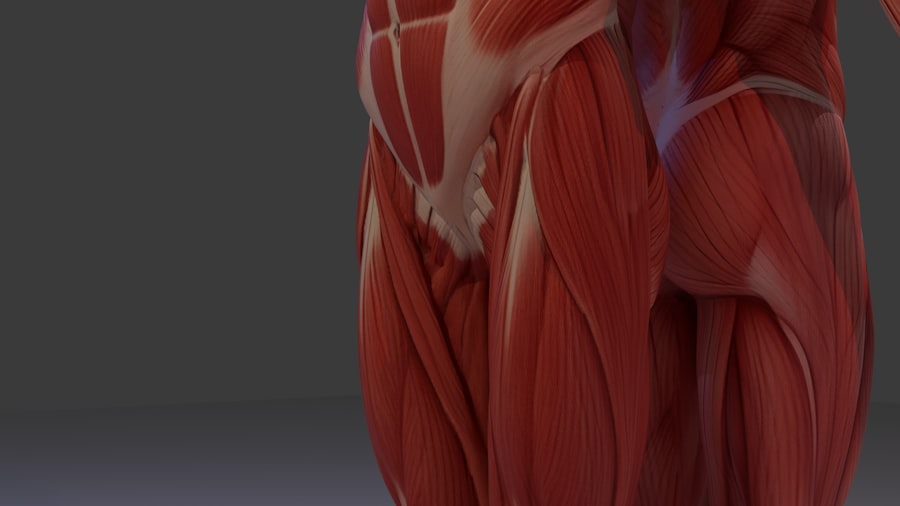
Every moment, you engage in an act of profound biological necessity: breathing. This seemingly simple action is the gateway for life-sustaining oxygen and the expulsion of waste. This is the work of your respiratory system.
The Lungs: The Airy Sacs of Exchange
Your lungs are the primary organs of respiration, a pair of spongy structures housed within your chest cavity.
The Bronchi and Bronchioles: The Branching Airways
When you inhale, air travels down your trachea, which then branches into two bronchi, one for each lung. These bronchi further subdivide into smaller and smaller tubes called bronchioles, leading to the air sacs.
Alveoli: The Tiny Gas Exchange Units
At the very end of the bronchioles lie millions of tiny air sacs called alveoli. These are the critical sites where oxygen from the inhaled air diffuses into your bloodstream, and carbon dioxide from your blood diffuses back into the air to be exhaled.
The Mechanics of Breathing: The Rhythmic Inhale and Exhale
Breathing is a finely tuned mechanical process driven by muscles.
The Diaphragm: The Primary Pumping Muscle
The diaphragm, a large dome-shaped muscle located at the base of your chest cavity, plays a crucial role in inhalation. When it contracts, it flattens and moves downward, increasing the volume of your chest cavity and drawing air into your lungs.
Intercostal Muscles: The Rib Cage Lifters
The intercostal muscles, located between your ribs, also assist in breathing by lifting and expanding your rib cage.
Gas Exchange: The Life-Giving Transaction
The purpose of breathing is the efficient exchange of gases.
Oxygen Uptake: Fueling Your Cells
Oxygen absorbed in the alveoli binds to hemoglobin in your red blood cells and is transported throughout your body to fuel cellular respiration, the process that generates energy for all your bodily functions.
Carbon Dioxide Removal: The Waste Product
Carbon dioxide, a waste product of cellular respiration, is transported from your cells back to your lungs via the bloodstream and is exhaled.
The Digestive System: The Body’s Internal Kitchen
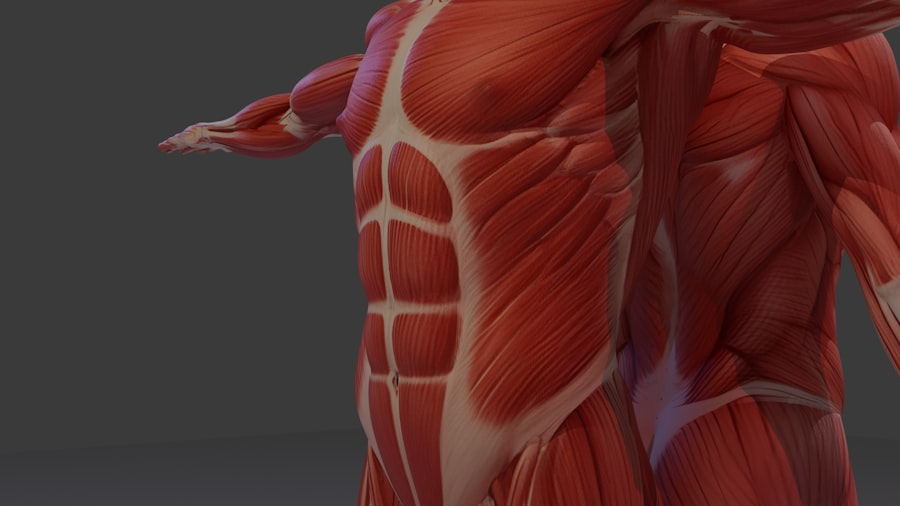
You nourish yourself with food, but the journey from a bite on your tongue to the absorption of vital nutrients is a complex and remarkable transformation. This is the essential work of your digestive system, your body’s internal kitchen.
The Esophagus: The Muscular Highway
After you swallow, food embarks on a journey down the esophagus, a muscular tube that propels food towards your stomach through a process called peristalsis – wave-like muscular contractions.
The Stomach: The Acidic Mixer
Your stomach is a J-shaped organ that acts as a powerful mixer and initial digester. Its muscular walls churn food, while powerful stomach acid and enzymes begin to break down proteins.
Gastric Juices: The Digestive Agents
The stomach lining secretes gastric juices, a potent blend of hydrochloric acid and enzymes that not only aids in chemical digestion but also kills harmful bacteria ingested with food.
The Small Intestine: The Nutrient Absorption Hub
This is where the majority of digestion and nutrient absorption takes place. The small intestine is a long, coiled tube with a massive surface area.
Villi and Microvilli: Maximizing Absorption
The inner lining of the small intestine is covered in finger-like projections called villi, which in turn are covered by even smaller projections called microvilli. This creates an extraordinary surface area for efficient absorption of digested nutrients into your bloodstream.
Enzymes from the Pancreas and Liver
Your pancreas and liver play crucial supporting roles, releasing digestive enzymes and bile that further break down carbohydrates, fats, and proteins into absorbable molecules.
The Large Intestine: Water Absorption and Waste Formation
After the small intestine has extracted most of the usable nutrients, the remaining indigestible material moves into the large intestine.
Water Reabsorption: Concentrating Waste
The primary role of the large intestine is to absorb water from the remaining waste, concentrating it into feces.
Gut Microbiota: The Beneficial Residents
Your large intestine is home to trillions of bacteria, collectively known as the gut microbiota. While some may seem surprising, these microbes are essential for breaking down certain indigestible fibers and even producing some vitamins.
The human body is a complex network of hidden systems that work together to maintain overall health and functionality. One fascinating aspect of these systems is the role of the lymphatic system in immune response and fluid balance. For a deeper understanding of such intricate bodily mechanisms, you might find this related article on hidden systems in the human body particularly insightful. It explores various lesser-known functions and their significance in our daily lives, which you can read more about here.
The Endocrine System: The Body’s Chemical Messengers
| System | Function |
|---|---|
| Cardiovascular system | Responsible for pumping blood throughout the body |
| Respiratory system | Facilitates the exchange of oxygen and carbon dioxide in the body |
| Digestive system | Breaks down food and absorbs nutrients |
| Endocrine system | Regulates hormone production and secretion |
| Immune system | Defends the body against infections and diseases |
| Nervous system | Controls and coordinates body activities through electrical signals |
| Urinary system | Filters and eliminates waste products from the body |
| Reproductive system | Responsible for sexual reproduction and the production of offspring |
Beyond the electrical signals of your nervous system, another layer of communication operates through a slower, yet equally vital, network: your endocrine system. This system uses chemical messengers called hormones to regulate a vast array of bodily functions.
Hormones: The Body’s Chemical Signals
Hormones are produced by specialized glands and released directly into the bloodstream, traveling to target cells throughout your body to elicit specific responses.
Major Endocrine Glands and Their Roles
Each gland in your endocrine system has a specific set of hormones it produces, influencing everything from your growth and metabolism to your mood and reproduction.
The Pituitary Gland: The Master Controller
Often called the “master gland,” the pituitary gland, located at the base of your brain, controls the activity of many other endocrine glands, influencing growth, metabolism, reproduction, and more.
The Thyroid Gland: The Metabolic Engine
Your thyroid gland, located in your neck, produces hormones that regulate your metabolism – the rate at which your body converts food into energy.
The Adrenal Glands: The Stress Responders
These glands, located atop your kidneys, produce hormones like adrenaline and cortisol, which are crucial for responding to stress and regulating various bodily functions.
The Pancreas: The Blood Sugar Regulator
While also part of the digestive system, the pancreas contains specialized cells that produce insulin and glucagon, hormones essential for regulating blood sugar levels.
The Gonads (Ovaries and Testes): The Reproductive Architects
These glands produce sex hormones, such as estrogen and testosterone, which are responsible for the development of secondary sexual characteristics and reproductive functions.
Your journey into the hidden systems of your body has only just begun. Each of these intricate networks works in concert, a testament to the power and elegance of biological design. By understanding these hidden marvels, you gain a profound appreciation for the complexity and resilience of the human machine you inhabit, and perhaps, a renewed sense of wonder at the ordinary miracle of being alive.

The Hidden Sense Inside Your Gut
FAQs
What are the hidden systems in the human body?
The human body has several hidden systems, including the lymphatic system, endocrine system, and the autonomic nervous system, which are not as well-known as the respiratory or circulatory systems.
What is the function of the lymphatic system?
The lymphatic system is responsible for maintaining fluid balance in the body, absorbing fats from the digestive system, and helping the immune system by filtering out harmful substances and producing white blood cells.
How does the endocrine system work?
The endocrine system is a network of glands that produce and release hormones to regulate various bodily functions, such as metabolism, growth and development, tissue function, sexual function, reproduction, sleep, and mood.
What is the role of the autonomic nervous system?
The autonomic nervous system controls involuntary bodily functions, such as heart rate, digestion, respiratory rate, pupillary response, urination, and sexual arousal. It is divided into the sympathetic and parasympathetic nervous systems.
Why are these hidden systems important for overall health?
These hidden systems play crucial roles in maintaining homeostasis, regulating bodily functions, and supporting the immune system. Understanding and caring for these systems is essential for overall health and well-being.