
The relentless human drive to explore and extract resources has propelled technological innovation, particularly in the realm of drilling. From the rudimentary efforts of ancient civilizations to the sophisticated operations of today, drilling has been instrumental in unlocking the Earth’s bounty, fueling economies, and shaping modern society. However, as humanity pushes the boundaries of extraction further into previously inaccessible frontiers, the inherent limitations of modern drilling technology become increasingly apparent. This exploration delves into these boundaries, examining the scientific, engineering, and environmental constraints that define what is currently possible and the challenges that lie ahead.
The allure of deep subterranean resources, whether they be hydrocarbons, geothermal energy, or critical minerals, is a powerful motivator for advanced drilling. Yet, as boreholes extend deeper into the Earth’s crust, the challenges escalate exponentially, pushing the limits of material science, operational efficiency, and the very understanding of geological environments.
Extreme Pressure and Temperature Regimes
As drill bits descend kilometers below the surface, they encounter conditions that would quickly render conventional equipment useless. The immense pressures exerted by the overlying rock strata can crush even the most robust steel, while temperatures soar to levels that can melt components, compromise lubricants, and destabilize drilling fluids.
Material Science Under Duress
The fundamental limitation here lies in the materials used for drill bits, drill pipes, and wellbore casing. Traditional steels, while strong, begin to deform and lose their structural integrity under such extreme conditions. Research and development are constantly striving for alloys with higher tensile strength, greater resistance to fatigue, and superior performance at elevated temperatures. This includes exploring exotic materials like specialized ceramics, tungsten carbide composites, and even more advanced metallic alloys. However, the cost and manufacturability of these advanced materials at the scale required for deep drilling present significant economic and logistical hurdles. The development of self-healing materials or materials with inherent resistance to creep and brittle fracture remains a long-term aspiration rather than an immediate solution.
The Role of Drilling Fluids
Drilling fluids, often referred to as “mud,” are crucial for a multitude of functions: cooling the drill bit, lubricating the drill string, removing cuttings, and maintaining wellbore stability. At extreme depths, these fluids face a formidable challenge. High temperatures can degrade their chemical composition, altering their viscosity, density, and ability to carry cuttings. The immense pressure can also cause gasification or phase changes in the fluid, leading to unpredictable behavior and potential well control issues. Developing drilling fluids that can maintain their optimal properties across a wide spectrum of temperature and pressure regimes is a continuous area of research. This involves the creation of new additive packages and the exploration of novel fluid bases, but the trade-offs between performance, cost, and environmental impact are always a delicate balancing act.
Wellbore Stability and Integrity
Maintaining the integrity of the borehole itself is paramount, especially at great depths. The forces at play can cause the surrounding rock to deform, collapse, or fracture, leading to lost circulation, stuck pipe, and ultimately, the abandonment of the well.
Geological Formations: A Complex Canvas
The sheer diversity of geological formations encountered at depth poses a significant challenge. Some rock types are inherently weak and prone to sloughing, while others are brittle and prone to fracturing under stress. Understanding the precise mechanical properties of these formations in situ, often hundreds of degrees Celsius and under immense pressure, is incredibly difficult. Geologists and drilling engineers rely on seismic data, well logs from shallower sections, and laboratory testing of rock samples, but extrapolating these findings to extreme depths with certainty is an ongoing challenge. The presence of faults, unconsolidated sediments, or highly porous and permeable zones can exacerbate wellbore instability issues, requiring specialized drilling techniques and fluid formulations.
Casing and Cementing Operations
Once a section of the wellbore is drilled, it is typically lined with steel casing and the annular space between the casing and the rock is filled with cement. This provides structural support and isolates different geological zones. At extreme depths, the process of running casing and cementing becomes significantly more complex. The casing itself must withstand immense axial and radial loads. The cement slurry must be formulated to set and harden under high pressure and temperature without excessive shrinkage or cracking, which can compromise zonal isolation. Developing cements that can perform reliably in these harsh environments, while also being amenable to pumping and placement, is a critical engineering challenge. Furthermore, the expansion and contraction of casing due to temperature fluctuations can induce stresses that can lead to casing fatigue and failure over time.
Modern drilling technology has made remarkable advancements, allowing us to reach unprecedented depths beneath the Earth’s surface. For an in-depth exploration of the capabilities and limitations of contemporary drilling techniques, you can refer to a related article on this topic. This article discusses the latest innovations in drilling technology and how they are pushing the boundaries of what is possible in deep-earth exploration. To learn more, visit Freaky Science.
The Unseen Hand: Navigating Subsurface Complexity
Beyond the sheer physical challenges of depth, modern drilling technology grapples with an increasingly complex and often unpredictable subsurface environment. Understanding and mitigating these complexities requires sophisticated sensing, imaging, and real-time analysis capabilities.
Geomechanical Modeling and Prediction
Accurate prediction of the stresses and strains within the rock mass surrounding a borehole is crucial for safe and efficient drilling. However, the Earth’s crust is a dynamic system, influenced by tectonic activity, fluid pressure variations, and the very act of drilling itself.
The Limits of Geophysical Imaging
While seismic surveys provide valuable insights into subsurface structures, their resolution decreases with depth, making it difficult to identify fine-grained geological features or anomalies that could pose drilling hazards. Furthermore, seismic data primarily reveals structural information and offers limited insight into the mechanical properties of the rock. Other geophysical methods, such as electrical resistivity or magnetic surveys, also have their limitations in terms of resolution and depth penetration for the specific needs of drilling hazard identification. The development of higher-resolution seismic techniques and complementary geophysical methods that can accurately characterize rock strength and fluid content at drilling depths remains an active area of research, but significant technological hurdles persist.
Real-time Stress and Strain Analysis
The ability to monitor and predict stresses and strains in real-time as drilling progresses is an ideal scenario. However, current sensing technologies are often limited in their ability to provide accurate and continuous data from within the high-pressure, high-temperature borehole environment. While downhole sensors exist, their reliability, lifespan, and the bandwidth for transmitting data from extreme depths are often compromised. Advanced geomechanical modeling relies on accurate input data, and when that data is incomplete or uncertain, the predictive power of the models is diminished, leading to increased operational risk.
Formation Characterization and Uncertainty
Precisely characterizing the rock formations being drilled is essential for optimizing drilling parameters, predicting fluid flows, and assessing reservoir potential. However, this remains a significant challenge, particularly in heterogeneous and complex geological settings.
The Imperfect Nature of Well Logging
Well logging, the process of lowering instruments into a borehole to measure various physical properties of the rock and fluids, is a cornerstone of formation evaluation. However, these measurements are inherently indirect and can be influenced by a multitude of factors, including borehole conditions, fluid properties, and the surrounding rock. Lithological identification, porosity and permeability estimation, and fluid saturation determination all involve interpretation and are subject to a degree of uncertainty, especially in complex or transitional zones. The development of logging tools with higher accuracy, broader measurement capabilities, and improved reliability in harsh downhole environments is ongoing, but the fundamental physics of inferring subsurface properties from external measurements imposes inherent limits.
Heterogeneity and Anisotropy
The Earth’s crust is rarely uniform. Variations in rock type, mineralogy, and pore structure, as well as the presence of natural fractures, create heterogeneity and anisotropy that can significantly impact drilling operations and resource recovery. Accurately mapping and understanding these variations at the scale relevant to drilling is a formidable task. Seismic data can provide some indication of large-scale heterogeneities, but the finer details that can influence localized drilling challenges or reservoir performance are often not resolved. The assumption of isotropic rock properties in many models can lead to inaccurate predictions, highlighting the need for more sophisticated methods to characterize and account for subsurface anisotropy.
The Rigidity of the Machine: Limitations in Drill Bit and Rig Technology

While drill bits have evolved from simple to complex engineered tools, and drilling rigs have grown in size and power, fundamental physical limitations still dictate their performance and efficiency. The very nature of abrasion and rotation imposes constraints on how quickly and effectively we can penetrate the Earth.
Drill Bit Design and Wear
The drill bit is the workhorse of any drilling operation, directly interacting with the rock. Its design, materials, and durability are critical to drilling speed and cost.
The Inherent Abrasiveness of Rock
Rock, by its very nature, is abrasive. This constant friction inevitably leads to wear on drill bit components, dulling their cutting surfaces and reducing their effectiveness. Even the hardest materials, such as diamond or specialized ceramics, eventually succumb to this relentless wear. Developing drill bits that can maintain their cutting efficiency for extended periods in diverse and abrasive rock types is a constant engineering pursuit, but the fundamental material properties of rock impose a limit on tool longevity. The development of self-sharpening or self-healing drill bit technologies, while conceptually appealing, faces significant material science and engineering challenges.
Energy Transfer Efficiency
The energy required to break rock is substantial. While modern drilling rigs deliver immense power, the efficiency with which this energy is transferred to the rock at the bit face is not 100%. Factors such as fluid friction, vibration, and energy loss within the drill string all contribute to inefficiencies. Optimizing this energy transfer, particularly in deep, deviated, or complex wells, remains a challenge. Exploring novel drilling methods that bypass or minimize direct mechanical abrasion, such as plasma or laser drilling, is an area of theoretical interest but remains largely in the experimental phase due to power requirements and technological immaturity.
Rig Capabilities and Operational Constraints
The drilling rig itself, while a marvel of engineering, also has its inherent limitations in terms of size, power, and operational flexibility.
Hook Load and Torque Limitations
The maximum weight the rig’s hoisting system can lift (hook load) and the rotational force it can apply (torque) are fundamental physical limitations. These determine the size and weight of drill string components that can be managed and the forces that can be applied to the bit. As wells become deeper and more complex, requiring heavier and longer drill strings, these limitations become more pronounced. Pushing beyond these limits requires increasingly larger and more powerful (and expensive) rigs, which may not always be feasible or economically viable.
Surface Footprint and Environmental Impact
Large drilling rigs require significant surface area for their footprint, including space for equipment, materials, and personnel. In environmentally sensitive areas or regions with limited accessible land, this can become a major constraint. Furthermore, the sheer scale of operations can have significant environmental impacts, from noise pollution and habitat disruption to the generation of waste materials. Developing more compact, efficient, and environmentally benign drilling rig designs is an ongoing objective, but fundamental physics of scale and power generation impose certain baseline requirements.
The Invisible Barriers: Challenges in Fluid Dynamics and Well Control
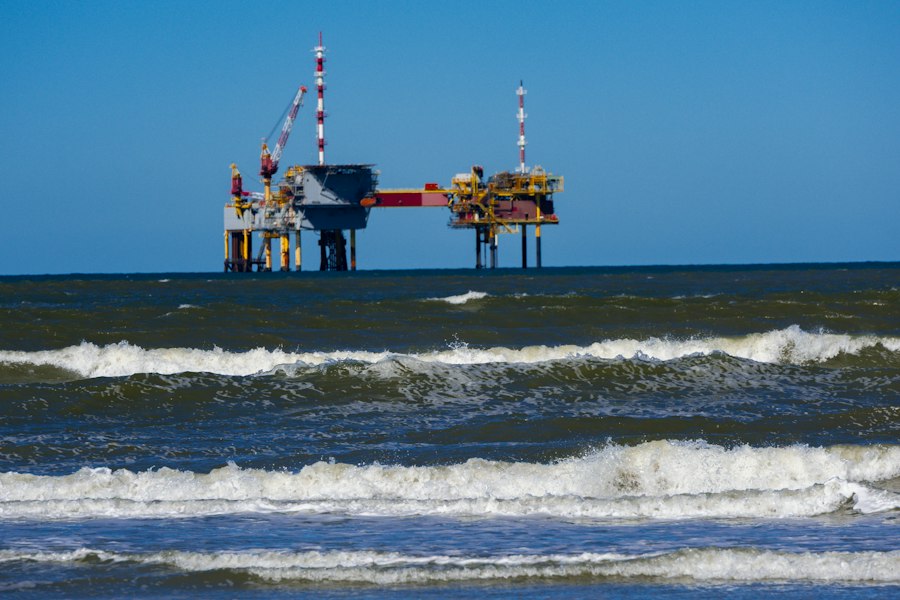
The management of fluids within the borehole – from the drilling mud to the hydrocarbons and water being extracted – is a critical aspect of drilling operations. The complex interplay of pressures, flows, and chemical interactions presents a persistent set of challenges.
Fluid Rheology and Transport
The behavior of drilling fluids under various conditions of temperature, pressure, and shear rate is a complex science. Maintaining the desired rheological properties is essential for efficient drilling and wellbore stability.
Non-Newtonian Behavior Under Extreme Conditions
Drilling fluids are typically non-Newtonian, meaning their viscosity changes with the applied shear rate. At extreme depths and temperatures, predicting and controlling this behavior becomes significantly more challenging. The effects of pressure on fluid properties, such as phase changes or gas solubility, can further complicate rheological models. Developing robust predictive models that accurately capture these complex behaviors across the entire range of downhole conditions is an ongoing area of research, but experimental validation at these extreme conditions is difficult and costly.
Efficient Cuttings Removal
The primary function of drilling fluid is to transport rock cuttings from the bottom of the hole to the surface. In deep, deviated, or high-angle wells, this process becomes more difficult. Gravity alone is not sufficient to ensure efficient removal, and the interaction between fluid flow, cuttings, and the borehole wall can lead to cuttings beds, pack-offs, and other drilling problems. Optimizing mud properties and flow rates to ensure effective cuttings transport in these challenging geometries is a constant battle, and there are inherent limits to how efficiently this can be achieved purely through fluid dynamics.
Well Control and Blowout Prevention
Maintaining control over the pressures within the wellbore is paramount to preventing blowouts, which can have catastrophic environmental and safety consequences.
The Balance of Pressures
Well control relies on maintaining a delicate balance between the hydrostatic pressure exerted by the drilling fluid column and the formation pressures encountered. As wells get deeper and penetrate higher-pressure zones, this balance becomes increasingly difficult to manage. Any deviation in fluid density, flow rate, or wellbore geometry can lead to a loss of hydrostatic pressure, allowing formation fluids to enter the wellbore and potentially leading to a blowout. The ability to accurately measure and control these pressures in real-time under extreme conditions is a significant technological challenge.
The Speed of Unpredictability
Geological formations can be highly heterogeneous, with pockets of high-pressure fluid or gas existing unexpectedly. The speed at which formation fluids can enter a wellbore during a loss of well control can be incredibly rapid, leaving little time for operators to react. Current sensing and response systems, while advanced, are limited by the speed of data acquisition, transmission, and the mechanical response of equipment. The inherent physical laws governing fluid flow and pressure propagation mean there will always be a time lag, and this lag can be critical in a high-pressure event.
Modern drilling technology has made remarkable advancements, allowing us to reach depths previously thought impossible. As researchers continue to explore the Earth’s crust, the capabilities of these technologies are being pushed to new limits. For a deeper understanding of this topic, you can read more in the article about the latest innovations in drilling techniques found here. This exploration not only enhances our ability to extract resources but also provides valuable insights into geological formations and processes.
The Economic and Environmental Straitjacket: Constraints on Progress
| Drilling Technology | Maximum Depth Achieved | Typical Depth Range | Application | Notes |
|---|---|---|---|---|
| Rotary Drilling (Oil & Gas) | 12,262 meters (40,230 feet) | 3,000 – 7,000 meters | Oil and gas extraction | Deepest well: Kola Superdeep Borehole (scientific) |
| Kola Superdeep Borehole | 12,262 meters (40,230 feet) | N/A | Scientific research | Deepest man-made hole on Earth |
| Directional Drilling | Up to 9,000 meters | 2,000 – 9,000 meters | Oil and gas, geothermal | Allows horizontal and angled drilling |
| Geothermal Drilling | Up to 5,000 meters | 1,000 – 5,000 meters | Geothermal energy extraction | Depends on geothermal reservoir depth |
| Mining Drilling (Blast Holes) | Up to 1,000 meters | 100 – 1,000 meters | Mining exploration and blasting | Typically shallower than oil drilling |
Even with theoretically feasible technological advancements, the economic realities and environmental considerations often impose the ultimate limits on what drilling operations can realistically achieve.
The Unforgiving Calculus of Cost
The pursuit of deep resources is an incredibly capital-intensive endeavor. The development and deployment of advanced drilling technologies come with exorbitant price tags, and these costs must be weighed against the potential economic return.
Escalating Capital Expenditure
As drilling goes deeper and into more challenging environments, the cost of specialized equipment, advanced materials, highly trained personnel, and extended operational timelines escalates dramatically. The return on investment for such ventures is often uncertain, making it difficult to justify the significant capital expenditure. This economic reality often acts as a significant brake on pushing the absolute theoretical limits of drilling technology, as the marginal cost of accessing the last few meters or overcoming the final few obstacles can become prohibitively high.
Exploration and Appraisal Risk
Before significant investment is made in deep drilling, extensive exploration and appraisal work is required. This itself is costly and carries inherent risks, as the presence and economic viability of deep resources are not guaranteed. The uncertainty associated with deep exploration means that only the most promising targets are pursued, and even then, the success rate can be low. This risk aversion, driven by economic factors, limits the extent to which truly novel or highly speculative deep drilling projects are undertaken.
The Growing Shadow of Environmental Responsibility
The environmental impact of drilling operations, particularly those in sensitive ecosystems or at extreme depths, is under increasing scrutiny. Regulations are becoming more stringent, and public pressure for sustainable practices is mounting.
Minimizing the Footprint
The environmental footprint of drilling operations, from surface disturbance to potential subsurface impacts like induced seismicity or groundwater contamination, is a growing concern. Developing drilling techniques that minimize these impacts, such as directional drilling to reduce surface footprint or advanced fluid management systems to prevent spills, is crucial. However, achieving zero environmental impact is an aspirational goal, and inherent to the process of subsurface penetration is a degree of disturbance.
The Long Shadow of Climate Change and Resource Sustainability
The global push for a transition to cleaner energy sources casts a long shadow over the future of deep fossil fuel extraction. While deep drilling might be technologically feasible for certain resources, the long-term economic and environmental sustainability of such endeavors is increasingly being questioned. This broader societal and political context, driven by concerns about climate change and resource depletion, can influence investment decisions and regulatory frameworks, effectively limiting the scope and scale of future deep drilling projects, regardless of their technological potential.
In conclusion, modern drilling technology has achieved remarkable feats, pushing the boundaries of human ingenuity. Yet, these advancements are not without their limits. The oppressive forces of extreme depth, the intricate complexities of the subsurface, the inherent limitations of mechanical systems, the delicate balance of fluid dynamics, and the unyielding constraints of economics and environmental responsibility all converge to define the boundaries of what is currently achievable. While innovation will undoubtedly continue to chip away at these limitations, a thorough understanding of these inherent constraints is crucial for setting realistic expectations and for guiding future research and development towards truly sustainable and impactful resource exploration and extraction. The future of drilling lies not only in pushing further but also in doing so with greater wisdom, efficiency, and a profound respect for the planet.
We Drilled 12 KM Into Earth—Then the Rock Started Bending
FAQs
1. How deep can modern drilling technology reach?
Modern drilling technology can reach depths of up to 40,000 feet (12,192 meters) or more, depending on the specific drilling techniques and equipment used.
2. What factors determine how deep drilling technology can go?
The depth that modern drilling technology can reach is influenced by factors such as the type of rock formations being drilled through, the pressure and temperature conditions at depth, and the capabilities of the drilling equipment being used.
3. What are some of the deepest drilling projects in history?
Some of the deepest drilling projects in history include the Kola Superdeep Borehole in Russia, which reached a depth of over 7.5 miles (12 kilometers), and the Sakhalin-I Odoptu OP-11 well in Russia, which reached a depth of over 40,500 feet (12,344 meters).
4. What are the main challenges of drilling to extreme depths?
Challenges of drilling to extreme depths include high temperatures and pressures, the risk of equipment failure, the need for specialized drilling techniques, and the cost and time involved in drilling to such depths.
5. What are some of the potential applications of drilling technology at extreme depths?
Drilling technology at extreme depths can be used for exploring for oil and gas reserves, geothermal energy extraction, scientific research into the Earth’s crust and mantle, and mining for minerals and resources deep underground.