
Imagine you are peering into a meticulously crafted world, where the fundamental building blocks of matter are not just observed, but dissected with astonishing precision. You are exploring the intricate dance of molecules, unraveling their secrets, one fragment at a time. This is the realm of tandem mass spectrometry, a powerful analytical technique that serves as your window into the molecular universe, revealing structures and identities that would otherwise remain veiled. Think of it as a sophisticated detective, not just identifying suspects but also examining their modus operandi by breaking them down into telltale clues.
Before you can delve into the complexities of tandem mass spectrometry, you must first grasp the foundational principles of its parent technique: mass spectrometry. At its heart, mass spectrometry is a method for determining the mass-to-charge ratio (m/z) of ions. This might sound abstract, but consider it as giving each molecule a unique barcode based on its weight and electrical charge.
Ion Generation: Bringing Molecules to Light
Your journey begins with the introduction of your sample into the mass spectrometer. Here, the neutral molecules must be transformed into charged species, or ions, so that they can be manipulated by electric and magnetic fields. This is akin to giving each participant in your molecular investigation a unique flag that allows you to track their movements. Various ionization techniques exist, each suited to different types of molecules and applications.
Electron Ionization (EI): A Gentle Knock
One common method is Electron Ionization (EI). Here, a beam of high-energy electrons bombards your sample. These electrons, when they collide with a molecule, can knock off one of their own electrons, thereby creating a positively charged ion. This process can also lead to the fragmentation of the molecule into smaller, characteristic ions. Think of EI as a focused beam of light that, when it strikes a colored object, not only illuminates it but also causes some of its surface to chip off, revealing underlying layers.
Electrospray Ionization (ESI): A Fine Mist
For larger and more delicate molecules, such as proteins and peptides, Electrospray Ionization (ESI) is often employed. In ESI, a solution containing your molecules is passed through a charged needle at high voltage. This generates a fine spray of charged droplets. As the solvent evaporates, the charge density on the droplets increases, eventually leading to the expulsion of intact, charged analyte molecules. This is like gently coaxing individual particles out of a dense fog, ensuring they remain intact during their release.
Matrix-Assisted Laser Desorption/Ionization (MALDI): A Targeted Blast
Another powerful technique, particularly for large biomolecules, is Matrix-Assisted Laser Desorption/Ionization (MALDI). Here, your sample is mixed with a UV-absorbing matrix. A pulsed laser beam is then fired at this mixture, causing the matrix to absorb the energy and vaporize, thus desorbing and ionizing the analyte molecules. Imagine a crowded room where a spotlight suddenly shines on a specific group, causing a localized burst of activity and sending individuals scattering, identifiable by their unique attire.
Mass Analysis: Sorting the Clues
Once your molecules have been ionized, they are propelled through a mass analyzer. This is where the critical separation based on their m/z ratio occurs. Different mass analyzers employ different principles to achieve this sorting.
Quadrupole Analyzers: The Wavy Path
Quadrupole mass analyzers use oscillating electric fields to guide ions. Only ions with a specific m/z ratio will be able to pass through the quadrupole rods without colliding with them. By systematically varying the electric fields, you can allow a range of ions to reach the detector. This is analogous to a series of gates, each designed to only allow passage to objects of a specific size and shape, with the settings of the gates being adjusted to let through a procession of different objects.
Time-of-Flight (TOF) Analyzers: The Race Against Time
Time-of-Flight (TOF) analyzers work by accelerating ions with a fixed electric potential and then measuring the time it takes for them to travel a defined distance to the detector. Lighter ions, with the same charge, will travel faster than heavier ions. This is a race where speed dictates the winner; faster contestants (lighter ions) arrive at the finish line first.
Detection: Recording the Evidence
Finally, the mass-separated ions strike a detector, which generates an electrical signal proportional to the abundance of each ion. This signal is then processed to produce a mass spectrum – a graph plotting ion abundance against m/z. This spectrum is your primary piece of evidence, the fingerprint of your molecular sample.
Recent advancements in the field of analytical chemistry have highlighted the potential of tandem mass spectrometry for detecting mirror life, a concept that explores the existence of mirror-image molecules. A related article discusses the implications of this technology and its applications in various scientific fields. For more insights on this topic, you can read the article at Freaky Science.
Introducing the “Tandem” in Tandem Mass Spectrometry: The Deeper Dive
Now, let us elevate our understanding from single mass measurements to something far more profound. Tandem mass spectrometry, often denoted as MS/MS, takes the process a significant step further. It involves performing multiple stages of mass analysis, interspersed with fragmentation steps. This allows for a more intricate dissection of your molecules, providing a richer dataset for identification and characterization. Think of it as not just identifying a suspect, but also interrogating them, breaking down their story (molecule) into crucial narrative fragments (daughter ions) to verify their account.
The Multi-Stage Approach: Sequential Analysis
The core concept of tandem mass spectrometry is its sequential nature. Instead of a single mass analysis event, you have at least two. The first stage (MS1) typically involves selecting a specific ion of interest from the mixture. This selected ion, often referred to as the precursor ion or parent ion, is then deliberately fragmented. The resulting fragments, known as product ions or daughter ions, are then analyzed in a second stage of mass spectrometry (MS2).
MS1: The Forensics Team’s Initial Sweep
The first mass spectrometer (MS1) acts as the initial forensic sweep. It isolates a specific molecule (precursor ion) from the complex mix of your sample that you want to investigate further. This selection is crucial because it allows you to focus your analytical resources on a particular target, preventing the overwhelming noise of irrelevant molecules from clouding your investigation.
Fragmentation: Breaking Down the Evidence
Once the precursor ion is isolated, it’s directed to a fragmentation device. This is where the molecule is intentionally broken apart. The way a molecule fragments is highly dependent on its structure, making the resulting fragment ions highly diagnostic. This is similar to a confession where key details are revealed, or a torn document where the way it tore provides clues about how it was handled.
Collision-Induced Dissociation (CID): The Impactful Approach
A prevalent fragmentation technique is Collision-Induced Dissociation (CID). Here, the precursor ions are accelerated and allowed to collide with neutral gas molecules (like helium or nitrogen) in a collision cell. These collisions impart energy to the precursor ions, causing them to break apart. The energy of the collisions can be controlled, influencing the degree of fragmentation. This is like a controlled impact, designed to break a specific object without shattering it into unrecognizable dust.
Electron-Transfer Dissociation (ETD): A Gentler Break
For certain molecules, particularly those with basic functional groups, Electron-Transfer Dissociation (ETD) offers a complementary fragmentation method. In ETD, electrons are transferred to the precursor ions from radical anions. This process can lead to facile fragmentation, particularly at peptide bonds, without causing excessive fragmentation of side chains. This is like using a specialized tool that targets specific weak points in an object, leading to a cleaner break.
MS2: The Second Line of Evidence Analysis
The fragment ions produced are then introduced into a second mass analyzer (MS2). This analyzer sorts and detects these fragment ions based on their m/z ratios. The resulting spectrum, the product ion spectrum, provides a detailed roadmap of how the original precursor ion was broken down. It’s like analyzing the pieces of a torn photograph; by examining the edges and content of each piece, you can reconstruct the original image and identify the subjects.
The Power of Different Configurations: Tailoring Your Analysis
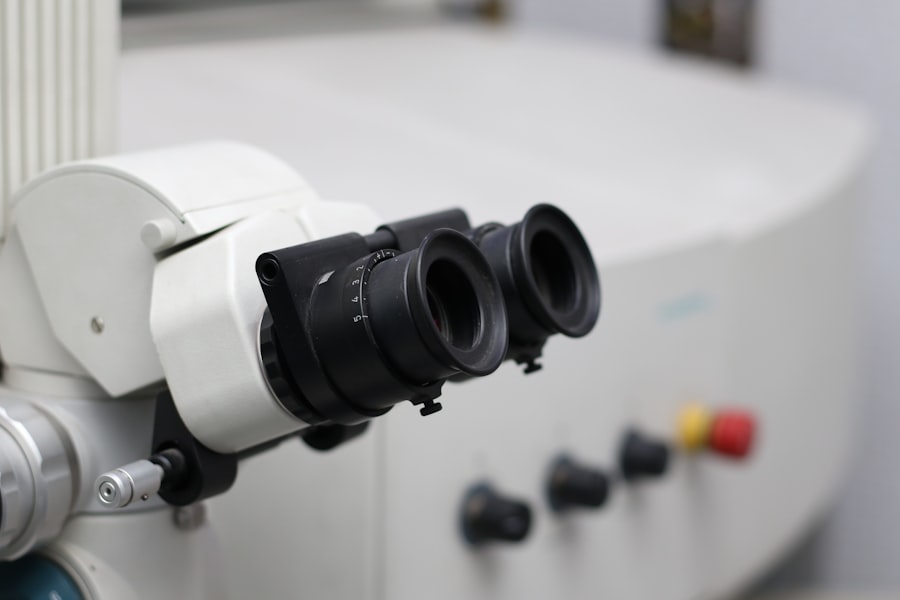
The architecture of tandem mass spectrometers can vary, leading to different configurations, each offering unique advantages for your investigative needs. You are not limited to a single design; rather, you have a toolkit of instruments, each optimized for specific tasks.
Triple Quadrupole (QqQ): The Sensitive Sentinel
One of the most widely used configurations is the triple quadrupole (QqQ) mass spectrometer. It consists of three quadrupole mass analyzers arranged in series.
Q1: The Precursor Ion Selector
The first quadrupole (Q1) functions as a mass filter, allowing only ions of a specific m/z to pass through. This is your initial screening, selecting the individual you want to question.
The Collision Cell: The Interrogation Chamber
The region between the first and second quadrupoles acts as the collision cell. Here, selected precursor ions undergo fragmentation, usually via CID. This is where the interrogation takes place, breaking down their story.
Q3: The Product Ion Detector
The third quadrupole (Q3) acts as another mass filter, allowing only specific fragment ions to reach the detector. This is where you examine the coherent parts of their response, looking for specific patterns. The ability to scan Q3 across a range of m/z values provides a product ion spectrum, while fixing Q3’s m/z and scanning Q1 creates a precursor ion scan, useful for identifying ions that fragment to a specific product.
Ion Trap Mass Spectrometers: The Molecular Cage
Ion trap mass spectrometers, such as quadrupole ion traps (QIT) and linear ion traps (LIT), offer a different approach. They trap ions within a defined electric field and can perform multiple stages of mass analysis within the same physical space.
Trapping and Selection: The Molecular Holding Pen
Ions are injected into the trap, where they are held by oscillating electric fields. Within the trap, ions can be selectively stored, manipulated, and fragmented. This is like a holding pen where you can isolate and then perform multiple procedures on your chosen subjects without them escaping.
Tandem in the Trap: Iterative Analysis
Within the ion trap, you can perform sequential MS stages. For example, you can trap a mixture of ions, scan them to select a specific precursor ion, eject all other ions, then fragment the selected ion and scan again to analyze the fragments. This offers flexibility and sensitivity.
Orbitrap Mass Spectrometers: The High-Resolution Watchtower
Orbitrap mass spectrometers are renowned for their exceptional mass resolution and accuracy. They utilize electrostatic fields to confine ions in an orbital motion around a central spindle-like electrode.
Orbital Dynamics: Precision Measurement
Ions injected into the Orbitrap oscillate along the central electrode with a frequency that is dependent on their m/z. This high-precision measurement of oscillation frequencies translates into very accurate mass determinations. Imagine observing a flock of birds, where their flight patterns, though seemingly chaotic, are incredibly precise and reveal their individual identities.
High-Resolution Tandem MS: Unraveling Complexities
Orbitrap instruments excel in high-resolution tandem MS. They can achieve very accurate mass measurements of both precursor and product ions, allowing for the confident identification of isobaric compounds (molecules with the same nominal mass but different elemental compositions) and the elucidation of complex structures.
Applications of Tandem Mass Spectrometry: Your Investigative Toolkit
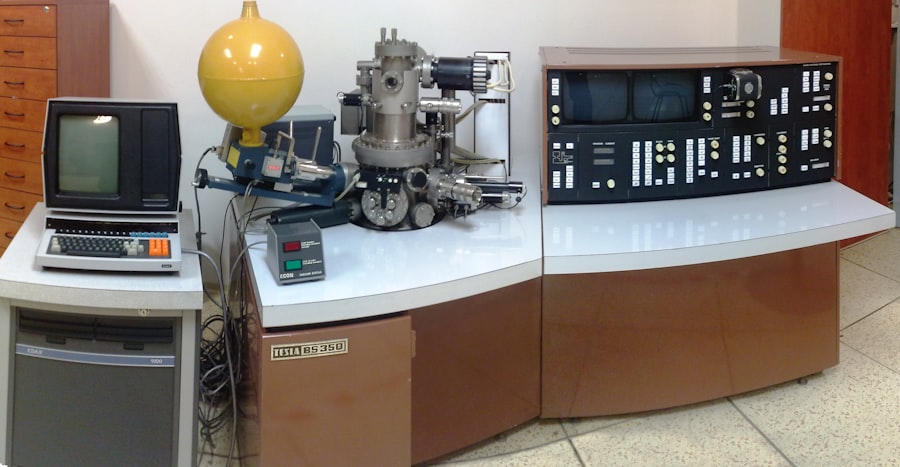
The versatility of tandem mass spectrometry makes it an indispensable tool in a wide array of scientific disciplines. You can deploy this technique to tackle diverse challenges, from identifying unknown substances to quantifying specific molecules with remarkable precision.
Proteomics: Unmasking the Protein Landscape
In proteomics, the large-scale study of proteins, tandem mass spectrometry is a cornerstone. It allows you to identify and quantify thousands of proteins within a sample.
Protein Identification: Deciphering the Amino Acid Sequence
By digesting proteins into smaller peptides, you can then analyze these peptides using tandem MS. The fragmentation pattern of a peptide provides a unique fingerprint that can be used to deduce its amino acid sequence. This is like deciphering a coded message, where the fragments of the code reveal the original words.
Protein Quantification: Measuring Abundance
Tandem MS can also be used to quantify the abundance of specific proteins. Techniques like isotope dilution mass spectrometry leverage the precise mass measurements of MS to accurately determine the concentration of target proteins, even at very low levels. This is like having a highly accurate scale to measure the exact quantity of each participating actor in your molecular play.
Metabolomics: Mapping the Metabolic Pathways
Metabolomics focuses on the small molecules, or metabolites, present in biological systems. Tandem mass spectrometry is crucial for identifying and quantifying these metabolites, providing insights into metabolic processes and cellular states.
Metabolite Identification: Cataloging the Chemical Inventory
By analyzing complex mixtures of metabolites, tandem MS can help identify unknown compounds by comparing their fragmentation patterns to databases. This is like creating an exhaustive catalog of all the chemical tools a cell possesses.
Elucidating Metabolic Pathways: Tracing the Flow of Matter
Through the analysis of various biological samples under different conditions, tandem MS can help map out metabolic pathways, revealing how different metabolites are interconverted and regulated. This is akin to tracing the flow of water through a complex network of rivers and streams, understanding how it originates, moves, and transforms.
Pharmaceutical Analysis: Guaranteeing Quality and Purity
In the pharmaceutical industry, tandem mass spectrometry is vital for ensuring the quality, purity, and safety of drugs.
Impurity Profiling: Identifying Undesired Guests
Tandem MS can detect and identify even trace amounts of impurities in drug formulations. This is critical for ensuring that only the intended therapeutic compounds are present and that no potentially harmful byproducts are overlooked. Think of it as a meticulous quality control process, catching even the slightest deviations from the perfect recipe.
Drug Metabolism Studies: Following the Biochemical Trail
Understanding how drugs are metabolized in the body is crucial for determining their efficacy and potential side effects. Tandem MS helps identify the metabolites of administered drugs, providing insights into their pharmacokinetic and pharmacodynamic profiles. This is like tracking a package through a complex delivery system, understanding where it goes, how it’s handled, and what state it’s in upon arrival.
Environmental Monitoring: Safeguarding Our World
Tandem mass spectrometry plays a significant role in environmental monitoring, helping to detect and quantify pollutants in air, water, and soil.
Pesticide and Herbicide Detection: Identifying Chemical Threats
This technique can identify and quantify a wide range of pesticides and herbicides, even at very low concentrations, allowing for the assessment of environmental contamination and the enforcement of regulations. This is like a sensitive alarm system, detecting the presence of harmful agents that could impact ecosystems.
Emerging Contaminant Analysis: Staying Ahead of the Curve
As new chemicals enter the environment, tandem MS provides the capability to identify and track these emerging contaminants, allowing for proactive measures to mitigate potential risks. This is about foresight, anticipating potential environmental hazards before they become widespread.
Recent advancements in detecting mirror life have garnered significant attention in the scientific community, particularly through the use of tandem mass spectrometry. This innovative approach allows researchers to identify and analyze chiral molecules, which are essential in understanding the fundamental differences between left-handed and right-handed forms of life. For those interested in exploring this topic further, a related article can be found at Freaky Science, where the implications of these findings are discussed in detail. The ability to distinguish between these molecular forms could revolutionize our understanding of biology and the origins of life itself.
The Future of Tandem Mass Spectrometry: Continual Evolution
| Metric | Description | Typical Value/Range | Relevance to Detecting Mirror Life |
|---|---|---|---|
| Mass Accuracy | Precision of measured mass-to-charge ratio (m/z) | ±1-5 ppm | High mass accuracy is essential to distinguish mirror-image biomolecules with subtle mass differences |
| Resolution | Ability to separate ions with close m/z values | 30,000 – 100,000 (FWHM) | High resolution helps differentiate enantiomers or isotopically labeled mirror molecules |
| Fragmentation Pattern | MS/MS spectra showing ion fragments | Characteristic fragment ions for L- and D- forms | Differences in fragmentation can indicate chirality and presence of mirror life molecules |
| Ionization Efficiency | Effectiveness of ion generation from sample molecules | Varies by molecule and ionization method (e.g., ESI, MALDI) | Consistent ionization needed to compare mirror-image biomolecules accurately |
| Retention Time (if coupled with LC) | Time taken for analyte to elute in chromatography | Varies; chiral columns can separate enantiomers | Helps separate mirror-image molecules prior to MS detection |
| Limit of Detection (LOD) | Minimum concentration detectable | Low femtomole to attomole range | Critical for detecting trace amounts of mirror life biomolecules |
| Sample Preparation Time | Duration to prepare samples for MS analysis | 1-4 hours | Efficient prep needed to preserve mirror life molecule integrity |
The field of tandem mass spectrometry is not static; it is a dynamic landscape of innovation and refinement. You are witnessing, and will continue to see, advancements that push the boundaries of what is possible.
Enhanced Sensitivity and Resolution: Sharpening Your Vision
Future developments are focused on improving the sensitivity and resolution of mass spectrometers. This means being able to detect and differentiate molecules at even lower concentrations and with greater precision, allowing for the resolution of increasingly complex samples. Imagine upgrading your telescope to see fainter stars and more distant galaxies with unprecedented clarity.
Miniaturization and Portability: Analysis on the Go
There is a growing trend towards miniaturization, leading to the development of smaller, more portable tandem mass spectrometers. This will enable field analysis and point-of-care diagnostics. Think about moving from a large laboratory instrument to a device you can carry in your hand, bringing sophisticated analysis directly to the source of your investigation.
Integration with Other Techniques: A Synergistic Approach
The integration of tandem mass spectrometry with other analytical techniques, such as chromatography and spectroscopy, will continue to expand its capabilities. This creates powerful hyphenated techniques that offer even more comprehensive molecular information. This is like combining the insights of multiple experts, each bringing a unique perspective to solve a complex problem.
Advanced Data Analysis and Artificial Intelligence: Interpreting the Vast Seas of Data
The sheer volume of data generated by tandem mass spectrometry necessitates sophisticated data analysis tools. The application of artificial intelligence and machine learning algorithms will become increasingly important for extracting meaningful insights from complex datasets, automating identification processes, and predicting molecular behavior. Imagine a highly intelligent assistant who can sift through mountains of evidence, identify patterns, and draw conclusions far faster and more reliably than human analysis alone.
In conclusion, tandem mass spectrometry stands as a testament to human ingenuity in unraveling the molecular intricacies that govern our world. It is your indispensable tool, providing a lens through which you can observe, dissect, and understand the fundamental components of life and matter. As you continue to explore the realms of science, remember that tandem mass spectrometry is not merely a technique; it is an ongoing journey of discovery, constantly revealing new layers of information and empowering you to ask more profound questions.
FAQs
What is mirror life in the context of biology?
Mirror life refers to hypothetical life forms composed of mirror-image biomolecules, such as left-handed amino acids and right-handed sugars, which are the opposite chirality of those found in known terrestrial life.
How does tandem mass spectrometry help in detecting mirror life?
Tandem mass spectrometry (MS/MS) can analyze the molecular structure and chirality of biomolecules by fragmenting ions and measuring their mass-to-charge ratios, enabling the identification of mirror-image compounds that differ from standard biological molecules.
Why is chirality important in detecting mirror life?
Chirality, or “handedness,” is a fundamental property of biomolecules that affects their biological function. Detecting molecules with opposite chirality to those in known life forms is crucial for identifying mirror life.
What types of biomolecules can tandem mass spectrometry analyze for mirror life detection?
Tandem mass spectrometry can analyze amino acids, sugars, peptides, and other organic molecules to determine their chirality and structural differences indicative of mirror life.
What are the potential applications of detecting mirror life using tandem mass spectrometry?
Detecting mirror life could advance our understanding of alternative biochemistries, aid in the search for extraterrestrial life, and contribute to synthetic biology by exploring novel biomolecular structures.