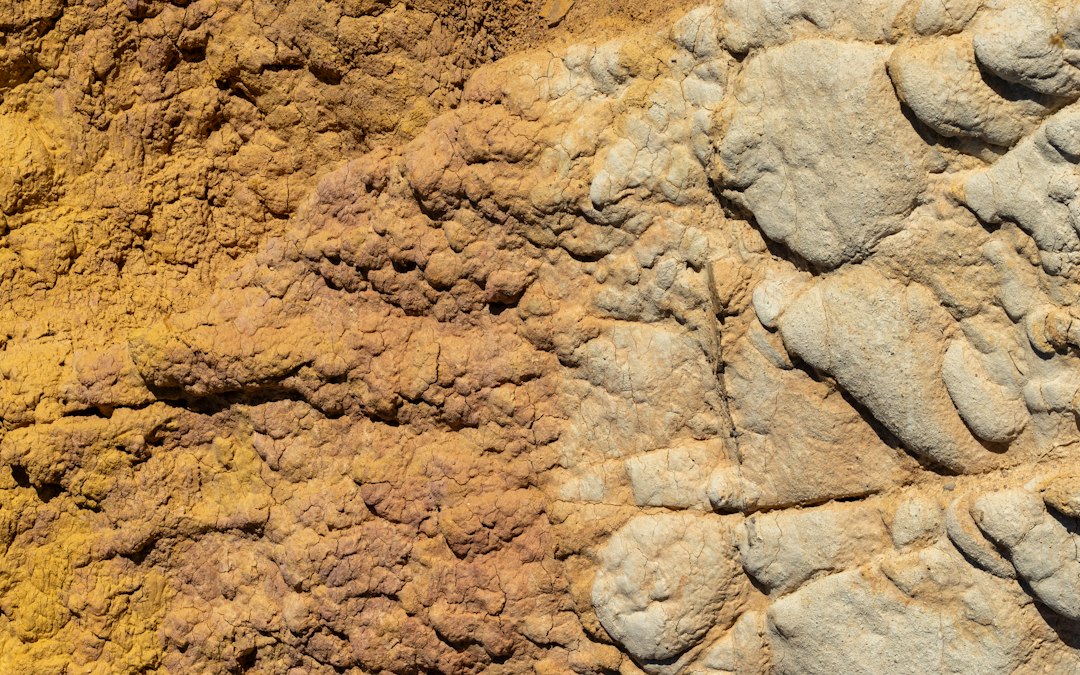
The Earth’s crust, the outermost solid shell of our planet, is a dynamic and intricate tapestry of rock and mineral that holds the key to understanding geological history, tectonic plate movement, and the very formation of continents. Unlike the uniform surface we often perceive, this layer is a complex mosaic, varying significantly in thickness, composition, and age across its vast expanse. Delving into the crust’s makeup and structure reveals a story etched in stone, a narrative of immense pressure, intense heat, and eons of transformation. This article aims to unveil the secrets of Earth’s crust, exploring its fundamental components and the distinct layers that define its presence.
The Earth’s crust, while seemingly solid and monolithic, is a rich chemical cocktail, primarily composed of a handful of abundant elements. Understanding these elemental building blocks is crucial to appreciating the diverse rock types that form the crust and the processes that create and modify them. These elements are not uniformly distributed; their concentrations vary between different crustal regions, leading to distinct chemical signatures.
The Dominant Duo: Oxygen and Silicon
The most prevalent elements in the Earth’s crust are oxygen (O) and silicon (Si). Together, they form the fundamental units of silicate minerals, which constitute the vast majority of crustal rocks. Oxygen, being highly reactive, readily bonds with other elements. Its abundance is a direct consequence of the prevalence of water and the formation of oxides throughout Earth’s history. Silicon, with its unique ability to form long chains and complex structures, acts as the backbone for most minerals. The Si-O bond is exceptionally strong, contributing to the stability and hardness of silicate minerals.
The Essential Metals: Aluminum, Iron, Calcium, Sodium, Potassium, and Magnesium
Following oxygen and silicon, several metallic elements play significant roles in the crust’s composition. Aluminum (Al) is the third most abundant element and is a key component of many common minerals, including feldspars and micas. Its presence influences the properties of rocks, contributing to their strength and color. Iron (Fe) is vital, though less abundant than aluminum. It is a significant constituent of mafic minerals found in basaltic rocks and plays a role in the magnetic properties of some terrestrial rocks.
Calcium (Ca), sodium (Na), and potassium (K) are alkali and alkaline earth metals that are integral to the formation of feldspars, a group of minerals that are among the most abundant in the Earth’s crust, particularly in granitic rocks. These elements contribute to the weathering and breakdown of rocks, releasing them into soils and bodies of water. Magnesium (Mg) is another important metallic element, found predominantly in mafic and ultramafic minerals like olivine and pyroxene, which are characteristic of the oceanic crust and deeper mantle.
Trace Elements: The Unsung Contributors
While the aforementioned elements form the bulk of the crust, a vast array of trace elements, present in minute quantities, significantly influence the crust’s physical and chemical properties. These include elements like titanium (Ti), hydrogen (H), phosphorus (P), and manganese (Mn), as well as numerous others. Trace elements can be incorporated into mineral structures, affecting their color, density, and reactivity. They also serve as crucial indicators for geological processes, such as magma evolution, hydrothermal alteration, and the formation of economically valuable mineral deposits.
The Earth’s crust is a fascinating layer that plays a crucial role in the planet’s geology and ecosystems. It is composed of various minerals and rocks, which are essential for understanding the Earth’s formation and the processes that shape its surface. For a deeper dive into the composition and characteristics of the Earth’s crust, you can explore this related article: Understanding the Earth’s Crust. This resource provides valuable insights into the different types of crust, their formation, and their significance in the broader context of Earth’s geology.
Two Worlds of Crust: Oceanic vs. Continental
The Earth’s crust is not a singular entity but rather divided into two fundamentally distinct types: oceanic crust and continental crust. These two realms differ dramatically in their thickness, density, age, and chemical composition, reflecting the diverse geological processes that have shaped them over billions of years. This dichotomy is central to understanding plate tectonics and the dynamic evolution of our planet’s surface.
Oceanic Crust: The Young and Dense Navigator
Oceanic crust forms the foundation of the world’s oceans. It is relatively thin, averaging about 7 to 10 kilometers in thickness. Its defining characteristic is its high density, which is a direct consequence of its composition. Oceanic crust is primarily composed of mafic rocks, most notably basalt and gabbro. These rocks are rich in iron and magnesium, making them denser than the rocks that form continental crust.
The Basaltic Symphony: Composition of Oceanic Crust
The uppermost layer of oceanic crust is typically a layer of pillow basalts, formed by the rapid cooling of lava underwater. Beneath this lies a thicker layer of sheeted dikes, representing solidified magma conduits, followed by a basal layer of massive gabbro, a coarse-grained intrusive equivalent of basalt. This layered structure is a testament to the continuous creation of new oceanic crust at mid-ocean ridges.
The Engine of Creation: Mid-Ocean Ridges
The generation of oceanic crust is a continuous process driven by seafloor spreading at mid-ocean ridges. Here, tectonic plates pull apart, allowing molten rock (magma) from the mantle to rise and erupt onto the seafloor. As this magma cools and solidifies, it forms new crust. This process is responsible for the relatively young age of most oceanic crust, with the oldest sections rarely exceeding 200 million years. The constant recycling of oceanic crust at subduction zones explains its limited age compared to its continental counterpart.
Continental Crust: The Ancient and Lighter Architect
Continental crust forms the landmasses and continental shelves of the Earth. It is significantly thicker than oceanic crust, averaging about 35 to 70 kilometers, and can reach over 100 kilometers in thickness beneath major mountain ranges. Its lower density is due to its predominantly felsic composition, rich in silicon and aluminum.
The Granitic Dominance: Composition of Continental Crust
The most abundant rock type in continental crust is granite and its various equivalents, which are felsic igneous rocks characterized by high concentrations of quartz and feldspar. These rocks are lighter and less dense than the mafic rocks of oceanic crust. Continental crust also contains a diverse array of metamorphic and sedimentary rocks, reflecting a long and complex geological history involving cycles of erosion, deposition, and transformation.
A Tapestry of Time: Age and Evolution of Continental Crust
Continental crust is considerably older than oceanic crust. While some continental crust is relatively young, much of it dates back billions of years, with some ancient cratons (stable interior regions of continents) preserving rocks over 4 billion years old. This ancient age is a consequence of continental crust’s buoyancy; it is too light to be efficiently subducted back into the mantle. Instead, it tends to accumulate and thicken over geological time, forming the stable cores of continents. The complex history of continental crust involves processes such as volcanic activity, mountain building (orogeny), erosion, and the amalgamation of smaller crustal fragments over vast periods.
The Layered Structure: From Surface to Mantle Boundary
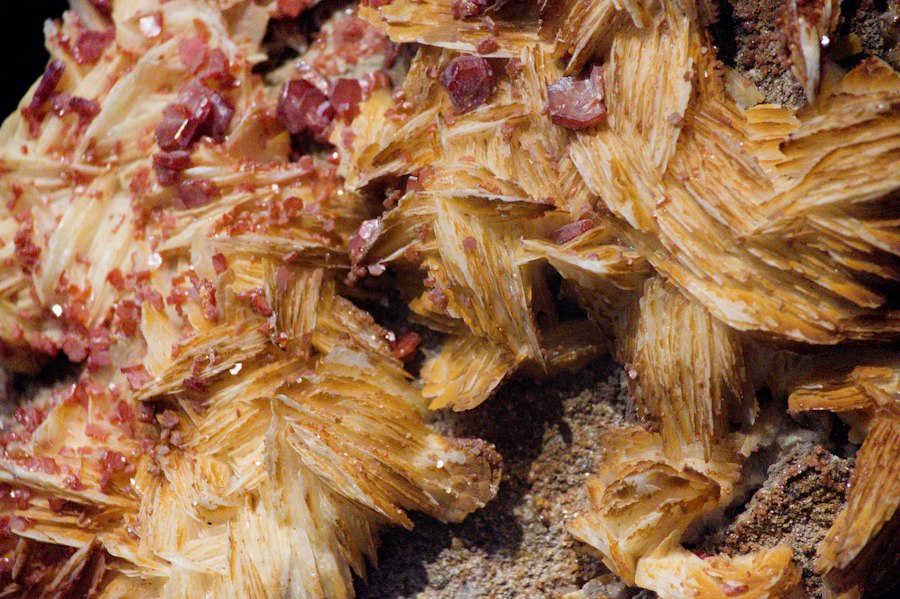
The Earth’s crust is not a homogeneous layer but is further subdivided into distinct layers based on its physical and chemical properties. These layers represent different stages of formation, composition, and geological processes. Understanding these internal divisions provides a more nuanced view of the crust’s structure and its role in larger geological phenomena.
The Mohorovičić Discontinuity: The Crustal Boundary
The most significant boundary within the Earth’s crust is the Mohorovičić discontinuity, or Moho. This is a sharp change in seismic velocity that marks the boundary between the Earth’s crust and the underlying upper mantle. Seismic waves, generated by earthquakes or artificial sources, travel at different speeds through different materials. When these waves encounter the Moho, their speed increases significantly, indicating a change in rock density and composition. The depth of the Moho varies considerably, being shallower beneath oceanic crust (around 7-10 km) and deeper beneath continental crust (around 30-50 km). The Moho represents the transition from silicate rocks rich in aluminum and alkali metals (crust) to silicate rocks rich in iron and magnesium (mantle).
The Upper Crust: The Visible and Accessible Realm
The uppermost layer of the crust is what we directly interact with – the surface rocks we walk on, the mountains we climb, and the ocean floors beneath the waves. This layer is highly variable in its composition and structure, reflecting the immediate impact of surface processes like weathering, erosion, sedimentation, and volcanic activity.
Sedimentary Cover: The Pages of History
In many areas, particularly on continental margins and ocean floors, the uppermost part of the crust is covered by a layer of unconsolidated or semi-consolidated sediments. These sediments, derived from the weathering and erosion of pre-existing rocks, are deposited by wind, water, and ice. They form sequences that can preserve a detailed record of past environments, climates, and biological activity. Sandstones, shales, and limestones are common examples of sedimentary rocks found in this layer.
Igneous and Metamorphic Bedrock: The Foundation
Beneath the sedimentary cover, or directly exposed in areas of intense erosion or volcanic activity, lies the igneous and metamorphic bedrock. This layer forms the structural foundation of the crust and is composed of rocks that have solidified from molten magma (igneous) or have been transformed by heat and pressure (metamorphic). The types of igneous and metamorphic rocks found here are highly dependent on the geological history of the region, from ancient volcanic arcs to the cores of mountain ranges.
The Lower Crust: The Deep and Dense Foundation
Beneath the upper crust lies the lower crust, a region characterized by higher temperatures and pressures. The rocks in the lower crust are generally denser and more crystalline than those in the upper crust. This layer is less directly observable and is primarily studied through seismic data and the analysis of xenoliths (rock fragments brought up from the lower crust by volcanic eruptions).
The Granulite and Eclogite Zones: Transformation Under Pressure
In the lower continental crust, pressures are high enough to transform common crustal rocks into granulites, which are characterized by anhydrous minerals and a granular texture. In the deepest parts of the lower crust, especially beneath thick continental crust or at the base of mountain belts, rocks can transform into eclogites. Eclogites are dense metamorphic rocks composed primarily of omphacite (a sodium-rich pyroxene) and garnet. Their high density suggests that they may, in some cases, delaminate and sink into the upper mantle.
The Basaltic Layer of Oceanic Crust: The Deep Sea Floor
For oceanic crust, the “lower crust” is essentially the gabbro layer mentioned previously. This coarse-grained igneous rock represents the solidified magma that cooled more slowly at depth beneath the basaltic extrusive layers. It is still considered part of the oceanic crust and is denser than typical continental lower crust.
Processes Shaping the Crust: A Continuous Transformation
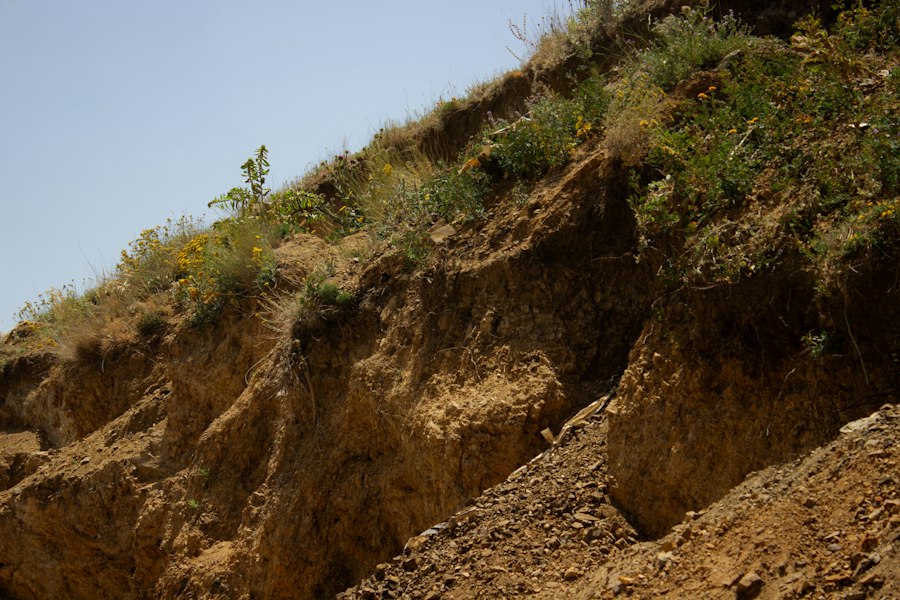
The Earth’s crust is not a static entity; it is constantly being shaped and reshaped by a variety of powerful geological processes. These processes, operating over vast timescales, are responsible for the dynamic landscapes we observe and the ongoing evolution of our planet’s surface. Understanding these processes is fundamental to comprehending the origin and fate of crustal material.
Plate Tectonics: The Grand Architect
The overarching framework for understanding crustal dynamics is the theory of plate tectonics. This theory posits that the Earth’s lithosphere (the rigid outer shell, including the crust and uppermost mantle) is broken into large, moving plates. The interactions between these plates at their boundaries drive many of the most significant geological processes affecting the crust.
Divergent Boundaries: Creating New Crust
At divergent plate boundaries, plates move apart, leading to the upwelling of magma from the mantle and the creation of new oceanic crust, as seen at mid-ocean ridges. This process is responsible for the spreading of the ocean floor and the widening of ocean basins.
Convergent Boundaries: Recycling and Colliding
At convergent plate boundaries, plates collide. This can result in the subduction of one plate beneath another, leading to the recycling of oceanic crust back into the mantle, often accompanied by volcanic activity and mountain building. When two continental plates collide, neither is easily subducted, resulting in intense deformation and the formation of massive mountain ranges, like the Himalayas.
Transform Boundaries: Slipping and Grinding
At transform plate boundaries, plates slide past each other horizontally. These boundaries are characterized by significant fault lines, such as the San Andreas Fault, and are responsible for frequent earthquakes. While transform boundaries don’t create or destroy crust, they cause significant lateral displacement and fragmentation of existing crust.
Volcanism and Igneous Activity: Molten Rock at Play
Volcanism and other forms of igneous activity are crucial in shaping the crust. The eruption of lava and ash from volcanoes can create new landforms, deposit vast quantities of material, and significantly alter the chemical composition of the crust in localized areas. Intrusive igneous activity, where magma cools and solidifies beneath the surface, can also form large bodies of igneous rock that later become exposed through erosion.
Erosion and Weathering: The Sculpting Forces
On the Earth’s surface, erosion and weathering are relentless forces that break down and transport crustal material. Weathering, the physical and chemical breakdown of rocks, and erosion, the transport of weathered material by wind, water, and ice, are responsible for shaping mountains, carving valleys, and depositing sediments. These processes play a vital role in the recycling of crustal material and the formation of sedimentary rocks.
Metamorphism: Transformation Under Pressure
Metamorphism is the process by which existing rocks are transformed by heat, pressure, and chemically active fluids, without melting. This process often occurs deep within the crust, particularly in regions of tectonic collision and mountain building. Metamorphism can fundamentally alter the mineralogy and texture of rocks, creating new rock types like schists, gneisses, and marbles.
The Earth’s crust is a fascinating layer that plays a crucial role in our planet’s geology and ecosystem. It is composed of various minerals and rocks, which are essential for understanding tectonic activity and the formation of landscapes. For those interested in exploring more about the intricate details of Earth’s crust, you can read a related article that delves into its composition and significance. This article provides insights into how the crust interacts with other layers of the Earth and its impact on natural phenomena. To learn more, visit this informative resource.
The Future of the Crust: A Story Yet Unfolding
| Component | Approximate Percentage by Volume | Description |
|---|---|---|
| Oxygen (O) | 46.6% | Most abundant element, primarily found in silicate minerals |
| Silicon (Si) | 27.7% | Second most abundant element, forms silicate minerals with oxygen |
| Aluminum (Al) | 8.1% | Common in feldspar and other minerals |
| Iron (Fe) | 5.0% | Found in minerals like magnetite and hematite |
| Calcium (Ca) | 3.6% | Present in minerals such as calcite and plagioclase feldspar |
| Sodium (Na) | 2.8% | Found in plagioclase feldspar and other minerals |
| Potassium (K) | 2.6% | Common in orthoclase feldspar |
| Magnesium (Mg) | 2.1% | Found in minerals like olivine and pyroxene |
| Other Elements | 1.5% | Includes titanium, hydrogen, phosphorus, manganese, and others |
The Earth’s crust, while appearing ancient and stable, is in a constant state of flux. The processes that have shaped it over billions of years continue to operate, albeit at rates that are often imperceptible to human timescales. Understanding the current state of the crust and the ongoing geological processes provides valuable insights into the planet’s past, present, and future.
Continual Plate Movement and Crustal Deformation
Plate tectonics will continue to drive the movement and deformation of the Earth’s crust. Continents will drift, oceans will open and close, and mountain ranges will continue to rise and erode. These processes will lead to the formation of new geological features and the modification of existing ones. The distribution of continents and oceans will continue to evolve, influencing global climate patterns and the distribution of life.
The Role of Climate Change and Human Impact
While geological processes operate on vast timescales, contemporary climate change and human activities are increasingly influencing the Earth’s crust. Rising sea levels can lead to increased erosion of coastlines and the inundation of low-lying continental crust. Human activities like mining, quarrying, and the construction of large infrastructure projects directly alter the surface of the crust. Furthermore, activities that influence the Earth’s water cycle and carbon cycle can have indirect effects on crustal processes, such as influencing the rates of weathering and the formation of sedimentary rocks.
Unveiling More Secrets: Ongoing Research and Exploration
Our understanding of the Earth’s crust is continually expanding through ongoing scientific research and exploration. Advanced seismic imaging techniques, deep-sea drilling, and the analysis of geological samples from around the globe provide new data that refines our models of crustal structure, composition, and evolution. The quest to fully comprehend the intricate details of the Earth’s crust, from its elemental makeup to its deepest layers, remains a vibrant and crucial area of scientific inquiry, promising further revelations about our dynamic planet. The crust, a seemingly solid foundation, is in reality a dynamic and ever-changing frontier, holding the keys to Earth’s deep history and its unfolding future.
We Drilled 12 KM Into Earth—Then the Rock Started Bending
FAQs
What is the Earth’s crust made of?
The Earth’s crust is primarily made up of solid rocks and minerals, including granite, basalt, and sandstone.
How thick is the Earth’s crust?
The Earth’s crust varies in thickness, ranging from 5 to 70 kilometers (3 to 44 miles) thick beneath the continents and around 5 to 10 kilometers (3 to 6 miles) thick beneath the oceans.
What are the layers of the Earth’s crust?
The Earth’s crust is divided into two main types: continental crust, which is thicker and less dense, and oceanic crust, which is thinner and more dense. Both types of crust are composed of different types of rocks and minerals.
What is the temperature inside the Earth’s crust?
The temperature inside the Earth’s crust increases with depth, with an average increase of about 25 to 30 degrees Celsius per kilometer. At the base of the crust, temperatures can reach up to 900 degrees Celsius (1,652 degrees Fahrenheit).
What role does the Earth’s crust play in plate tectonics?
The Earth’s crust is divided into several large and small tectonic plates that float on the semi-fluid asthenosphere beneath them. The movement of these plates is responsible for various geological phenomena, such as earthquakes, volcanic eruptions, and the formation of mountain ranges.