
The deep ocean, a realm shrouded in perpetual darkness and immense pressure, harbors a hidden history of evolution that is only now beginning to be unveiled. Far from being a barren void, these abyssal plains, hydrothermal vents, and trench systems teem with life, each organism a testament to nature’s remarkable ability to adapt and diversify. Scientists, through increasingly sophisticated exploration and analytical techniques, are piecing together the intricate evolutionary narratives of these extreme environments, revealing a world where life’s fundamental rules have been bent and reshaped in fascinating ways.
The evolutionary journey of life in the deep ocean stretches back billions of years. While the surface oceans have undergone dramatic shifts in temperature, oxygen levels, and chemistry, the deep sea has provided a relatively stable, albeit harsh, refuge. This stability has allowed ancient lineages to persist and diverge, offering glimpses into the very early stages of life on Earth.
The Dawn of Life and the Primordial Ocean
The origins of life are thought to have occurred in aquatic environments, and the early Earth’s oceans, with their rich chemical soup, would have been prime candidates for abiogenesis. While direct evidence from this period is scarce, the discovery of extremophiles in deep-sea hydrothermal vents provides compelling clues. These organisms, thriving in conditions similar to those hypothesized for early Earth, utilize chemosynthesis – deriving energy from chemical reactions – rather than photosynthesis, which requires sunlight. This suggests that life may have initially evolved in the absence of light, a paradigm-shifting concept that has revolutionized our understanding of life’s potential beyond Earth.
The Role of Geological Events in Shaping Early Marine Ecosystems
Major geological events, such as volcanic activity and the formation of early continents, would have significantly impacted the nascent marine environments. The release of volcanic gases and minerals into the ocean would have provided essential building blocks for life and created localized nutrient-rich zones. As the Earth’s crust differentiated and tectonic plates began to move, new habitats would have emerged, leading to the isolation and subsequent divergence of populations. These early evolutionary pressures, driven by geological forces, laid the groundwork for the complex ecosystems we see today.
Fossil Evidence and the Limits of Deep-Sea Paleontology
The fossil record of deep-sea life is notoriously sparse. The high pressures and corrosive conditions of the deep ocean are not conducive to the preservation of delicate organic material. Furthermore, the vastness of the ocean and the difficulty of accessing deep-sea sediments make paleontological surveys exceptionally challenging. However, rare finds, such as fossilized microbial mats near ancient hydrothermal vents, offer invaluable insights into the early history of deep-sea microbial communities. The study of microfossils within sedimentary cores from the deep ocean can also provide indirect evidence of past marine conditions and the evolution of planktonic organisms.
Recent studies on deep ocean evolution have unveiled fascinating insights into how life adapts to extreme environments. For a deeper understanding of this topic, you can explore the article titled “The Secrets of Deep Ocean Evolution” available at this link. This article delves into the unique adaptations of marine organisms and the geological processes that shape the deep-sea ecosystem, shedding light on the intricate relationships between life and the ocean’s depths.
Adapting to the Extremes: Physiology and Biochemistry
The most striking aspect of deep-sea evolution is the remarkable array of adaptations that allow organisms to survive and thrive in environments characterized by crushing pressure, freezing temperatures, and a complete absence of sunlight. These adaptations span every level of biological organization, from the molecular machinery of cells to the complex physiology of entire organisms.
Piezophily: Life Under Immense Pressure
The most ubiquitous challenge in the deep ocean is hydrostatic pressure, which can exceed 1,000 atmospheres. Organisms living at these depths have evolved specialized proteins and cell membranes that maintain their structural integrity and functional efficiency under such extreme conditions. Piezophilic (pressure-loving) enzymes, for example, are often more active at high pressures than their mesophilic or thermophilic counterparts. Cell membranes are rich in unsaturated fatty acids, which prevent them from solidifying under pressure. Understanding these adaptations provides crucial insights into the fundamental limits of biological systems and the potential for life in extraterrestrial environments with high pressures.
Cold Adaptation: Surviving the Abyssal Chill
While some deep-sea environments, like hydrothermal vents, are characterized by extreme heat, the vast majority of the deep ocean is frigid, with temperatures hovering around 2-4 degrees Celsius. Deep-sea organisms have evolved various strategies to cope with the cold, including the production of antifreeze proteins that prevent ice crystal formation in their cells. Others have developed slow metabolic rates, allowing them to conserve energy in a resource-scarce environment. The biochemical pathways themselves are also often optimized for low-temperature function, requiring enzymes that can operate efficiently at frigid temperatures.
Chemosynthesis: Life Without Sunlight
In the absence of sunlight, photosynthesis is impossible. Deep-sea ecosystems, particularly around hydrothermal vents and cold seeps, are powered by chemosynthesis. Specialized bacteria and archaea oxidize reduced chemical compounds, such as hydrogen sulfide, methane, and ammonia, to produce energy. These chemosynthetic microbes form the base of the food web, supporting a diverse array of animals that either graze on the microbes, filter them from the water, or engage in symbiotic relationships with them. The evolutionary innovation of chemosynthesis represents a fundamental divergence from surface-based life and highlights the remarkable adaptability of biological energy acquisition.
Bioluminescence: The Light of the Deep
In the perpetual darkness, bioluminescence has evolved independently multiple times across various deep-sea taxa. This ability to produce light serves a multitude of purposes: attracting prey, deterring predators, finding mates, and even for communication. The chemical reactions involved in bioluminescence vary, showcasing a fascinating example of convergent evolution. From the dazzling displays of anglerfish lures to the subtle glows of gelatinous zooplankton, bioluminescence is a defining feature of the deep-sea soundscape of light.
Diversification in the Abyss: Major Evolutionary Pathways
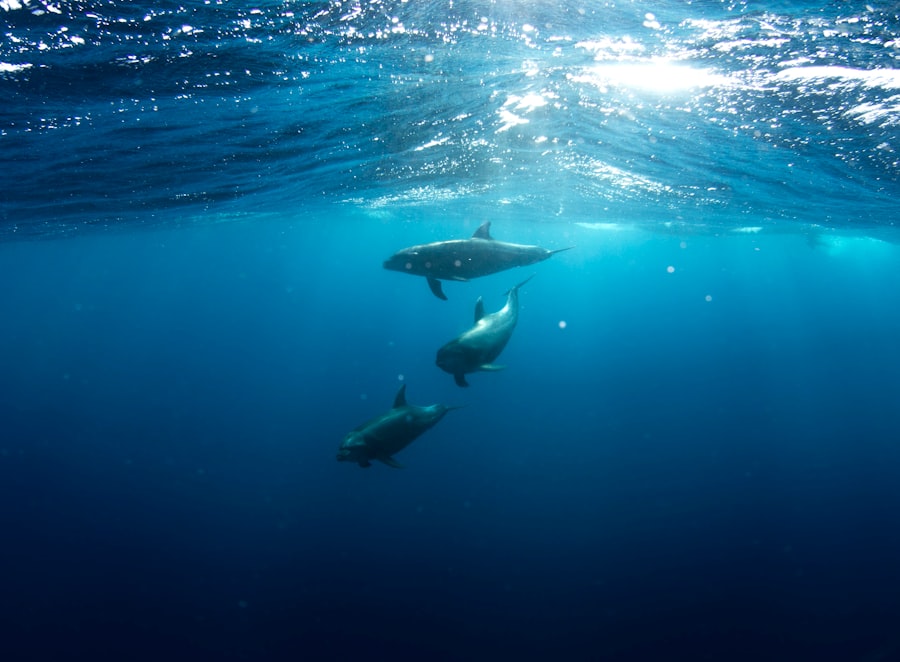
The deep ocean is not a uniform environment. It comprises a mosaic of habitats, each with its own unique selective pressures, driving distinct evolutionary trajectories. Understanding these diverse pathways reveals the intricate web of life that has unfolded in the abyss.
Hydrothermal Vent Ecosystems: Oases of Life
Hydrothermal vents, often referred to as “black smokers” and “white smokers,” are dynamic geological features where superheated, mineral-rich water erupts from the seafloor. These environments support some of the most unique and productive ecosystems on Earth. The evolution of specialized vent fauna, such as giant tube worms, chemosynthetic mussels, and specialized shrimp, has been driven by the rich chemical soup and extreme temperature gradients. Symbiotic relationships between animals and chemosynthetic bacteria are a cornerstone of these communities, demonstrating a profound co-evolutionary dance.
The Genesis of Giant Tube Worms
The discovery of giant tube worms (Riftia pachyptila) in the 1970s was a watershed moment in deep-sea biology. Lacking a mouth, gut, and anus, these worms derive all their nutrition from symbiotic bacteria housed in a specialized organ called the trophosome. Their evolutionary journey is intricately linked to the availability of hydrogen sulfide from the vents, showcasing a remarkable adaptation to a chemosynthetic lifestyle.
Adaptations of Vent Crustaceans and Mollusks
Vent-associated crustaceans, such as Alvinocaris shrimp, and mollusks, like the vent mussel (Bathymodiolus), have also evolved remarkable adaptations. These include specialized feeding appendages, heat tolerance, and the ability to detoxify harmful chemicals. Their genetic makeup often reveals distinct evolutionary lineages shaped by the unique pressures of vent environments, sometimes showing clear divergence from shallower-water relatives.
Cold Seeps: Methane-Powered Worlds
Cold seeps are areas where hydrocarbon-rich fluids seep out of the seafloor at temperatures close to ambient. Like hydrothermal vents, they support chemosynthetic communities, but the dominant chemical energy source is often methane. Organisms found at cold seeps include mussels, clams, tube worms, and specialized microbial mats. The evolutionary pathways here are distinct from vents, with adaptations geared towards utilizing methane and surviving lower, but still extreme, environmental conditions.
The Microbial Foundation of Cold Seep Food Webs
The primary producers at cold seeps are often methanotrophic archaea and bacteria, which consume methane. These microbes form dense mats that support a variety of consumer species. The evolution of efficient methane utilization pathways in these microbes, and the subsequent adaptations of animals that feed on them, represent a significant evolutionary narrative.
Unique Faunal Assemblages at Cold Seeps
The fauna at cold seeps often differs from that at hydrothermal vents, with distinct genera and species evolving to exploit these specific conditions. For example, certain species of mussels and clams have evolved unique symbiotic relationships with methanotrophic bacteria, a testament to the power of adaptation to a specific energy source.
The Abyssal Plains: Vast, Dark, and Diverse
The abyssal plains, vast expanses of soft sediment covering much of the deep ocean floor, might seem monotonous. However, they harbor a surprisingly diverse array of life, including sea cucumbers, brittle stars, deep-sea corals, and various invertebrates. Evolution here has been shaped by factors such as food scarcity, the challenges of navigating soft substrates, and the need for efficient resource utilization.
Predation and Defense Strategies in the Abyss
In the absence of visual cues, deep-sea predators and prey have evolved unique strategies. Some predators, like certain species of deep-sea sharks, rely on electroreception or the detection of chemical trails. Prey animals have developed an array of defenses, including camouflage, transparency, and the ability to produce noxious chemicals or bioluminescent displays to startle attackers. The evolutionary arms race between predator and prey continues, even in the darkness.
The Role of Detritus and Marine Snow
Food is scarce on the abyssal plains, with most organic matter arriving from the surface in the form of “marine snow” – a rain of dead organisms, fecal pellets, and other organic debris. Organisms have evolved specialized feeding mechanisms to capture this ephemeral food source, such as the filter-feeding apparatus of sea cucumbers and the extensive networks of deposit feeders that process sediment. The efficient utilization of limited resources has driven significant evolutionary adaptations in their digestive systems and metabolic rates.
The Hadal Zone: The Ultimate Frontier
The hadal zone, encompassing the deepest ocean trenches, represents the most extreme environment on Earth. Here, pressures are immense, temperatures are near freezing, and food availability is exceptionally low. Despite these challenges, life has found a way. The evolution of specialized hadal fauna, such as amphipods and snailfish, showcases the ultimate limits of biological adaptation.
Extreme Pressure Tolerance and Physiological Innovations
Organisms inhabiting the hadal zone exhibit extraordinary pressure tolerance. Their cellular structures and biochemical processes are highly specialized to function under thousands of atmospheres of pressure. Research into these organisms is revealing novel proteins and cellular mechanisms that could have significant implications for biotechnology and medicine.
Unique Adaptations to Food Scarcity in Trenches
Food scarcity is a major driver of evolution in the hadal zone. Organisms here often have slow metabolic rates, allowing them to survive long periods between meals. Some species may also be opportunistic scavengers, relying on the occasional influx of organic matter that sinks into the trenches. The evolutionary strategies for obtaining and processing nutrients in such a depauperate environment are of immense scientific interest.
Unraveling Evolutionary History: Tools and Techniques

The study of deep-sea evolution is a relatively new field, made possible by advancements in technology. These tools allow scientists to explore previously inaccessible environments, collect specimens, and analyze genetic and molecular data to reconstruct evolutionary histories.
Submersible Technology and ROVs: Eyes in the Deep
The development of manned submersibles and remotely operated vehicles (ROVs) has been revolutionary. These vehicles allow scientists to directly observe and interact with deep-sea ecosystems, collect samples of organisms and environmental data, and conduct experiments in situ. The ability to reach and explore these remote locations has opened up a new era of discovery.
Autonomous Underwater Vehicles (AUVs) for Large-Scale Surveys
Autonomous underwater vehicles (AUVs) are increasingly being used for large-scale surveys of the deep ocean floor. These pre-programmed vehicles can cover vast distances, mapping seafloor topography, collecting water samples, and even identifying areas of interest for further investigation by ROVs. Their efficiency in exploring remote and extensive areas is crucial for understanding broad evolutionary patterns.
Molecular Phylogenetics and Genomics: Tracing the Tree of Life
DNA sequencing and phylogenetic analysis are powerful tools for reconstructing evolutionary relationships. By comparing genetic material from different deep-sea organisms, scientists can build evolutionary trees, estimate divergence times, and identify genes that have undergone rapid evolution in response to specific environmental pressures. Genomics provides an unprecedented level of detail in understanding the molecular basis of deep-sea adaptations.
Studying Ancient DNA and Extinct Lineages
While challenging, the extraction and analysis of ancient DNA from deep-sea sediments or preserved specimens offer the potential to reconstruct the evolutionary history of extinct deep-sea lineages. This could provide crucial insights into past biodiversity and the processes that have shaped current deep-sea ecosystems over geological timescales.
Isotope Geochemistry and Paleoceanography: Environmental Proxies
The analysis of stable isotopes in fossilized shells, sediments, and other geological materials provides crucial information about past ocean temperatures, salinity, and oxygen levels. This paleoceanographic data, combined with molecular studies of living organisms, helps to contextualize the evolutionary adaptations observed today within the broader history of Earth’s oceans. Understanding past environmental conditions is key to deciphering the selective pressures that drove evolutionary change.
Recent studies on deep ocean evolution have shed light on the complex interactions between geological processes and marine life. For those interested in exploring this fascinating topic further, a related article can be found at Freaky Science, which delves into the unique adaptations of organisms living in extreme environments and how these adaptations have influenced evolutionary pathways. Understanding these dynamics not only enhances our knowledge of biodiversity but also provides insights into the history of our planet.
The Future of Deep Ocean Evolution Research
| Time Period | Events |
|---|---|
| Precambrian Era | Formation of early oceanic crust |
| Paleozoic Era | Development of marine life and coral reefs |
| Mesozoic Era | Rise of marine reptiles and dinosaurs |
| Cenozoic Era | Modern deep ocean ecosystems and marine mammals |
The unveiling of deep-ocean evolution is an ongoing process, with many mysteries yet to be solved. Future research will undoubtedly build upon current advances, pushing the boundaries of exploration and understanding.
Exploring Undiscovered Biodiversity and Novel Adaptations
The deep ocean is estimated to harbor millions of undiscovered species. Continued exploration will undoubtedly reveal new and extraordinary examples of adaptation, pushing our understanding of the limits of life. The discovery of novel biochemical pathways, physiological mechanisms, and genetic innovations will continue to surprise and inspire.
The Role of Deep-Sea Mining and Conservation Challenges
As human interest in deep-sea resources grows, so too does the need for responsible stewardship. Understanding the evolutionary significance of deep-sea ecosystems is crucial for informing conservation efforts and mitigating the potential impacts of activities like deep-sea mining. Protecting these fragile environments is paramount to preserving their evolutionary heritage for future generations.
Interdisciplinary Approaches and Big Data Analysis
The study of deep-sea evolution is increasingly becoming an interdisciplinary endeavor, requiring collaboration between biologists, geologists, chemists, and computer scientists. The sheer volume of data generated by modern exploration technologies necessitates the development of sophisticated big data analysis techniques to extract meaningful insights.
The Potential for Biotechnology and Pharmaceutical Discoveries
The unique biochemical compounds and enzymes found in deep-sea organisms hold immense potential for biotechnology and pharmaceutical applications. From novel antibiotics to enzymes that function under extreme conditions, the deep ocean represents a largely untapped reservoir of biological innovation that has evolved over eons. The study of deep-sea evolution is not just about understanding the past; it is also about unlocking future solutions.
In conclusion, the deep ocean, once thought to be a barren frontier, is now recognized as a dynamic crucible of evolution. The remarkable adaptations of its inhabitants, driven by extreme environmental pressures and fueled by innovative energy sources, offer profound insights into the resilience and diversity of life. As our technological capabilities continue to advance, the unveiling of deep-ocean evolution promises to rewrite our understanding of life’s history on Earth and its potential beyond. The intricate narratives woven into the DNA and physiology of these deep-sea dwellers are a testament to nature’s boundless creativity, a story that is still unfolding in the silent, immense darkness of the abyss.

The Deeper You Go, the Less Life Looks Like Life
FAQs
What is deep ocean evolution?
Deep ocean evolution refers to the changes and adaptations that have occurred in the organisms and ecosystems of the deep ocean over geological time scales.
How has deep ocean evolution been studied?
Deep ocean evolution has been studied through the analysis of fossil records, genetic studies of deep-sea organisms, and the exploration of deep-sea habitats using submersibles and remotely operated vehicles.
What are some key adaptations of deep-sea organisms due to evolution?
Some key adaptations of deep-sea organisms due to evolution include bioluminescence, pressure resistance, and the ability to survive in low oxygen environments.
How has the deep ocean environment changed over time?
The deep ocean environment has changed over time due to factors such as plate tectonics, climate change, and the evolution of new species. These changes have led to the diversification of deep-sea ecosystems.
What are some implications of deep ocean evolution for our understanding of life on Earth?
Studying deep ocean evolution can provide insights into the origins and diversity of life on Earth, as well as the potential for discovering new biotechnological applications and pharmaceutical compounds.