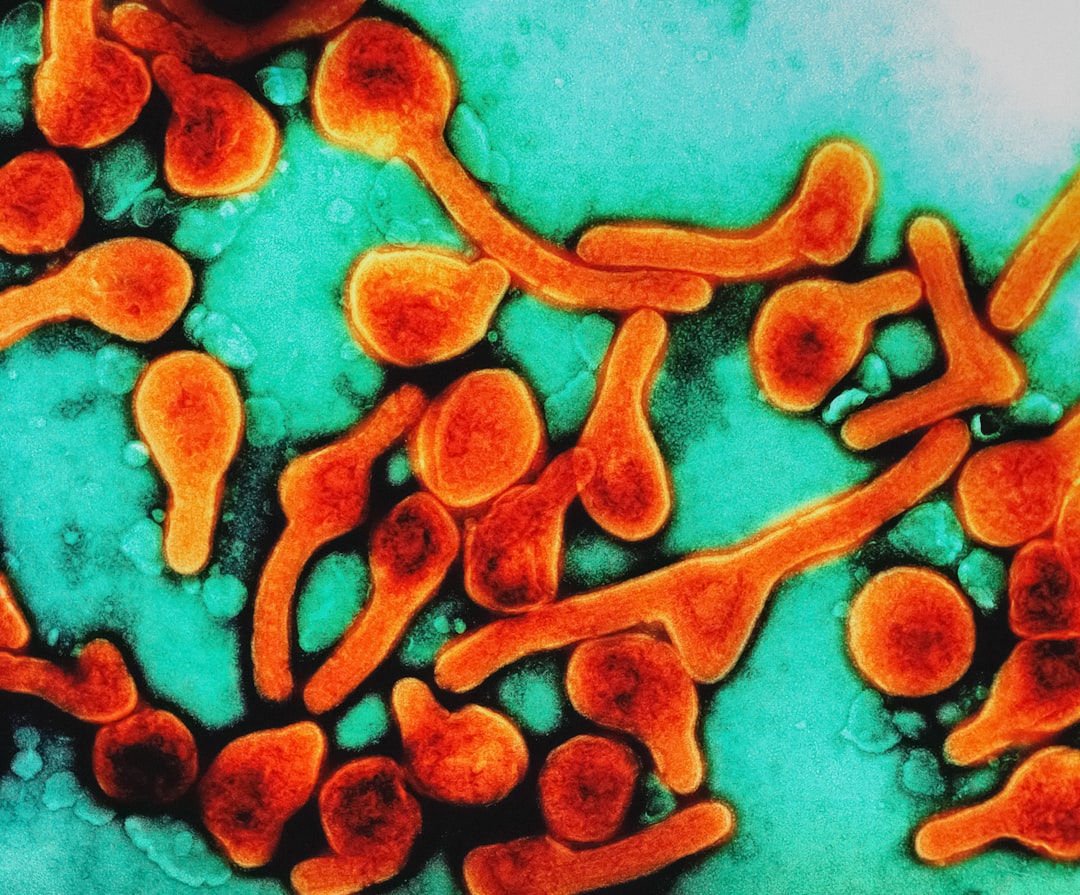
You are composed of more than you might initially believe. Within your very genetic blueprint, a silent archive of past invasions lies waiting to be read. For millennia, viruses have intersected with the human story, and their presence is not merely a historical footnote but an embedded part of your biological reality.
Your DNA, the instruction manual for your existence, is not entirely your own. Scattered throughout its vast stretches are fragments of genetic material that did not originate from your direct ancestors in the way you might typically think. These are endogenous viral elements (EVEs), remnants of ancient viral infections that, instead of being eliminated, managed to integrate their genetic material into the germline – the cells that pass on hereditary information. When you consider your biological heritage, you are also inheriting the echoes of viruses that threatened your distant predecessors. These are not active threats; the viruses themselves are long gone, rendered inert by evolutionary pressures or their own replication failures. What remains are molecular fossils, embedded in the very fabric of your cells, providing a unique window into the deep history of human-pathogen interaction.
What are Endogenous Viral Elements?
Endogenous viral elements are sequences of viral DNA that have become permanently incorporated into the genome of their host. This process, known as endogenization, occurs when a virus infects germline cells such as sperm or egg cells, or their precursor cells. If the viral DNA manages to integrate into the host cell’s chromosomes during this critical period of reproduction, and if that infected germ cell successfully contributes to fertilization and the development of a new organism, then the viral DNA becomes a heritable trait. It is passed down from generation to generation, becoming a permanent fixture of that lineage’s genome. These EVEs are replicated and maintained just like any other part of your DNA.
The Unlikely Survivor: How Viruses Become ‘Us’
The survival of viral genetic material within a host genome is a remarkable evolutionary anomaly. Most viral infections, even those that cause significant illness, are ultimately cleared by the host’s immune system. However, in rare instances, a virus may infect germline cells. The integration of viral DNA into the host genome is often mediated by specific viral enzymes, such as reverse transcriptase, which retroviruses utilize to convert their RNA genome into DNA before insertion. Once integrated, the viral DNA is subject to the same evolutionary forces as the host DNA. Over vast stretches of time, mutations accumulate, and sections of the original viral genome may be deleted or altered. This means that many EVEs are now fragmented, mutated, and incapable of producing functional viral particles. They are no longer viruses, but rather integrated sequences that carry the chemical signature of a past viral encounter.
Distinguishing from Exogenous Viruses
It is crucial to differentiate EVEs from current, active viral infections. Exogenous viruses are external invaders that enter your body and replicate, potentially causing disease. You might contract an influenza virus today, and your immune system will fight it off. EVEs, on the other hand, are internal passengers, integrated into your own DNA. They do not cause active infection or disease in and of themselves. Their significance lies in their historical and evolutionary information, not in their immediate pathogenic potential. The presence of EVEs is a testament to the long and complex evolutionary dance between humans and viruses.
Recent research has uncovered fascinating insights into the role of ancient viruses embedded within the human genome, suggesting that these viral remnants may have played a crucial role in shaping our immune system and overall health. For a deeper exploration of this topic, you can read the article on the implications of these ancient viral sequences by visiting Freaky Science. This article delves into how these viral elements have influenced human evolution and continue to impact our biology today.
Tracing Ancestral Migrations Through Viral Signatures
The presence and distribution of specific EVEs within human populations can serve as powerful markers for tracing ancestral migrations and evolutionary history. Because EVEs are inherited, their presence or absence in different global populations can reflect the genetic bottlenecks and founder effects that occurred as human groups dispersed across the globe. Imagine a small group of individuals migrating, carrying with them certain integrated viral sequences. As this group expands and diversifies, those EVEs will be passed down to their descendants. Observing which EVEs are present in which populations allows scientists to reconstruct these ancient journeys.
Population Genetics and EVE Distribution
When humans migrated out of Africa and spread across the continents, they carried their genomes with them, including any integrated viral elements. If a particular EVE was present in the genome of an ancestral population in Africa before its global expansion, it is likely to be found in descendant populations across the world. Conversely, if an EVE arose from a viral infection that occurred after a population had already isolated itself, its distribution might be geographically restricted. By analyzing the frequency and specific characteristics of EVEs in diverse human populations today, researchers can infer patterns of ancient admixture, dispersal, and isolation. This provides an invaluable layer of evidence to complement traditional genetic markers.
The Case of HERVs and Human Evolution
Human endogenous retroviruses (HERVs) are a large and diverse class of EVEs that originated from ancient retroviral infections. These sequences make up a significant percentage of your genome. The study of HERVs has provided critical insights into our evolutionary past. For instance, the presence of certain HERV families in human DNA, and their absence or different configuration in the genomes of other primates, can help delineate the divergence of human lineages. The patterns of HERV integration and fixation within the human germline have been meticulously studied to understand the timeline of human evolution and the selective pressures that may have shaped our genome.
Ancient Population Bottlenecks Reflected in EVEs
Population bottlenecks, periods where the size of a population dramatically decreases, can have a significant impact on genetic diversity. During a bottleneck, rare genetic variants can either be lost or become disproportionately common in the surviving population. EVEs can thus serve as markers for these events. If a lineage experienced a bottleneck, the suite of EVEs present in the surviving individuals will reflect the viral past of that specific group, potentially masking or amplifying the EVEs present in the broader ancestral population. Studying this can help map not only migrations but also the demographic upheavals that characterized human history.
Unveiling Viral Ancestors: Tools of the Trade
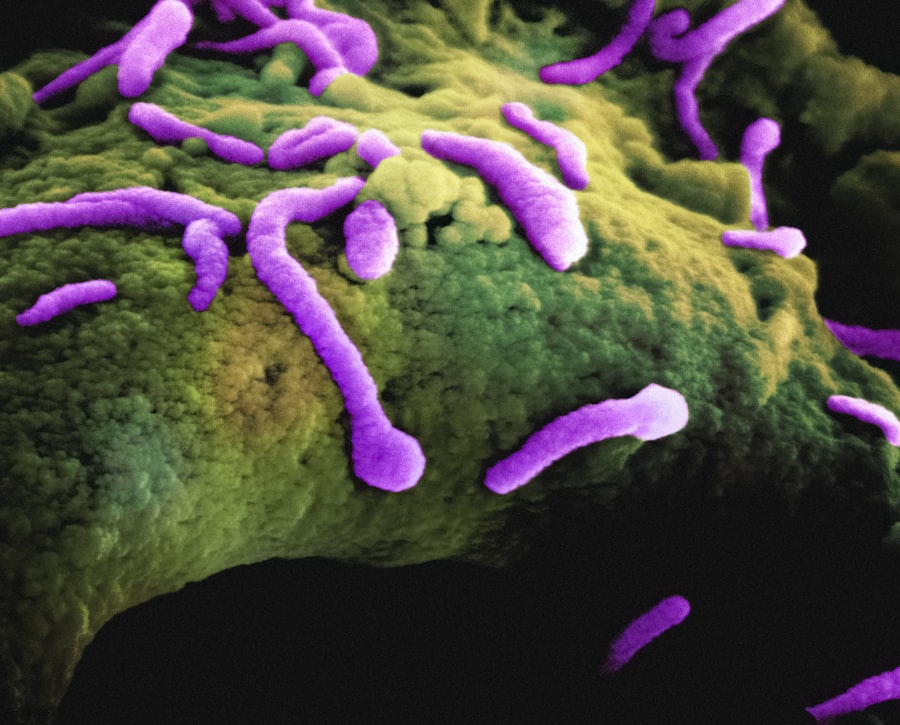
The investigation of EVEs relies on sophisticated molecular and computational techniques. Researchers employ a range of methods to identify, characterize, and interpret these ancient viral stowaways within your DNA. It is a process of molecular detective work, piecing together evidence from the most fundamental level of your biology.
The Power of Bioinformatic Analysis
Once you have obtained DNA sequences from individuals or populations, the real work of identifying EVEs begins with bioinformatic analysis. Computer algorithms are designed to sift through vast amounts of genetic data, searching for sequences that exhibit homology – similarity – to known viral genomes. These programs can detect patterns characteristic of viral DNA, even if the EVE is highly fragmented or mutated. This involves comparing your genomic sequences against large databases of viral genomes and identifying regions that exhibit unusual features, such as specific gene structures or regulatory elements found in viruses.
Identifying Viral Homology
At its core, this involves looking for stretches of your DNA that resemble the genetic code of known viruses. While your own genes have specific functions within your cells, viral genomes have evolved to replicate within host cells. This leads to distinct sequence patterns. Bioinformatics tools are trained to recognize these patterns, even if the viral sequence has undergone significant changes over millions of years. They can identify regions that show statistical likelihood of having originated from a virus, distinguishing them from the vast majority of human DNA.
Reconstruction of Ancient Viral Genomes
In some cases, by piecing together multiple fragmented EVEs from different individuals or even from different parts of a single EVE, researchers can attempt to reconstruct what the original ancestral virus might have looked like. This is a complex process, akin to assembling a puzzle with many missing pieces. However, successful reconstructions can provide invaluable insights into the nature of past epidemics and the evolutionary trajectory of viruses.
Comparative Genomics: A Broader Perspective
To understand the significance of EVEs in humans, it is often necessary to examine their presence or absence in the genomes of other species, particularly our closest primate relatives. Comparative genomics allows scientists to pinpoint which viral integrations are specific to the human lineage and which occurred in our shared ancestors with chimpanzees, gorillas, or other primates. This helps to establish the timing of specific viral events relative to key evolutionary divergences.
Identifying Primate-Specific vs. Human-Specific EVEs
By comparing human EVEs with those found in chimpanzee, orangutan, or other primate genomes, researchers can determine if an EVE is a shared inheritance from a common ancestor or if it represents a more recent viral integration event that occurred exclusively in the human line. This distinction is critical for understanding the specific viral pressures that shaped human evolution versus those that impacted a broader primate evolutionary history.
Evolutionary Tree Building with EVEs
The distribution of EVEs across different species can also be used to build or refine phylogenetic trees, which depict evolutionary relationships. If a particular EVE is found in humans and chimpanzees but not in gorillas, it suggests that the viral integration occurred in the lineage leading to humans and chimpanzees after their divergence from the lineage leading to gorillas. This provides an independent line of evidence for constructing our family tree.
Molecular Clock Dating of Viral Integrations
Similar to how radiometric dating is used to determine the age of rocks, molecular clock analyses can be applied to EVEs to estimate when a particular viral integration event likely occurred. By calculating the rate of accumulated mutations within EVE sequences and comparing them to known evolutionary rates, scientists can estimate the time elapsed since the integration into the germline. This helps to place these viral encounters within the timeline of human evolution.
Estimating Time of Integration
The underlying principle is that genetic sequences accumulate mutations at a roughly constant rate over time. By quantifying the number of differences between an EVE and its closest known viral relatives, and knowing the approximate mutation rate for that type of genetic material, scientists can estimate how long ago the integration event happened. This allows you to assign more precise timeframes to hypothesized viral epidemics.
The Functional Legacy: Beyond Molecular Fossils
While many EVEs are no longer active, some have been shown to possess functional roles within the human genome. These ancient viral sequences have been co-opted by our own cellular machinery, playing surprising and sometimes vital roles in a variety of biological processes. This demonstrates that evolutionary repurposing is a powerful force, and the remnants of past threats can become integrated components of present-day biology.
Viral Proteins in Human Biology
Remarkably, some EVEs retain the genetic code for viral proteins. These proteins, originally designed to aid viral replication or function, can be expressed in human cells. In some instances, these proteins have been repurposed by the human genome to perform beneficial functions. For example, certain HERVs have been found to express proteins that are involved in placental development, an essential process for mammalian reproduction. Without these ancient viral contributions, mammalian pregnancy as you know it might not be possible.
Syncytin-1: A Key to Placentation
One of the most well-studied examples is Syncytin-1, a protein derived from an ancient retroviral gene. Syncytin-1 plays a crucial role in the formation of the placenta, specifically in fusing cells to create a multinucleated layer. This fusion is essential for nutrient and gas exchange between the mother and the developing fetus. It is a direct example of a once-viral gene becoming indispensable for human reproduction.
Other Repurposed Viral Genes
Beyond Syncytin-1, ongoing research is identifying other EVE-derived proteins that appear to have been integrated into cellular functions. These can include proteins involved in cell signaling, immune regulation, and even the development of the nervous system. The extent of this repurposing is still being uncovered, suggesting that this ancient viral legacy is more profound than initially understood.
EVEs in Immune System Regulation
Your immune system is constantly battling pathogens, and EVEs have played a role in shaping its evolution. The presence of endogenous viral sequences can influence how your immune system recognizes and responds to current viral threats. Some EVEs may provide “priming” for immune responses, making your system more effective against certain types of viruses it has never encountered before. Others might have driven the evolution of specific immune defense mechanisms.
Desensitization and Priming of Innate Immunity
The continuous presence of viral sequences within your genome can contribute to the “priming” of your innate immune system. This means that your cells are more readily able to detect and respond to incoming viral threats that share characteristics with the EVEs they harbor. It’s a form of molecular pre-conditioning. Conversely, some EVEs might contribute to desensitization, preventing overreactions to the molecular patterns they themselves represent.
Evolutionary Arms Race with Viruses
The integration of viral DNA into the germline is part of a long and complex evolutionary arms race. As viruses evolve to infect and replicate, hosts evolve mechanisms to defend themselves. The process of endogenization, while seemingly a loss for the virus, can also be seen as a way for the host to gain new genetic material that might confer an advantage. The ongoing interplay between viral evolution and host genome evolution is a fundamental driver of biological diversity.
EVEs and Disease Susceptibility or Resistance
While EVEs are not active pathogens, their presence and expression can, in some circumstances, influence your susceptibility or resistance to certain diseases, particularly those that mimic or interact with viral pathways. For example, dysregulation of HERV expression has been implicated in the pathology of autoimmune diseases and some cancers. This suggests that the ancient viral legacy can have subtle but significant impacts on your health.
Links to Autoimmune Diseases
Aberrant expression of certain HERVs has been observed in individuals with autoimmune diseases like multiple sclerosis and rheumatoid arthritis. The viral proteins produced by these EVEs might trigger or exacerbate immune responses against self-tissues, contributing to the inflammatory processes characteristic of these conditions. The exact mechanisms are still under investigation, but the correlation is compelling.
Cancer and EVE Reactivation
Similarly, the reactivation of dormant HERVs has been noted in certain types of cancer. The viral proteins or transcripts produced in these malignant cells could contribute to tumor growth, immune evasion, or metastasis. Understanding these interactions is a focus of ongoing research aiming to develop novel therapeutic strategies.
Recent studies have revealed fascinating insights into how ancient viruses have integrated into the human genome, influencing our biology in ways we are just beginning to understand. For those interested in exploring this topic further, a related article discusses the implications of these viral remnants on human health and evolution. You can read more about it in this informative piece that delves into the complexities of our genetic history shaped by these long-forgotten pathogens.
The Future of EVE Research: Unlocking Deeper Insights
| Virus Name | Integration Time | Percentage in Human Genome |
|---|---|---|
| HERV-K | About 30 million years ago | Around 8% |
| HERV-W | Around 25 million years ago | Approximately 3% |
| HERV-H | Approximately 30-60 million years ago | Less than 1% |
The field of EVE research is rapidly advancing, driven by increasingly sophisticated technologies and a growing appreciation for the profound impact these ancient viral remnants have had on human evolution and biology. As you continue to explore your own genetic code, you are uncovering a deeper narrative of your existence.
Advances in Genome Sequencing and Analysis
The plummeting cost and increasing speed of genome sequencing are revolutionizing EVE research. It is now feasible to sequence the genomes of vast numbers of individuals from diverse populations, allowing for more comprehensive and nuanced studies of EVE distribution and variation. This provides an unprecedented resolution for tracing human history and understanding the evolutionary pressures that have shaped you.
Large-Scale Population Studies
The ability to analyze the genomes of thousands or even millions of people allows researchers to identify rare EVEs and to map their frequencies across the globe with high precision. These large-scale studies are crucial for confirming previously observed patterns and for uncovering new EVEs that may have been missed in smaller investigations.
Technological Innovations in EVE Detection
New computational algorithms and experimental techniques are constantly being developed to improve the accuracy and efficiency of EVE detection. These include methods that can identify novel EVE families, reconstruct highly fragmented elements, and even distinguish between different integration events that may have occurred at similar locations within the genome.
Therapeutic and Diagnostic Potential
As the functional roles of EVEs become better understood, their potential for therapeutic and diagnostic applications is increasingly being explored. Harnessing the power of repurposed viral proteins or developing strategies to modulate EVE expression could lead to new treatments for a range of diseases.
EVEs as Biomarkers for Disease
The expression patterns of certain EVEs could serve as valuable biomarkers for diagnosing or monitoring disease progression. For example, specific HERV expression profiles might indicate an increased risk of developing certain autoimmune conditions or the presence of particular types of cancer, allowing for earlier intervention.
Novel Therapeutic Strategies
Understanding how EVEs like Syncytin-1 contribute to essential biological processes opens avenues for therapeutic development. For instance, manipulating these pathways could be used to improve fertility treatments or to combat diseases where placental function is compromised. Conversely, developing ways to suppress the detrimental effects of reactivated EVEs in cancer or autoimmune disease is another area of active research.
Understanding Viral Evolution and Pandemic Preparedness
Studying EVEs provides a unique historical perspective on viral evolution, offering insights into how viruses adapt, spread, and interact with their hosts over long timescales. This historical understanding can be invaluable for improving our ability to predict and respond to future pandemics.
Lessons from Past Viral Pandemics
The integration of viral genetic material into our genomes is a testament to the recurring threat of viral epidemics throughout human history. By deciphering the story told by EVEs, you gain a deeper appreciation for the resilience and adaptability of both viruses and humans, offering lessons that can inform current public health strategies and pandemic preparedness.
Predicting Future Threats
While EVEs are inactive, the principles of viral integration and evolution that they represent are still at play with contemporary viruses. Insights gained from studying EVEs can help researchers understand the potential for future viruses to become integrated into the human germline, or to influence host-pathogen interactions in ways that could impact human health and evolution.
FAQs
What are ancient viruses in the human genome?
Ancient viruses in the human genome are remnants of viral DNA that have been integrated into the human genetic code over millions of years of evolution. These viral sequences make up a significant portion of the human genome.
How did ancient viruses become part of the human genome?
Ancient viruses became part of the human genome through a process called endogenization, where viral DNA is integrated into the host genome. This can occur when a virus infects a germ cell (sperm or egg) and its genetic material becomes part of the host’s DNA, which can then be passed down to future generations.
What is the significance of ancient viruses in the human genome?
Ancient viruses in the human genome have been linked to various aspects of human health and disease. They have been implicated in the regulation of gene expression, the development of certain diseases, and even the evolution of the human species.
Can ancient viruses in the human genome cause disease?
While most ancient viral sequences in the human genome are inactive and do not cause disease, some have been associated with the development of certain diseases, such as cancer and autoimmune disorders. However, the majority of these viral remnants are thought to be harmless.
How do scientists study ancient viruses in the human genome?
Scientists study ancient viruses in the human genome using various molecular and computational techniques. These include DNA sequencing, bioinformatics analysis, and experimental studies to understand the impact of ancient viral sequences on human biology and health.